Radiation is energy that propagates through space in multiple forms, including alpha particles, beta particles, gamma rays, and X-rays. This phenomenon occurs naturally throughout the environment from cosmic radiation, radioactive elements in Earth’s crust, and artificial sources such as nuclear reactors and medical equipment. Radiation exposure can cause both immediate and delayed health effects in humans, ranging from acute radiation syndrome at high doses to increased cancer risk and genetic damage from prolonged or repeated exposure.
Radiation hazards are classified according to radiation type and exposure parameters. Ionizing radiation possesses sufficient energy to strip electrons from atoms, making it particularly dangerous to biological systems. This process can directly damage DNA and cellular components, disrupting normal physiological functions and potentially causing cell death or malignant transformation.
Non-ionizing radiation, while generally less harmful, can still cause tissue heating and other biological effects at high intensities. Comprehensive knowledge of radiation sources, characteristics, and biological effects is essential for establishing appropriate radiation protection standards, monitoring programs, and safety procedures to minimize human and environmental exposure risks.
Key Takeaways
- Radiation poses significant health risks, necessitating accurate detection and measurement.
- Geiger counters and dosimeters are essential tools for monitoring radiation levels in various environments.
- Continuous monitoring of radiation in air, water, and food is crucial for public safety and environmental protection.
- International collaboration is vital for effective monitoring and control of nuclear weapons radiation.
- Advances in technology are shaping the future of radiation detection and emergency response protocols.
Detecting and Measuring Radiation Levels
Detecting and measuring radiation levels is essential for ensuring public safety and environmental protection. Various instruments and techniques are employed to assess radiation exposure in different settings. The measurement of radiation is typically expressed in units such as sieverts (Sv) for biological effects or becquerels (Bq) for radioactivity.
These measurements help scientists and health officials understand the extent of radiation exposure in a given area and its potential impact on human health. One common method for measuring radiation levels involves the use of scintillation counters, which detect ionizing radiation by measuring the light produced when radiation interacts with certain materials. Another widely used technique is the use of ionization chambers, which measure the charge produced by ionizing radiation in a gas-filled chamber.
These devices provide real-time data on radiation levels, allowing for timely responses to potential hazards. The ability to accurately detect and measure radiation is vital for assessing risks in various environments, from nuclear power plants to medical facilities.
The Role of Geiger Counters and Dosimeters

Geiger counters and dosimeters are two of the most commonly used devices for monitoring radiation exposure. Geiger counters are portable instruments that detect ionizing radiation through the ionization of gas within a tube.
This device is particularly useful for quickly assessing radiation levels in various environments, making it an essential tool for emergency responders and health officials. Dosimeters, on the other hand, are designed to measure an individual’s cumulative exposure to radiation over time. These devices are often worn by workers in industries where radiation exposure is a concern, such as healthcare or nuclear energy.
Dosimeters can provide valuable data on personal exposure levels, helping to ensure that individuals do not exceed recommended safety limits. Together, Geiger counters and dosimeters play a crucial role in monitoring radiation levels and protecting public health.
Monitoring Radiation in the Environment
Monitoring radiation in the environment is a critical aspect of public health and safety. Various organizations and agencies are tasked with assessing environmental radiation levels to identify potential hazards and protect communities. This monitoring involves measuring background radiation levels as well as detecting any increases due to human activities or natural events, such as nuclear accidents or geological phenomena.
Environmental monitoring typically includes sampling soil, air, and vegetation to assess radioactive contamination. By analyzing these samples, scientists can determine the presence of radioactive isotopes and their concentrations in the environment. This information is vital for understanding the potential risks associated with radiation exposure and for developing strategies to mitigate those risks.
Continuous monitoring also helps establish baseline radiation levels, allowing for more accurate assessments when anomalies occur.
Monitoring Radiation in the Atmosphere
| Metric | Description | Typical Range/Value | Unit |
|---|---|---|---|
| Gamma Radiation Level | Measurement of gamma rays emitted from nuclear weapons or test sites | 0.1 – 1000 | μSv/h (microsieverts per hour) |
| Neutron Flux | Number of neutrons passing through a unit area per second | 10^3 – 10^9 | neutrons/cm²/s |
| Alpha Particle Count | Alpha radiation detected from nuclear material | 0 – 500 | counts per minute (cpm) |
| Beta Radiation Level | Measurement of beta particles emitted | 0.1 – 500 | μSv/h |
| Radiation Dose Rate | Overall radiation dose rate at monitoring site | 0.05 – 200 | μSv/h |
| Airborne Radioactive Particulates | Concentration of radioactive particles in air | 0 – 1000 | mBq/m³ (millibecquerels per cubic meter) |
| Background Radiation Level | Natural radiation level for comparison | 0.05 – 0.2 | μSv/h |
| Radiation Alarm Threshold | Pre-set level to trigger alarms for nuclear weapon monitoring | 1 – 10 | μSv/h |
The atmosphere is another critical area where radiation monitoring is essential. Atmospheric monitoring involves measuring radioactive particles and gases that may be released into the air due to various sources, including nuclear power plants, medical facilities, and even natural events like volcanic eruptions. The presence of radioactive materials in the atmosphere can pose significant health risks to populations living nearby.
Airborne monitoring typically employs a combination of ground-based stations and satellite technology to detect changes in atmospheric radiation levels. Ground-based stations use filters to capture airborne particles, which are then analyzed for radioactivity. Satellite technology provides a broader view of atmospheric conditions, allowing for real-time tracking of radioactive plumes following nuclear incidents or other emergencies.
By closely monitoring atmospheric radiation levels, authorities can issue timely warnings and implement protective measures to safeguard public health.
Monitoring Radiation in Water Sources

Water sources are another critical area for radiation monitoring due to their potential impact on human health and ecosystems. Contaminated water can result from various sources, including industrial discharges, agricultural runoff, and nuclear accidents. Monitoring water sources for radioactive contamination is essential for ensuring safe drinking water and protecting aquatic life.
Water monitoring typically involves collecting samples from rivers, lakes, groundwater, and reservoirs to test for radioactive isotopes. Advanced analytical techniques are employed to detect even trace amounts of radioactivity in water samples. Regulatory agencies often set strict limits on acceptable levels of radioactivity in drinking water to protect public health.
Regular monitoring helps identify contamination events early on, allowing for swift action to mitigate risks associated with radioactive water sources.
Monitoring Radiation in Food and Agriculture
The agricultural sector is not immune to the effects of radiation, making food safety monitoring a vital component of public health initiatives. Radioactive contamination can occur through contaminated soil or water used for irrigation, leading to potential risks in food production. Monitoring radiation levels in food products ensures that consumers are protected from harmful exposure.
Food monitoring involves testing agricultural products such as fruits, vegetables, grains, and livestock for radioactive isotopes. Regulatory agencies often establish guidelines for acceptable levels of radioactivity in food items to ensure safety for consumers.
By maintaining rigorous monitoring practices in agriculture, authorities can help safeguard public health while ensuring food security.
International Efforts in Monitoring Nuclear Weapons Radiation
International efforts to monitor radiation from nuclear weapons have gained prominence since the Cold War era when concerns about nuclear proliferation became widespread. Various treaties and agreements have been established to promote transparency and accountability among nations possessing nuclear capabilities. Organizations such as the International Atomic Energy Agency (IAEA) play a crucial role in facilitating international cooperation on nuclear safety and security.
One significant initiative is the Comprehensive Nuclear-Test-Ban Treaty (CTBT), which aims to ban all nuclear explosions worldwide. The treaty includes a global network of monitoring stations designed to detect nuclear tests through seismic activity, radionuclide emissions, and other means. This international collaboration enhances global security by providing early warning systems for potential nuclear threats while promoting disarmament efforts among nations.
Challenges in Monitoring Radiation from Nuclear Weapons
Despite advancements in technology and international cooperation, challenges remain in effectively monitoring radiation from nuclear weapons. One significant challenge is the clandestine nature of some nuclear activities, where nations may attempt to conceal their testing or development programs from international scrutiny. This secrecy complicates efforts to verify compliance with treaties like the CTBT.
Additionally, technological limitations can hinder detection capabilities in certain environments or scenarios. For instance, atmospheric conditions may affect the ability of monitoring stations to detect radioactive particles accurately. Furthermore, political tensions between nations can impede collaboration on monitoring efforts, leading to gaps in data collection and analysis.
Addressing these challenges requires ongoing innovation in detection technologies as well as diplomatic efforts to foster trust among nations.
Emergency Response and Protocols for Radiation Monitoring
In the event of a radiological emergency, effective response protocols are essential for minimizing health risks and ensuring public safety. Emergency response plans typically involve coordinated efforts among local authorities, health agencies, and environmental organizations to assess radiation levels quickly and accurately. Protocols often include establishing exclusion zones around affected areas to limit exposure while conducting thorough assessments using Geiger counters and dosimeters.
Public communication is also critical during emergencies; authorities must provide clear information about potential risks and safety measures to affected populations. Training first responders in radiation monitoring techniques ensures that they are prepared to handle emergencies effectively while protecting themselves and the public.
The Future of Radiation Monitoring Technology
The future of radiation monitoring technology holds great promise as advancements continue to emerge across various fields. Innovations such as portable spectrometers enable more precise identification of radioactive isotopes in real-time, enhancing detection capabilities in diverse environments. Additionally, artificial intelligence (AI) is being integrated into monitoring systems to analyze vast amounts of data quickly and identify patterns that may indicate potential threats.
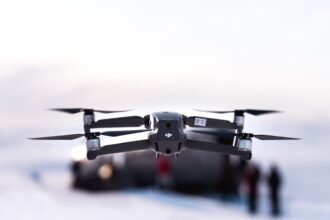
Moreover, advancements in remote sensing technologies allow for more comprehensive monitoring of large areas without requiring physical presence on-site. Drones equipped with radiation detection sensors can survey hard-to-reach locations or assess damage following nuclear incidents more efficiently than traditional methods. As technology continues to evolve, it will play an increasingly vital role in ensuring public safety through enhanced radiation monitoring capabilities across various sectors.
In conclusion, understanding the complexities surrounding radiation monitoring is essential for safeguarding public health and protecting the environment from potential hazards associated with ionizing radiation. Through continued advancements in technology and international cooperation, society can better prepare for challenges related to radiation exposure while promoting safety measures that benefit all communities worldwide.
In the context of radiation monitoring and its critical role in nuclear weapons oversight, the article on the importance of real-time radiation detection systems provides valuable insights. For a deeper understanding of how these systems contribute to global security, you can read more in this related article: Importance of Real-Time Radiation Detection Systems.
WATCH THIS 🎬 DEAD HAND: The Soviet Doomsday Machine That’s Still Listening
FAQs
What is radiation monitoring in the context of nuclear weapons?
Radiation monitoring in the context of nuclear weapons involves detecting and measuring radioactive particles and radiation levels to assess the presence, impact, or testing of nuclear weapons. This helps ensure safety, compliance with treaties, and environmental protection.
Why is radiation monitoring important for nuclear weapons?
Radiation monitoring is crucial to detect nuclear tests, prevent unauthorized use, protect public health, and monitor environmental contamination. It also supports verification of arms control agreements and helps in emergency response during nuclear incidents.
What types of radiation are monitored around nuclear weapons?
The primary types of radiation monitored include alpha particles, beta particles, gamma rays, and neutrons. Gamma radiation and neutron emissions are particularly significant in detecting nuclear detonations and assessing fallout.
What equipment is used for radiation monitoring related to nuclear weapons?
Common equipment includes Geiger-Müller counters, scintillation detectors, dosimeters, and spectrometers. Advanced systems may use satellite sensors, airborne detectors, and ground-based monitoring stations to detect radiation remotely.
How does radiation monitoring help in nuclear non-proliferation?
Radiation monitoring helps verify compliance with treaties like the Comprehensive Nuclear-Test-Ban Treaty (CTBT) by detecting nuclear tests and ensuring that nuclear materials are not diverted for weapon development.
Can radiation monitoring detect nuclear weapon tests?
Yes, radiation monitoring can detect radioactive isotopes and radiation signatures released during nuclear tests, enabling authorities to confirm and locate such tests.
Who is responsible for radiation monitoring of nuclear weapons?
Responsibility is shared among national governments, international organizations such as the International Atomic Energy Agency (IAEA), and treaty verification bodies like the CTBTO (Comprehensive Nuclear-Test-Ban Treaty Organization).
What are the health risks associated with radiation from nuclear weapons?
Exposure to radiation from nuclear weapons can cause acute radiation sickness, increase cancer risk, and lead to genetic damage. Monitoring helps minimize these risks by enabling timely protective measures.
How is radiation monitoring data used after a nuclear weapon detonation?
Data is used to assess the scale and impact of the detonation, guide emergency response, inform public safety measures, and support environmental cleanup and health monitoring efforts.
Is radiation monitoring continuous or only during specific events?
Radiation monitoring is often continuous in sensitive areas to provide early warning of nuclear events, but it can also be intensified during suspected nuclear tests or incidents.