In the vast, inky expanse of the ocean floor, a silent, invisible war is being waged. It is a conflict fought not with bombs and bullets, but with sophisticated technology and the relentless pursuit of information. This is the realm of modern undersea cable espionage, a shadowy practice that echoes the intelligence gathering methods of the past, but with a digital twist. The cables, the arteries of our interconnected world, carrying data at the speed of light, have become prime targets, and understanding the parallels between historical espionage and today’s digital skirmishes is crucial to appreciating the stakes involved.
The Vital Role of Undersea Cables
Imagine the internet as a colossal nervous system, and the undersea cables as its vital arteries. Billions of fiber optic strands, laid across ocean floors, form a global network that facilitates communication, commerce, and the free flow of information. These cables, often thicker than a human thumb and encased in protective layers of metal and plastic, are the silent workhorses of the 21st century. They carry an astonishing volume of data – emails, financial transactions, video calls, and the very essence of our digital lives – traversing continents beneath miles of water. Without them, the instantaneous global connectivity we take for granted would crumble, plunging the world back into the slow, fragmented communication of decades past. Our reliance on these submerged conduits is absolute, making their integrity paramount to national security and global stability.
Historical Precedents: The Roots of Undersea Intelligence
The concept of intercepting communications is not new. For centuries, nations have sought to listen in on their adversaries. Before the advent of electricity and fiber optics, this involved the laborious interception of couriers, the deciphering of coded messages sent via semaphore, or the more direct method of tapping conventional telegraph lines. During World War I and World War II, the interception and decryption of enemy communications, code-named “Ultra” and “Enigma,” respectively, proved to be decisive factors in Allied victories. These successes highlighted the immense strategic advantage gained by possessing knowledge of an opponent’s plans and capabilities. The advent of undersea communication cables, initially for telegraphy and later for telephony, presented a new frontier for intelligence gathering. British and American intelligence agencies, for instance, developed sophisticated techniques to tap transatlantic telegraph cables during periods of tension, laying the groundwork for the clandestine operations that would define later eras of communication interception. These early efforts, while technologically primitive by today’s standards, established a fundamental principle: control the flow of information, and you control a significant aspect of power.
In recent discussions about the implications of modern undersea cable espionage, a related article titled “The Silent War Beneath the Waves” provides a comprehensive analysis of how nations are increasingly targeting these vital communication links for intelligence gathering. This piece highlights the parallels between historical espionage tactics and contemporary methods employed in the digital age. For more insights, you can read the article here: The Silent War Beneath the Waves.
Echoes from the Past: Submarine Telegraph Tapping
The Dawn of Submarine Cable Interception
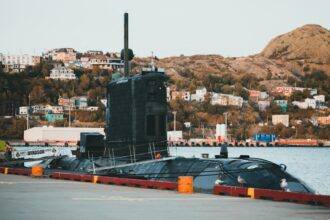
The birth of undersea cable espionage can be traced back to the late 19th and early 20th centuries, with the expansion of transatlantic telegraph cables. These wires, stretching across the ocean floor, offered a novel and potentially lucrative target for intelligence agencies. The process, while crude compared to modern techniques, was revolutionary for its time. It involved the use of specialized submarines and vessels equipped with early forms of grappling hooks and detection equipment designed to locate and attach to these submerged cables. Once a connection was established, operators would painstakingly “tap” into the electrical signals carrying messages. This often involved the use of sensitive electrical instruments and trained personnel capable of interpreting the faint electrical pulses that represented coded textual information. It was a slow, labor-intensive, and often hazardous undertaking, fraught with the risk of detection by the cable owner or competing nations.
The “Loyd’s List” Operation and its Contemporaries
A notable early example of this kind of operation was likely referred to by some as “Loyd’s List,” though public documentation of such specific codenames for early operations is scarce. However, broader historical accounts describe efforts by naval powers, particularly Great Britain, to monitor enemy telegraph traffic traversing undersea cables. During periods of international tension, such as the lead-up to World War I, intelligence services would dedicate resources to intercepting messages between hostile nations. The information gleaned could provide invaluable insights into diplomatic negotiations, military movements, and economic strategies. The challenges were immense: distinguishing specific signals from the cacophony of global telegraph traffic, developing methods to attach to cables without damaging them, and the sheer logistical hurdles of operating at extreme depths. Nevertheless, these early successes demonstrated the viability and immense strategic value of undersea cable interception. They were the whispers of a new era of espionage, carried on the currents of the ocean floor.
The Digital Transformation: From Electrical Pulses to Terabytes
The Shift to Fiber Optics and Encrypted Data
The transition from copper telegraph wires to fiber optic cables represented a seismic shift in the landscape of communication and, consequently, espionage. Unlike the electrical pulses of their predecessors, fiber optic cables transmit data as pulses of light, capable of carrying exponentially more information at significantly faster speeds. This technological leap has transformed the internet into the global powerhouse we know today. However, it has also created new challenges and opportunities for intelligence agencies. While the physical nature of the cables remains the same – the tangible conduits on the seabed – the methods of interception have had to evolve dramatically. In parallel, the widespread adoption of encryption technologies, designed to secure the data flowing through these cables, has added another layer of complexity. This digital shielding, while intended to protect sensitive information, also presents a formidable barrier for those seeking to intercept it. The art of the eavesdropper has had to become a master of the digital realm, blending an understanding of physical access with sophisticated code-breaking and data analysis.
The Scale of Modern Data Interception
The sheer volume of data flowing through undersea cables today is staggering. Billions of gigabytes, representing an unfathomable amount of personal, commercial, and governmental information, traverse these submerged arteries every second. This scale presents intelligence agencies with a dual challenge: the technical sophistication required to intercept such vast quantities of light pulses, and the subsequent need to sift through this digital ocean to find actionable intelligence. Modern interception methods often involve highly specialized equipment, including tapping devices that can be discreetly attached to cables and sophisticated data capture systems capable of recording and analyzing the light signals. The extracted raw data is then subjected to advanced algorithms and human analysis to identify patterns, extract keywords, and reconstruct encrypted communications. The parallels with historical espionage are evident in the fundamental objective – to acquire information – but the methods, scale, and technological prowess required are vastly different, akin to comparing a skilled blacksmith to a cutting-edge semiconductor fabricator.
State-Sponsored Espionage: The Modern Frontier
Intelligence Agencies and Cable Access
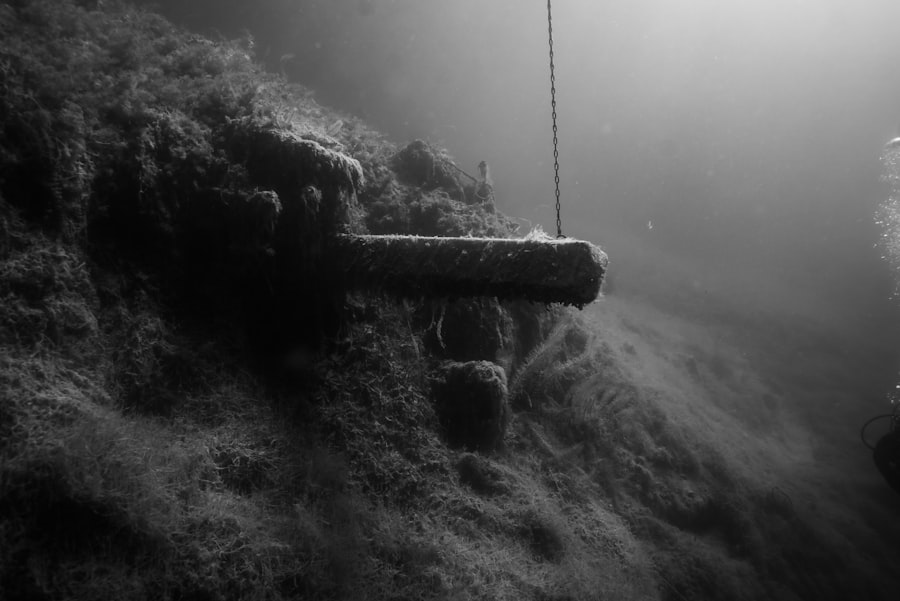
Undersea cable espionage is not the domain of lone wolves or independent actors. It is, almost exclusively, a state-sponsored activity. Governments, driven by national security interests, economic competitiveness, and geopolitical ambitions, are the primary entities investing in the sophisticated technologies and clandestine operations required for this type of intelligence gathering. Agencies like the NSA in the United States, GCHQ in the United Kingdom, and their counterparts in other major powers are known to engage in or pursue such activities. The methods employed are often highly classified, involving a combination of physical access to cable landing stations, the deployment of specialized submersibles and remote-operated vehicles (ROVs) to tap cables in international waters, and the exploitation of vulnerabilities in network infrastructure. The goal is to gain a strategic advantage by understanding the communications and intentions of potential adversaries, allies, and even domestic populations. It is a constant game of cat and mouse played out on the ocean floor and within the digital ether, where information is the ultimate currency.
The Geopolitical Implications of Cable Vulnerability
The vulnerability of undersea cables has significant geopolitical implications. A nation that can effectively monitor the communications of another can gain an unparalleled advantage in diplomatic negotiations, military planning, and economic strategy. This has led to heightened tensions and a complex web of international relations where the security of these submerged arteries is a constant concern. The desire to control or influence these critical data pathways can drive technological innovation, foster alliances, and exacerbate rivalries. The revelation of surveillance programs, such as those exposed by Edward Snowden, has brought this issue to the forefront of global discourse, highlighting the extent to which governments are willing to go to gather intelligence. The realization that these vital conduits are not as secure as once believed has spurred efforts to diversify communication routes, reinforce cable security, and engage in a constant arms race of technological countermeasures.
Modern undersea cable espionage has become a critical concern as nations increasingly rely on these vital communication links for both civilian and military purposes. The intricate web of cables that crisscross the ocean floor not only facilitates global internet connectivity but also serves as a potential battleground for intelligence operations. For a deeper understanding of the implications and strategies surrounding this issue, you can explore a related article that delves into the historical context and current developments in undersea cable security. This insightful piece can be found here.
The Ethical and Legal Labyrinth
| Aspect | Historical Context | Modern Parallels | Implications |
|---|---|---|---|
| Targeted Infrastructure | Telegraph cables in the 19th and early 20th centuries | Fiber-optic undersea internet cables | Critical communication lines vulnerable to interception and disruption |
| Espionage Techniques | Physical tapping and cable cutting by divers and ships | Advanced tapping devices, signal interception, and cyber exploitation | Increased sophistication and stealth in data interception |
| Actors Involved | Nation-states during colonial and world war periods | Nation-states, intelligence agencies, and cyber actors | Expanded range of actors with diverse capabilities |
| Data Types Targeted | Military and diplomatic telegrams | Internet traffic, financial data, military communications | Broader scope of sensitive information at risk |
| Security Measures | Physical protection and cable routing secrecy | Encryption, network monitoring, and physical cable security | Enhanced but still vulnerable to sophisticated attacks |
| Geopolitical Impact | Influenced outcomes of wars and colonial dominance | Impacts on global diplomacy, trade, and cyber warfare | Heightened tensions and strategic competition in cyberspace |
Privacy Concerns and International Law
The widespread interception of undersea cable communications raises profound ethical and legal questions, particularly concerning individual privacy. Vast amounts of personal data, ranging from private emails to sensitive financial transactions, flow through these cables daily. The potential for this information to be intercepted and exploited by foreign governments presents a significant threat to individual liberties. International law, particularly in areas like telecommunications and data protection, is still struggling to keep pace with the rapid advancements in surveillance technology. While treaties exist concerning the integrity of undersea cables and the non-interference with international communications, the enforcement and interpretation of these laws in the context of digital espionage are often debated and contested. The shadowy nature of these operations makes accountability a significant challenge, leaving citizens and nations vulnerable to unseen digital intrusions.
Balancing Security and Civil Liberties
The ongoing debate surrounding undersea cable espionage lies at the intersection of national security and civil liberties. Governments argue that such surveillance is essential for protecting their citizens from terrorism, cyberattacks, and other threats. They contend that without the ability to monitor communications, they would be operating blind in an increasingly dangerous world. However, civil liberties advocates raise concerns that such broad surveillance can lead to the erosion of privacy, the chilling of free speech, and the potential for abuse of power. The challenge is to find a delicate balance: implementing effective security measures without unduly infringing upon the fundamental rights of citizens. This often involves advocating for stronger legal frameworks, greater transparency in surveillance activities, and robust oversight mechanisms to ensure accountability and prevent the misuse of gathered intelligence. The digital ocean, while facilitating unprecedented connection, also presents a mirror to the anxieties of our times, forcing us to confront the complex trade-offs between security and freedom.
The silent war waged on the ocean floor, echoing the intelligence gathering of centuries past, continues unabated. The modern undersea cable, a marvel of engineering and the lifeblood of our digital civilization, has become a potent symbol of the ongoing struggle for information dominance. Understanding its historical antecedents and the current technological landscape is essential to grasping the profound implications of this invisible conflict for national security, global stability, and the very fabric of our interconnected lives. As technology advances and the volume of data flowing through these submerged arteries continues to explode, the shadows of espionage will likely deepen, demanding constant vigilance and a critical examination of the trade-offs we are willing to make for security in this increasingly digital world.
FAQs
What is undersea cable espionage?
Undersea cable espionage refers to the interception, monitoring, or tapping of submarine communication cables that carry internet and telecommunication data across continents. These cables are critical infrastructure for global communications, and espionage activities target them to gather intelligence.
Why are modern undersea cables important for espionage?
Modern undersea cables carry the vast majority of international data traffic, including sensitive government, military, and commercial information. Their strategic importance makes them prime targets for espionage, as accessing these cables can provide valuable intelligence without the need for direct access to the data sources.
How is modern undersea cable espionage conducted?
Espionage on undersea cables can involve physical tapping of the cables using specialized equipment deployed by submarines or underwater drones, as well as cyber techniques to intercept data at landing stations or network hubs. These operations require advanced technology and are often carried out covertly by state actors.
What are the historical parallels to modern undersea cable espionage?
Historically, undersea cables have been targets for interception and sabotage, especially during wartime. Modern espionage parallels these past activities but with more sophisticated technology and a greater focus on digital data interception, reflecting the evolution of global communications infrastructure.
What measures are taken to protect undersea cables from espionage?
Protection measures include physical security at cable landing sites, encryption of data transmitted through the cables, international cooperation to monitor and secure cable routes, and the development of detection technologies to identify unauthorized tapping or interference. However, due to the cables’ vast and remote locations, complete security remains challenging.