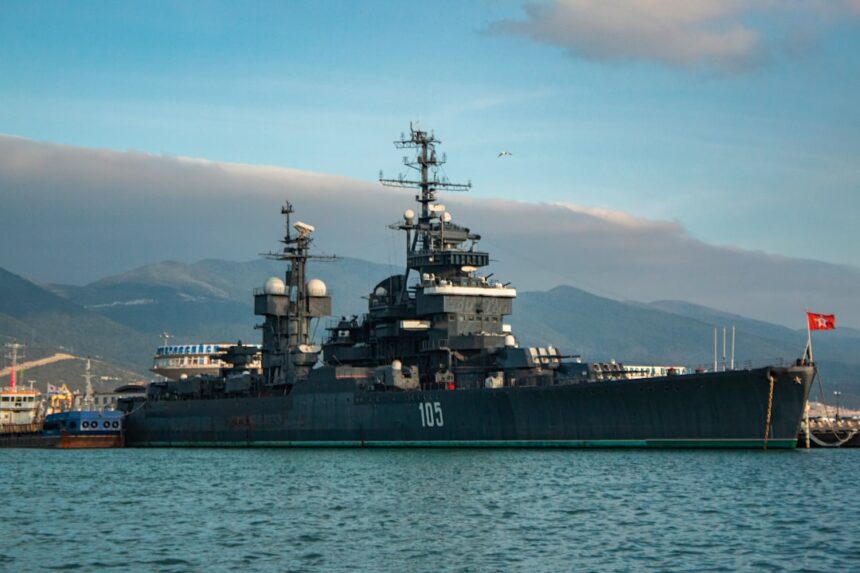
You stand at the precipice of a new era in naval power. The vast, undulating canvas of the ocean remains the same, yet the brushes wielded upon it have evolved dramatically. Modern naval warfare is no longer solely about the sheer mass of steel and firepower, but an intricate dance of sensors, data, and precision. It is a domain where the unseen often dictates the outcome, and information is as potent a weapon as any missile.
The traditional naval battle, characterized by opposing lines of battleships exchanging broadsides, is a relic of the past. Today, the battlefield is vast and multidimensional, a complex tapestry woven with threads of air, surface, subsurface, and even space. You must contend with threats that can emerge from almost anywhere, at any time, and often without overt warning. The sheer scale of the oceans means that complete situational awareness is an elusive, yet critical, goal.
Anti-Access/Area Denial (A2/AD) Stratagems
Imagine a gatekeeper guarding a critical chokepoint, bristling with an array of defensive countermeasures. This is the essence of A2/AD. You will encounter integrated systems designed to deny access to, or restrict freedom of action within, a specific maritime area. These systems comprise a layered defense, often integrating:
- Advanced Anti-Ship Missiles (AShMs): These are the long arms of the gatekeeper, capable of striking targets hundreds of kilometers away. You must anticipate their trajectory, evade their terminal guidance, and counter their destructive power. They are no longer simply iron darts; many possess sophisticated guidance, maneuverability, and even swarm capabilities.
- Submarine Fleets: These silent predators are the unseen sentinels, capable of ambushing surface vessels and disrupting supply lines. Their cloaked presence forces you to dedicate significant resources to anti-submarine warfare (ASW), a constant cat-and-mouse game beneath the waves.
- Integrated Air Defense Systems (IADS): Your airborne assets, whether reconnaissance drones or strike aircraft, face a hostile environment. Powerful radars and surface-to-air missiles (SAMs) create a no-fly zone, challenging your ability to gain air superiority and project power from above.
- Naval Mines and Obstacles: These are the insidious traps spread across the seabed, designed to impede movement, funnel vessels into kill zones, or simply damage and disable. Detection and neutralization of these threats demand specialized equipment and meticulous operations.
Littoral Combat and Asymmetric Threats
The shallow, confined waters near coastlines present a distinct set of challenges. This environment, often teeming with civilian traffic and natural obstacles, offers ample cover for smaller, agile craft that can pose disproportionate threats. You are no longer engaging a peer navy in open ocean; you may be facing adversaries employing unorthodox tactics.
- Fast Attack Craft (FACs) and Swarm Tactics: Imagine a school of piranhas, individually small but collectively capable of overwhelming a larger prey. FACs, often equipped with anti-ship missiles or even machine guns, can operate in swarms, exploiting the radar clutter of coastal areas and overwhelming a larger vessel’s defenses through sheer numbers and coordinated attacks.
- Unmanned Systems (UxS) in Littoral Zones: The close proximity to shore offers an ideal playground for unmanned surface, subsurface, and aerial vehicles. These can conduct reconnaissance, lay mines, or even execute direct attacks, often at lower risk to the adversary. You must be prepared to detect and counter these insidious tools.
- Coastal Artillery and Shore-Based Missile Systems: The land itself becomes a weapon in littoral warfare. Emplaced artillery and mobile missile batteries can control access to waterways, posing a significant threat to ships operating within range. This necessitates a combined-arms approach, integrating naval operations with land-based elements.
Naval warfare has evolved significantly over the years, and understanding its historical context can provide valuable insights into contemporary strategies and technologies. For a deeper exploration of this topic, you can read the article on modern naval tactics and their implications for global security at In the War Room. This resource delves into the challenges and innovations faced by naval forces today, highlighting the importance of maritime dominance in current military operations.
Technological Underpinnings: The Digital Sea
Modern naval warfare is inextricably linked to technological advancement. The proliferation of digital systems, advanced sensors, and sophisticated weapons has fundamentally reshaped how you fight and how you protect your assets. Technology is not merely an enhancement; it is the very bedrock upon which contemporary naval power is built.
Sensor Fusion and Networked Warfare
Think of your vessel not as an isolated entity, but as a node in a vast, interconnected network. Sensor fusion is the process of combining data from multiple, disparate sensors – radar, sonar, electro-optical, infrared – to create a comprehensive, real-time picture of the operational environment. This integrated understanding is crucial for decision-making.
- Integrated Combat Systems (ICS): These are the central nervous systems of your warships, integrating all sensors, weapons, and command and control functions. They process immense volumes of data, present actionable intelligence to your operators, and enable rapid response to threats. The speed and accuracy of these systems are paramount.
- Data Links and Information Sharing: The efficacy of networked warfare hinges on the seamless exchange of information between platforms. Secure, high-bandwidth data links allow you to share sensor data, targeting information, and tactical directives across an entire battlegroup, or even with allied forces. This creates a distributed, resilient intelligence network.
- Artificial Intelligence (AI) and Machine Learning (ML): The sheer volume of data generated by modern sensors is overwhelming for human operators. AI and ML algorithms are being increasingly deployed to analyze this data, identify patterns, detect anomalies, and even suggest optimal courses of action. They act as force multipliers, augmenting your cognitive abilities and accelerating your decision cycle.
Advanced Weapon Systems
The lethality and precision of modern naval weaponry have reached unprecedented levels. You are no longer relying on simple ballistics; guided munitions, hypersonic speeds, and autonomous targeting are transforming the art of naval engagement.
- Hypersonic Missiles: These are the apex predators of modern naval weaponry, capable of traveling at speeds exceeding Mach 5, making them incredibly difficult to detect, track, and intercept. Their sheer velocity reduces reaction time to mere seconds, placing immense pressure on your defensive systems.
- Directed Energy Weapons (DEWs): Imagine a beam of pure energy, capable of disabling or destroying incoming threats at the speed of light. Laser and high-power microwave weapons are emerging technologies that offer the potential for precision, low-cost engagements against missiles, drones, and small craft. You will increasingly see these as defensive and offensive tools.
- Autonomous Unmanned Systems (AUS): The concept of machines operating independently is gaining traction. Autonomous underwater vehicles (AUVs) can conduct lengthy reconnaissance missions or lay mines without human intervention. Unmanned surface vessels (USVs) can patrol hazardous areas or act as decoys. These systems offer significant advantages in terms of endurance, risk reduction, and stealth.
Strategic Imperatives: Navigating the Geopolitical Currents
Beyond the technological arms race, modern naval warfare is intrinsically linked to global geopolitical shifts. Your strategic objectives are shaped by evolving power dynamics, regional conflicts, and the imperative to protect vital maritime interests. The seas remain the highways of global commerce and the conduits of international power.
Power Projection and Sea Control
The ability to project power from the sea is a cornerstone of naval strategy. You must be able to deploy forces, conduct operations, and exert influence far from your home shores. Sea control, the ability to use the sea without interference and deny its use to an adversary, is the foundational requirement for this projection.
- Aircraft Carrier Strike Groups (CSGs): These are the ultimate symbols of naval power projection, representing a mobile airbase capable of delivering strike, reconnaissance, and air defense capabilities anywhere in the world. Their sophisticated integration of air and sea assets makes them complex, yet incredibly potent, instruments of foreign policy.
- Expeditionary Strike Groups (ESGs): Combining amphibious assault ships with embarked Marines, ESGs are designed for rapid response and littoral operations. They provide the flexibility to conduct humanitarian aid missions, counter-piracy operations, or conduct forced entry operations in contested coastal environments. You will utilize these for their inherent versatility.
- Global Presence and Forward Basing: Maintaining a persistent presence in strategically important regions is crucial for projecting influence and responding to crises. This often involves forward-deployed naval assets and access agreements for logistical support and maintenance. This “always on” posture is a demanding requirement.
Alliance Building and Interoperability
No single nation can unilaterally address all the complexities of modern naval warfare. Collaboration and interoperability with allies are essential for collective security and effective response to threats. Imagine pieces of a puzzle, each essential for completing the overall picture.
- Joint Operations and Exercises: Regular joint exercises with allied navies are vital for building trust, refining coordinated tactics, and ensuring seamless communication and command structures. These exercises are the proving ground for your combined capabilities.
- Standardization of Equipment and Procedures: While complete standardization is often impractical, striving for common communication protocols, data formats, and even weapon interfaces significantly enhances interoperability. This allows allied forces to operate as a cohesive unit, rather than a collection of disparate entities.
- Intelligence Sharing and Collaborative Threat Assessment: Sharing intelligence on potential adversaries, maritime threats, and emerging technologies is crucial for developing robust collective defenses and anticipating future challenges. A shared understanding of the threat landscape strengthens your collective security.
Cyber and Space Domains: The New Frontiers of Naval Warfare
The traditional domains of sea, air, and land have been augmented by two emergent battlefields: cyber and space. These domains are not merely supportive; they are integral to the very fabric of modern naval operations. You must extend your protective and offensive capabilities into these unseen realms.
Cybersecurity in Naval Systems
Your warships are increasingly sophisticated networks of interconnected systems. This digital backbone, while offering immense advantages, also presents a vast attack surface for adversaries seeking to degrade, disrupt, or deny your capabilities.
- Protection of Critical Infrastructure: The navigation systems, weapon control systems, communication networks, and propulsion systems of your vessels are all vulnerable to cyber attacks. Protecting these vital components from intrusion, manipulation, or outright sabotage is a paramount concern.
- Electronic Warfare (EW) and Offensive Cyber Operations: Beyond defensive measures, you must also be capable of active electronic warfare – jamming enemy radars, disrupting communications – and offensive cyber operations to degrade an adversary’s capabilities. This can blind them, deafen them, and even directly impact their ability to wage war.
- Personnel Training and Awareness: The human element remains the weakest link in any cybersecurity chain. Comprehensive training for your personnel on best practices, threat identification, and rapid response protocols is essential to mitigate human error and malicious insider threats. You are the ultimate firewall.
The Role of Space-Based Assets
Satellites orbiting high above the Earth act as your eyes, ears, and communication relays, extending your reach and enhancing your awareness across vast distances. Without these orbital platforms, modern naval operations would be severely handicapped.
- Satellite Communications (SATCOM): These are the invisible threads that connect your globally dispersed naval assets, enabling real-time command and control, intelligence dissemination, and personnel communication. Disruption of these links would cripple your ability to coordinate forces.
- Global Positioning System (GPS) and Navigation: Precise navigation and timing are critical for everything from missile targeting to safe passage in congested waterways. GPS, and similar global navigation satellite systems (GNSS), are the silent guides that underpin your ability to operate effectively.
- Intelligence, Surveillance, and Reconnaissance (ISR) Satellites: These orbital observers provide invaluable data on adversary movements, capabilities, and intentions. High-resolution imagery, electronic intelligence, and signal intelligence from space inform your strategic decisions and tactical deployments. You see the chessboard from above.
Naval warfare has evolved significantly over the years, with advancements in technology and strategy playing crucial roles in shaping modern maritime conflicts. For those interested in exploring this topic further, a related article discusses the impact of unmanned systems on naval operations and their potential to revolutionize naval engagements. You can read more about it in this insightful piece on the future of naval warfare. Understanding these developments is essential for grasping the complexities of contemporary military strategies at sea.
Future Projections: Adapting to Uncharted Waters
| Metric | Description | Example/Value |
|---|---|---|
| Number of Naval Ships | Total active naval vessels in a country’s fleet | 350 (United States Navy, 2024) |
| Aircraft Carriers | Number of active aircraft carriers | 11 (United States Navy) |
| Submarines | Number of active submarines, including nuclear and diesel-electric | 68 (Russia) |
| Naval Personnel | Number of active naval military personnel | 340,000 (China People’s Liberation Army Navy) |
| Range of Naval Missiles | Maximum effective range of naval cruise missiles | 1,500 km (BrahMos missile) |
| Naval Engagements per Year | Number of recorded naval battles or skirmishes annually worldwide | Approx. 5-10 (varies by year) |
| Largest Naval Battle | Historical largest naval battle by number of ships involved | Battle of Leyte Gulf (1944) – 286 ships |
| Naval Defense Budget | Annual budget allocated to naval forces | 120 billion (United States, 2024) |
The maritime domain is in a constant state of flux. To remain at the forefront of naval power, you must anticipate future challenges and embrace emerging technologies. The horizon of naval warfare is perpetually shifting, demanding continuous adaptation and innovation.
Unmanned Systems Integration and Autonomy
The proliferation of unmanned systems is perhaps the most defining trend shaping the future of naval warfare. Expect increasingly sophisticated, autonomous, and swarming UxS across all domains. You will see them as indispensable force multipliers and crucial elements of your future battlespace.
- Human-Machine Teaming: The future is not about replacing humans entirely, but about synergizing human intellect and machine efficiency. You will see naval operations where human decision-makers are augmented by highly autonomous systems, acting as trusted teammates rather than mere tools.
- Distributed Lethality and Endurance: Small, affordable, and numerous unmanned platforms can distribute offensive and defensive capabilities across a wider area, complicating an adversary’s targeting calculus and increasing your overall resilience. These distributed assets can sustain operations for extended periods without risking human lives.
- Ethical and Legal Frameworks: The increasing autonomy of weapon systems raises significant ethical and legal questions. You will be at the forefront of developing frameworks and doctrines to ensure responsible and lawful deployment of these technologies, balancing operational effectiveness with moral imperatives.
Climate Change and Arctic Operations
The melting of polar ice caps is opening up new maritime routes and resource exploitation opportunities, transforming the Arctic into a region of increasing strategic importance. You must adapt your capabilities and strategies to this challenging, yet vital, environment.
- Ice-Capable Vessels and Infrastructure: Operating in ice-strewn waters requires specialized vessels with ice-breaking capabilities and robust hulls. You will need to invest in infrastructure and logistics to support operations in these remote and harsh environments.
- Environmental Monitoring and Response: The delicate Arctic ecosystem demands heightened awareness and rapid response capabilities for oil spills, accidents, and other environmental incidents. Your naval presence in the Arctic will inherently involve an environmental stewardship component.
- Search and Rescue (SAR) in Remote Areas: The vast, sparsely populated Arctic presents unique challenges for search and rescue operations. Your vessels and personnel will need specialized training and equipment to conduct life-saving missions in extreme conditions.
Modern naval warfare is a complex, dynamic, and ever-evolving tapestry. You stand at a critical juncture, where technological innovation, strategic foresight, and trained personnel will determine dominance on the world’s oceans. The sea remains a vital arena, and your vigilance, adaptability, and technological prowess are the compasses that will guide you through its turbulent waters.
WATCH NOW▶️ Cold War naval operations
FAQs
What is naval warfare?
Naval warfare refers to combat conducted on or under the sea, involving warships, submarines, and other naval forces. It includes battles between fleets, blockades, and amphibious assaults.
What are the main types of naval vessels used in naval warfare?
The main types of naval vessels include aircraft carriers, destroyers, frigates, submarines, cruisers, and amphibious assault ships. Each serves different roles such as air support, surface combat, underwater warfare, and troop transport.
How has naval warfare evolved over time?
Naval warfare has evolved from ancient rowing galleys and sailing ships to modern steel warships powered by engines, equipped with advanced weaponry like missiles, radar, and sonar. The introduction of submarines and aircraft carriers significantly changed naval tactics.
What role do submarines play in naval warfare?
Submarines are crucial for stealth operations, reconnaissance, and launching surprise attacks. They can carry torpedoes and missiles, and their ability to operate underwater makes them difficult to detect and counter.
What are some famous naval battles in history?
Notable naval battles include the Battle of Salamis (480 BC), the Battle of Trafalgar (1805), the Battle of Midway (1942), and the Battle of Leyte Gulf (1944). These battles had significant impacts on the outcomes of their respective wars.