
Mitigating Yangtze River Bridge Approach Scour Risk
Approach scour, a phenomenon of significant concern for the long-term integrity of bridge structures, particularly those spanning large rivers like the Yangtze, presents a persistent engineering challenge. As floodwaters and strong currents impinge upon the unsubmerged portions of bridge piers and abutments, the erosion of the riverbed or bank material can lead to a reduction in the soil’s bearing capacity, potentially destabilizing the entire structure. This article delves into the complexities of approach scour within the context of Yangtze River bridges, examining its causes, influencing factors, and, crucially, the mitigative strategies employed to manage and reduce the associated risks.
The Yangtze River, with its immense discharge, dynamic flow patterns, and extensive sediment transport, creates a particularly challenging environment for bridge construction and maintenance. Approach scour, specifically at the abutments of bridges, is exacerbated by the concentrated flow of water around these structures, acting as obstructions in the natural channel. Understanding the hydrological and geomorphological characteristics of the Yangtze, alongside the design and construction methodologies of its numerous bridges, is fundamental to developing effective scour mitigation measures.
Approach scour is a complex process driven by the interaction of flowing water and the riverbed or bank material. For bridge abutments, this interaction is characterized by the redirection and acceleration of flow around the obstruction. This can lead to a range of erosional patterns that compromise structural stability.
Flow Dynamics Around Abutments
The presence of a bridge abutment fundamentally alters the natural flow regime of a river. As the water encounters the abutment, it is forced to deviate, often resulting in the formation of vortices and turbulent eddies.
Vortex Generation and Vortex Shedding
A primary mechanism for scour at abutments is the generation of horseshoe vortices. These vortices form on the upstream face of the abutment and then wrap around its sides, drawing bed material into the flow and lifting it away. The strength and persistence of these vortices are directly related to the flow velocity and the geometry of the abutment. Similarly, vortex shedding can occur on the downstream sides, contributing to localized erosion. The frequency and intensity of vortex shedding are influenced by the flow conditions and the aspect ratio of the abutment.
Flow Acceleration and Shear Stress
The constriction of the flow path by the abutment leads to an increase in water velocity in the vicinity. This accelerated flow exerts higher shear stresses on the riverbed and bank materials. Shear stress is the force per unit area exerted by the flowing water parallel to the surface. When this shear stress exceeds the critical shear stress of the sediment or soil, erosion begins. The local topography of the riverbed, combined with the abutment geometry, can further concentrate these shear stresses.
Turbulence Intensity
Turbulence in the flow plays a critical role in the initiation and progression of scour. High turbulence levels increase the erosive capacity of the water by enhancing its ability to dislodge and transport sediment particles. Areas of intense turbulence around abutments are therefore hotspots for scour. The degree of turbulence is influenced by the flow depth, velocity, and the roughness of the riverbed.
Sediment Transport and Granulometry
The type and size of sediment or soil present at the abutment’s base significantly influence scour susceptibility. The erodibility of the material is a direct function of its grain size distribution, cohesiveness, and density.
Grain Size Distribution
Coarse-grained materials like gravel and cobbles are generally more resistant to scour than fine-grained materials such as sands and silts. However, in the case of cohesive soils, their resistance can be higher than expected for their grain size due to the binding forces between particles. A wide range of grain sizes can lead to complex scour patterns, where finer particles are removed, leaving behind coarser material that may offer some protection, or conversely, creating voids that can collapse.
Cohesion and Soil Properties
Cohesive soils, such as clays and silts, have internal binding forces that resist detachment by flowing water. However, once these forces are overcome, large chunks of material can be eroded. In cohesive soils, scour can be characterized by the formation of steep-sided holes or gullies. A thorough understanding of the soil’s shear strength, plasticity index, and moisture content is crucial for predicting its erodibility.
Bedform Influence
The natural morphology of the riverbed, such as ripples and dunes, can also influence scour. These bedforms are dynamic features that migrate downstream with the flow. Their presence can create localized variations in flow velocity and turbulence, potentially initiating scour at or around the abutment. The interaction between the migrating bedforms and the abutment can lead to complex and unpredictable scour patterns.
The risk of scour at the Yangtze River Bridge approach is a critical concern for engineers and environmentalists alike, as it can significantly impact the structural integrity of the bridge. A related article that delves into the challenges and mitigation strategies associated with bridge scour can be found at In The War Room. This resource provides valuable insights into the assessment and management of scour risks, highlighting the importance of ongoing monitoring and innovative engineering solutions to ensure the safety and longevity of bridge structures in dynamic river environments.
Factors Influencing Approach Scour at Yangtze Bridges
The specific environmental and structural characteristics of Yangtze River bridges contribute uniquely to the risk and extent of approach scour.
Hydrological Conditions and Flood Events
The Yangtze River’s hydrological regime, characterized by extreme seasonal variations in discharge and intense flood events, is a primary driver of scour.
Peak Discharge and Flow Velocity
The magnitude of peak discharge during flood events dictates the maximum flow velocities that the bridge and its approaches will experience. Higher velocities translate directly to increased erosive power and a greater potential for scour initiation and deepening. The duration of these high-flow events is also significant, providing sustained erosive forces.
Floodwater Turbulence and Debris
Floodwaters often carry significant amounts of debris, such as trees, logs, and other vegetation. This debris can lodge against abutments, further constricting flow and creating localized turbulent zones that exacerbate scour. The impact of debris can also introduce additional stresses on the abutment. Furthermore, flood events are typically associated with higher levels of turbulence within the main channel.
Sediment Load Variations
The Yangtze River is known for its high sediment load. During flood events, this sediment load can increase significantly, altering the river’s carrying capacity and its erosive potential. The presence of suspended sediment can also influence the flow characteristics and the stability of the riverbed.
Structural Design and Geometry of Abutments
The design and physical characteristics of the bridge abutments themselves play a pivotal role in their susceptibility to scour.
Abutment Shape and Orientation
The shape of the abutment – whether it is vertical, battered, or rounded – influences the flow patterns and vortex formation around it. Vertical and sharp-cornered abutments tend to induce stronger vortices and more concentrated scour compared to rounded or well-streamlined designs. The orientation of the abutment relative to the prevailing flow direction is also critical. Abutments aligned with the flow are generally less prone to scour than those positioned at oblique angles.
Foundation Depth and Type
The depth and type of the abutment foundation are crucial for resistance to scour. If the foundation is not sufficiently deep or is inadequately protected, undermining can occur as scour progresses, leading to a loss of support for the abutment. Different foundation types, such as piled foundations or spread footings, have varying susceptibilities to scour-induced loads and settlement.
Bridge Span and Deck Elevation
While not directly an abutment feature, the span length and the elevation of the bridge deck influence the flow hydraulics at the abutments. Longer spans generally result in less obstruction to the main channel flow, potentially reducing scour risk in the main channel itself, but the abutment areas remain critical. Deck elevation influences the flow depth at the abutment, which in turn affects the scour depth.
River Morphology and Channel Characteristics
The natural form and behavior of the Yangtze River’s channel at the bridge crossing location are significant factors.
Channel Width and Meandering Tendencies
The width of the river channel and its tendency to meander can influence flow distribution and velocity at the bridge site. Narrowing channels or sections prone to erosion on the outer bends of meanders can concentrate flow towards the abutments, increasing scour potential.
Localized Bed Topography and Bank Composition
The existing topography of the riverbed, including the presence of dunes or scour holes upstream of the bridge, can affect the flow approaching the abutments. Similarly, the composition of the riverbanks – whether they are erodible soil, rock, or have protective vegetation – will influence the extent of scour at the abutment interface.
Assessing and Monitoring Approach Scour Risks
Accurate assessment and continuous monitoring of scour risk are fundamental to effective mitigation. This involves a combination of analytical methods and observational techniques.
Scour Investigation Techniques
Various methods are employed to determine the extent and severity of existing scour.
Hydrographic Surveys and Bathymetry
Regular hydrographic surveys using sonar and other acoustic instruments are essential for mapping the riverbed topography. These surveys can reveal the presence of scour holes and changes in bed elevation around abutments over time. High-resolution bathymetric data provides a detailed picture of the underwater landscape.
Sediment Sampling and Analysis
Collecting sediment samples from the riverbed around abutments allows for the analysis of grain size distribution, cohesion, and other relevant properties. This information is vital for understanding the erodibility of the foundation material and for selecting appropriate scour protection measures.
Visual Inspection and Remote Sensing
On-site visual inspections, particularly during low-flow periods, can often reveal evidence of erosion or the effectiveness of scour countermeasures. Remote sensing techniques, such as aerial photography and satellite imagery, can provide a broader overview and track changes in the river morphology over longer periods.
Scour Prediction Models
Mathematical models are used to estimate potential scour depths.
Empirical Scour Prediction Methods
These methods, derived from laboratory experiments and field observations, relate scour depth to factors such as flow velocity, abutment geometry, and sediment characteristics. While useful for preliminary assessments, they may have limitations when applied to unique conditions like those found in the Yangtze. Examples include the work of Neghassi and Tate.
Numerical Modeling (CFD)
Computational Fluid Dynamics (CFD) models can simulate the complex flow patterns and turbulence around abutments with greater accuracy. These models can provide detailed predictions of shear stress distribution and velocity contours, aiding in the identification of critical scour zones. Advanced CFD models can also simulate the erosion process itself.
Monitoring Programs and Early Warning Systems
Continuous monitoring is crucial for detecting changes and implementing timely interventions.
Instrumentation and Data Acquisition
Installing scour monitors, such as inclinometers, tiltmeters, and piezometers, around abutments can provide real-time data on substructure movement and changes in pore water pressure, which can indicate impending instability. Continuous measurement of water levels and flow velocities is also essential.
Performance-Based Surveillance
This involves regular assessment of the bridge’s performance under various hydrological conditions. Deviations from expected behavior, such as increased vibrations or settlement, can be early indicators of scour-related issues. Establishing baseline performance metrics is key.
Abutment Scour Mitigation Strategies

A range of strategies can be implemented to protect bridge abutments from scour, often employed in combination.
Structural Scour Protection Measures
These involve modifying the abutment itself or installing protective features.
Riprap and Armouring
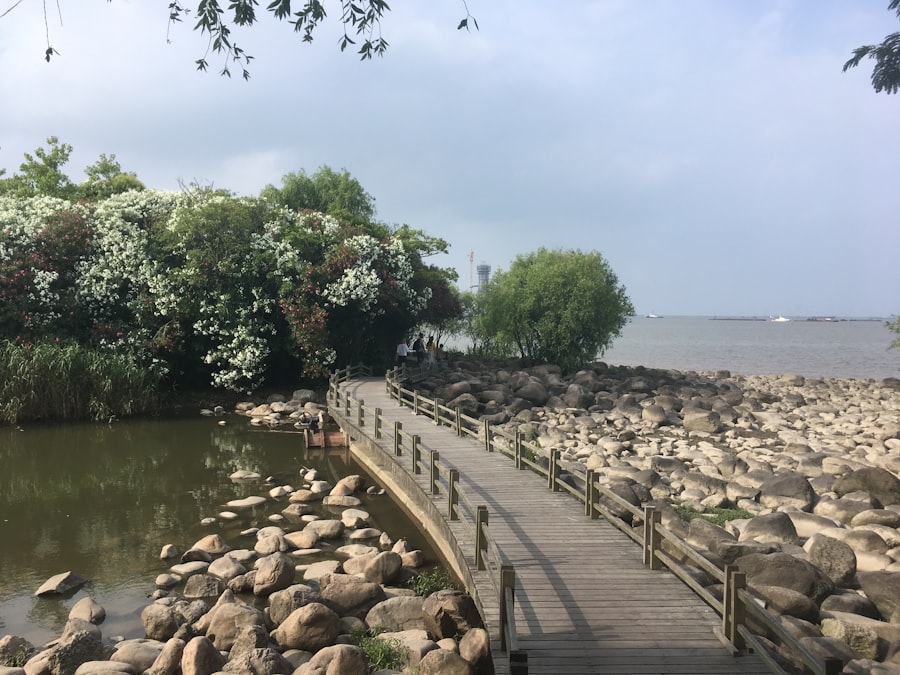
Placing a layer of large stones (riprap) or concrete armour units around the base of the abutment is a common method to dissipate flow energy and prevent erosion. The size and gradation of the riprap must be carefully selected based on the expected flow velocities and the underlying material.
Gabions and Mattresses
Wire mesh cages filled with rocks (gabions) or flexible mattresses can be used to form protective layers. These can conform to irregular riverbeds and provide a flexible yet robust form of protection against erosion.
Articulated Concrete Block Systems
These systems consist of interconnected concrete blocks that can provide a durable and flexible protective layer. They are designed to interlock and resist displacement by the flow, offering good protection against scour.
Sheet Pile Walls and Cut-off Walls
In some cases, sheet pile walls or concrete cut-off walls can be installed upstream or around the abutment to deflect flow away from the foundation or to prevent undermining. These are typically more intrusive and can alter the natural flow regime.
Hydraulic Scour Countermeasures
These measures aim to alter the flow dynamics around the abutment to reduce erosive forces.
Streamlining Abutment Geometry
Modifying the shape of the abutment to be more streamlined, such as rounding the corners or angling the faces, can reduce vortex formation and flow acceleration, thereby mitigating scour. This is often a design consideration for new bridges but can also be implemented as a retrofitting measure where feasible.
Flow Deflectors and Spurs
These structures are installed upstream of the abutment to redirect the flow away from it. Spurs are short projected structures built into the bank, while deflectors are more integrated with the abutment itself. Their effectiveness depends on precise design and placement.
Submerged Vanes
These are small, angled structures placed on the riverbed upstream of the abutment. They are designed to induce secondary currents that deflect the faster, erosive surface flow away from the abutment and direct slower currents towards it, thereby reducing scour.
Natural and Bioengineering Approaches
Utilizing natural processes and vegetation can offer sustainable scour protection.
Vegetation Establishment
Planting deep-rooted vegetation on the abutment slopes and surrounding banks can help stabilize the soil and resist erosion through its root systems and the protective cover it provides. This is often more effective in conjunction with other protective measures.
Engineered Wetlands and Bank Stabilization
In some contexts, creating engineered wetlands or employing other bioengineering techniques can help attenuate flow energy and promote sediment deposition, thus reducing scour. This approach is more applicable to less severe flow conditions.
The risk of scour at the approaches of the Yangtze River Bridge is a significant concern for engineers and environmentalists alike. A related article discusses various mitigation strategies that can be employed to address this issue effectively. For more insights on this topic, you can read the article on scour risk management techniques here. Understanding these strategies is crucial for ensuring the structural integrity and safety of vital infrastructure like the Yangtze River Bridge.
Long-Term Management and Maintenance
| Location | Scour Depth (m) | Scour Width (m) | Scour Length (m) |
|---|---|---|---|
| Yangtze River Bridge Approach A | 2.5 | 4.0 | 15.0 |
| Yangtze River Bridge Approach B | 3.0 | 3.5 | 12.0 |
| Yangtze River Bridge Approach C | 2.8 | 4.2 | 14.5 |
Effective scour mitigation is not a one-time event but an ongoing process of management and maintenance.
Regular Inspections and Maintenance Cycles
A proactive maintenance program that includes regular inspections of abutments and scour protection measures is essential. Early detection of minor erosion or damage allows for timely repairs, preventing more significant problems from developing.
Condition Assessment and Reporting
Establishing a standardized process for assessing the condition of scour protection can ensure consistency. This includes documenting any signs of wear, displacement, or damage to protective elements and reporting findings to relevant authorities.
Scheduled Repairs and Replacements
Based on the findings of inspections, a schedule for routine maintenance and targeted repairs should be developed. This could involve replenishing riprap, repairing gabions, or reseeding vegetation. Proactive replacement of deteriorating components is more cost-effective than dealing with catastrophic failure.
Adaptive Management Strategies
Recognizing the dynamic nature of river systems, a flexible and adaptive management approach is crucial.
Feedback Loops from Monitoring Data
The data collected from continuous monitoring systems should be fed back into the assessment of scour risk and the evaluation of the effectiveness of implemented mitigation measures. This allows for adjustments to be made as needed.
Reassessment of Mitigation Effectiveness
As hydrological regimes change and river morphology evolves, the effectiveness of existing scour protection measures may diminish. Periodic reassessment ensures that protection remains adequate for current conditions.
Integration with Broader River Management
Scour mitigation efforts should ideally be integrated with broader river management plans, considering factors such as sediment transport, flood control, and ecological impacts. This holistic approach can lead to more sustainable and effective solutions.
The persistent threat of approach scour on Yangtze River bridges necessitates a comprehensive and integrated approach to risk management. By understanding the intricate mechanics of scour, acknowledging the specific influencing factors of the Yangtze River, employing robust assessment and monitoring techniques, implementing appropriate mitigation strategies, and committing to long-term adaptive management, the safety and longevity of these vital infrastructure assets can be assured. The continuous evolution of engineering knowledge and technological advancements will undoubtedly contribute to further refinement of these strategies, ensuring the resilience of bridge infrastructure against the powerful forces of nature.
FAQs
What is the Yangtze River Bridge Approach Scour Risk?
The Yangtze River Bridge Approach Scour Risk refers to the potential erosion and removal of sediment around the bridge foundations due to the strong currents and water flow of the Yangtze River. This can weaken the bridge’s structural integrity and pose a risk to its stability.
Why is the Yangtze River Bridge Approach Scour Risk a concern?
The Yangtze River Bridge Approach Scour Risk is a concern because it can lead to the undermining of the bridge foundations, potentially causing structural damage and compromising the safety of the bridge. It is important to monitor and address this risk to ensure the continued safe operation of the bridge.
How is the Yangtze River Bridge Approach Scour Risk monitored and assessed?
The Yangtze River Bridge Approach Scour Risk is monitored and assessed using various techniques such as underwater inspections, sediment sampling, and hydrological modeling. These methods help to evaluate the extent of scour and determine the potential impact on the bridge’s stability.
What measures are taken to mitigate the Yangtze River Bridge Approach Scour Risk?
To mitigate the Yangtze River Bridge Approach Scour Risk, measures such as installing protective structures around the bridge foundations, implementing erosion control measures, and conducting regular maintenance and repairs are taken. These actions help to reduce the impact of scour and enhance the bridge’s resilience.
What are the potential consequences of neglecting the Yangtze River Bridge Approach Scour Risk?
Neglecting the Yangtze River Bridge Approach Scour Risk can lead to serious consequences such as structural damage, bridge failure, and the disruption of transportation and commerce. It is essential to address this risk to prevent potential disasters and ensure the long-term safety and functionality of the bridge.