This article explores the deliberate integration of elements designed to capture attention and divert focus within a parking lot environment. The intention here is not to endorse or condemn these practices, but to analyze their mechanisms and potential effects. Understanding these “distractions,” as they are termed, can provide insight into human behavior, traffic flow, and the design of public spaces.
Parking lots, often perceived as purely functional spaces, can be transformed into arenas of sensory experience through the calculated introduction of various stimuli. These elements act as signposts, drawing the eye and engaging the mind, sometimes subtly, sometimes overtly. The effectiveness of these stimuli often lies in their ability to disrupt the mundane, offering a moment of unexpected engagement.
Visual Intrigue
The visual landscape of a parking lot can be significantly altered from its typical expanse of asphalt and concrete.
Bold Color Schemes and Markings
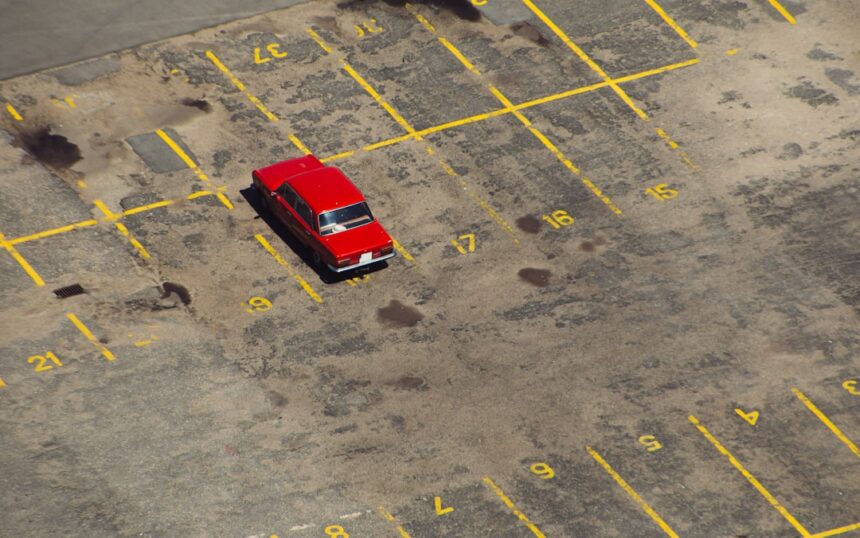
Beyond standard white lines, parking lots can incorporate brightly colored paint for parking spaces, directional arrows, or pedestrian walkways. These colors can range from high-visibility neons to more thematic palettes, creating a more dynamic and visually stimulating environment. The goal is to make certain areas stand out, guiding movement or highlighting specific zones. Think of it like a visual current in a river, subtly nudging the flow of traffic.
Artistic Installations and Sculptures
The inclusion of public art, such as sculptures or murals, can introduce focal points of interest. These can range from abstract forms to representational pieces, designed to spark curiosity and conversation. Their placement can be strategic, intended to draw attention away from less appealing areas or to create a sense of destination.
Dynamic Lighting Systems
Beyond basic illumination for safety, advanced lighting can be employed for aesthetic effect. This might include color-changing LEDs, projected patterns, or illuminated signage that shifts or animates. These systems can transform the atmosphere of a parking lot, especially during evening hours, making it more engaging and memorable.
Auditory Diversions
While often overlooked, sound plays a crucial role in shaping the perception of a space. In a parking lot, auditory elements can be introduced to break the silence or provide a backdrop.
Integrated Soundscapes
The subtle playback of ambient sounds, music, or even nature-inspired audio can be used to alter the mood. This can range from calming melodies in a shopping mall parking lot to more energetic beats in a entertainment venue. The objective is to create an auditory environment that complements the purpose of the parking area.
Interactive Sound Features
In some cases, areas might be equipped with interactive sound elements. This could involve motion-activated sounds, or stations where visitors can trigger specific audio responses. These elements serve to make the parking lot experience more playful and engaging, turning a passive space into an active one.
Informative Audio Announcements
While primarily functional, public address systems can also be used to introduce engaging announcements. These might include event promotions, interesting facts about the location, or even short, humorous interludes. The key is to make these announcements more than just utilitarian messages.
In exploring effective strategies for managing distractions, a related article can be found at In the War Room, which discusses how to utilize a parking lot technique. This method involves setting aside a designated space—metaphorically like a parking lot—where you can jot down distracting thoughts or tasks that arise during a meeting or focused work session. By doing so, you can clear your mind and maintain concentration on the current agenda, while ensuring that important ideas are not forgotten.
The Psychology of Interruption and Engagement
The effectiveness of parking lot distractions lies in their ability to momentarily hijack our attention. This can be understood through principles of cognitive psychology, where novelty and emotion play significant roles.
Novelty and Surprise
Human brains are hardwired to notice what is new or unexpected. A sudden splash of color, an unusual sound, or a striking visual element can break through the routine of navigating a parking lot. This element of surprise can make the space feel more alive and engaging. Consider the way a flash of a bright feather catches your eye in a monochrome landscape; the parking lot distraction operates on a similar principle.
Emotional Resonance
Distractions that evoke emotions, whether positive or negative, tend to be more memorable. Art that stirs contemplation, music that induces joy, or even a well-placed humorous sign can leave a lasting impression. These emotional connections can transform a utilitarian space into a place with character.
Cognitive Load Management
While it might seem counterintuitive, well-implemented distractions can sometimes help manage cognitive load. By providing clear, engaging visual cues, they can reduce the mental effort required to navigate or understand the environment. This is particularly relevant in large or complex parking structures.
The Gamification of Navigation
Certain distractions can introduce a playful element to the act of finding a parking spot or navigating the lot. This might involve themed zones, hidden visual clues, or even opportunities for passive interaction. This can make an otherwise tedious task feel more like a mild challenge or a game.
Designing for Enhanced Experience

The deliberate introduction of distractions is not merely about adding ornamentation; it can be a tool for improving the overall user experience within a parking lot.
Enhancing Wayfinding and Navigation
When integrated thoughtfully, distractions can significantly improve how people find their way.
Thematic Zoning
Designating different sections of a parking lot with distinct visual themes can aid in orientation. For example, one area might be adorned with horticultural motifs, another with geometric patterns. These themes act as memorable landmarks, making it easier for individuals to recall where they parked.
Highlighted Entrances and Exits
Using prominent visual cues, such as illuminated archways or distinctive pavement designs, can clearly delineate entrances and exits. This reduces confusion and potential backtracking, streamlining the flow of vehicles.
Interactive Digital Signage
Beyond static signs, dynamic digital displays can provide real-time information on available parking, directions, or even local events. These can be designed to be visually engaging, capturing attention without being overwhelming.
Creating a Sense of Place and Identity
Parking lots are often generic. Distractions can imbue them with personality.
Branding and Thematic Consistency
For businesses, parking lot design can be an extension of their brand. Consistent use of color palettes, logos, or thematic elements can reinforce brand identity and create a cohesive experience from the moment a visitor arrives.
Cultural or Local Relevance
Incorporating artistic elements or design motifs that reflect the local culture or history can make a parking lot feel more connected to its surroundings. This can foster a sense of pride and belonging for those who frequent the area.
Creating Memorable Landmarks
Unusual or striking features can act as memorable landmarks, helping individuals orient themselves and recall their location. This can be anything from a particularly distinctive tree to a uniquely designed shelter.
Promoting Safety and Awareness
The primary function of a parking lot is safety, and certain distractions can subtly enhance it.
Pedestrian Zone Delineation
Brightly colored, highly visible markings or even embedded lighting can clearly separate pedestrian walkways from vehicle traffic lanes, reducing the risk of accidents.
Illuminated Key Areas
Strategically placed and visually interesting lighting can draw attention to potentially hazardous areas, such as uneven surfaces or blind corners, making drivers and pedestrians more aware.
Encouraging Slower Speeds
Visually stimulating environments, perhaps with varied textures or gentle curves, can subtly encourage drivers to reduce their speed, promoting a safer atmosphere. It’s like a visual speed bump, but much more sophisticated.
Potential Downsides and Considerations
While the deliberate introduction of distractions can offer benefits, it’s crucial to acknowledge potential drawbacks and ethical considerations.
Over-Stimulation and Cognitive Overload
The line between engaging and overwhelming is thin. Excessive or poorly implemented distractions can lead to sensory overload, making navigation more difficult and causing stress for some individuals. If a parking lot feels like a chaotic circus, its intended function is undermined.
Safety Hazards in Disguise
Distractions that are too compelling might draw attention away from actual safety hazards. A visually stunning sculpture, for instance, could inadvertently distract a driver from an oncoming vehicle or a pedestrian crossing.
Accessibility Concerns
Some visual or auditory distractions might pose challenges for individuals with certain disabilities. For example, flashing lights could be problematic for those with photosensitive epilepsy, and complex audio environments might be disorienting for individuals with hearing impairments. Careful design and consideration of diverse needs are paramount.
Vandalism and Maintenance
More elaborate or artistically integrated distractions may be more susceptible to vandalism, requiring ongoing maintenance and incurring additional costs. The longevity and robustness of any implemented elements should be a key consideration.
Unintended Consequences and Misinterpretation
The intended meaning or impact of a distraction might not always be universally understood. What one person finds charming, another might find irritating or confusing. The subjective nature of perception means that a distraction’s effectiveness can vary significantly.
If you’re looking for effective ways to manage distractions in your daily life, you might find it helpful to explore how a parking lot technique can be utilized. This method allows you to jot down distracting thoughts or tasks that come to mind during a meeting or focused work session, enabling you to set them aside temporarily. For more insights on this approach, check out this related article on effective distraction management strategies at this link. By implementing such techniques, you can enhance your productivity and maintain better focus on the task at hand.
Case Studies and Examples
| Distraction Method | Description | Effectiveness | Safety Considerations |
|---|---|---|---|
| Visual Distractions | Using bright lights, signs, or moving objects to divert attention. | Moderate | Ensure lights do not blind drivers or pedestrians. |
| Sound Distractions | Playing music, alarms, or other sounds to capture attention. | High | Keep volume at safe levels to avoid startling drivers. |
| Physical Barriers | Placing cones or temporary barriers to redirect traffic flow. | High | Use reflective materials and clear signage to prevent accidents. |
| Interactive Activities | Setting up games or events to engage people in the parking lot. | Moderate | Ensure activities do not obstruct emergency routes. |
| Vehicle Movement | Using slow-moving vehicles or demonstrations to attract attention. | Low to Moderate | Maintain safe speeds and clear communication with drivers. |
To illustrate these concepts, examining real-world examples provides valuable context.
Retail and Entertainment Venues
Shopping malls and entertainment complexes often employ a range of distractions to create an inviting atmosphere and guide visitors.
Mall of America’s Interior Design
The Mall of America, for example, features a theme park within its structure, but in its general circulation areas, it utilizes varied architectural elements, abundant natural light, and strategically placed seating areas that can be considered distractions from the purely commercial aspect. The intentional design aims to encourage lingering and exploration.
Stadium Parking Lot Theming
Sports stadiums frequently theme their parking lots according to team colors or mascots. This can include painted lines in team colors, large banners, and even themed food vendors in designated areas. This creates a festive atmosphere before and after events, enhancing the fan experience.
Public Transportation Hubs
Major transportation hubs often use visual cues to help travelers navigate complex environments.
Airport Terminal Design
Airports often use a combination of dynamic digital signage, distinct architectural features associated with different terminals, and even subtle ambient music to guide passengers. The goal is to reduce stress and make the navigation process smoother, even if it involves bright screens and a constant stream of information.
Train Station Murals and Sculptures
Many urban train stations incorporate public art, such as large-scale murals or sculptures, in their concourses. These can serve as recognizable meeting points and add visual interest to what could otherwise be a sterile environment. They act as anchors in a sea of movement.
Urban Planning and Smart City Initiatives
Forward-thinking urban planning is beginning to view parking lots not just as repositories for vehicles but as integral parts of the urban fabric.
Interactive Public Spaces
Some modern design projects are integrating interactive elements into public spaces, including parking areas. This might involve responsive lighting that changes based on pedestrian presence or even augmented reality overlays accessible via smartphone, turning the area into a canvas for digital interaction.
Green Infrastructure Integration
The incorporation of green spaces, such as bioswales or vertical gardens, within or adjacent to parking lots can serve as both an environmental mitigation and a visual distraction, breaking up the monotony of concrete and asphalt. These elements offer a visual and even auditory respite through the rustling of leaves.
In conclusion, the deliberate introduction of elements that capture attention within a parking lot is a multifaceted approach. It can be employed to enhance navigation, create a sense of place, and even improve safety. However, careful consideration of potential downsides, such as over-stimulation and accessibility, is crucial for successful and responsible implementation. The parking lot, often viewed as a blank canvas, offers fertile ground for creative and functional design interventions.
WATCH NOW ▶️ STOP Your Mental Drain: The 24-Hour Decision Reset
FAQs
What are common distractions found in a parking lot?
Common distractions in a parking lot include other vehicles moving unpredictably, pedestrians walking between cars, shopping carts left in driving lanes, and environmental factors such as poor lighting or weather conditions.
How can a parking lot be used to practice driving skills?
A parking lot provides a controlled environment where drivers can practice maneuvers like parking, reversing, and navigating tight spaces without heavy traffic, helping to improve focus and reduce distractions in real driving situations.
Why is it important to stay alert in a parking lot?
Staying alert in a parking lot is crucial because of the high potential for sudden movements by pedestrians, other vehicles, and obstacles, which can lead to accidents if a driver is distracted or inattentive.
What strategies can help minimize distractions while driving in a parking lot?
Strategies include turning off mobile devices, avoiding eating or drinking while driving, keeping windows clear for better visibility, and scanning the area continuously to anticipate the actions of others.
Can parking lots be used for driver distraction training?
Yes, parking lots are often used in driver education to simulate distractions in a safe setting, allowing learners to practice maintaining focus and managing distractions before driving in more complex environments.