
Vessel convoy formation is a maritime operational strategy where multiple ships travel together in a coordinated arrangement. This practice originated in naval warfare, where vessels grouped together to provide mutual protection against enemy forces. The fundamental principle of convoy formation centers on collective security and operational efficiency, enabling ships to pool resources, strengthen defensive capabilities, and optimize navigation procedures.
Operating as a unified group allows vessels to discourage potential threats and coordinate responses to emergency situations more effectively. Contemporary vessel convoy formation extends beyond military applications to include commercial shipping operations and humanitarian missions. The implementation of convoy formation requires systematic planning and precise execution, considering factors such as vessel specifications, cargo types, and mission parameters.
Knowledge of convoy formation principles is essential for maritime professionals, as it establishes the foundation for effective operational coordination and mission success.
Key Takeaways
- Vessel convoy formation enhances safety and operational efficiency during maritime navigation.
- Effective communication and coordination are critical for successful convoy maneuvers.
- Various convoy formation types are chosen based on environmental and tactical factors.
- Training and drills are essential to prepare crews for real-world convoy challenges.
- Future convoy tactics will likely integrate advanced technology and adaptive strategies.
Importance of Convoy Formation Tactics
The significance of convoy formation tactics cannot be overstated, particularly in an era where maritime security is increasingly challenged by piracy, terrorism, and geopolitical tensions. By traveling in groups, vessels can significantly reduce their vulnerability to attacks. The presence of multiple ships creates a formidable barrier against potential aggressors, who may think twice before targeting a well-armed convoy.
This deterrent effect is a primary reason why convoy tactics remain relevant today. Moreover, convoy formation enhances logistical efficiency. When vessels operate together, they can streamline their routes, share navigational data, and optimize fuel consumption.
This collaborative approach not only saves time but also reduces operational costs.
Thus, the importance of convoy formation extends beyond mere protection; it encompasses economic and humanitarian considerations as well.
Types of Vessel Convoy Formations
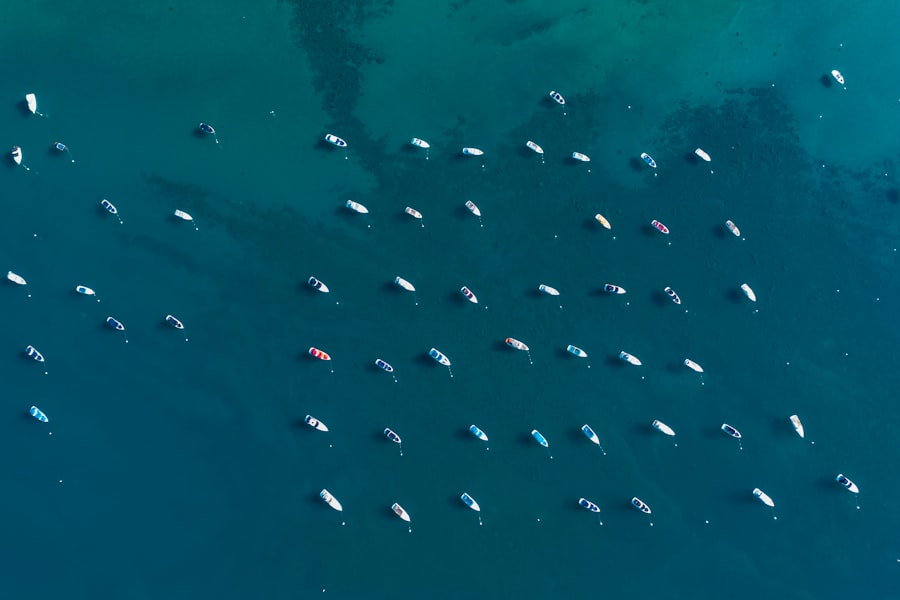
There are several types of vessel convoy formations, each designed to meet specific operational needs and conditions. The most common formations include line abreast, column, and echelon formations. The line abreast formation involves vessels positioned side by side, maximizing visibility and allowing for quick communication between ships.
This formation is particularly effective in scenarios where maintaining a broad front is essential for defense or when navigating through narrow channels. The column formation, on the other hand, arranges vessels in a single file. This setup is advantageous for maintaining a clear path through congested waters and is often used during transit through high-risk areas.
Echelon formations provide a balance between the two, allowing vessels to cover more area while still maintaining a degree of protection from flanking attacks. Each formation type has its own advantages and disadvantages, making it crucial for maritime leaders to select the most appropriate configuration based on the mission’s objectives and environmental conditions.
Factors to Consider in Convoy Formation
When planning a vessel convoy formation, several critical factors must be taken into account to ensure operational success. One of the foremost considerations is the type of vessels involved in the convoy. Different ships have varying capabilities in terms of speed, maneuverability, and cargo capacity.
Understanding these differences allows for better coordination and ensures that the convoy operates as a cohesive unit. Another important factor is the environmental conditions that may affect navigation and safety. Weather patterns, sea state, and visibility can all impact the effectiveness of a convoy formation.
For instance, adverse weather conditions may necessitate adjustments to the formation to maintain safety and efficiency. Additionally, the threat landscape must be assessed; understanding potential risks such as piracy hotspots or hostile territories can inform strategic decisions regarding route selection and formation type.
Communication and Coordination in Convoy Formation
| Formation Type | Typical Number of Vessels | Purpose | Advantages | Disadvantages | Common Usage Scenario |
|---|---|---|---|---|---|
| Line Abreast | 3-5 | Maximize forward sensor coverage | Wide area coverage, early threat detection | Vulnerable to flanking attacks | Anti-submarine patrols, mine detection |
| Column Formation | 4-8 | Efficient navigation through narrow channels | Easy command and control, reduced wake interference | Limited lateral coverage, vulnerable to frontal attacks | Transit through straits or confined waters |
| Diamond Formation | 5-7 | Balanced defense and offense | Good all-around protection, flexible maneuvering | Complex coordination required | Convoy escort in contested waters |
| Wedge Formation | 3-6 | Penetrate enemy lines or break through blockades | Concentrated firepower forward, strong offensive posture | Exposed flanks, requires high skill | Offensive naval operations |
| Box Formation | 6-10 | Maximize defense against air and surface threats | 360-degree protection, overlapping fields of fire | Reduced speed and maneuverability | High-threat convoy escort |
Effective communication and coordination are paramount in ensuring the success of vessel convoy formations.
Utilizing advanced communication technologies such as satellite systems and secure radio channels enhances situational awareness and allows for swift decision-making.
Coordination extends beyond mere communication; it involves establishing protocols for maneuvering and responding to emergencies. Each vessel must be aware of its role within the convoy and how it contributes to the overall mission objectives. Regular briefings before departure can help clarify these roles and ensure that all crew members are prepared for their responsibilities during the operation.
Maneuvering and Navigation Techniques
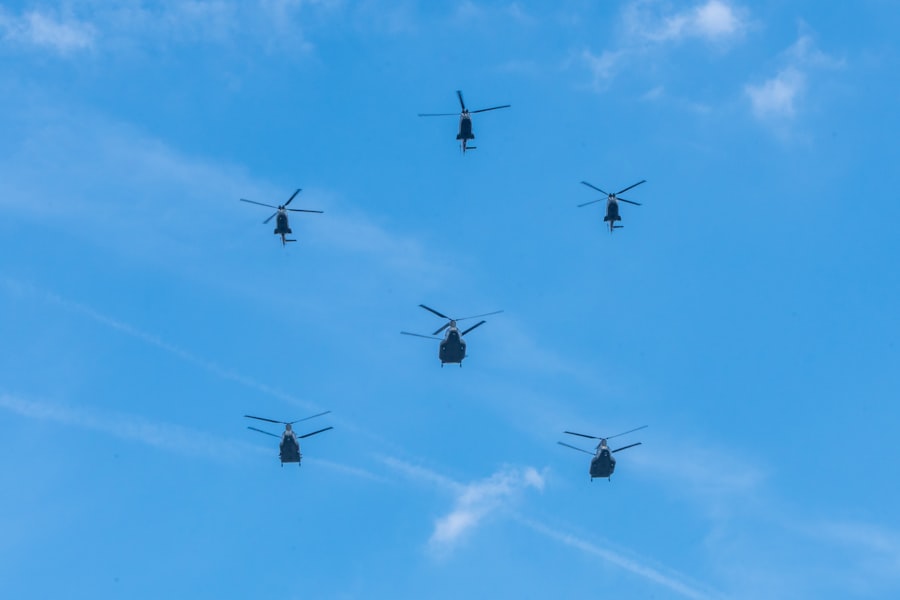
Maneuvering within a convoy requires a unique set of navigation techniques that differ from solo operations. The ability to maintain formation while adapting to changing conditions is essential for success. Vessels must be adept at adjusting their speed and course in response to the movements of other ships within the convoy.
This requires a high level of skill from navigators and crew members alike. Additionally, understanding maritime navigation principles is crucial when operating in close proximity to other vessels. Techniques such as maintaining safe distances, using visual signals for communication, and employing radar systems for collision avoidance are vital components of successful maneuvering within a convoy.
Training in these techniques ensures that crew members are prepared to handle various scenarios that may arise during transit.
Dealing with Environmental Challenges
Environmental challenges pose significant risks to vessel convoy formations, necessitating proactive strategies to mitigate their impact. Weather conditions such as storms, fog, or high seas can disrupt navigation and threaten the safety of the convoy. To address these challenges, maritime professionals must stay informed about weather forecasts and be prepared to alter routes or formations as needed.
In addition to weather-related challenges, environmental factors such as currents and tides can affect vessel performance. Understanding local maritime conditions allows crews to anticipate potential issues and make informed decisions regarding speed and course adjustments. By incorporating environmental considerations into their planning processes, maritime leaders can enhance the resilience of their convoy formations against unpredictable challenges.
Defense and Security Strategies
The security of vessel convoy formations is paramount in today’s maritime landscape, where threats from piracy and terrorism are ever-present. Implementing robust defense strategies is essential for safeguarding both personnel and cargo during transit. One effective approach involves conducting thorough risk assessments prior to embarking on a mission; this helps identify potential threats and informs the development of appropriate security measures.
In addition to risk assessments, employing physical security measures such as armed escorts or surveillance systems can deter potential attackers. Training crew members in emergency response protocols further enhances security by ensuring that all personnel are prepared to react swiftly in the event of an incident. By prioritizing defense strategies within convoy formations, maritime operators can significantly reduce vulnerabilities and enhance overall mission success.
Training and Drills for Convoy Formation
Training plays a critical role in ensuring that crew members are equipped with the skills necessary for effective convoy operations. Regular drills focused on maneuvering within a convoy setting help reinforce communication protocols and navigation techniques among crew members. These exercises allow teams to practice responding to various scenarios that may arise during actual missions.
Moreover, training should encompass both technical skills and situational awareness. Crew members must be familiar with their specific roles within the convoy while also understanding how their actions impact the overall operation. By fostering a culture of preparedness through continuous training and drills, maritime organizations can enhance their operational effectiveness and ensure that personnel are ready to face any challenges that may arise during transit.
Case Studies of Successful Convoy Formations
Examining case studies of successful vessel convoy formations provides valuable insights into best practices and lessons learned from past operations. One notable example is the Allied naval convoys during World War II, which effectively transported troops and supplies across treacherous waters while minimizing losses from enemy attacks. These operations highlighted the importance of coordination, communication, and strategic planning in achieving mission objectives.
Another example can be found in modern commercial shipping practices where companies have successfully implemented convoy formations to enhance security against piracy threats in regions such as the Gulf of Aden. By analyzing these case studies, maritime professionals can glean important strategies that can be adapted to contemporary operations, ultimately improving safety and efficiency in vessel convoy formations.
Future Developments in Convoy Formation Tactics
As technology continues to evolve, so too will the tactics employed in vessel convoy formations. Innovations such as autonomous vessels and advanced navigation systems hold the potential to revolutionize how convoys operate in the future. These developments could lead to increased efficiency in maneuvering while reducing human error during critical operations.
Furthermore, advancements in communication technologies will likely enhance real-time coordination among vessels within a convoy. The integration of artificial intelligence into navigation systems may also provide valuable insights into optimal routing based on environmental conditions and threat assessments. As these technologies develop, maritime professionals must remain adaptable and open to incorporating new strategies into their operational frameworks to ensure continued success in vessel convoy formations.
In conclusion, vessel convoy formation remains a vital aspect of maritime operations across various sectors. Understanding its principles, importance, types, factors influencing its effectiveness, communication strategies, maneuvering techniques, environmental challenges, defense strategies, training requirements, successful case studies, and future developments will equip maritime professionals with the knowledge necessary for successful operations in an increasingly complex maritime environment.
In the study of vessel convoy formation tactics, understanding the historical context and strategic implications is crucial. A related article that delves into these tactics can be found on In The War Room, which provides insights into the evolution of naval strategies and their application in modern warfare. For more information, you can read the article [here](https://www.inthewarroom.com/).
WATCH THIS! 🌊 The Invisible Army That Controls Global Shipping
FAQs
What is vessel convoy formation?
Vessel convoy formation refers to the organized arrangement of multiple ships traveling together in a coordinated group to enhance safety, security, and operational efficiency.
Why are convoy formations used in maritime operations?
Convoy formations are used to protect vessels from threats such as piracy, enemy attacks, or hazardous sea conditions, and to improve navigation and communication among ships.
What are common types of convoy formations?
Common convoy formations include line ahead, line abreast, echelon, and column formations, each chosen based on tactical requirements and environmental conditions.
How do vessels maintain formation during a convoy?
Ships maintain formation through constant communication, use of navigation aids like radar and GPS, and adherence to pre-established speed and course instructions.
What factors influence the choice of convoy formation?
Factors include the number and type of vessels, threat level, sea state, visibility, mission objectives, and available escort or support ships.
What role do escort vessels play in convoy formations?
Escort vessels provide protection, surveillance, and quick response capabilities to defend the convoy against potential threats and assist in navigation.
Are convoy formations used only in military operations?
No, convoy formations are used in both military and civilian maritime operations, including commercial shipping, humanitarian aid delivery, and scientific expeditions.
How do convoy formations improve maritime security?
By grouping vessels together with coordinated defense measures and escorts, convoy formations reduce the risk of individual ship attacks and improve overall situational awareness.
Can convoy formations adapt to changing conditions?
Yes, convoy formations are flexible and can be adjusted in response to changes in weather, threat levels, or operational requirements.
What technologies assist in managing vessel convoy formations?
Technologies such as AIS (Automatic Identification System), radar, satellite communication, and real-time data sharing platforms assist in maintaining and managing convoy formations.