You stand on the precipice of maritime power, the vast expanse of the ocean your domain. To achieve naval dominance, you must move beyond mere fleet management and embrace the art and science of naval strategy. This isn’t about simply deploying ships; it’s about orchestrating them, a symphony of steel and sea, to achieve your geopolitical objectives. Mastering naval strategy is the bedrock upon which your nation’s influence will be built, a crucial element in securing prosperity and projecting authority in an interconnected world.
Your understanding of the world’s waterways is the compass that guides your strategic decisions. The oceans are not just bodies of water; they are arteries of global commerce, lifelines of communication, and formidable barriers that can be turned into avenues of power. Ignorance of this landscape is akin to sailing blindfolded, susceptible to unseen currents and unexpected shoals.
The Geography of Power: Seas and Chokepoints
You must first map your strategic environment. This involves a deep appreciation for the geography of the global commons. Identify key maritime regions, their resource potential, and their inherent strategic value. Understand the significance of chokepoints like the Strait of Hormuz, the Suez Canal, and the Strait of Malacca. These narrow passages, like the bottleneck of a champagne bottle, concentrate maritime traffic and present both opportunities for control and vulnerabilities to disruption. Controlling or influencing these points grants you leverage over global trade and military movements.
The Pillars of Maritime Trade: Sea Lines of Communication (SLOCs)
Your nation’s economic vitality and indeed its survival often depend on the uninterrupted flow of goods across the seas. These Sea Lines of Communication (SLOCs) are the highways of the global economy. Protecting them is paramount. Every ton of oil, every container of manufactured goods, relies on these invisible pathways. Your strategy must ensure the security of these SLOCs, both for your own economic interests and to deny adversaries the ability to sever them.
The Geopolitical Currents: Alliances and Rivalries
The maritime realm is not a solitary arena. You operate within a complex web of alliances and rivalries. Understanding the naval capabilities, intentions, and historical relationships of other nations is crucial. Are potential allies willing to share the burden of maritime security? Are potential adversaries seeking to challenge your influence? These geopolitical currents will shape the strategic choices you face.
Naval strategy plays a crucial role in modern warfare, influencing the balance of power on the seas and shaping geopolitical dynamics. For an in-depth exploration of contemporary naval strategies and their implications, you can refer to a related article on this topic at In The War Room. This resource provides valuable insights into the evolving nature of naval operations and the strategic considerations that govern them.
The Evolution of Naval Power: From Sails to Submarines
Naval strategy has not remained static; it has evolved in lockstep with technological advancement. You cannot afford to cling to outdated doctrines when the tools of warfare have transformed. A historical perspective reveals the cyclical nature of naval innovation and its impact on strategic thinking.
The Age of Sail: Mahan and the Foundations of Sea Power
You should study the works of Alfred Thayer Mahan, whose treatise The Influence of Sea Power Upon History, 1660-1783 remains a cornerstone of naval strategy. Mahan emphasized the importance of a large, modern navy, access to naval bases, and the ability to project power across oceans. His ideas laid the groundwork for the naval buildups of the late 19th and early 20th centuries, demonstrating that naval strength was intrinsically linked to national prosperity and global influence.
The Era of Dreadnoughts and Carrier Aviation
The advent of the dreadnought battleship revolutionized naval warfare, ushering in an era where size and firepower were paramount. However, this dominance was soon challenged by the rise of naval aviation. Aircraft carriers, initially viewed with skepticism, proved to be potent force multipliers, capable of projecting air power far from shore. Your strategy must account for the shift from gunnery duels to carrier-based air superiority.
The Submerged Threat: The Rise of Submarine Warfare
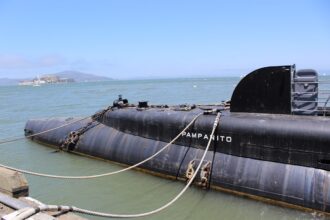
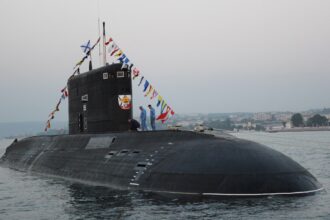
The silent hunter of the deep, the submarine, presents a unique and persistent challenge. Its ability to operate undetected and strike with devastating effect has forced a continuous evolution in anti-submarine warfare doctrines and technologies. You must grapple with the strategic implications of a submarine-dominated battlespace, where visibility is limited and threat detection is paramount.
The Digital Ocean: Information Warfare and Cyber Capabilities
Today, the strategic landscape extends beyond the physical realm into the digital ether. Information warfare, cyber attacks, and electronic countermeasures are now integral components of naval operations. You must consider how to protect your own networks and how to disrupt those of your adversaries. This “digital ocean” can be as decisive as any physical engagement.
Crafting Your Strategic Objectives: Defining Success
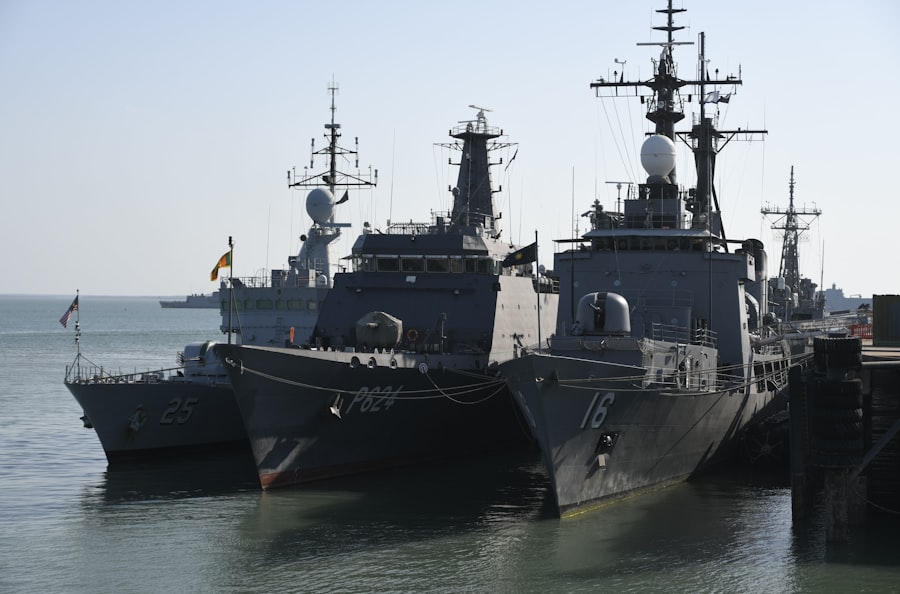
Without clear objectives, your naval strategy will drift aimlessly, like a ship without a rudder. You must define what success looks like, not in vague terms, but in concrete, achievable goals that align with your nation’s overarching foreign policy and security interests.
Deterrence by Denial and Diplomacy
Your fleet can serve as a powerful instrument of deterrence. Deterrence by denial aims to convince a potential adversary that any attack would be unsuccessful due to your overwhelming capabilities. Deterrence by diplomacy involves using your naval presence to signal resolve and de-escalate tensions. You must understand the nuances of both to proactively prevent conflict rather than reactively responding to it.
Power Projection and Crisis Response
At times, you will need to project power beyond your borders. This could involve responding to humanitarian crises, enforcing international law, or supporting allies. Your naval forces are uniquely positioned for such tasks, capable of rapid deployment and sustained presence. Your strategy must outline how you will utilize your navy for these essential roles.
Freedom of Navigation and Trade Protection
Ensuring the free and unhindered passage of vessels across the seas is vital for global stability and economic prosperity. Your naval strategy must include provisions for asserting and protecting freedom of navigation, particularly in international waters and contested areas. Safeguarding your own trade routes and those of your allies is a fundamental responsibility.
Shaping the Maritime Environment
Your influence can extend to shaping the global maritime environment itself. This can involve participating in joint exercises with allies, promoting maritime security initiatives, and contributing to the development of international maritime law. Your strategy should consider how you can actively contribute to a more secure and stable maritime order.
The Pillars of Naval Strategy: Components of Your Blueprint
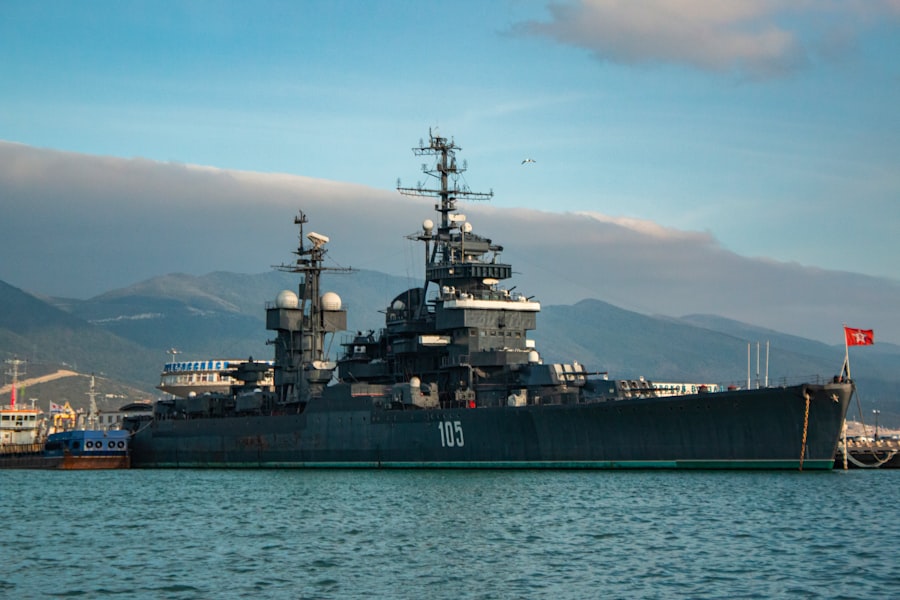
A robust naval strategy is built upon several interconnected pillars, each requiring careful consideration and development. These are the foundations upon which your operational plans will rest.
Fleet Composition and Modernization
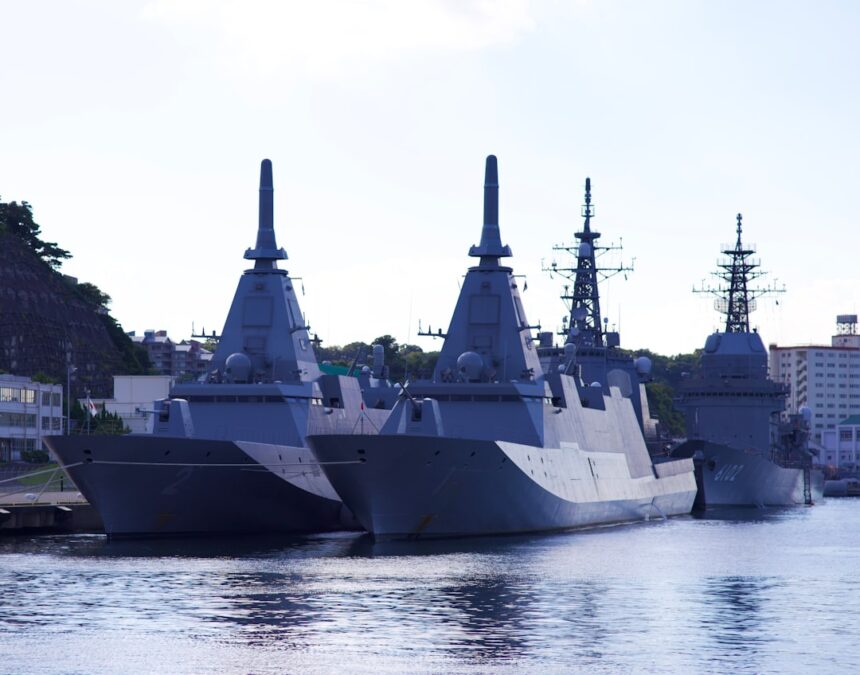
The ships, aircraft, and submarines that comprise your fleet are your primary tools. You must meticulously plan their composition, ensuring a balance of capabilities to meet a diverse range of threats. Continuous modernization is not a luxury; it is a necessity. Technological advancements can render even the most formidable fleet obsolete if it is not regularly updated and improved. Your decisions on shipbuilding programs and technological acquisition will have long-term strategic implications.
Naval Bases and Logistical Support
Your fleet cannot operate effectively without a network of secure naval bases and robust logistical support. These bases are the lungs of your navy, providing essential repair, resupply, and operational hubs. The ability to sustain operations at long distances requires meticulous planning of fuel, ammunition, and personnel supply chains. Denying adversaries access to their bases and reinforcing your own is a critical strategic consideration.
Readiness and Training
Even the most advanced fleet is useless without highly trained crews. Your strategy must prioritize continuous, rigorous training and exercises to ensure your personnel are proficient in operating their equipment and executing complex maneuvers. Maintaining a high state of readiness means that your forces can be deployed and engaged effectively when called upon, without delay.
###Doctrine and Innovation
Naval doctrine is the set of fundamental principles that guide the conduct of naval warfare. It must be adaptable, evolving to incorporate new technologies and emerging threats. You should foster a culture of innovation within your navy, encouraging the exploration of new tactics, strategies, and technologies. The ability to adapt and innovate is a hallmark of successful naval powers.
Naval strategy has always played a crucial role in shaping the outcomes of conflicts throughout history, and understanding its evolution can provide valuable insights for contemporary military planning. For those interested in exploring this topic further, a related article discusses the implications of modern naval tactics and their impact on global security. You can read more about it in this insightful piece on naval strategy. This examination highlights the importance of adapting to new technologies and geopolitical shifts in order to maintain maritime dominance.
The Tools of Your Trade: Naval Operations and Warfare
| Metric | Description | Example Value | Unit |
|---|---|---|---|
| Fleet Size | Number of active naval vessels in a fleet | 150 | Ships |
| Aircraft Carriers | Number of aircraft carriers available for power projection | 11 | Ships |
| Submarine Count | Number of operational submarines for stealth and attack | 70 | Submarines |
| Naval Aviation Strength | Number of naval aircraft for air superiority and reconnaissance | 500 | Aircraft |
| Range of Naval Missiles | Maximum effective range of ship-launched missiles | 1500 | Kilometers |
| Patrol Area Coverage | Area covered by naval patrols for maritime security | 2,000,000 | Square Kilometers |
| Response Time | Average time to deploy naval forces to a crisis area | 48 | Hours |
| Logistics Support Capacity | Number of supply ships and support vessels | 30 | Ships |
| Electronic Warfare Capability | Level of electronic warfare systems onboard | Advanced | Qualitative |
| Naval Base Locations | Number of strategic naval bases worldwide | 15 | Bases |
Ultimately, your strategy will be put into practice through naval operations and, if necessary, warfare. Understanding the spectrum of available tools and how to employ them effectively is paramount.
Sea Control and Sea Denial
The fundamental aim of naval strategy is often the achievement of sea control or sea denial. Sea control means possessing the ability to operate your own forces freely in a given maritime area while denying that same freedom to an adversary. Sea denial, on the other hand, focuses on preventing an adversary from operating in a particular area, even if you do not have total control yourself. Your strategy will dictate which of these you prioritize and in which theaters.
Amphibious Operations and Expeditionary Warfare
Your navy’s ability to deploy ground forces onto hostile shores is a critical aspect of expeditionary warfare. Amphibious operations require intricate coordination between naval and ground forces, demonstrating your capacity to project power inland. This capability extends your strategic reach far beyond the coastline.
Blockade and Interdiction
Blockades, historically a potent tool of naval power, aim to prevent the ingress and egress of vessels into or out of a specific port or area. Interdiction, a more targeted form, involves intercepting and inspecting vessels suspected of carrying illicit cargo or violating sanctions. These operations require precision, intelligence, and a clear understanding of international law.
Diplomatic Missions and Presence Operations
Your navy can also serve as a powerful instrument of diplomacy. By maintaining a visible presence in key regions, you can signal your nation’s commitment to regional stability, reassure allies, and deter potential aggressors. These “presence operations” communicate strategic intent without the overt use of force.
Mastering naval strategy is a continuous journey, not a destination. The seas are dynamic, and the challenges you face will evolve. By understanding the landscape, embracing innovation, defining clear objectives, and building a robust framework for your naval forces, you can secure your nation’s prosperity and project its influence across the global maritime commons. Your command of the seas will be a testament to your foresight and strategic acumen.
WATCH NOW▶️ Cold War naval operations
FAQs
What is naval strategy?
Naval strategy refers to the planning and conduct of war at sea. It involves the deployment and maneuvering of naval forces to achieve specific military objectives, such as controlling sea lanes, blockading enemy ports, or supporting land operations.
Why is naval strategy important in modern warfare?
Naval strategy is crucial because control of the seas can influence the outcome of conflicts by securing supply routes, projecting power, and restricting enemy movements. It also plays a key role in deterrence and maintaining national security.
What are the main components of naval strategy?
The main components include fleet composition and deployment, maritime reconnaissance, logistics and supply, command and control, and the integration of naval operations with other military branches.
How has naval strategy evolved over time?
Naval strategy has evolved from ancient tactics focused on ship-to-ship combat to modern approaches that incorporate air power, submarines, missile technology, and cyber warfare, reflecting changes in technology and geopolitical dynamics.
What are some famous historical examples of naval strategy?
Notable examples include the Battle of Trafalgar (1805), where British naval strategy secured dominance over the French and Spanish fleets, and the Pacific campaigns of World War II, which showcased the strategic use of aircraft carriers and submarine warfare.