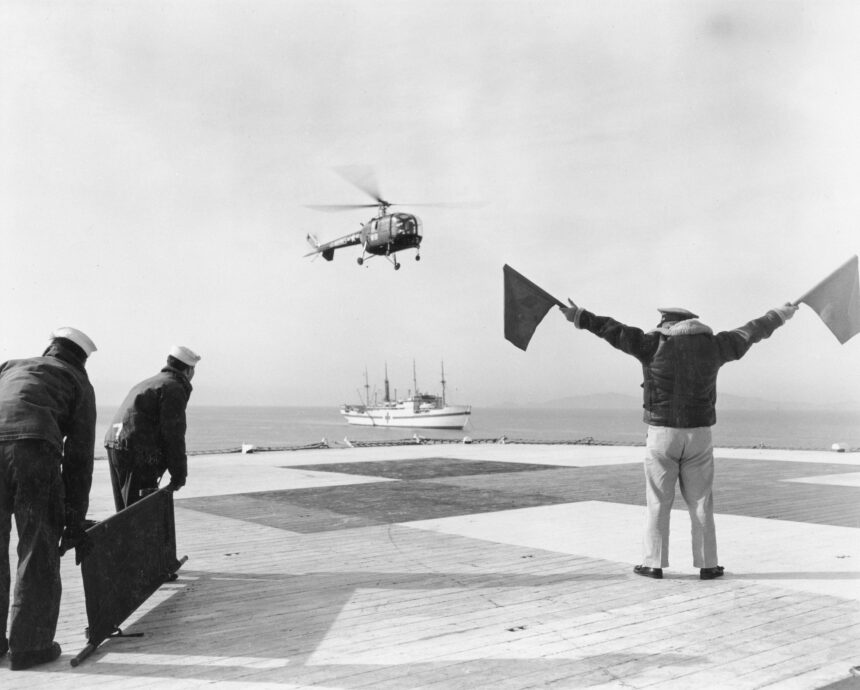
Naval strategy, the art and science of employing naval forces to achieve national objectives in the maritime domain, is a cornerstone of global security and economic prosperity. Its mastery is not merely about possessing a formidable fleet; it is about the intricate weaving of doctrine, technology, training, and logistical support to project power, deter aggression, and maintain freedom of navigation across the world’s oceans. Enhancing capability at sea is a continuous and complex endeavor, demanding foresight, adaptability, and a deep understanding of the evolving geopolitical landscape and technological advancements. This article delves into the multifaceted aspects of mastering naval strategy, exploring the key determinants of maritime superiority and how nations can effectively bolster their capabilities to navigate the rising tides of global challenges.
At its core, naval strategy is shaped by a nation’s understanding of its role in the world and its aspirations for maritime influence. This understanding is codified into doctrine, a set of fundamental principles that guide the employment of naval forces.
Defining National Maritime Objectives
The first critical step in mastering naval strategy is to clearly define a nation’s maritime objectives. These objectives are not static; they evolve with shifts in political alliances, economic interests, and emerging threats.
Security Interests
A primary driver of naval strategy is the protection of national security interests. This includes defending territorial waters, safeguarding sea lines of communication (SLOCs) vital for trade and resource access, and deterring potential adversaries from projecting power into a nation’s sphere of influence. The sea, in this context, is not just a vast expanse; it is a highway of commerce and a potential battleground.
Economic Imperatives
Modern economies are deeply intertwined with maritime trade. Naval strategy must therefore support economic imperatives, ensuring the unhindered flow of goods and resources. This involves protecting shipping lanes from piracy, terrorism, and potential interdiction by hostile forces. A nation’s economic lifeline often stretches across vast oceans, and its navy acts as the vigilant guardian of this vital artery.
Geopolitical Aspirations
Certain nations harbor geopolitical aspirations that necessitate a robust naval presence. These can range from maintaining regional stability to projecting global influence. A capable navy can serve as a powerful diplomatic tool, demonstrating commitment to allies and projecting resolve to potential rivals.
The Role of Strategic Doctrine
Strategic doctrine provides the intellectual framework upon which naval operations are built. It translates high-level objectives into actionable principles for naval commanders.
Evolution of Maritime Doctrine
Maritime doctrine is not a fixed text but a living document, constantly refined through analysis of past engagements, wargaming, and an assessment of contemporary threats. From Mahan’s theories on sea power to modern concepts of distributed lethality and integrated air and missile defense, doctrine evolves to meet new challenges. Understanding this evolution is crucial for staying ahead of the curve.
Integrating Joint and Combined Operations
In the modern era, naval operations rarely occur in isolation. Effective naval strategy necessitates integration with other military branches (joint operations) and with the forces of allied nations (combined operations). Doctrine must explicitly address how naval forces will interoperate seamlessly with air, land, and cyber assets, and how they will coordinate with international partners. This cooperative approach amplifies national capabilities, turning individual strengths into collective power.
In exploring the intricacies of naval strategy and its reliance on metadata, a related article that delves into the significance of data-driven decision-making in maritime operations can be found at In The War Room. This piece highlights how effective management and analysis of metadata can enhance situational awareness and operational efficiency, ultimately shaping the future of naval capabilities in an increasingly complex geopolitical landscape.
Enhancing Naval Capabilities: Platforms and Technology
The physical manifestation of naval strategy lies in its platforms and the technologies that empower them. A sophisticated navy requires a combination of capable vessels, advanced weaponry, and cutting-edge sensor systems.
The Modern Naval Fleet: Diversity and Specialization
The composition of a modern naval fleet is a carefully balanced mix of specialized vessels, each designed for specific roles. This diversity allows for a flexible and adaptable response to a wide range of missions.
Surface Combatants: The Workhorses of the Fleet
Destroyers and frigates form the backbone of most navies, serving as multi-mission platforms capable of anti-air warfare (AAW), anti-submarine warfare (ASW), anti-surface warfare (ASUW), and land-attack missions. Their versatility makes them indispensable assets.
Aircraft Carriers: Projecting Power Across Distances
Aircraft carriers are the ultimate force projection platforms. They enable a nation to project air power far from its shores, providing a mobile airbase that can respond to crises anywhere in the world. Their presence alone can be a significant deterrent.
Submarines: The Silent Strikers
Submarines offer unparalleled stealth and strategic advantage. They can conduct reconnaissance, deliver precision strikes, and deter adversaries through their unseen presence. Their ability to operate undetected makes them a potent weapon in both peacetime and conflict.
Amphibious Warfare Vessels: The Seaborne Commandos
Amphibious assault ships and landing craft are essential for projecting ground forces ashore, enabling expeditionary operations and crisis response in littoral areas. They are the bridge between sea and land, facilitating the deployment of boots on the ground.
Technological Advancement: The Arms Race of Innovation
The pace of technological development in the maritime domain is relentless. Nations that fail to keep pace risk obsolescence.
Advanced Sensor Systems: The Eyes and Ears at Sea
Cutting-edge radar, sonar, and electronic warfare systems are crucial for situational awareness. These technologies allow naval forces to detect, track, and identify threats at extended ranges, providing a vital advantage in identifying an approaching threat before it can be seen.
Lethal and Non-Lethal Weaponry
Naval strategy’s effectiveness is directly linked to the quality and type of weaponry employed. This includes advanced guided missiles for anti-ship, anti-air, and land-attack roles, as well as sophisticated torpedoes for anti-submarine warfare. The development of directed-energy weapons and autonomous weapon systems are also on the horizon.
C4ISR: The Nerve Center of Operations
Command, Control, Communications, Computers, Intelligence, Surveillance, and Reconnaissance (C4ISR) systems are the digital nervous system of a modern navy. They enable real-time information sharing, effective coordination of forces, and informed decision-making, transforming a collection of ships into a cohesive fighting force.
The Human Element: Training and Readiness
Even the most technologically advanced fleet is ineffective without skilled and well-trained personnel. Human capital is arguably the most critical component of naval capability.
Rigorous Training Regimes: Forging Competent Sailors
The training of naval personnel is a complex and demanding process. It encompasses not only technical proficiency but also leadership development and adherence to strict operational protocols.
Technical Skills Development
Sailors and officers must master the operation and maintenance of sophisticated naval systems. This requires continuous education and hands-on training, ensuring proficiency with everything from navigation and engineering to weapons systems and electronic warfare. A skilled crew is the bedrock of a seaworthy vessel.
Tactical Proficiency and Decision-Making
Naval warfare demands rapid and effective decision-making under pressure. Training exercises, such as fleet exercises and simulations, are designed to hone tactical skills and prepare crews to execute complex maneuvers and engage threats under challenging conditions. The ability to make the right call in the heat of the moment can make the difference between victory and defeat.
Maintaining Operational Readiness: The Key to Responsiveness
Operational readiness refers to a navy’s ability to deploy and sustain operations effectively at any given time. This requires constant attention to maintenance, logistics, and personnel well-being.
Equipment Maintenance and Sustainment
The continuous maintenance and modernization of naval platforms are critical to ensuring their operational readiness. This involves regular inspections, repairs, and upgrades, preventing costly breakdowns and ensuring that vessels are always prepared for deployment. A well-maintained ship is like a healthy athlete, ready to perform at peak capacity.
Logistical Support Networks
Sustaining naval operations at sea requires robust logistical support networks. This includes the availability of fuel, ammunition, spare parts, and provisions, delivered reliably to deployed forces. The global reach of a navy is directly proportional to the strength of its logistical tail.
Crew Morale and Well-being
The welfare and morale of naval personnel are paramount. Long deployments, challenging environments, and the inherent stresses of naval service require proactive measures to ensure crew well-being, fostering a dedicated and resilient fighting force.
Strategic Maneuvering: Exercises and Alliances
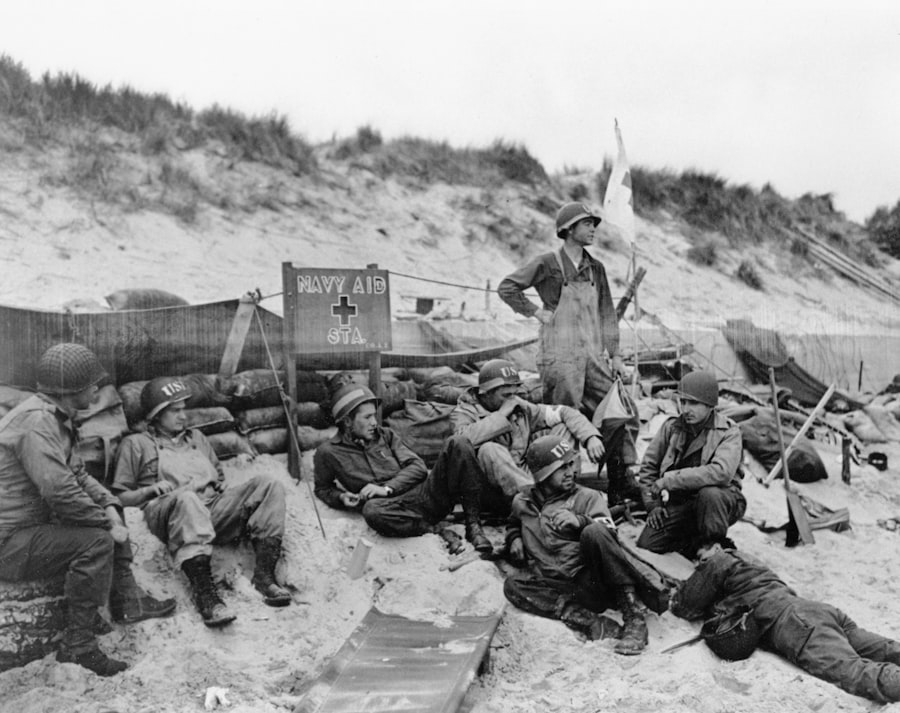
Mastering naval strategy extends beyond individual capabilities to encompass the art of strategic maneuvering, which involves the intelligent use of exercises and alliances.
The Power of Interoperability: Joint and Combined Exercises
Naval exercises are indispensable tools for testing doctrine, training personnel, and fostering interoperability between different units and services.
Fleet Exercises: Testing the Limits
Large-scale fleet exercises simulate real-world combat scenarios, allowing for the evaluation of operational plans, the identification of weaknesses, and the refinement of tactics. These exercises serve as proving grounds for naval strategy, revealing its strengths and areas for improvement.
Joint and Combined Training: Building Bridges
Joint and combined exercises involving different military branches and allied navies are crucial for developing seamless cooperation and interoperability. They build trust, standardize procedures, and enhance the collective ability to respond to multi-national threats. This collaboration multiplies capabilities, turning individual strengths into a formidable collective power.
The Strength of Alliances: Collective Security and Burden Sharing
Naval strategy is often amplified through robust alliances and partnerships. Collective security arrangements provide mutual defense and enhance the ability to project influence.
Security Cooperation Agreements
Formal security cooperation agreements with allied nations facilitate joint planning, intelligence sharing, and coordinated military operations. These agreements form the bedrock of collective defense, deterring aggression through unified strength.
Interoperability Through Shared Platforms and Doctrine
Working with allies often involves aligning doctrines and even sharing naval platforms. This fosters deeper interoperability and allows for more efficient burden sharing in times of crisis.
In exploring the intricacies of naval strategy, the role of metadata is often overlooked yet crucial for effective decision-making and operational planning. A related article that delves deeper into this topic can be found at this link, where the author discusses how the integration of metadata can enhance situational awareness and improve strategic outcomes in maritime operations. Understanding these elements can significantly influence the effectiveness of naval capabilities in modern warfare.
Future Directions: Adapting to Evolving Threats
| Metadata Attribute | Description | Example Value | Relevance to Naval Strategy |
|---|---|---|---|
| Capability Name | Specific naval capability or asset | Anti-Submarine Warfare (ASW) | Defines the focus area of naval operations |
| Operational Range | Maximum effective distance of the capability | 200 nautical miles | Determines area of influence and reach |
| Deployment Time | Time required to deploy the capability | 48 hours | Impacts responsiveness and readiness |
| Resource Requirements | Personnel, equipment, and logistics needed | 150 personnel, 3 vessels, 2 aircraft | Influences operational planning and sustainability |
| Effectiveness Metric | Measure of capability success rate | 85% detection accuracy | Assesses operational performance |
| Technology Level | Classification of technological sophistication | Advanced | Indicates modernization and future-proofing |
| Interoperability | Ability to operate with allied forces | High | Enhances coalition operations and joint missions |
| Cost Estimate | Approximate cost to develop or maintain | Not disclosed | Budgeting and resource allocation |
| Strategic Impact | Overall contribution to naval dominance | Critical for sea control and deterrence | Guides long-term naval strategy formulation |
The maritime domain is continually being reshaped by emerging technologies and evolving geopolitical dynamics. Mastering naval strategy requires constant adaptation and foresight.
The Rise of Unmanned Systems
The advent of unmanned vehicles (UxVs) – including unmanned aerial vehicles (UAVs), unmanned surface vehicles (USVs), and unmanned underwater vehicles (UUVs) – is revolutionizing naval operations. These systems offer enhanced persistence, reduced risk to human personnel, and new operational possibilities.
Autonomous Operations and AI
The integration of artificial intelligence (AI) into naval systems promises to enhance decision-making, optimize resource allocation, and enable more complex autonomous operations. AI can act as a force multiplier, processing vast amounts of data to provide insights that might elude human analysis.
Cyber Warfare and Electronic Dominance
The maritime domain is increasingly vulnerable to cyber-attacks and electronic warfare. Maintaining dominance in the cyber and electromagnetic spectrum is now as critical as controlling the physical seas.
Securing Naval Networks
Robust cybersecurity measures are essential to protect naval networks from infiltration and disruption. The integrity of communication and C4ISR systems is paramount for operational success.
Electromagnetic Spectrum Operations
Naval strategy must encompass sophisticated electronic warfare capabilities to disrupt enemy sensors and communications while protecting friendly systems. This involves a constant battle for control of the invisible waves that connect and inform naval forces.
Distributed Lethality and Network-Centric Warfare
Modern naval strategy increasingly embraces concepts of distributed lethality, where offensive capabilities are dispersed across a wider range of platforms, making it harder for adversaries to target a single point of failure. Network-centric warfare aims to create a highly interconnected environment where information flows seamlessly, enabling faster and more effective decision-making.
In conclusion, mastering naval strategy is a dynamic and ongoing process. It requires a clear vision, robust platforms bolstered by cutting-edge technology, highly trained and ready personnel, and the strategic utilization of exercises and alliances. As the global maritime landscape continues to evolve, nations must remain vigilant, adaptable, and forward-thinking to ensure their continued capability at sea and their ability to navigate the complex currents of international security. The ability to project power, deter conflict, and maintain open sea lanes is not an end in itself, but a vital means to securing national interests and contributing to global stability.
FAQs
What is naval strategy?
Naval strategy refers to the planning and conduct of military operations at sea. It involves the deployment and use of naval forces to achieve specific objectives, such as securing maritime trade routes, projecting power, or defending coastlines.
What does “capability” mean in the context of naval strategy?
In naval strategy, “capability” refers to the resources, technologies, and skills that a navy possesses to effectively carry out its missions. This includes ships, submarines, aircraft, weapons systems, personnel training, and logistical support.
Why is metadata important in naval strategy?
Metadata in naval strategy provides structured information about data related to naval operations, assets, and intelligence. It helps in organizing, analyzing, and sharing critical information efficiently, which supports decision-making and enhances operational effectiveness.
How does capability influence naval strategic planning?
Capability determines what a navy can realistically achieve in its strategic objectives. Understanding current capabilities allows planners to identify strengths, weaknesses, and gaps, guiding investments, force development, and tactical approaches to meet national security goals.
What are common components included in the metadata of naval capability?
Common components include details about ship classes, weapon systems, sensor technologies, personnel qualifications, operational readiness, deployment history, and maintenance status. This metadata helps in assessing overall naval strength and readiness.