Naval intelligence, a discipline critical to national security, involves the collection, analysis, and dissemination of information pertaining to maritime operations, capabilities, and intentions of states and non-state actors. Its effective execution underpins strategic decision-making, operational planning, and tactical execution within naval forces and the broader intelligence community. This article delves into strategies for mastering naval intelligence, examining its multifaceted nature and the continuous adaptation required to maintain superiority in the maritime domain.
Naval intelligence is not merely an annex to naval operations; it is an intrinsic and foundational element. Its purpose extends beyond identifying threats, encompassing the understanding of the maritime environment, the capabilities of friendly forces, and the broader geopolitical landscape. Without robust intelligence, naval assets operate blindly, their immense power untempered by foresight.
Understanding the Maritime Environment
The maritime environment is characterized by its vastness, opacity, and dynamic nature. Unlike terrestrial domains, the ocean conceals as much as it reveals, making intelligence collection inherently challenging. Currents, weather patterns, and underwater topography all influence operations and, consequently, intelligence requirements. A comprehensive understanding of this environment is paramount for predicting vessel movements, assessing sensor performance, and planning effective surveillance. This understanding forms the bedrock upon which all subsequent intelligence analysis is built, akin to a cartographer meticulously charting unknown waters before a voyage.
Intelligence Requirements and Prioritization
Effective naval intelligence begins with meticulously defined intelligence requirements (IRs). These are not static but evolve in response to changing geopolitical climates, technological advancements, and operational needs. Prioritization of IRs is crucial, as resources are finite. High-priority requirements might focus on immediate threats, while lower-priority items could involve long-term assessments of emerging technologies or geopolitical trends. This prioritization acts as a compass, guiding intelligence efforts towards the most critical information needs.
The Intelligence Cycle in a Maritime Context
The intelligence cycle—planning and direction, collection, processing and exploitation, analysis and production, and dissemination—is fundamentally applied to naval intelligence. However, its application in the maritime domain presents unique challenges. Collection often involves specialized assets like submarines, maritime patrol aircraft, and satellite systems operating across vast distances. Processing and exploitation demand expertise in acoustic signatures, electromagnetic spectra, and satellite imagery analysis. Each stage requires specialized knowledge of naval platforms, weapons systems, and operational doctrines.
In exploring the complexities of modern warfare, a pertinent article on Naval Intelligence Strategies can be found at In the War Room. This resource delves into the evolving tactics and technologies employed by naval forces to enhance their strategic capabilities, emphasizing the importance of intelligence in maritime operations. The insights provided in this article are invaluable for understanding how naval intelligence shapes decision-making processes and operational planning in contemporary conflicts.
Intelligence Collection: Castinga Wide and Deep Net
The oceanic expanse necessitates a multifaceted approach to intelligence collection. No single source or method is sufficient; a diverse array of capabilities, working in concert, is essential for generating a comprehensive intelligence picture. This is analogous to a fisherman using different types of nets to catch various species.
Signals Intelligence (SIGINT) in the Maritime Domain
SIGINT, encompassing Communications Intelligence (COMINT) and Electronic Intelligence (ELINT), is a cornerstone of naval intelligence. COMINT involves intercepting and analyzing foreign communications, providing insights into intentions, orders, and operational plans. ELINT focuses on non-communication electronic emissions, such as radar signals and weapon guidance systems. The precise identification and analysis of these emissions can reveal the presence, type, and capabilities of naval vessels, as well as their operational patterns. The ability to categorize and interpret these signals in real-time can be the difference between detecting an adversary’s intentions and being surprised by them.
Imagery Intelligence (IMINT) and Geospatial Intelligence (GEOINT)
IMINT, derived from satellite, airborne, and remotely piloted aircraft platforms, provides visual and infrared data critical for identifying naval vessels, port activities, and infrastructure. GEOINT adds a spatial dimension, integrating imagery with geospatial information to create detailed maps and models of the maritime environment. This allows for precise tracking of vessels, assessment of damage, and monitoring of strategic choke points. The detailed imagery provides a “birds-eye view” that can expose capabilities and deployments otherwise hidden from surface observation.
Human Intelligence (HUMINT) and Open-Source Intelligence (OSINT)
While often associated with land-based operations, HUMINT plays a vital role in naval intelligence, particularly in understanding motivations, doctrines, and technological advancements through human sources. This requires careful recruitment, handling, and validation of sources within maritime communities, port facilities, or government institutions. OSINT leverages publicly available information, such as shipping manifests, academic papers, commercial satellite imagery, and social media. In the digital age, OSINT has burgeoned into a rich source that can offer insights into shipbuilding trends, port expansions, and even ongoing exercises, often complementing classified sources by providing context and corroboration.
Analysis and Production: Forging Intelligence from Information
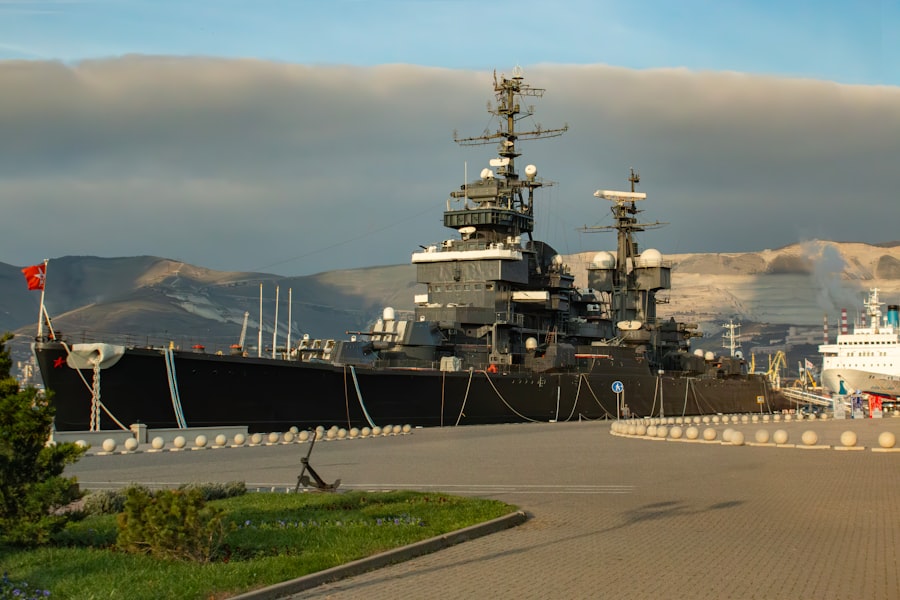
Raw data is merely noise until it is meticulously processed, analyzed, and transformed into actionable intelligence. This stage requires highly skilled analysts with deep domain expertise and the ability to synthesize disparate pieces of information into a coherent narrative.
The Role of Domain Expertise
Naval intelligence analysts are not generalists; they are specialists. Their knowledge spans naval platforms, weapon systems, operational doctrines of various navies, and the intricacies of the maritime environment. This domain expertise allows them to interpret subtle cues, understand implications, and anticipate adversary actions. Without this specialized understanding, even the most sophisticated data can be misinterpreted, leading to flawed assessments. An analyst without maritime experience reviewing sonar data is like a musician attempting to read an unfamiliar orchestral score without understanding the instruments.
Fusion and Synthesis of Intelligence Sources
The strength of naval intelligence lies in its ability to fuse information from multiple sources. A single piece of SIGINT might indicate a vessel’s presence, but when combined with IMINT confirming its type and HUMINT suggesting its likely mission, a far more complete and reliable picture emerges. This fusion process helps to mitigate the inherent unreliability of any single source, validating information and building confidence in assessments. Effective fusion acts as a crucible, refining raw elements into a stronger, more resilient compound.
Predictive Analysis and Threat Assessment
Beyond descriptive analysis, naval intelligence strives for predictive capabilities. This involves identifying patterns, trends, and anomalies to forecast future actions or intentions. Threat assessments, a critical product of this analysis, evaluate the capabilities, vulnerabilities, and intentions of potential adversaries, providing decision-makers with a clear understanding of the risks involved. This foresight is crucial for proactive defense and preemptive action.
Dissemination and Utilization: Delivering Timely and Actionable Insights
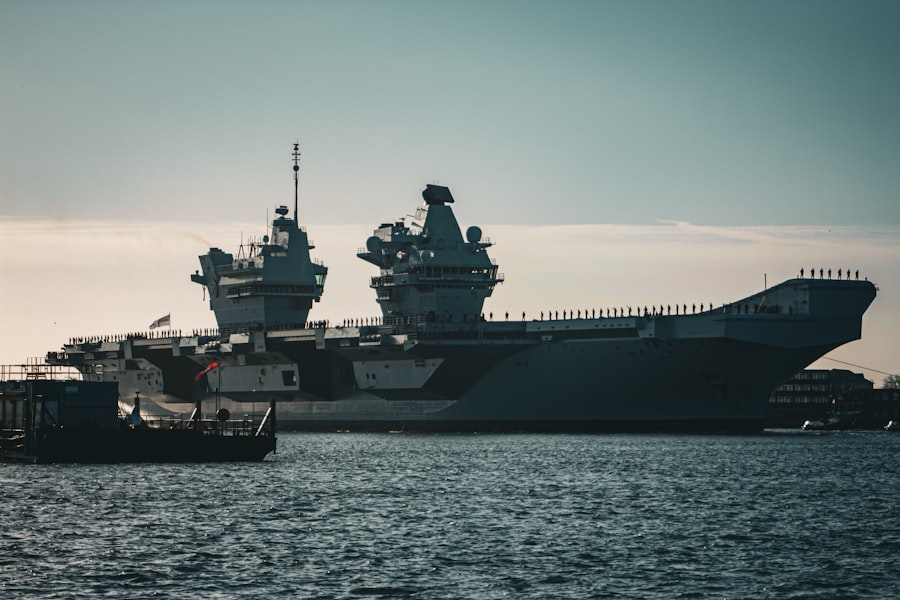
Intelligence, regardless of its quality, is ineffective if it does not reach the right people at the right time in an understandable format. Dissemination is the final, crucial link in the intelligence chain.
Tailoring Intelligence Products
Intelligence products must be tailored to the specific needs of the recipient. A tactical commander requires immediate, concise information relevant to their operational area, perhaps a contact report or a weather forecast. A strategic planner, conversely, might need a comprehensive assessment of a long-term naval modernization program. The format, detail, and delivery mechanism must align with the user’s requirements. This customization ensures that intelligence is not merely received, but effectively absorbed and utilized.
Timeliness and Accuracy
In the fast-paced environment of naval operations, timeliness is paramount. Delays in intelligence delivery can render information obsolete and opportunities lost. Concurrently, accuracy remains non-negotiable. Disseminating inaccurate intelligence can lead to erroneous decisions with severe consequences. A balance between speed and precision is consistently sought, a tightrope walk where missteps can be costly.
Feedback Mechanisms
An often-overlooked but essential aspect of effective dissemination is the implementation of robust feedback mechanisms. Operators and decision-makers provide invaluable insights into the utility and accuracy of intelligence products. This feedback loop allows intelligence agencies to refine their processes, improve the relevance of their outputs, and build trust with their consumers. This continuous dialogue ensures that the intelligence enterprise remains dynamic and responsive to evolving operational realities.
In exploring the complexities of modern warfare, a comprehensive understanding of Naval Intelligence Strategies is crucial for effective military operations. For those interested in delving deeper into this topic, a related article offers valuable insights into the evolving tactics and technologies that shape naval intelligence today. You can read more about these strategies and their implications for national security by visiting this informative piece.
Modern Challenges and Future Directions
| Strategy | Description | Key Metrics | Effectiveness | Implementation Challenges |
|---|---|---|---|---|
| Signal Intelligence (SIGINT) | Intercepting and analyzing enemy communications and electronic signals. | Number of intercepted signals, decryption success rate, response time | High | Encryption advancements, signal jamming |
| Human Intelligence (HUMINT) | Gathering information through human sources and espionage. | Number of active agents, quality of intelligence reports, infiltration success rate | Medium | Agent exposure risk, reliability of sources |
| Imagery Intelligence (IMINT) | Using satellite and aerial reconnaissance to gather visual data. | Number of images collected, resolution quality, analysis turnaround time | High | Weather conditions, image interpretation accuracy |
| Cyber Intelligence | Monitoring and defending against cyber threats targeting naval assets. | Number of cyber attacks detected, response time, system vulnerability score | High | Rapidly evolving cyber threats, resource allocation |
| Open Source Intelligence (OSINT) | Collecting data from publicly available sources such as news, social media, and publications. | Volume of data analyzed, relevance score, timeliness | Medium | Information overload, verification challenges |
The landscape of naval intelligence is in constant flux, driven by technological advancements, geopolitical shifts, and the emergence of new threats. Adapting to these changes is critical for maintaining an edge.
The Rise of Asymmetric Threats and Hybrid Warfare
Traditional naval intelligence focused primarily on state actors and their conventional naval forces. However, the rise of non-state actors, piracy, illicit trafficking, and hybrid warfare tactics, which blend conventional and unconventional methods, presents new challenges. Intelligence efforts must now encompass a broader spectrum of threats, including the maritime activities of terrorist organizations and transnational criminal groups. This necessitates a broader collection aperture and more diverse analytical skill sets.
Technological Advancements and Data Overload
The proliferation of advanced sensors, satellite constellations, and unmanned systems generates an unprecedented volume of data. While this offers immense potential, it also poses the challenge of data overload. Effectively sifting through vast quantities of information, identifying relevant signals from noise, and extracting actionable intelligence requires advanced analytical tools, including artificial intelligence (AI) and machine learning (ML). These technologies are becoming indispensable for processing and understanding the sheer scale of modern intelligence data, acting as powerful sieves to extract valuable insights from the digital ocean.
Cybersecurity and Information Warfare
Naval intelligence systems themselves are increasingly targets for cyberattacks. Protecting sensitive intelligence networks, preventing data exfiltration, and countering disinformation campaigns are critical aspects of modern naval intelligence. Information superiority is not merely about possessing more data, but also about securing that data and wielding it effectively while denying adversaries the same. The cyber domain presents an ongoing battle for control of information and its integrity.
Conclusion: Continuous Evolution and Strategic Advantage
Mastering naval intelligence is an ongoing endeavor, a continuous evolution rather than a static achievement. It demands a sophisticated blend of human expertise, cutting-edge technology, and adaptable processes. From meticulous collection to incisive analysis and timely dissemination, each stage plays a vital role in providing decision-makers with the foresight necessary to navigate the complex and ever-changing maritime environment. By embracing innovation, fostering expertise, and relentlessly pursuing accuracy and relevance, naval intelligence can continue to serve as an indispensable pillar of national security, ensuring safety and strategic advantage in the critical domain of the oceans. The ability to see further and understand deeper than any adversary will always be the ultimate prize in the intricate game of naval power.
FAQs
What is naval intelligence?
Naval intelligence refers to the collection, analysis, and dissemination of information related to maritime activities, naval forces, and maritime threats. It supports naval operations, strategic planning, and national security by providing insights into enemy capabilities, movements, and intentions.
What are the primary sources of naval intelligence?
Primary sources of naval intelligence include satellite imagery, signals intelligence (SIGINT), human intelligence (HUMINT), electronic intelligence (ELINT), and open-source intelligence (OSINT). These sources help gather data on naval assets, communications, and maritime environments.
How does naval intelligence contribute to maritime security?
Naval intelligence enhances maritime security by identifying potential threats such as piracy, smuggling, and hostile naval activities. It enables timely decision-making, threat assessment, and coordination of naval forces to protect territorial waters and maintain safe sea lanes.
What technologies are commonly used in naval intelligence strategies?
Technologies used in naval intelligence include radar and sonar systems, unmanned aerial vehicles (UAVs), satellite reconnaissance, cyber intelligence tools, and advanced data analytics platforms. These technologies improve surveillance, reconnaissance, and information processing capabilities.
How do naval intelligence strategies support naval operations?
Naval intelligence strategies support operations by providing commanders with actionable information on enemy positions, capabilities, and intentions. This intelligence aids in mission planning, threat mitigation, resource allocation, and achieving tactical and strategic objectives at sea.