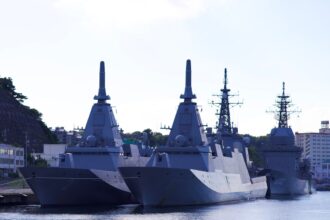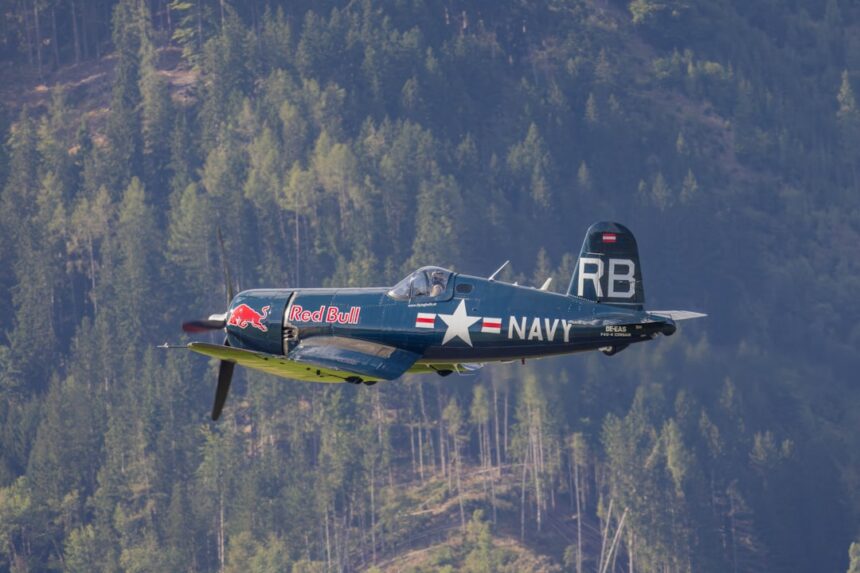
The development of aircraft carrier operations represents a significant transformation in naval warfare strategy and technology. The concept of utilizing ships as mobile airfields for launching and recovering aircraft emerged in the early 1900s. Initial experimental operations were conducted during World War I, when naval forces began exploring the tactical advantages of combining aviation with maritime operations.
These early trials established the foundational principles for what would become one of the most influential naval innovations of the 20th century, fundamentally altering the nature of sea-based military operations and power projection capabilities.
Key Takeaways
- Aircraft carriers have evolved from early 20th-century innovations to central assets in modern naval warfare.
- Naval aviation plays a critical role in power projection, reconnaissance, and defense in contemporary military operations.
- The aircraft carrier’s design includes complex systems for launching, recovering, and maintaining a diverse air wing.
- Carrier strike groups integrate multiple vessels and aircraft to conduct coordinated, multi-dimensional missions.
- Future advancements in carrier aviation focus on enhanced technology, automation, and adapting to emerging global security challenges.
The USS Langley, commissioned in 1922, was the United States Navy’s first aircraft carrier, marking a significant shift in naval strategy. As the world moved into World War II, the role of aircraft carriers became increasingly pivotal. The Battle of Midway in 1942 showcased their strategic importance, as carrier-based aircraft played a crucial role in defeating the Japanese fleet, fundamentally altering the course of naval engagements.
Post-World War II, the development of jet technology and nuclear power further transformed aircraft carrier operations. The introduction of supercarriers, such as the USS Enterprise in the 1960s, allowed for greater operational range and capabilities. These floating airbases became central to U.S.
naval strategy during the Cold War, projecting power across the globe. The evolution of carrier operations continued into the 21st century, with advancements in technology and tactics ensuring that aircraft carriers remain a cornerstone of modern naval forces.
The Role of Naval Aviation in Modern Warfare
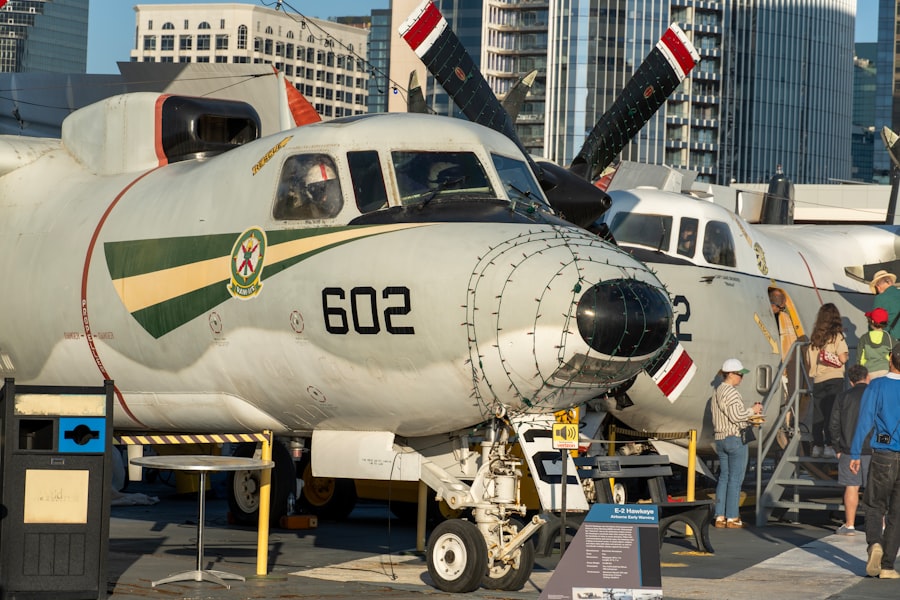
Naval aviation has become an indispensable component of modern warfare, providing a versatile platform for power projection, reconnaissance, and strike capabilities. In contemporary conflicts, naval aviation enables rapid response to emerging threats, allowing nations to deploy air power without the need for land-based facilities. This flexibility is particularly valuable in regions where access to airfields may be limited or contested.
The ability to launch airstrikes from the sea enhances a navy’s operational reach and deterrent capability. Moreover, naval aviation plays a critical role in joint operations with other branches of the military. Carrier strike groups often work alongside ground forces and allied nations, coordinating air support and intelligence sharing.
This integration enhances overall mission effectiveness and allows for a more comprehensive approach to modern warfare. As adversaries develop advanced anti-access/area denial (A2/AD) strategies, the role of naval aviation will continue to evolve, adapting to new challenges while maintaining its status as a key player in military operations.
The Anatomy of an Aircraft Carrier
An aircraft carrier is a marvel of engineering, designed to support a wide array of aviation operations while providing a stable platform at sea. Typically measuring over 1,000 feet in length, these vessels are equipped with a flight deck that serves as the primary launch and recovery area for aircraft. Beneath this deck lies a complex system of hangars, maintenance facilities, and living quarters for crew members and air wing personnel.
The design of an aircraft carrier prioritizes efficiency and functionality, ensuring that it can operate effectively in various maritime environments. The flight deck itself is a bustling hub of activity, featuring catapults for launching aircraft and arrestor wires for recovering them. Advanced radar and communication systems are integrated throughout the ship to facilitate coordination between air operations and shipboard activities.
Additionally, modern carriers are equipped with defensive systems to protect against potential threats from enemy aircraft and missiles. This intricate design allows aircraft carriers to function as mobile airbases, capable of sustaining prolonged operations far from home ports.
The Aircraft Carrier Air Wing
| Metric | Description | Typical Value | Unit |
|---|---|---|---|
| Sorties per Day | Number of aircraft sorties launched and recovered in a 24-hour period | 150-180 | Sorties |
| Aircraft Capacity | Maximum number of aircraft the carrier can carry | 60-90 | Aircraft |
| Flight Deck Length | Length of the flight deck available for takeoff and landing | 300-340 | meters |
| Catapult Launch Speed | Speed at which aircraft are launched from the catapult | 130-160 | knots |
| Arresting Gear Engagement Time | Time taken for aircraft to engage arresting wires during landing | 2-3 | seconds |
| Aircraft Recovery Rate | Number of aircraft recovered per hour | 40-50 | aircraft/hour |
| Fuel Capacity | Amount of aviation fuel the carrier can store | 1,500,000-2,000,000 | liters |
| Crew Size | Number of personnel required to operate the carrier and air wing | 5,000-6,000 | persons |
| Aircraft Turnaround Time | Time from aircraft landing to being ready for next sortie | 20-30 | minutes |
| Operational Range | Distance the carrier can operate from home port without refueling | 7,000-10,000 | nautical miles |
The air wing aboard an aircraft carrier is a carefully curated collection of aircraft designed to fulfill various mission profiles. Typically composed of fighter jets, attack aircraft, surveillance planes, and support helicopters, the air wing provides a versatile force capable of engaging in air-to-air combat, ground strikes, and reconnaissance missions. The composition of an air wing can vary depending on the specific operational requirements and strategic objectives of a deployment.
Fighter jets such as the F/A-18 Super Hornet serve as the backbone of the air wing, providing air superiority and strike capabilities. Meanwhile, specialized aircraft like the E-2 Hawkeye offer vital early warning and command-and-control functions. The integration of unmanned aerial vehicles (UAVs) into the air wing further enhances its capabilities, allowing for intelligence gathering and strike missions without risking pilot lives.
This diverse array of aircraft ensures that carrier air wings can adapt to changing battlefield conditions and effectively respond to a wide range of threats.
Launching and Recovering Aircraft on a Carrier Deck
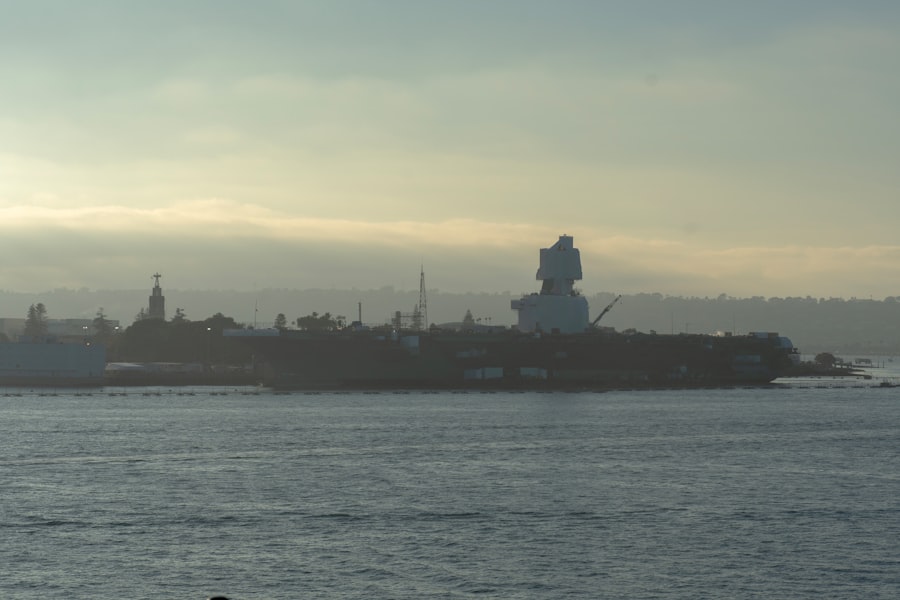
The processes of launching and recovering aircraft on an aircraft carrier are intricate operations that require precision and coordination among crew members. Launching typically involves catapulting aircraft from the flight deck using steam or electromagnetic systems. This method allows planes to reach takeoff speed quickly, enabling them to ascend into the sky within seconds.
The launch sequence is meticulously timed and choreographed to ensure safety and efficiency. Recovery operations are equally complex, relying on arrestor wires to bring aircraft safely back to the deck. Pilots must skillfully land their planes on a moving target while managing various factors such as wind speed and deck motion.
The use of visual landing aids and advanced technology assists pilots during this critical phase. Each successful launch and recovery cycle is a testament to the training and expertise of both pilots and deck crew members, highlighting the teamwork required for effective carrier operations.
Carrier-based Aircraft and their Capabilities
Carrier-based aircraft are designed with unique features that enable them to operate effectively from the confined space of an aircraft carrier. These planes are typically equipped with reinforced landing gear to withstand the stresses of carrier landings and takeoffs. Additionally, they often have folding wings to maximize space on the flight deck when parked or stored in hangars.
The capabilities of carrier-based aircraft extend beyond mere transportation; they are equipped with advanced avionics, weapons systems, and sensors that enhance their combat effectiveness. For instance, modern fighter jets can engage in dogfights while also delivering precision strikes against ground targets using guided munitions. Surveillance aircraft provide critical intelligence by monitoring enemy movements and relaying information back to command centers.
This multifaceted approach allows carrier-based aircraft to play a vital role in achieving mission objectives across various operational scenarios.
Carrier Strike Group Operations
Carrier strike groups (CSGs) represent a formidable force in naval warfare, consisting of an aircraft carrier accompanied by a fleet of supporting vessels such as destroyers, cruisers, submarines, and supply ships. This integrated formation enhances operational capabilities by providing layered defense against potential threats while ensuring sustained air support for ground forces or other naval units. CSGs operate under a unified command structure that allows for seamless coordination among different platforms.
This synergy enables rapid response to emerging threats or crises while maintaining a robust presence in strategic regions around the world. The versatility of CSGs allows them to conduct various missions ranging from humanitarian assistance to combat operations, showcasing their adaptability in diverse scenarios.
Training and Qualifications for Carrier Aviation
The training required for carrier aviation is rigorous and comprehensive, ensuring that pilots and crew members are well-prepared for the challenges they will face at sea. Aspiring naval aviators undergo extensive flight training that includes simulator sessions, classroom instruction, and actual flight hours in various aircraft types. This training emphasizes not only flying skills but also decision-making under pressure and teamwork.
Once pilots qualify for carrier operations, they participate in specialized training exercises that simulate real-world scenarios aboard an aircraft carrier. This includes learning how to launch and recover aircraft safely while navigating the complexities of operating on a moving platform. Additionally, crew members responsible for maintenance, logistics, and support services receive tailored training to ensure they can perform their duties effectively in high-stress environments.
Challenges and Risks of Carrier Operations
Despite their formidable capabilities, aircraft carriers face numerous challenges and risks during operations. One significant concern is vulnerability to advanced anti-ship missiles and cyber threats that could compromise their effectiveness or safety. As adversaries develop more sophisticated weaponry designed specifically to target carriers, navies must continually adapt their strategies to mitigate these risks.
Weather conditions also pose challenges for carrier operations; rough seas can complicate launching and recovering aircraft while affecting overall mission effectiveness. Furthermore, maintaining crew morale during extended deployments is crucial for operational success but can be difficult due to isolation from family and home life. Addressing these challenges requires ongoing training, technological advancements, and effective leadership within naval forces.
Future Developments in Carrier Aviation
The future of carrier aviation is poised for significant advancements driven by technological innovation and evolving military needs. One area of focus is the integration of unmanned aerial vehicles (UAVs) into carrier operations. These drones can perform reconnaissance missions or strike targets without putting pilots at risk, enhancing operational flexibility while reducing costs associated with manned flights.
Additionally, advancements in propulsion systems may lead to more efficient carriers capable of operating longer distances without refueling or resupplying frequently. The development of electromagnetic catapults represents another leap forward; these systems promise faster launches with reduced wear on aircraft compared to traditional steam catapults.
The Global Impact of Naval Aviation
Naval aviation has had a profound impact on global security dynamics since its inception. By projecting power across vast distances through carrier strike groups, nations can deter aggression from adversaries while providing humanitarian assistance during crises or natural disasters. The presence of aircraft carriers often serves as a stabilizing force in volatile regions where tensions may arise.
Furthermore, international partnerships between navies enhance cooperation through joint exercises and training programs focused on improving interoperability among allied forces. These collaborations foster mutual understanding while strengthening collective security efforts against common threats such as piracy or terrorism at sea. As global challenges continue to evolve, naval aviation will remain an essential tool for nations seeking to maintain peace and stability on the world stage.
In conclusion, the history and evolution of aircraft carrier operations reflect their enduring significance in modern warfare. From their early beginnings to their current status as floating airbases capable of projecting power worldwide, aircraft carriers have transformed naval strategy over time. As technology continues to advance and new challenges emerge on the horizon, it is clear that naval aviation will play an increasingly vital role in shaping future military operations across the globe.
Aircraft carrier operations play a crucial role in naval aviation, serving as floating airbases that project power and provide support for various military missions. For a deeper understanding of the complexities and strategies involved in these operations, you can read more in the article available at com/’>In The War Room.
This resource offers insights into the latest developments and historical perspectives on naval aviation and its impact on modern warfare.
WATCH THIS! 🎬 The Day Speed Died: How One Jet Changed Air Combat Forever
FAQs
What is naval aviation?
Naval aviation refers to the use of aircraft by a navy to conduct operations at sea. This includes the deployment of aircraft from aircraft carriers, amphibious assault ships, and other naval vessels to perform reconnaissance, air defense, anti-submarine warfare, and strike missions.
What is an aircraft carrier?
An aircraft carrier is a large naval ship designed to serve as a seagoing airbase. It is equipped with a full-length flight deck for launching and recovering aircraft, allowing naval forces to project air power worldwide without relying on local bases.
How do aircraft carriers launch and recover aircraft?
Aircraft carriers use catapults to launch fixed-wing aircraft, providing the necessary speed for takeoff from the short flight deck. For recovery, they employ arresting wires that aircraft hook onto to rapidly decelerate and land safely on the deck. Helicopters and vertical/short takeoff and landing (V/STOL) aircraft can take off and land vertically without catapults or arresting gear.
What types of aircraft operate from aircraft carriers?
Common types include fighter jets, early warning and control aircraft, electronic warfare planes, anti-submarine warfare helicopters, and transport helicopters. Examples are the F/A-18 Hornet, E-2 Hawkeye, and MH-60 Seahawk.
What is the role of the flight deck crew during carrier operations?
Flight deck crew members are responsible for aircraft handling, launching, and recovery operations. They coordinate aircraft movement, operate catapults and arresting gear, and ensure safety protocols are followed during flight operations.
How do aircraft carriers maintain continuous flight operations?
Carriers conduct flight operations in cycles called “sorties,” with multiple aircraft launching and recovering in rapid succession. The crew works in shifts to manage aircraft maintenance, refueling, and rearming, enabling sustained air operations.
What safety measures are in place during carrier flight operations?
Strict protocols govern all aspects of flight operations, including communication procedures, deck markings, safety gear for personnel, and emergency response plans. Regular training and drills ensure readiness to handle accidents or emergencies.
How do aircraft carriers contribute to naval strategy?
Aircraft carriers provide a mobile airbase that enhances a navy’s ability to project power, conduct surveillance, support amphibious operations, and maintain sea control. They are central to modern naval task forces and enable rapid response to global crises.
What challenges are associated with aircraft carrier operations?
Challenges include complex coordination of air and sea assets, maintaining aircraft and equipment in harsh maritime environments, managing limited deck space, and ensuring the safety of personnel during high-tempo operations.
How has technology impacted aircraft carrier operations?
Advancements such as electromagnetic catapults, improved radar and communication systems, unmanned aerial vehicles (UAVs), and enhanced aircraft designs have increased the efficiency, safety, and capability of carrier operations.