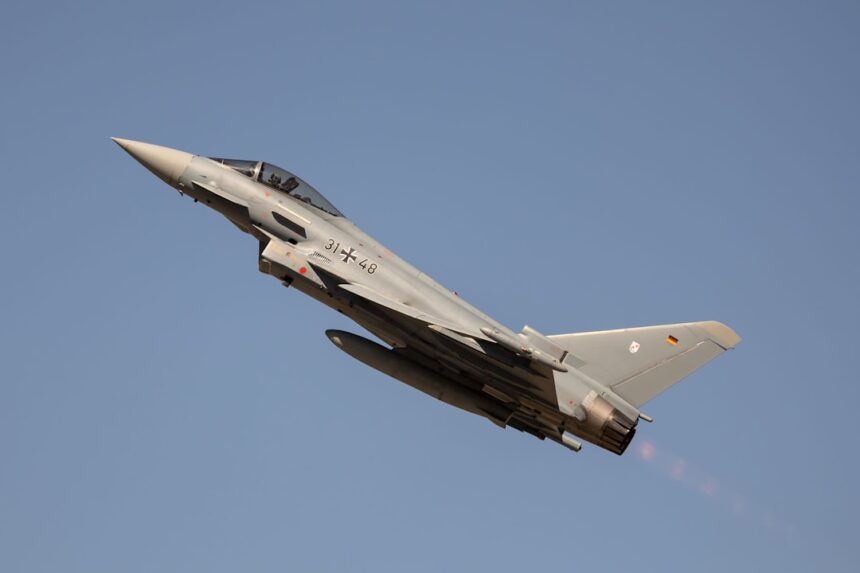
Adversary training plays a crucial role in the preparation of military pilots and aircrews. It provides them with the opportunity to engage in realistic combat scenarios against enemy-like forces, which is essential for honing their skills and enhancing their readiness for actual combat situations. By simulating the tactics, techniques, and procedures of potential adversaries, military personnel can better understand the capabilities and limitations of their own aircraft and systems.
This understanding is vital for developing effective strategies that can be employed in real-world engagements. Moreover, adversary training fosters a culture of adaptability and innovation among pilots. As they encounter various adversarial tactics, they are compelled to think critically and creatively about their responses.
This dynamic environment encourages pilots to refine their decision-making processes and develop a deeper comprehension of aerial combat dynamics. Ultimately, the importance of adversary training cannot be overstated; it is a fundamental component of military readiness that ensures aircrews are prepared to face a diverse array of threats.
Key Takeaways
- Adversary training is crucial for preparing pilots to effectively engage diverse enemy aircraft.
- Understanding various adversary aircraft types helps tailor tactics for different combat scenarios.
- Simulated combat and electronic warfare integration enhance realistic training and situational awareness.
- Continuous analysis, feedback, and collaboration with adversary teams drive tactical improvements.
- Practicing both defensive and offensive maneuvers sharpens decision-making and combat effectiveness.
Identifying the Different Types of Adversary Aircraft
In the realm of military aviation, recognizing the various types of adversary aircraft is essential for effective training and engagement strategies. Adversary aircraft can range from advanced fighter jets to older models that may still pose significant threats due to their unique capabilities or tactics. For instance, modern fifth-generation fighters like the F-35 or Su-57 are designed with stealth technology and advanced avionics, making them formidable opponents in aerial combat.
Understanding these aircraft’s strengths and weaknesses allows pilots to tailor their tactics accordingly. Additionally, it is important to consider the role of unmanned aerial vehicles (UAVs) in adversary training. Drones have become increasingly prevalent in modern warfare, often used for reconnaissance or as strike platforms.
Their ability to operate in contested environments presents new challenges for traditional air combat tactics. By familiarizing themselves with the characteristics and operational profiles of various adversary aircraft, pilots can develop a comprehensive understanding of the aerial landscape they may encounter in conflict.
Developing Tactics for Engaging Dissimilar Aircraft
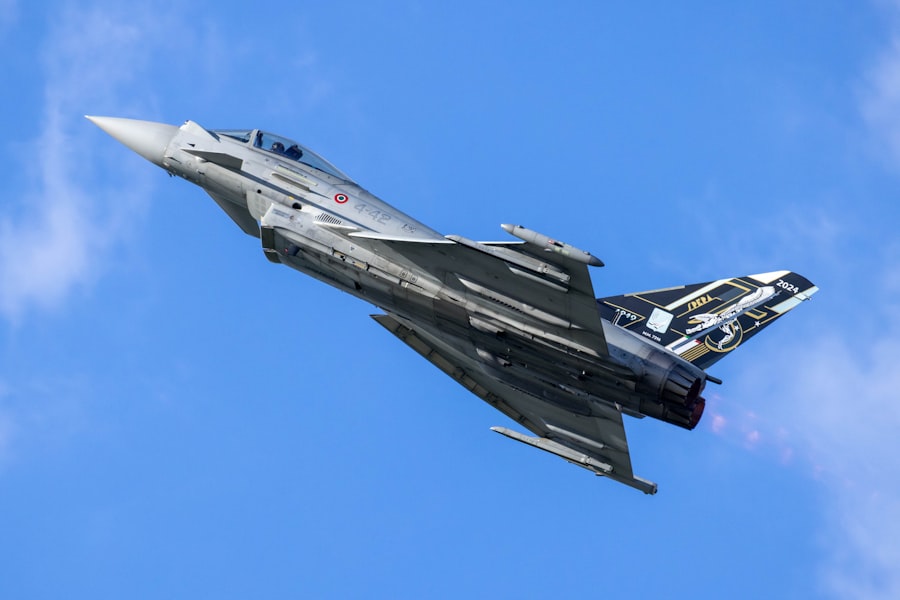
Engaging dissimilar aircraft requires a nuanced approach that takes into account the unique characteristics of each adversary platform. Pilots must develop specific tactics that leverage their own aircraft’s strengths while exploiting the weaknesses of their opponents. This often involves extensive research and analysis of enemy capabilities, as well as practical exercises that simulate real-world engagements.
By practicing against a variety of dissimilar aircraft, pilots can gain valuable insights into how to effectively counter different threats. Furthermore, developing tactics for engaging dissimilar aircraft also involves collaboration among various military branches and units. Joint exercises that bring together air, ground, and naval forces can provide a more comprehensive understanding of how different platforms interact in combat scenarios.
This collaborative approach not only enhances individual pilot skills but also fosters a sense of unity among forces, ultimately leading to more effective joint operations in real-world situations.
Utilizing Simulated Combat Scenarios
Simulated combat scenarios are an integral part of adversary training, allowing pilots to experience high-pressure situations without the risks associated with live combat. These simulations can range from computer-based training programs to full-scale flight exercises that replicate real-world conditions. By immersing pilots in these scenarios, they can practice their skills in a controlled environment while still facing the unpredictability of combat.
The benefits of simulated combat scenarios extend beyond individual skill development; they also facilitate team cohesion and communication. Pilots must work together to execute complex maneuvers and strategies, which helps build trust and camaraderie among team members. Additionally, these simulations provide opportunities for debriefing and analysis, allowing pilots to review their performance and identify areas for improvement.
Ultimately, simulated combat scenarios serve as a vital tool for preparing aircrews for the challenges they may face in actual combat situations.
Incorporating Electronic Warfare and Countermeasures
| Metric | Description | Value / Example | Unit |
|---|---|---|---|
| Training Sortie Duration | Average length of each dissimilar air combat training mission | 1.5 | Hours |
| Number of Aircraft Types | Different aircraft models involved in adversary training | 3 | Types |
| Engagement Success Rate | Percentage of successful simulated kills or tactical victories | 65 | % |
| Average Maneuvering G-Force | Typical G-force experienced during dogfight maneuvers | 7.2 | G |
| Radar Cross Section Difference | Difference in radar signature between friendly and adversary aircraft | 15 | dBsm |
| Fuel Consumption Rate | Fuel used per hour during dissimilar air combat training | 2,500 | lbs/hour |
| Pilot Stress Level | Average pilot-reported stress on a scale of 1-10 | 8 | Scale (1-10) |
| Communication Latency | Delay in communication between aircraft during training | 150 | Milliseconds |
In today’s complex battlefield environment, electronic warfare (EW) has become an essential component of air combat operations. The ability to disrupt or deceive an adversary’s electronic systems can provide a significant advantage in aerial engagements. As such, incorporating EW tactics into adversary training is critical for preparing pilots to operate effectively in contested environments.
This includes understanding how to employ jamming techniques, utilize decoys, and counter enemy electronic threats. Moreover, effective countermeasures are vital for ensuring the survivability of friendly aircraft during engagements. Pilots must be trained to recognize when to deploy flares or other defensive systems in response to incoming threats.
By integrating electronic warfare and countermeasures into their training regimens, pilots can enhance their situational awareness and improve their chances of success in combat scenarios. This comprehensive approach ensures that aircrews are well-equipped to navigate the complexities of modern warfare.
Enhancing Situational Awareness and Decision-Making
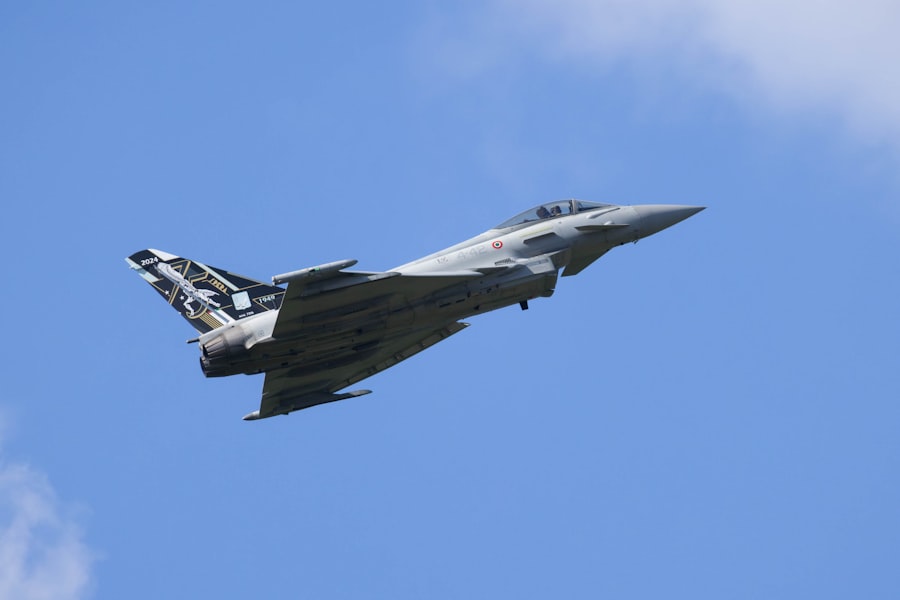
Situational awareness is a cornerstone of effective military operations, particularly in the fast-paced environment of aerial combat. Pilots must be able to quickly assess their surroundings, identify potential threats, and make informed decisions based on rapidly changing conditions. Enhancing situational awareness involves not only technical training but also cultivating a mindset that prioritizes vigilance and adaptability.
Training programs that emphasize situational awareness often incorporate real-time data feeds from various sources, including radar systems and intelligence reports. By familiarizing pilots with these tools, they can develop a more comprehensive understanding of the battlefield landscape. Additionally, decision-making exercises that simulate high-stress scenarios can help pilots practice prioritizing information and making quick judgments under pressure.
Ultimately, enhancing situational awareness is essential for ensuring that pilots can respond effectively to emerging threats during combat operations.
Practicing Defensive Maneuvers and Evasive Actions
Defensive maneuvers and evasive actions are critical skills for pilots operating in hostile environments. The ability to evade enemy fire or avoid detection can mean the difference between mission success and failure. Training programs focused on these skills often include a variety of techniques designed to help pilots respond effectively to incoming threats.
Moreover, practicing defensive maneuvers also requires an understanding of enemy tactics and weapon systems. By studying how adversaries engage in aerial combat, pilots can anticipate potential threats and develop appropriate responses.
This proactive approach not only enhances individual pilot skills but also contributes to overall mission success by ensuring that aircrews are prepared for a wide range of scenarios.
Improving Offensive Tactics and Targeting Strategies
While defensive maneuvers are essential for survival in combat, offensive tactics are equally important for achieving mission objectives. Pilots must be trained to effectively engage enemy targets while minimizing risks to themselves and their comrades. This involves developing precise targeting strategies that take into account factors such as range, weapon capabilities, and environmental conditions.
Training programs focused on offensive tactics often include live-fire exercises that allow pilots to practice engaging targets under realistic conditions. These exercises provide valuable opportunities for pilots to refine their targeting skills while receiving feedback from instructors on their performance. Additionally, incorporating lessons learned from previous engagements can help pilots continuously improve their offensive tactics and ensure they are prepared for future missions.
Analyzing Performance and Learning from Mistakes
The process of analyzing performance is a critical aspect of adversary training that enables pilots to learn from their experiences and improve over time. After each training exercise or simulated engagement, debriefing sessions provide an opportunity for pilots to review their actions, identify mistakes, and discuss potential improvements. This reflective practice fosters a culture of continuous learning within military aviation units.
Moreover, analyzing performance extends beyond individual assessments; it also encompasses team dynamics and overall mission effectiveness. By examining how well teams worked together during exercises, leaders can identify areas for improvement in communication and coordination. This holistic approach ensures that lessons learned are not only applied at the individual level but also contribute to enhancing overall unit performance.
Collaborating with Adversary Pilots and Teams
Collaboration with adversary pilots and teams is an often-overlooked aspect of adversary training that can yield significant benefits for military aircrews. Engaging with experienced adversary pilots allows friendly forces to gain insights into enemy tactics and strategies that may not be readily apparent through traditional training methods.
Additionally, joint exercises that involve both friendly and adversary forces can foster mutual respect and understanding among pilots. By working together in controlled environments, both sides can learn from each other’s experiences and develop more effective tactics for future engagements. This collaborative approach not only enhances individual skills but also contributes to building stronger relationships between military units.
Implementing Feedback and Continuous Improvement
The implementation of feedback is essential for fostering a culture of continuous improvement within military aviation units. By actively seeking input from instructors, peers, and even adversary pilots, aircrews can identify areas where they excel as well as aspects that require further development. This feedback loop encourages pilots to take ownership of their training journeys and strive for excellence in all aspects of their performance.
Moreover, continuous improvement should be viewed as an ongoing process rather than a one-time effort. As technology evolves and new threats emerge, military aviation units must remain adaptable and responsive to changing circumstances. By regularly revisiting training programs and incorporating new insights from recent engagements or technological advancements, aircrews can ensure they are always prepared for the challenges they may face in future conflicts.
Ultimately, this commitment to feedback and improvement is what sets successful military aviation units apart from their peers in an increasingly complex global landscape.
Adversary training in dissimilar air combat is crucial for preparing pilots to face a variety of threats in real-world scenarios. A related article that delves into the intricacies of this training methodology can be found on In The War Room, which discusses the importance of realistic training environments and the role of adversary tactics. For more insights, you can read the article [here](https://www.inthewarroom.com/).
WATCH THIS! 🎬 The Day Speed Died: How One Jet Changed Air Combat Forever
FAQs
What is adversary training in air combat?
Adversary training in air combat refers to specialized training exercises where pilots simulate fighting against enemy aircraft. This training helps improve combat skills, tactics, and situational awareness by replicating realistic air combat scenarios.
Why is dissimilar air combat training important?
Dissimilar air combat training involves engaging with aircraft that have different performance characteristics and capabilities than one’s own. It is important because it prepares pilots to face a variety of potential adversaries, enhancing their adaptability and effectiveness in real combat situations.
How does adversary training improve pilot performance?
Adversary training exposes pilots to diverse tactics and aircraft types, challenging them to think critically and respond quickly. This experience builds confidence, sharpens decision-making skills, and improves overall combat readiness.
What types of aircraft are used in dissimilar air combat training?
A range of aircraft can be used, including fighters with different speed, maneuverability, and weapon systems. Common examples include F-16s, F-18s, and specialized aggressor aircraft designed to mimic potential enemy fighters.
Is adversary training conducted in real flight or simulations?
Adversary training can be conducted both in real flight exercises and through advanced flight simulators. Real flight training provides hands-on experience, while simulators offer safe, cost-effective environments to practice complex scenarios.
Who typically participates in adversary training exercises?
Military fighter pilots, including those from air forces and naval aviation units, participate in adversary training. Instructors and aggressor pilots often play the role of the enemy to provide realistic opposition.
What are the benefits of dissimilar air combat training for military forces?
Benefits include enhanced pilot proficiency, better understanding of enemy tactics, improved teamwork, and increased survivability in combat. It also helps identify weaknesses in tactics and equipment that can be addressed before actual combat.
How often is adversary training conducted?
The frequency varies by military branch and operational requirements but is typically conducted regularly as part of ongoing pilot training programs to maintain combat readiness.
Can adversary training reduce the risk of casualties in actual combat?
Yes, by preparing pilots for a wide range of combat scenarios and teaching effective tactics against different aircraft types, adversary training helps reduce the risk of casualties and mission failure in real combat situations.
Are there any international collaborations in adversary training?
Yes, many countries participate in joint exercises that include adversary training to improve interoperability, share tactics, and strengthen alliances. Examples include Red Flag exercises hosted by the United States and multinational training events.