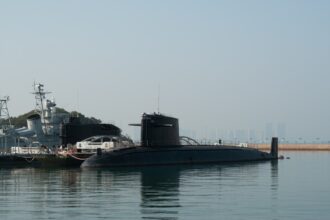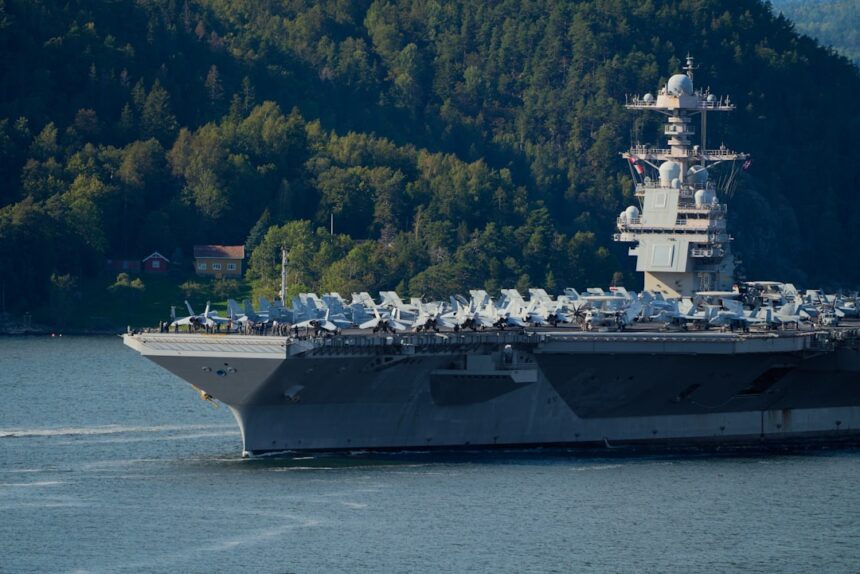
To grasp the complexities of the Cold War, one must first understand the historical context that shaped this prolonged period of tension between the United States and the Soviet Union. Following World War II, the world became divided into two ideological camps: capitalism, championed by the U.S., and communism, led by the USSR. This ideological division represented a fundamental disagreement about societal organization and governance.
While the Cold War lacked direct military confrontation between the superpowers, it featured intense rivalry that influenced global politics, economics, and culture for decades. The Cold War extended beyond a binary conflict, involving numerous nations and movements worldwide. Countries across Europe, Asia, Africa, and Latin America were caught in this ideological struggle, often forced to align with one side or attempt to maintain neutrality.
The conflict’s impact manifested through military alliances such as NATO and the Warsaw Pact, as well as through cultural exchanges and propaganda campaigns. Understanding these dynamics is essential for comprehending how military strategies evolved during this period and how they continue to shape contemporary geopolitical relations.
Key Takeaways
- The Cold War was defined by a complex interplay of military strategy, nuclear deterrence, and ideological conflict.
- Proxy wars and espionage were critical tools used to exert influence without direct confrontation.
- Technological advancements significantly shaped military tactics and strategic planning during the Cold War.
- Alliances and coalitions played a vital role in maintaining balance and projecting power globally.
- Adapting to shifting geopolitical realities was essential for effective Cold War military strategy and offers lessons for future conflicts.
The Role of Military Strategy in the Cold War
Military strategy during the Cold War was not solely about preparing for conventional warfare; it was a multifaceted approach that encompassed deterrence, defense, and diplomacy. As you explore this aspect, you will find that both superpowers invested heavily in their military capabilities, not just to prepare for potential conflicts but also to project power and influence globally. The arms race became a defining feature of this period, with both the U.S.
and the USSR amassing vast arsenals of nuclear weapons and conventional forces. This buildup was not merely a show of strength; it was a calculated strategy aimed at deterring aggression from the other side.
The U.S. sought to prevent the spread of communism beyond its existing borders, leading to various military interventions and support for anti-communist regimes worldwide. This strategy required a delicate balance between showing military strength and engaging in diplomatic efforts to avoid direct confrontation.
As you analyze these strategies, consider how they shaped not only military engagements but also international relations and alliances during this tumultuous period.
The Importance of Nuclear Deterrence

Nuclear deterrence emerged as a cornerstone of military strategy during the Cold War, fundamentally altering the nature of warfare and international relations. You will find that both superpowers recognized that the sheer destructive power of nuclear weapons could serve as a powerful deterrent against direct conflict. The doctrine of mutually assured destruction (MAD) became a guiding principle, suggesting that any nuclear attack would result in catastrophic retaliation, thereby discouraging both sides from initiating a nuclear war.
As you explore this concept further, consider how nuclear deterrence influenced military planning and decision-making. The presence of nuclear weapons led to a heightened sense of caution among leaders, as they navigated crises such as the Cuban Missile Crisis in 1962. This standoff exemplified how close the world came to nuclear war and highlighted the precarious balance that defined Cold War politics.
You will see that while nuclear deterrence may have prevented large-scale conflicts between superpowers, it also created an environment rife with tension and uncertainty, shaping military strategies for decades to come.
Balancing Conventional and Unconventional Warfare
In your examination of Cold War military strategies, you will encounter the intricate balance between conventional and unconventional warfare. While both superpowers maintained large standing armies and advanced weaponry for traditional combat scenarios, they also recognized the importance of unconventional tactics in achieving their objectives. This included guerrilla warfare, psychological operations, and information warfare aimed at undermining opponents without engaging in direct confrontation.
You will find that unconventional warfare became particularly relevant in various proxy conflicts around the world. As you analyze these engagements, consider how both superpowers sought to extend their influence through support for insurgent movements or covert operations. This dual approach allowed them to engage in conflicts without risking direct military confrontation with one another, showcasing a strategic flexibility that defined much of the Cold War era.
The Use of Proxy Wars
| Aspect | Description | Key Metrics | Notable Examples |
|---|---|---|---|
| Nuclear Deterrence | Strategy to prevent enemy attack by promising massive retaliation with nuclear weapons. |
– Number of warheads: US (~31,000), USSR (~40,000) at peak – Delivery systems: ICBMs, SLBMs, strategic bombers – Mutually Assured Destruction (MAD) doctrine |
US Strategic Air Command, Soviet Strategic Rocket Forces |
| Proxy Wars | Indirect conflicts fought through allied countries to avoid direct superpower confrontation. |
– Number of proxy conflicts: Korean War, Vietnam War, Afghan War – Estimated casualties: Vietnam (~2 million), Korean (~2.5 million) – Military aid volume: Billions of tons of weapons and supplies |
Vietnam War, Korean War, Soviet-Afghan War |
| Espionage and Intelligence | Gathering information to gain strategic advantage and prevent surprise attacks. |
– Number of spies and agents: Thousands on both sides – Key agencies: CIA, KGB, MI6 – Notable operations: U-2 spy plane flights, Berlin Tunnel |
Operation Ajax, U-2 Incident, Berlin Tunnel |
| Conventional Forces Buildup | Maintaining large standing armies and advanced conventional weapons to deter or fight limited wars. |
– Active military personnel: US (~3.5 million), USSR (~5 million) – Tank numbers: USSR (~50,000), US (~20,000) – Naval power: Aircraft carriers, submarines, cruisers |
NATO forces, Warsaw Pact forces |
| Strategic Alliances | Forming military alliances to strengthen defense and project power globally. |
– NATO members: 12 original, expanded to 30+ – Warsaw Pact members: 8 – Joint military exercises frequency: Annual or biannual |
NATO, Warsaw Pact |
Proxy wars became a hallmark of Cold War military strategy, allowing both superpowers to engage in conflict indirectly while avoiding direct confrontation. As you explore this phenomenon, you will discover numerous examples where the U.S. and USSR supported opposing sides in regional conflicts, from Korea to Vietnam to Afghanistan.
These wars were often fueled by ideological motivations but were also deeply rooted in geopolitical interests. You will see that proxy wars served multiple purposes for both superpowers. They provided an opportunity to test military strategies and technologies without risking direct engagement with one another.
Additionally, these conflicts allowed for the projection of power and influence in regions deemed strategically important. As you analyze these proxy wars, consider their long-term implications on global politics and how they contributed to shaping national identities and regional dynamics.
The Role of Intelligence and Espionage
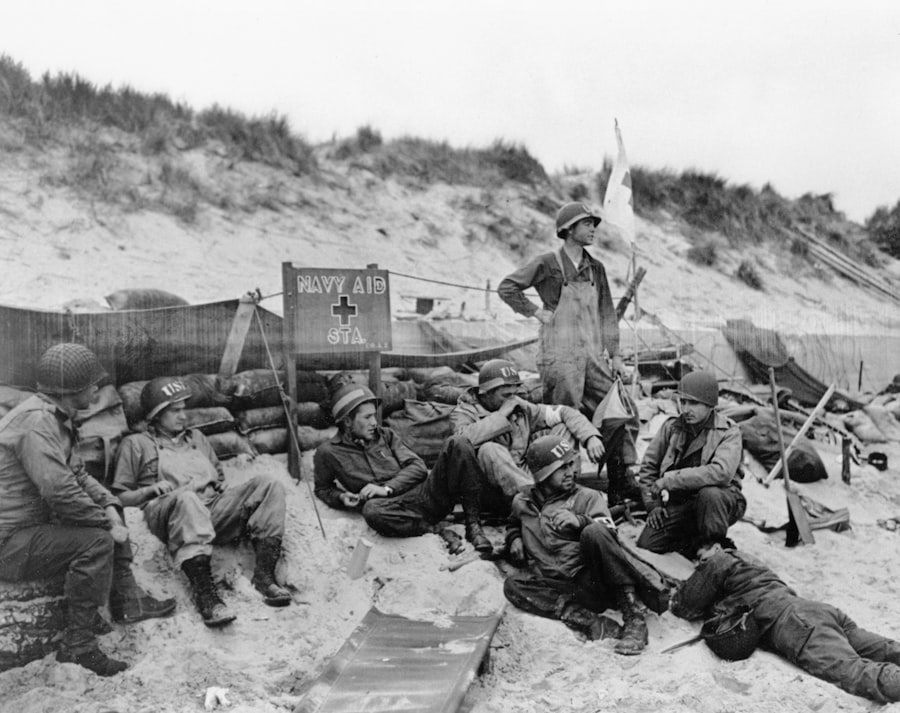
Intelligence and espionage played a critical role in shaping military strategies during the Cold War. You will find that both superpowers invested heavily in gathering information about each other’s capabilities, intentions, and vulnerabilities. This intelligence war was fought on multiple fronts—through human intelligence (HUMINT), signals intelligence (SIGINT), and satellite reconnaissance—each providing valuable insights that informed military planning and decision-making.
As you delve into this aspect, consider how intelligence failures could lead to significant consequences. Events such as the surprise attack on Pearl Harbor during World War II served as a stark reminder of the importance of accurate intelligence assessments. During the Cold War, both sides faced challenges in interpreting intelligence data correctly, leading to miscalculations that could have escalated tensions or even triggered conflict.
Understanding this intricate web of espionage will provide you with a deeper appreciation for how intelligence shaped military strategies throughout this era.
The Impact of Technology on Military Strategy
The Cold War was marked by rapid technological advancements that significantly influenced military strategy. As you explore this topic, you will find that innovations in weaponry, communication systems, and surveillance technologies transformed how wars were fought and how nations prepared for potential conflicts. The development of intercontinental ballistic missiles (ICBMs), for instance, changed the landscape of nuclear deterrence by allowing for quicker strikes over vast distances.
The introduction of advanced aircraft, tanks, and naval vessels allowed for more sophisticated military operations. Additionally, developments in information technology enabled better coordination among forces and improved decision-making processes.
As you analyze these technological advancements, consider how they not only influenced military strategies but also had broader implications for society and international relations during the Cold War.
The Influence of Ideology on Military Strategy
Ideology served as a driving force behind military strategies during the Cold War, shaping how both superpowers approached conflicts and alliances. You will find that the U.S. framed its military interventions as efforts to promote democracy and freedom against the perceived threat of communism.
Conversely, the Soviet Union positioned its actions as support for revolutionary movements seeking liberation from imperialism and capitalism. As you delve into this ideological framework, consider how it influenced public perception and support for military actions on both sides. Propaganda campaigns were employed to justify interventions and rally domestic support for military initiatives.
This ideological lens not only shaped military strategies but also had lasting effects on global perceptions of each superpower’s actions during this period.
The Role of Alliances and Coalitions
Alliances and coalitions were pivotal in shaping military strategies during the Cold War. You will find that both superpowers sought to build networks of allies to bolster their positions on the global stage. NATO emerged as a key alliance for the U.S., while the Warsaw Pact served as a counterbalance for the Soviet Union.
These alliances provided not only military support but also political legitimacy to their respective actions. As you explore these alliances further, consider how they influenced military planning and operations. Joint exercises, shared intelligence, and coordinated strategies became essential components of these partnerships.
However, you will also notice that maintaining unity within these alliances could be challenging due to differing national interests and priorities among member states.
Adapting to Changing Geopolitical Realities
The Cold War was characterized by shifting geopolitical realities that required both superpowers to adapt their military strategies continually. As you analyze this dynamic landscape, you will find that events such as decolonization movements in Africa and Asia or changes in leadership within key nations prompted reassessments of strategic priorities. The ability to adapt quickly to these changes became crucial for maintaining influence and power.
You will see that adaptability was not limited to military tactics; it extended to diplomatic efforts as well. Both superpowers engaged in negotiations and treaties aimed at reducing tensions or addressing emerging threats. The ability to pivot between confrontation and cooperation defined much of their interactions during this period.
Lessons Learned from Cold War Military Strategy
As you reflect on the lessons learned from Cold War military strategy, consider how these insights continue to resonate in contemporary geopolitics. The importance of deterrence remains relevant today as nations navigate complex security environments marked by nuclear proliferation and regional conflicts. Additionally, understanding the role of intelligence and technology can inform current military planning and operations.
Moreover, you will find that many of the ideological battles fought during the Cold War still echo in today’s global landscape. The need for effective alliances and coalitions remains critical as nations confront shared challenges such as terrorism or climate change. By examining these lessons from history, you can gain valuable insights into how military strategies evolve in response to changing geopolitical realities while recognizing enduring principles that continue to shape international relations today.
During the Cold War, military strategy was heavily influenced by the concept of deterrence, which aimed to prevent conflict through the threat of retaliation. A related article that delves deeper into the intricacies of Cold War military strategy can be found at this link. This article explores various tactics employed by both NATO and the Warsaw Pact, highlighting the balance of power that defined this tense period in history.
WATCH THIS 🎬 The 12-Hour Fuse: How One Man’s Vote Stopped Nuclear War
FAQs
What was the primary focus of Cold War military strategy?
The primary focus of Cold War military strategy was deterrence, particularly through the development and maintenance of nuclear arsenals to prevent direct conflict between the United States and the Soviet Union.
What is mutually assured destruction (MAD)?
Mutually assured destruction (MAD) is a military strategy and national security policy in which a full-scale use of nuclear weapons by two opposing sides would cause the complete annihilation of both the attacker and the defender, thus deterring either side from initiating a nuclear conflict.
How did the Cold War influence military alliances?
The Cold War led to the formation of military alliances such as NATO (North Atlantic Treaty Organization) led by the United States and the Warsaw Pact led by the Soviet Union, which structured the global balance of power and military cooperation.
What role did proxy wars play in Cold War military strategy?
Proxy wars were a key component of Cold War military strategy, where the superpowers supported opposing sides in regional conflicts (e.g., Korea, Vietnam, Afghanistan) to expand their influence without engaging in direct warfare.
What was the significance of nuclear arms race during the Cold War?
The nuclear arms race was significant as both the US and the USSR rapidly developed and stockpiled nuclear weapons, leading to a balance of power based on the threat of nuclear retaliation and shaping military strategies around deterrence.
How did technological advancements impact Cold War military strategy?
Technological advancements such as intercontinental ballistic missiles (ICBMs), submarine-launched ballistic missiles (SLBMs), spy satellites, and early warning systems greatly influenced Cold War military strategy by enhancing detection, delivery, and defense capabilities.
What was the strategy of containment during the Cold War?
Containment was a US policy aimed at preventing the spread of communism by providing political, military, and economic support to countries resisting Soviet influence, shaping many military interventions and alliances.
Did the Cold War military strategy involve conventional forces as well as nuclear weapons?
Yes, while nuclear weapons were central, conventional forces remained important for regional conflicts, deterrence, and maintaining military readiness in Europe and other strategic areas.
How did espionage and intelligence gathering fit into Cold War military strategy?
Espionage and intelligence gathering were critical for gaining strategic advantages, monitoring enemy capabilities, and preventing surprise attacks, involving agencies like the CIA and KGB.
What led to the eventual decline of Cold War military tensions?
The decline was influenced by arms control agreements (e.g., SALT, INF Treaties), economic pressures, political changes in the Soviet Union, and diplomatic efforts that reduced the risk of nuclear conflict and eased military tensions.