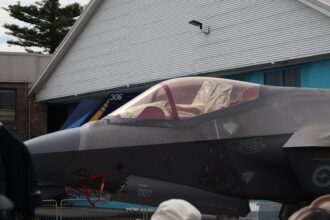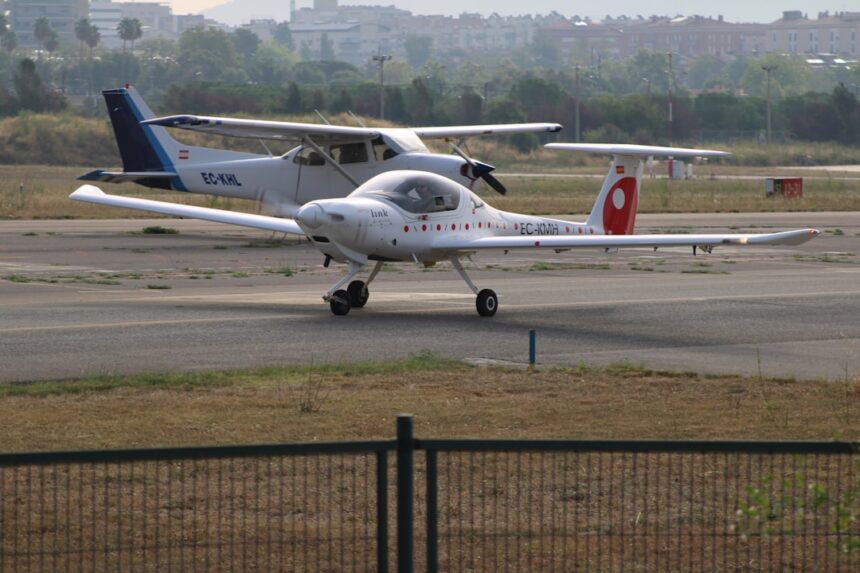
Air combat training scenarios serve as the backbone of military aviation, providing pilots with the necessary skills and experience to engage in aerial warfare effectively. These scenarios are meticulously designed to simulate real-world combat situations, allowing aviators to hone their abilities in a controlled environment.
By immersing pilots in realistic scenarios, military organizations aim to prepare them for the unpredictable nature of aerial engagements. The significance of air combat training scenarios extends beyond mere skill acquisition; they also foster critical thinking and adaptability among pilots. In the heat of battle, decisions must be made swiftly and accurately, often with limited information.
Training scenarios challenge pilots to think on their feet, adapt to changing circumstances, and collaborate with their team members. As such, these exercises are not only about mastering technical skills but also about cultivating the mental fortitude required for success in high-stakes environments.
Key Takeaways
- Air combat training covers basic to advanced maneuvers, emphasizing skill progression.
- Simulators play a crucial role in providing realistic and safe training environments.
- Effective communication, coordination, and teamwork are vital for successful air combat operations.
- Developing situational awareness and decision-making skills enhances pilot performance.
- Continuous evaluation and applying lessons learned improve real-life air combat effectiveness.
Basic Maneuvers and Techniques for Air Combat
At the foundation of air combat training are basic maneuvers and techniques that every pilot must master. These fundamental skills include aerial maneuvers such as turns, climbs, descents, and rolls, which are essential for positioning oneself advantageously during combat. Pilots learn to execute these maneuvers with precision, as even the slightest miscalculation can lead to dire consequences in a dogfight.
Mastery of basic techniques allows pilots to maintain control of their aircraft while simultaneously engaging enemy targets. In addition to physical maneuvers, pilots are trained in the use of weapons systems and targeting techniques. Understanding how to effectively deploy missiles, guns, and other armaments is crucial for achieving mission objectives.
Training scenarios often incorporate simulated engagements where pilots practice targeting and firing at enemy aircraft or ground installations. This hands-on experience is invaluable, as it builds confidence and familiarity with the aircraft’s capabilities, ultimately enhancing overall combat effectiveness. Learn about the fascinating story of a
Once pilots have a firm grasp of basic maneuvers, they progress to advanced tactics that require a deeper understanding of aerial combat dynamics. Advanced maneuvers such as the Immelmann turn, barrel roll, and split-S are introduced, each serving specific purposes in combat situations. These techniques allow pilots to gain altitude quickly, evade enemy fire, or reposition themselves for an advantageous attack.
Mastery of these advanced maneuvers is essential for pilots who wish to outmaneuver their adversaries in high-pressure situations. Moreover, advanced tactics often involve the integration of multiple aircraft working in concert. Pilots learn to coordinate their movements with wingmen and other squadron members to create tactical formations that maximize their collective effectiveness.
This teamwork is crucial in air combat, where the ability to anticipate an opponent’s moves and respond accordingly can mean the difference between victory and defeat. Training scenarios that emphasize these advanced tactics prepare pilots for the complexities of real-world engagements where collaboration is key.
Utilizing Simulators for Realistic Training Scenarios
In recent years, the use of flight simulators has revolutionized air combat training. These sophisticated systems provide a realistic environment where pilots can practice maneuvers and tactics without the risks associated with actual flight. Simulators can replicate various aircraft types and combat scenarios, allowing pilots to experience a wide range of situations from the safety of the ground.
This technology enables aviators to refine their skills repeatedly, making it an invaluable tool in their training arsenal.
After each training session, pilots can review their performance through debriefings that highlight strengths and areas for improvement.
This iterative process fosters a culture of continuous learning and adaptation, essential qualities for any successful pilot. Furthermore, simulators can be programmed to simulate enemy tactics and behaviors, providing pilots with a comprehensive understanding of how to respond effectively in diverse combat situations.
The Importance of Communication and Coordination in Air Combat
| Scenario | Objective | Duration (minutes) | Number of Aircraft | Training Focus | Difficulty Level |
|---|---|---|---|---|---|
| Basic Dogfight | Close-range air combat maneuvering | 20 | 2 (1v1) | Situational awareness, maneuvering | Beginner |
| Beyond Visual Range (BVR) Engagement | Long-range missile engagement | 30 | 4 (2v2) | Radar usage, missile tactics | Intermediate |
| Defensive Counter Air | Protect friendly assets from enemy fighters | 25 | 6 (3v3) | Team coordination, defense tactics | Advanced |
| Offensive Counter Air | Neutralize enemy air defenses and fighters | 35 | 8 (4v4) | Strike tactics, multi-ship coordination | Advanced |
| Night Combat | Engage targets under low visibility | 30 | 4 (2v2) | Instrument flying, target acquisition | Intermediate |
| Electronic Warfare Scenario | Operate in contested electronic environment | 40 | 6 (3v3) | Jamming, countermeasures, situational awareness | Advanced |
Effective communication and coordination are paramount in air combat scenarios. Pilots must be able to convey critical information quickly and clearly to their team members while also processing incoming data from various sources. This includes relaying positions, intentions, and any changes in strategy during engagements.
The ability to communicate effectively can significantly enhance situational awareness among team members, allowing them to make informed decisions in real-time. Coordination extends beyond verbal communication; it encompasses the synchronization of movements and tactics among multiple aircraft. In complex air combat scenarios, pilots must work together seamlessly to execute coordinated attacks or defensive maneuvers.
Training exercises often emphasize this aspect by requiring pilots to practice formations and tactics that rely on precise timing and positioning. The development of these skills ensures that when faced with real-world challenges, pilots can operate as a cohesive unit rather than as isolated individuals.
Understanding the Role of Technology in Air Combat Training
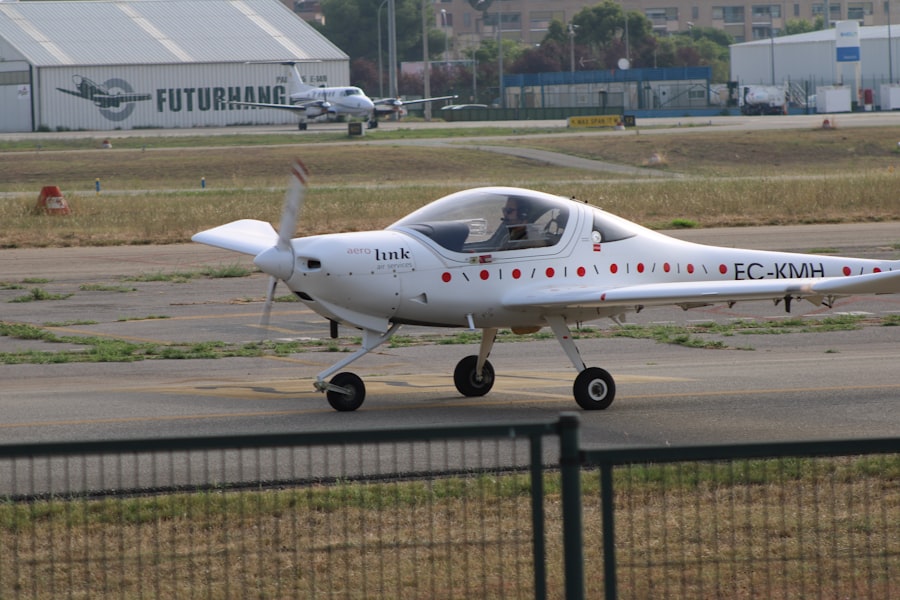
The landscape of air combat training has been profoundly influenced by advancements in technology. Modern aircraft are equipped with sophisticated avionics systems that enhance situational awareness and provide critical data during engagements. Pilots must be adept at interpreting this information quickly to make informed decisions in high-pressure situations.
Training programs now incorporate instruction on utilizing these technologies effectively, ensuring that pilots can leverage them to their advantage. Additionally, technology plays a vital role in the development of training scenarios themselves. Virtual reality (VR) and augmented reality (AR) systems are increasingly being integrated into training programs, offering immersive experiences that closely mimic real-world conditions.
These technologies allow pilots to engage in complex scenarios that would be difficult or impossible to replicate in traditional training environments. By embracing these innovations, military organizations can provide more effective training solutions that prepare pilots for the challenges they will face in actual combat.
Developing Situational Awareness and Decision-Making Skills
Situational awareness is a critical component of successful air combat operations. Pilots must maintain an acute understanding of their surroundings, including the positions of friendly and enemy aircraft, terrain features, and potential threats. Training scenarios are designed to enhance this awareness by immersing pilots in dynamic environments where they must constantly assess changing conditions.
Through repeated exposure to various scenarios, pilots learn to recognize patterns and anticipate potential outcomes. Decision-making skills are equally important in air combat training. Pilots must be able to evaluate information quickly and make choices that could have life-or-death consequences.
Training exercises often present pilots with time-sensitive challenges that require rapid assessment and action. By simulating high-pressure situations, instructors can help pilots develop the mental agility needed to make sound decisions under duress. This combination of situational awareness and decision-making proficiency is essential for achieving success in aerial engagements.
Adapting to Different Air Combat Environments and Scenarios
Air combat does not occur in a vacuum; it takes place across diverse environments that can significantly impact tactics and strategies. Pilots must be prepared to adapt their approaches based on factors such as weather conditions, terrain types, and the presence of enemy defenses. Training scenarios are designed to expose pilots to a variety of environments, ensuring they can adjust their tactics accordingly.
For instance, engaging in combat over mountainous terrain presents unique challenges compared to operations over open water or urban areas. Pilots must learn how to leverage the landscape to their advantage while also being aware of potential hazards. By incorporating different environments into training exercises, military organizations ensure that pilots are well-rounded and capable of handling any situation they may encounter during actual missions.
Evaluating and Analyzing Performance in Air Combat Training
Performance evaluation is a crucial aspect of air combat training that allows instructors to assess pilot proficiency and identify areas for improvement. After each training scenario, debriefings provide an opportunity for pilots to reflect on their actions and decisions while receiving constructive feedback from experienced instructors. This process not only reinforces learning but also encourages a culture of accountability among aviators.
In addition to verbal feedback, performance metrics are often collected during training exercises using advanced tracking systems. These metrics can include factors such as reaction times, accuracy in targeting, and adherence to tactical plans. By analyzing this data, instructors can gain insights into individual pilot performance as well as overall squadron effectiveness.
This analytical approach ensures that training remains focused on continuous improvement and skill development.
Incorporating Teamwork and Leadership in Air Combat Scenarios
Teamwork is an essential element of successful air combat operations. Pilots must work together seamlessly to achieve mission objectives while supporting one another during engagements. Training scenarios often emphasize collaborative tactics that require effective communication and coordination among team members.
By practicing these skills in a controlled environment, pilots develop the camaraderie necessary for successful operations in real-world situations. Leadership also plays a vital role in air combat training. As pilots progress through their careers, they may find themselves in positions where they must lead others during missions or training exercises.
Developing leadership skills is therefore crucial for fostering a culture of trust and accountability within a squadron. Training scenarios often include opportunities for aspiring leaders to take charge, allowing them to practice decision-making under pressure while guiding their peers toward success.
Applying Lessons Learned from Training Scenarios to Real-Life Situations
The ultimate goal of air combat training is to prepare pilots for real-life situations where they will face unpredictable challenges and high-stakes decisions. The lessons learned during training scenarios are invaluable when it comes time for pilots to engage in actual combat operations. By applying the skills they have honed through rigorous practice—such as situational awareness, decision-making, teamwork, and adaptability—pilots can navigate complex environments with confidence.
Moreover, the iterative nature of training ensures that lessons learned from one scenario can inform future exercises or real-world missions. Pilots who actively engage in self-reflection and seek feedback from instructors are better equipped to identify areas for growth and improvement over time. This commitment to continuous learning ultimately enhances overall mission readiness and effectiveness within military aviation units.
In conclusion, air combat training scenarios encompass a wide range of elements designed to prepare pilots for the complexities of aerial warfare. From mastering basic maneuvers to developing advanced tactics and leveraging technology, each aspect plays a critical role in shaping skilled aviators capable of thriving under pressure. Through effective communication, situational awareness, teamwork, and leadership development, military organizations ensure that their pilots are well-equipped for success both in training environments and real-life combat situations.
For those interested in enhancing their understanding of pilot training in air combat scenarios, a related article can be found on In The War Room. This resource provides valuable insights into various training methodologies and techniques used to prepare pilots for real-world combat situations. You can explore the article further by visiting In The War Room.
WATCH THIS! 🕵️ HE CHOSE BETRAYAL—And His Wife Paid the Price | The Billion Dollar Spy
FAQs
What are pilot training air combat scenarios?
Pilot training air combat scenarios are simulated aerial combat exercises designed to prepare pilots for real-world dogfighting and tactical engagements. These scenarios help pilots develop skills in maneuvering, targeting, and situational awareness.
Why are air combat scenarios important in pilot training?
Air combat scenarios are crucial because they provide pilots with realistic practice in handling high-pressure combat situations, improving decision-making, reaction times, and tactical proficiency without the risks of actual combat.
How are air combat scenarios conducted during pilot training?
Air combat scenarios are conducted using a combination of live flight exercises, flight simulators, and sometimes virtual reality systems. Pilots engage in mock dogfights, practicing offensive and defensive maneuvers against simulated or real opponents.
What skills do pilots develop through air combat training?
Pilots develop skills such as aerial maneuvering, target acquisition, weapons deployment, communication, teamwork, threat assessment, and situational awareness during air combat training.
Are there different types of air combat scenarios used in training?
Yes, training scenarios vary and can include one-on-one dogfights, team-based engagements, beyond-visual-range combat, and mixed-force exercises involving multiple aircraft types and support elements.
What role do simulators play in air combat training?
Simulators provide a safe, cost-effective environment for pilots to practice complex air combat scenarios, allowing repetition and analysis of maneuvers without the risks and expenses associated with live flights.
How often do pilots undergo air combat training?
The frequency of air combat training varies by military branch and pilot role but typically includes regular sessions throughout a pilot’s career to maintain and enhance combat readiness.
Can air combat training scenarios be customized?
Yes, training scenarios can be tailored to specific mission requirements, aircraft capabilities, and pilot skill levels to provide targeted and effective training experiences.
What technologies are used to enhance air combat training?
Technologies such as advanced flight simulators, virtual reality, augmented reality, radar tracking, and real-time data link systems are used to create immersive and realistic air combat training environments.
Do air combat training scenarios include electronic warfare elements?
Many advanced air combat training scenarios incorporate electronic warfare components, such as radar jamming and countermeasures, to prepare pilots for modern combat conditions.