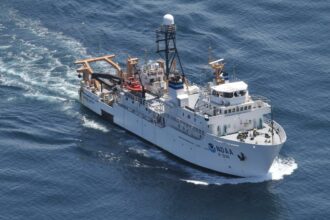
Acoustic warfare, a specialized domain within military strategy, involves the use of sound waves to detect, track, and engage enemy vessels and submarines. This form of warfare capitalizes on the unique properties of underwater acoustics, where sound travels more efficiently than in air, allowing for long-range detection capabilities. The principles of acoustic warfare are rooted in the physics of sound propagation, which varies significantly in different environments.
In the ocean, factors such as temperature, salinity, and depth can influence how sound waves travel, making it essential for naval forces to understand these dynamics to effectively utilize acoustic technologies. The significance of acoustic warfare extends beyond mere detection; it encompasses a range of tactics aimed at disrupting enemy operations. By employing sonar systems and other acoustic technologies, naval forces can gather intelligence on enemy movements and intentions.
This capability is particularly crucial in modern naval engagements, where stealth and surprise can determine the outcome of conflicts. As nations invest in advanced acoustic systems, the strategic landscape of naval warfare continues to evolve, highlighting the importance of understanding and mastering this complex field.
Key Takeaways
- Acoustic warfare is a critical component of modern naval strategy, focusing on the use of sound for detection and combat.
- Technological advancements have significantly enhanced acoustic warfare capabilities, especially in submarine and anti-submarine operations.
- Effective training and education are essential for maximizing the potential of acoustic warfare in naval forces.
- Integrating acoustic warfare with electronic warfare improves overall naval defense and operational effectiveness.
- Despite its importance, acoustic warfare faces challenges such as environmental limitations and the need for continuous technological innovation.
The Role of Acoustic Warfare in Naval Strategy
Acoustic warfare plays a pivotal role in shaping contemporary naval strategy. As nations seek to protect their maritime interests, the ability to detect and neutralize threats beneath the waves becomes increasingly vital. Acoustic systems provide navies with a strategic advantage by enabling them to monitor vast oceanic expanses and respond swiftly to potential threats.
This capability is particularly important in regions where traditional surveillance methods may be limited or compromised. Moreover, the integration of acoustic warfare into broader naval strategies allows for enhanced operational flexibility. By leveraging acoustic technologies, naval forces can conduct covert operations, gather intelligence, and maintain a persistent presence in contested waters.
This multifaceted approach not only strengthens deterrence but also enhances the overall effectiveness of naval operations. As adversaries continue to develop their own acoustic capabilities, the need for navies to adapt and innovate becomes paramount in maintaining maritime superiority.
The Evolution of Acoustic Warfare Technology
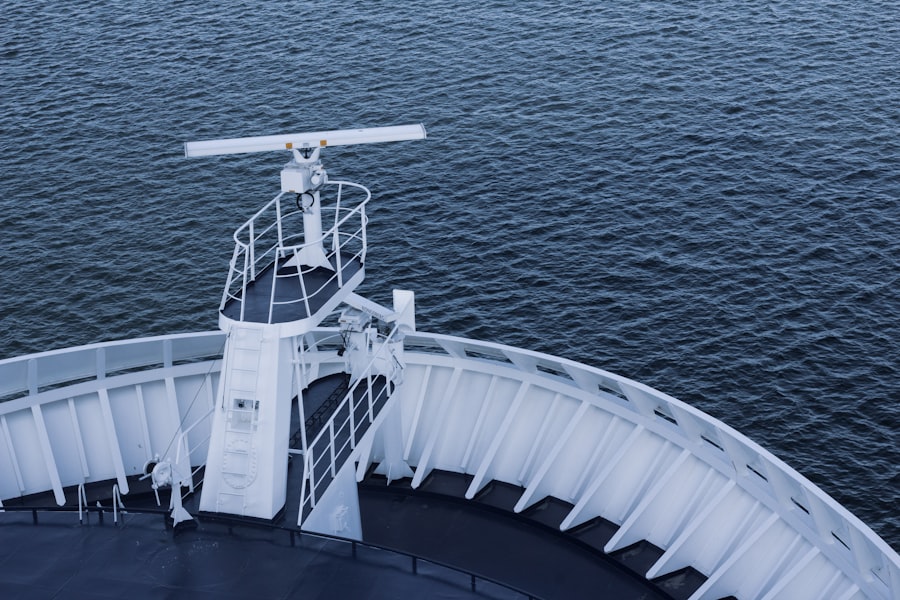
The evolution of acoustic warfare technology has been marked by significant advancements since its inception. Early sonar systems were rudimentary, relying on simple sound wave reflections to detect underwater objects. However, as technology progressed, so did the sophistication of these systems.
Modern sonar technologies now employ advanced algorithms and signal processing techniques that allow for greater accuracy and range. This evolution has transformed acoustic warfare from a basic detection tool into a comprehensive system capable of providing real-time situational awareness. In addition to sonar advancements, the development of unmanned underwater vehicles (UUVs) has further revolutionized acoustic warfare.
These autonomous systems can operate in hostile environments without risking human lives while gathering critical acoustic data. The integration of artificial intelligence into UUVs enhances their capabilities, allowing them to analyze acoustic signatures and make decisions based on real-time information. As technology continues to advance, the potential applications of acoustic warfare are expanding, promising new strategies for naval operations.
Training and Education for Acoustic Warfare
| Training Program | Duration | Key Topics Covered | Target Audience | Assessment Method | Certification |
|---|---|---|---|---|---|
| Acoustic Warfare Fundamentals | 4 weeks | Sonar principles, signal processing, threat detection | Naval Officers, Sonar Technicians | Written exam, practical exercises | Certificate of Completion |
| Advanced Acoustic Signal Analysis | 6 weeks | Advanced signal processing, noise reduction, target classification | Acoustic Analysts, Engineers | Project work, oral presentation | Advanced Acoustic Warfare Specialist |
| Acoustic Countermeasures and Defense | 3 weeks | Countermeasure technologies, deployment tactics, electronic warfare integration | Electronic Warfare Officers, Tactical Teams | Simulation exercises, tactical drills | Countermeasures Operator Certification |
| Underwater Acoustic Warfare Simulation Training | 2 weeks | Real-time simulation, threat response, team coordination | All Acoustic Warfare Personnel | Performance evaluation in simulation | Simulation Training Completion |
| Research and Development in Acoustic Warfare | Ongoing | Emerging technologies, experimental techniques, data analysis | Scientists, R&D Engineers | Research publications, peer review | Research Contributor Recognition |
To effectively harness the power of acoustic warfare, comprehensive training and education programs are essential for naval personnel. Understanding the complexities of underwater acoustics requires specialized knowledge in physics, engineering, and signal processing. Naval forces invest significant resources in training programs that equip personnel with the skills needed to operate advanced sonar systems and interpret acoustic data accurately.
Moreover, simulation-based training has become an integral part of preparing personnel for real-world scenarios. By utilizing advanced simulation technologies, naval forces can create realistic training environments that mimic various underwater conditions. This approach allows personnel to practice their skills in a controlled setting, enhancing their readiness for actual operations.
As the field of acoustic warfare continues to evolve, ongoing education and training will be crucial in ensuring that naval forces remain at the forefront of this critical domain.
Utilizing Acoustic Warfare for Submarine Operations
Submarines are often considered the silent sentinels of naval warfare, and acoustic warfare is central to their operational effectiveness. The ability to detect enemy vessels while remaining undetected is paramount for submarines engaged in covert operations. Advanced sonar systems enable submarines to gather intelligence on enemy movements and assess potential threats without revealing their own position.
In addition to detection capabilities, acoustic warfare also plays a crucial role in submarine communication. Submarines often rely on underwater acoustics for communication with surface vessels and other submarines. This reliance on sound-based communication necessitates a deep understanding of acoustic principles to ensure secure and effective exchanges of information.
As submarine technology continues to advance, the integration of sophisticated acoustic systems will further enhance their operational capabilities.
Acoustic Warfare in Anti-Submarine Warfare
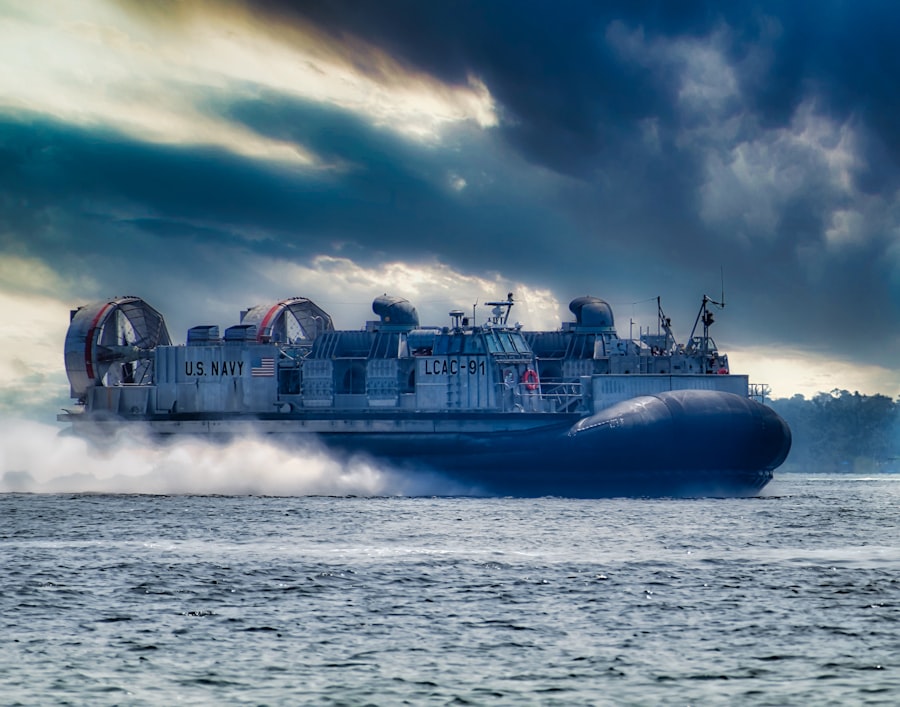
Anti-submarine warfare (ASW) is a critical component of naval strategy, aimed at detecting and neutralizing enemy submarines before they can pose a threat. Acoustic warfare serves as the backbone of ASW operations, providing navies with the tools needed to locate and track submerged adversaries. The use of advanced sonar systems allows naval forces to create detailed acoustic profiles of enemy submarines, enabling them to anticipate their movements and intentions.
In recent years, the development of multi-static sonar systems has further enhanced ASW capabilities. These systems utilize multiple sonar sources and receivers distributed over a wide area, allowing for improved detection accuracy and range.
Integrating Acoustic Warfare with Electronic Warfare
The integration of acoustic warfare with electronic warfare (EW) represents a significant advancement in modern naval strategy. While acoustic warfare focuses on sound-based detection and engagement methods, electronic warfare employs electromagnetic spectrum manipulation to disrupt enemy communications and radar systems. By combining these two domains, naval forces can create a more comprehensive approach to countering threats.
For instance, during an engagement with an adversary’s submarine fleet, a navy might employ electronic warfare tactics to jam enemy communications while simultaneously using acoustic systems to track their movements. This dual approach not only complicates the adversary’s response but also enhances the effectiveness of both acoustic and electronic warfare operations. As technology continues to advance, the synergy between these two domains will likely become increasingly important in shaping future naval strategies.
The Importance of Acoustic Warfare in Naval Defense
The importance of acoustic warfare in naval defense cannot be overstated. As global maritime tensions rise and new threats emerge, navies must prioritize their ability to detect and neutralize underwater threats effectively. Acoustic warfare provides a critical layer of defense by enabling navies to monitor vast oceanic areas and respond swiftly to potential incursions.
Furthermore, as nations invest in advanced submarine technologies and stealth capabilities, the need for robust acoustic systems becomes even more pronounced. The ability to detect stealthy submarines before they can launch an attack is essential for maintaining maritime security. By prioritizing acoustic warfare within their defense strategies, navies can enhance their deterrence capabilities and ensure that they remain prepared for any potential conflict.
Challenges and Limitations of Acoustic Warfare
Despite its many advantages, acoustic warfare is not without challenges and limitations. One significant challenge lies in the complexity of underwater acoustics itself. Factors such as ocean currents, temperature gradients, and background noise can all impact the effectiveness of sonar systems.
These variables can make it difficult for operators to distinguish between genuine threats and false positives, complicating decision-making processes during critical operations. Additionally, advancements in stealth technology pose a growing challenge for acoustic warfare capabilities. As adversaries develop quieter submarines and advanced noise-reduction techniques, traditional sonar systems may struggle to detect these stealthy vessels effectively.
This arms race necessitates continuous innovation within the field of acoustic warfare to ensure that navies can maintain their edge over emerging threats.
Future Developments in Acoustic Warfare
Looking ahead, future developments in acoustic warfare are likely to be driven by advancements in technology and changing operational requirements. The integration of artificial intelligence (AI) into sonar systems holds great promise for enhancing detection capabilities. AI algorithms can analyze vast amounts of acoustic data quickly and accurately, allowing operators to identify potential threats more efficiently.
Moreover, ongoing research into new materials and designs for sonar transducers may lead to improved sensitivity and range for acoustic systems. As navies continue to explore innovative solutions for underwater detection and engagement, the future landscape of acoustic warfare will undoubtedly be shaped by these technological advancements.
The Impact of Acoustic Warfare on Naval Strategy
In conclusion, acoustic warfare has emerged as a cornerstone of modern naval strategy, influencing how nations approach maritime security and defense operations. Its ability to detect and engage underwater threats provides navies with a critical advantage in an increasingly complex operational environment. As technology continues to evolve, so too will the strategies employed by naval forces around the world.
The integration of acoustic warfare with other domains—such as electronic warfare—further enhances its effectiveness and underscores its importance in contemporary military operations. However, challenges remain that require ongoing innovation and adaptation within this field. Ultimately, as nations navigate the complexities of modern maritime conflicts, the impact of acoustic warfare on naval strategy will remain profound and enduring.
Acoustic warfare has become an increasingly important aspect of naval strategy, particularly in the context of modern maritime conflicts. For a deeper understanding of how acoustic technologies are being integrated into naval operations, you can read the article on this topic at this link. This article explores the implications of acoustic warfare on naval tactics and the evolving nature of underwater combat.
WATCH THIS! The Billion-Dollar Whisper: How One KGB Mole Made Every Soviet Submarine Visible
FAQs
What is acoustic warfare in naval strategy?
Acoustic warfare in naval strategy involves the use of sound waves and sonar technology to detect, track, and counter enemy submarines, ships, and underwater threats. It includes both offensive and defensive measures that utilize acoustic signals.
How is sonar used in acoustic warfare?
Sonar (Sound Navigation and Ranging) is a key tool in acoustic warfare. It emits sound pulses underwater and listens for echoes to locate and identify objects such as submarines or mines. Active sonar sends out sound waves, while passive sonar listens for sounds made by other vessels.
What are the main objectives of acoustic warfare?
The primary objectives are to detect enemy underwater vessels, protect friendly ships and submarines, disrupt enemy communications and navigation, and deploy countermeasures to evade or neutralize threats.
What types of acoustic countermeasures are used in naval warfare?
Common acoustic countermeasures include decoys that mimic ship noises, noise-makers to confuse sonar, and stealth technologies that reduce a vessel’s acoustic signature to avoid detection.
Why is acoustic warfare important in modern naval operations?
Acoustic warfare is crucial because underwater detection is challenging due to the ocean environment. Effective acoustic strategies enhance situational awareness, improve defense capabilities, and provide tactical advantages in submarine and anti-submarine warfare.
Can acoustic warfare affect marine life?
Yes, the use of sonar and other acoustic devices can impact marine animals, particularly mammals like whales and dolphins, which rely on sound for communication and navigation. Navies often implement measures to minimize environmental harm.
What advancements are being made in acoustic warfare technology?
Advancements include improved sonar resolution, artificial intelligence for better signal processing, quieter propulsion systems for submarines, and enhanced acoustic countermeasures to increase survivability and detection capabilities.
How do navies train for acoustic warfare?
Navies conduct specialized training exercises involving sonar operation, acoustic signal analysis, and countermeasure deployment. These exercises simulate real-world scenarios to prepare personnel for effective acoustic warfare tactics.