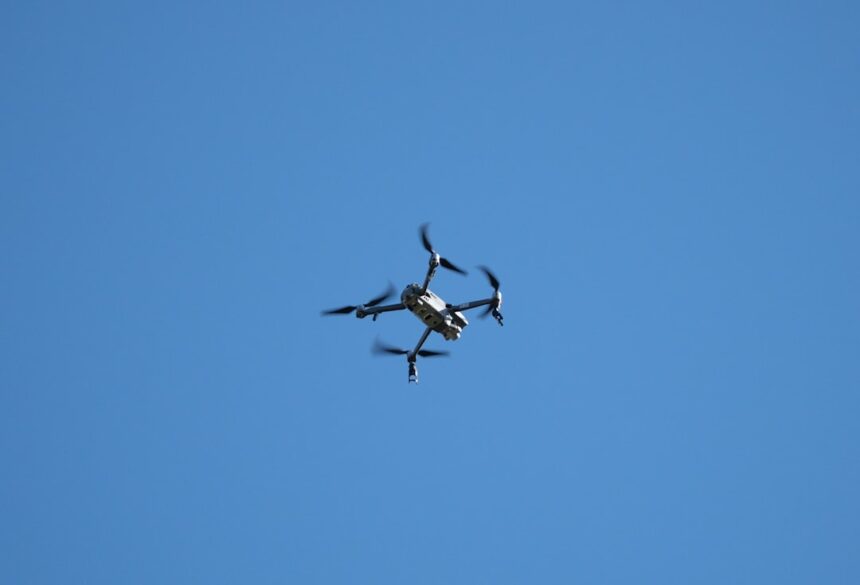
The rapid proliferation of Unmanned Aerial Vehicles (UAVs) across various sectors – from commercial delivery and aerial surveillance to agricultural monitoring and defense – has undoubtedly brought about transformative efficiencies. However, this accelerated adoption has also introduced a less visible, yet critical, operational challenge: the management of drone airframe spare parts. As the number of deployed drones escalates, so does the likelihood of component failures, environmental damage, and operational wear and tear, leading to an inevitable surge in the demand for replacement airframes and their constituent parts. Effectively navigating these surges is paramount for maintaining operational continuity, minimizing downtime, and controlling costs. This article delves into the multifaceted strategies and considerations required for robust management of drone airframe spare surges.
The recent surge in demand for drone airframe spares has been a topic of significant interest in the aerospace industry. A related article that delves deeper into the factors driving this increase can be found at In The War Room. This piece explores the implications of heightened drone usage in both commercial and military applications, highlighting how supply chain challenges and technological advancements are shaping the market for airframe components.
Understanding the Dynamics of Spare Part Demand
The unpredictable nature of spare part demand is a core challenge. While scheduled maintenance can anticipate certain replacements, many surges stem from unforeseen events, making their prediction a complex undertaking. Effective management requires a deep understanding of the factors driving this demand.
Identifying the Drivers of Demand
- Operational Intensity and Flight Hours: The more a drone is deployed and the longer its flight duration, the higher the probability of component fatigue and eventual failure. High-intensity operations, such as those in competitive commercial sectors or continuous surveillance missions, will naturally exert greater stress on airframes.
- Environmental Factors: Operating drones in harsh environments—extreme temperatures, high humidity, dusty conditions, or areas with significant electromagnetic interference—can accelerate degradation and increase the risk of airframe damage. Storms, unexpected impacts with obstacles, or even bird strikes can lead to immediate demand for replacements.
- Technical Obsolescence and Design Flaws: As drone technology evolves, older models may become obsolete, and even current designs can sometimes reveal inherent weaknesses or design flaws that manifest as common failure points. This can trigger unexpected surges in demand for specific replacement parts or even entire airframes.
- User Error and Pilot Mismanagement: While drone technology is becoming more sophisticated, human error remains a significant factor. Mishandling, improper landing procedures, or inattentive operation can lead to crashes and subsequent damage requiring spare parts.
- Unforeseen Events and Accidents: Beyond standard wear and tear, accidents, collateral damage from external incidents, or even acts of vandalism can necessitate immediate spare part provisioning. Pandemics or geopolitical events can also indirectly influence supply chain dynamics, impacting spare part availability.
- Regulatory Changes: New regulations concerning drone usage, maintenance schedules, or component standards can sometimes necessitate retrofitting or replacement of existing airframe components, leading to sudden demand spikes.
The Impact of Unmanaged Surges
Failure to adequately prepare for and manage surges in drone airframe spare parts can have cascading negative consequences for organizations.
- Extended Downtime: The most immediate impact is prolonged periods of aircraft inactivity. When critical airframe components or entire units are unavailable due to a surge in demand, drones are grounded, directly impacting operational output and revenue generation. For services reliant on continuous operation, this can be financially devastating.
- Increased Operational Costs: Unplanned procurements during surges often come at a premium. Expedited shipping, rush orders, and limited supplier options can significantly inflate the cost of acquiring necessary spares. Furthermore, the cost of lost revenue due to downtime adds to the financial burden.
- Compromised Mission Objectives: For organizations with time-sensitive mission profiles, such as emergency response or critical infrastructure inspection, unavailable drones due to spare part shortages can mean failure to achieve objectives, with potentially severe consequences.
- Reputational Damage: Consistently failing to deliver services due to unreliable drone operations can damage an organization’s reputation, eroding client trust and impacting future business opportunities. In sectors like public safety, such failures can have broader societal implications.
- Supply Chain Disruptions: A surge in demand can strain not only the spares supplier but also the original equipment manufacturer (OEM) and their material suppliers. This can create ripple effects throughout the entire supply chain, impacting broader availability and leading to further price increases.
Strategic Inventory Management for Surge Mitigation
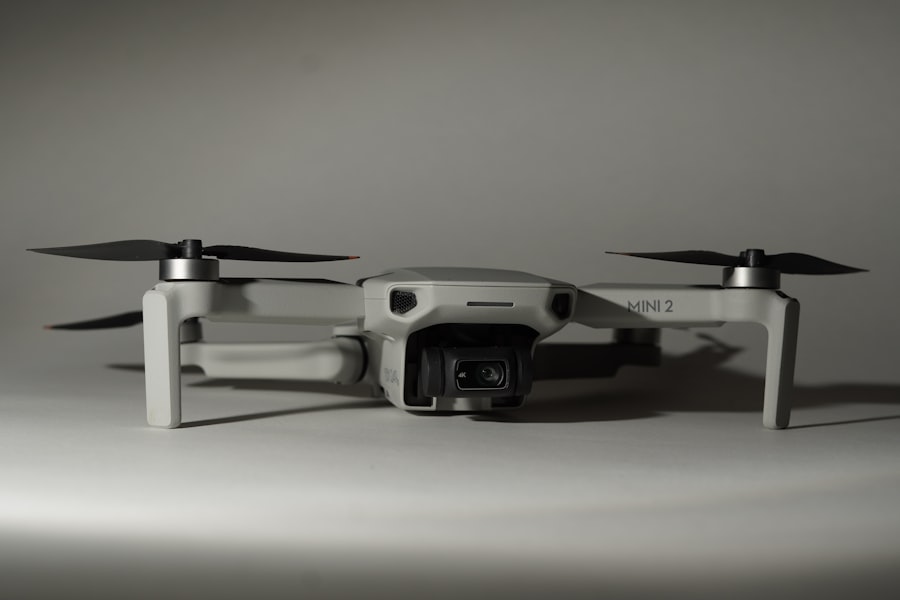
Effective inventory management is the bedrock of mitigating spare part surges. It requires a proactive approach that balances the costs of holding inventory against the risks of stockouts.
Establishing a Robust spares Catalog and Bill of Materials (BOM)
A comprehensive and accurate catalog of all drone airframe components is the foundational element of any effective spare parts management system. This catalog should be meticulously linked to the Bill of Materials (BOM) for each drone model in operation.
- Detailed Component Identification: Each part must be uniquely identified with clear descriptions, manufacturer part numbers, and any relevant engineering specifications. This granular level of detail is crucial for accurate ordering and to avoid procuring incorrect or incompatible components.
- Interchangeability and Substitution Analysis: Identifying components that are interchangeable across different drone models or can be substituted with alternative parts is vital. This expands the pool of available spares during a surge and can offer cost-saving opportunities.
- Life Cycle Tracking: Understanding the expected lifespan of each component is essential for predictive maintenance and proactively ordering replacements before they fail, thereby smoothing out demand.
Implementing a Multi-Tiered Inventory Strategy
A single inventory strategy is unlikely to be sufficient. A tiered approach, considering criticality and demand frequency, can optimize resource allocation.
- Critical Spares: These are components whose failure would immediately render a drone inoperable or pose a significant safety risk. A higher safety stock level for these parts is generally warranted, ensuring their immediate availability. This often includes structural components, primary flight control surfaces, and essential motor or battery connection hardware.
- High-Demand Spares: Parts that experience frequent replacement due to wear and tear or common failure modes should be maintained at sufficient stock levels to meet anticipated demand. This might include landing gear components, propeller adapters, or certain sensor mounting hardware.
- Low-Demand/Specialty Spares: These are parts that are rarely replaced or are specific to niche models. For these, a more lean inventory approach may be appropriate, relying on faster procurement or on-demand manufacturing if they are needed. The risk of extended lead times for these items needs careful consideration.
Leveraging Data Analytics for Demand Forecasting
While predicting exact surge timings is difficult, data analytics can provide valuable insights into probable demand patterns and magnitudes.
- Historical Consumption Analysis: Analyzing past spare part consumption data, correlated with flight hours, environmental conditions, and known operational incidents, can reveal trends and identify common failure points. This forms the basis for more informed forecasting.
- Predictive Maintenance Data Integration: Integrating data from drone onboard diagnostics and sensor readings can predict component degradation and potential failures before they occur. This allows for proactive ordering and maintenance scheduling, smoothing out demand.
- Scenario Planning and Simulation: Developing models that simulate various operational scenarios and their potential impact on spare part demand can help organizations prepare contingency plans. This includes simulating the impact of increased operational tempo or the occurrence of specific environmental conditions.
- Machine Learning Applications: Advanced machine learning algorithms can be employed to identify complex patterns and correlations in vast datasets, leading to more accurate demand forecasts and better inventory optimization, especially in large-scale drone fleets.
Building a Resilient Supply Chain
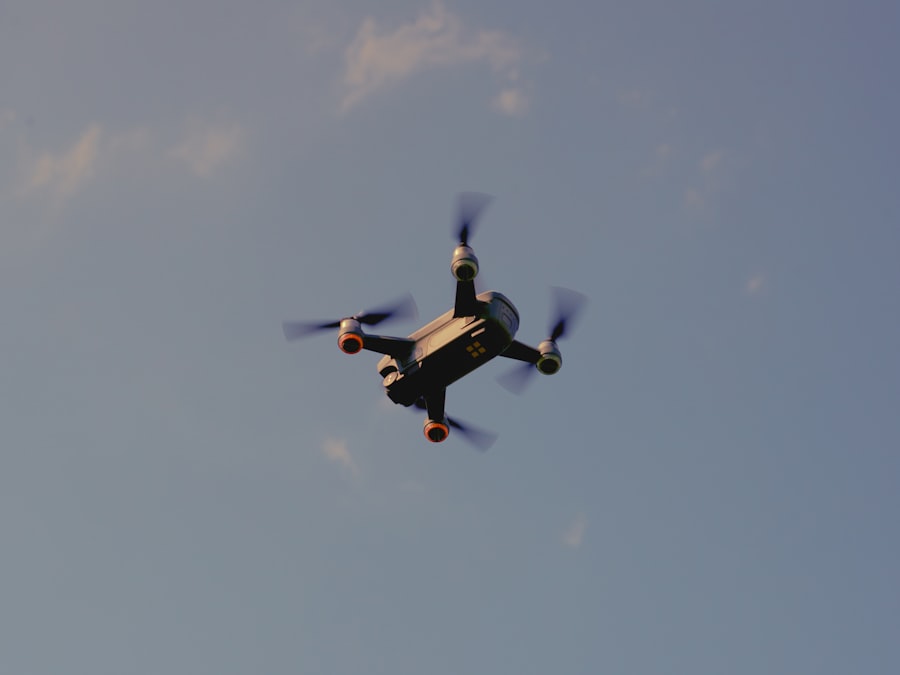
The most robust inventory strategies can be undermined by a fragile supply chain. Building resilience is crucial for navigating spare part surges effectively.
Diversifying Supplier Relationships
Over-reliance on a single supplier for critical airframe components presents a significant vulnerability.
- Multiple OEM Suppliers: Where possible, maintaining relationships with more than one OEM for the same or comparable parts allows for procurement flexibility when one supplier faces production issues or price hikes.
- Aftermarket and Third-Party Providers: Exploring reputable aftermarket suppliers and third-party repair facilities can offer alternative sources for certain parts, potentially with faster turnaround times or lower costs, especially for older models. However, due diligence regarding quality and compliance is essential.
- Geographic Diversification: Sourcing from suppliers located in different geographical regions can mitigate risks associated with regional disruptions such as natural disasters, political instability, or trade disputes. This broadens the resilience of the supply network.
Establishing Strategic Partnerships and Service Level Agreements (SLAs)
Collaborating closely with key suppliers through formal agreements can ensure priority access and predictable service during periods of high demand.
- Priority Allocation Clauses: Negotiating SLAs that guarantee priority allocation of parts during surges ensures that your organization is not sidelined in favor of other customers.
- Guaranteed Lead Times: Establishing firm lead time commitments for critical components provides a degree of certainty and allows for more accurate operational planning.
- Joint Forecasting and Planning: Engaging in collaborative forecasting and planning with key suppliers allows for better anticipation of collective demand and helps them optimize their own production schedules.
- Consignment Stock Agreements: For highly critical or frequently needed parts, the possibility of establishing consignment stock with a supplier, where the supplier holds inventory at or near your operational base, can dramatically reduce lead times.
Exploring On-Demand Manufacturing and 3D Printing
In an era of advanced manufacturing, on-demand solutions can offer a powerful tool for surge management, especially for specialized or quickly obsolescent parts.
- Rapid Prototyping and Production: For certain structural or non-critical components, 3D printing can enable rapid production of replacements, significantly reducing lead times compared to traditional manufacturing processes. This is particularly useful for legacy systems or when a unique repair is needed.
- Digital Inventory and Reduced Warehousing: Digital blueprints for printable parts can reduce physical warehousing needs and ensure that parts can be manufactured locally or on-site when required, circumventing long shipping routes.
- Customization and Repair Solutions: On-demand manufacturing allows for the creation of custom parts or repair solutions tailored to specific damage scenarios, offering flexibility beyond standard off-the-shelf replacements.
The recent surge in demand for drone airframe spares has been a topic of significant interest among industry experts. This increase can be attributed to the rapid advancements in drone technology and the growing applications across various sectors. For those looking to understand the broader implications of this trend, a related article discusses the challenges and opportunities presented by the evolving drone market. You can read more about it in this insightful piece here.
Enhancing Operational Awareness and Incident Response
| Period | Number of Spares | Reason for Surge |
|---|---|---|
| January 2021 | 150 | Increased demand due to winter weather conditions |
| July 2021 | 200 | High usage during summer surveying season |
| October 2021 | 180 | Preparation for upcoming holiday season events |
Beyond inventory and supply chain considerations, fostering a culture of operational awareness and having a well-defined incident response plan are critical for managing surges.
Implementing Robust Maintenance and Inspection Protocols
Proactive maintenance is the first line of defense against unexpected failures and consequent spare part surges.
- Scheduled Preventive Maintenance: Adhering to strict schedules for routine checks and maintenance based on flight hours, calendar time, or operational cycles is fundamental. This allows for the identification and rectification of minor issues before they escalate.
- Condition-Based Monitoring (CBM): Utilizing sensor data and diagnostic tools to monitor the actual condition of airframe components allows for maintenance to be performed only when evidence of degradation is present, optimizing maintenance efficiency and deferring replacement until necessary.
- Post-Flight Inspections: Implementing thorough post-flight inspections, even for seemingly routine operations, can catch minor damage or anomalies that might otherwise be overlooked and contribute to larger failures later.
- Damage Assessment Procedures: Establishing clear procedures for assessing damage to airframes after any incident—crashes, hard landings, or environmental impacts—ensures a swift and accurate determination of required repairs or replacements.
Developing a Comprehensive Incident Response Plan
A well-rehearsed incident response plan ensures timely and effective action when a spare part surge event occurs.
- Designated Response Teams: Establishing clear roles and responsibilities for a dedicated team capable of managing spare part procurement, logistical coordination, and repair operations during a surge.
- Communication Cascades: Implementing clear communication channels and protocols to inform relevant stakeholders—operations, maintenance, procurement, and management—about the surge, its impact, and the mitigation efforts underway.
- Prioritization Framework: Developing a framework for prioritizing the repair or replacement of damaged airframes based on their operational criticality and availability to minimize overall impact on missions.
- Contingency Resource Allocation: Identifying and pre-arranging access to emergency funding, expedited shipping services, and temporary maintenance personnel to support surge response efforts. This proactive planning avoids delays when immediate resources are needed.
Technology and Innovation in Spare Part Management
The ongoing evolution of technology offers new avenues for optimizing drone airframe spare part management and proactively addressing surges.
Embracing Digital Twins and Predictive Analytics
Digital twin technology, a virtual representation of a physical drone, can revolutionize how spares are managed.
- Real-time Performance Monitoring: A digital twin can simulate the real-time performance of a physical drone, collecting data on stress, load, and environmental exposure. This data can then be used to predict wear and tear on specific components with unprecedented accuracy.
- Failure Mode Simulation: By simulating various operational scenarios and potential failure modes, organizations can proactively identify components that are at higher risk during surges and pre-order or pre-position spares accordingly.
- Optimized Maintenance Scheduling: The insights gained from digital twins can further refine predictive maintenance schedules, ensuring that parts are replaced at the optimal time, minimizing both downtime and unnecessary inventory holding.
Utilizing Blockchain for Supply Chain Transparency and Traceability
Blockchain technology offers a secure and immutable ledger for tracking the lifecycle of spare parts, enhancing trust and accountability.
- Enhanced Traceability: Each spare part can be registered on a blockchain, providing a complete and tamper-proof history of its manufacturing, distribution, and any repairs or modifications. This is crucial for ensuring the authenticity and airworthiness of components.
- Supply Chain Security: Blockchain can help identify counterfeit parts and ensure that only genuine, certified components enter the supply chain, particularly important in high-stakes industries like defense or commercial aviation.
- Streamlined Audits and Compliance: The transparent nature of blockchain simplifies audits and compliance checks, ensuring that all spare part management practices adhere to regulatory requirements. This can be invaluable when dealing with surges and the need for quick verification of part provenance.
Automated Inventory Management Systems
Sophisticated software solutions can automate many aspects of spare part management, from tracking stock levels to initiating reorder processes.
- Real-time Stock Tracking: Automated systems provide instantaneous visibility into inventory levels across all warehouses and operational locations, crucial for identifying potential shortages during a surge.
- Automated Reordering: Based on pre-defined thresholds and demand forecasts, these systems can automatically generate purchase orders, expediting the procurement process and reducing the risk of human error.
- Integration with ERP and MRO Systems: Seamless integration with Enterprise Resource Planning (ERP) and Maintenance, Repair, and Overhaul (MRO) systems creates a holistic view of operations, linking spare part availability directly to maintenance schedules and overall fleet readiness.
- Performance Reporting and Analytics: These systems generate detailed reports on inventory turnover, stockout rates, and supplier performance, providing valuable data for continuous improvement in surge management strategies.
In conclusion, the effective management of drone airframe spare part surges is not a reactive measure but a strategic imperative. It demands a proactive, multi-layered approach that encompasses robust inventory management, resilient supply chain strategies, enhanced operational awareness, and the strategic adoption of technological advancements. By understanding the drivers of demand, anticipating potential disruptions, and implementing well-defined processes, organizations can transform a potential operational bottleneck into a manageable aspect of their drone deployment, ensuring sustained efficiency and success in the evolving landscape of unmanned aerial systems.
FAQs
What are drone airframe spares?
Drone airframe spares are the components and parts of a drone’s airframe that may need to be replaced or repaired due to wear and tear, damage, or malfunction. These spares can include items such as propellers, motors, landing gear, and frames.
What are surge periods for drone airframe spares?
Surge periods for drone airframe spares refer to times when there is a sudden increase in demand for these spare parts. This can be due to various factors such as increased drone usage, seasonal changes, or new regulations requiring maintenance and replacement of parts.
Why do surge periods for drone airframe spares occur?
Surge periods for drone airframe spares can occur for a variety of reasons. These may include an increase in drone usage for commercial purposes, such as agriculture or aerial photography, as well as recreational use. Additionally, changes in weather conditions or new regulations may also contribute to surge periods as drones require more maintenance and replacement parts.
How do surge periods for drone airframe spares impact the industry?
Surge periods for drone airframe spares can impact the industry by creating increased demand for these parts, leading to potential shortages and longer lead times for obtaining spares. This can affect drone operators, manufacturers, and maintenance providers, as well as the overall supply chain for drone components.
What measures can be taken to address surge periods for drone airframe spares?
To address surge periods for drone airframe spares, industry stakeholders can implement measures such as increasing production capacity for spare parts, optimizing inventory management, and improving supply chain logistics. Additionally, proactive maintenance and monitoring of drone airframes can help reduce the impact of surge periods by minimizing the need for sudden replacements.