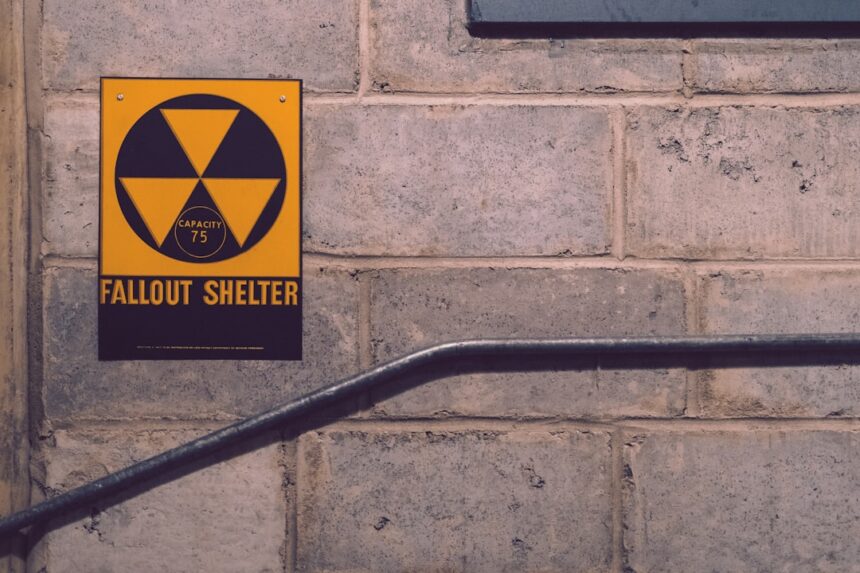
Nuclear command decisions carry immense weight, transcending military strategy to impact human existence itself. These decisions can alter history, reshape international relations, and determine the fate of millions. The irreversible nature of nuclear weapons means their deployment leads to catastrophic, far-reaching consequences.
Leaders must confront the reality that their choices could cause unprecedented loss of life and environmental devastation. The psychological burden of nuclear command decisions is significant. Authority figures face profound moral dilemmas when considering the use of such destructive power.
Knowing that a single order could unleash global devastation creates a substantial mental burden for decision-makers. This awareness promotes caution and deliberation, as leaders attempt to balance national security with humanitarian concerns. These complex decisions require comprehensive understanding of both immediate tactical implications and broader geopolitical contexts.
Key Takeaways
- Nuclear command decisions carry immense weight due to their potential global impact.
- The Commander-in-Chief holds ultimate authority but relies heavily on military advisors.
- Clear communication and delegation are critical to effective nuclear decision-making.
- Ethical and legal considerations deeply influence the process and implications of these decisions.
- The psychological burden on decision-makers is significant, reflecting the high stakes involved.
The role of the Commander-in-Chief in nuclear command decisions
The Commander-in-Chief holds a pivotal role in nuclear command decisions, serving as the ultimate authority responsible for authorizing the use of nuclear weapons. This position is not merely ceremonial; it demands a profound understanding of military strategy, international relations, and ethical considerations. The Commander-in-Chief must navigate a labyrinth of information, weighing intelligence reports against potential risks and consequences.
This responsibility requires not only strategic acumen but also a deep sense of moral obligation to protect both national interests and global stability. In addition to strategic decision-making, the Commander-in-Chief must also cultivate a robust relationship with military advisors and intelligence agencies. This collaboration is essential for ensuring that decisions are informed by accurate data and diverse perspectives.
The Commander-in-Chief’s ability to synthesize this information into coherent strategies can significantly influence the effectiveness of nuclear deterrence and response policies. Ultimately, the role demands a delicate balance between decisiveness and caution, as leaders must be prepared to act swiftly while also considering the long-term ramifications of their choices.
The process of making nuclear command decisions

The process of making nuclear command decisions is intricate and multifaceted, involving a series of steps designed to ensure that choices are made with the utmost care and consideration. Initially, this process begins with intelligence gathering, where data from various sources is analyzed to assess potential threats. This information is crucial for understanding the geopolitical landscape and determining whether a nuclear response is warranted.
Decision-makers must evaluate not only the immediate threat but also the broader implications of their actions on international relations. Once a threat is identified, the decision-making process shifts to deliberation among key military and political advisors. This stage involves rigorous discussions about potential courses of action, weighing the pros and cons of each option.
The input from military leaders, intelligence analysts, and diplomatic experts is invaluable in shaping a comprehensive response strategy. Ultimately, the Commander-in-Chief must distill this information into a decisive action plan, often under intense time pressure.
The importance of clear communication and delegation in nuclear command decisions
Clear communication is paramount in the realm of nuclear command decisions, as misunderstandings or misinterpretations can have catastrophic consequences. Effective communication ensures that all parties involved are aligned in their understanding of the situation and the proposed response. This alignment is particularly critical during high-stakes scenarios where time is of the essence.
Leaders must convey their intentions clearly to military personnel, ensuring that orders are executed precisely as intended. Delegation also plays a crucial role in this process. The complexity of nuclear command decisions necessitates that responsibilities be distributed among trusted advisors and military leaders.
By delegating specific tasks, the Commander-in-Chief can focus on overarching strategy while relying on experts to manage operational details. This collaborative approach not only enhances efficiency but also fosters a sense of shared responsibility among those involved in decision-making. Ultimately, clear communication and effective delegation are essential components that contribute to informed and timely nuclear command decisions.
The ethical considerations of nuclear command decisions
| Metric | Description | Typical Values | Significance |
|---|---|---|---|
| Decision Time | Time taken from detection of threat to launch authorization | Minutes to tens of minutes | Critical for rapid response and minimizing risk of surprise attack |
| Chain of Command Levels | Number of hierarchical levels involved in decision-making | 3 to 5 levels | Ensures checks and balances, but may affect speed |
| Communication Channels | Number of secure communication methods used | Multiple (e.g., satellite, radio, landline) | Redundancy to prevent communication failure |
| Authentication Protocols | Methods to verify identity of decision-makers | Codes, biometric verification, secure tokens | Prevents unauthorized launch orders |
| Launch Authorization Codes | Unique codes required to initiate launch | Typically 6-8 digits | Security measure to control nuclear weapons use |
| False Alarm Rate | Frequency of false threat detections | Very low, less than 1% annually | Minimizing false alarms reduces risk of accidental launch |
| Decision Support Systems | Technological aids used to assess threats | Advanced radar, satellite data, AI algorithms | Enhances accuracy and speed of decisions |
The ethical considerations surrounding nuclear command decisions are profound and multifaceted. Leaders must grapple with questions about the morality of using such devastating weapons, weighing national security interests against humanitarian concerns. The potential for mass destruction raises significant ethical dilemmas; decision-makers must consider not only the immediate impact on enemy forces but also the long-term consequences for civilian populations and global stability.
Furthermore, ethical considerations extend beyond immediate military objectives to encompass broader questions about justice and accountability. Leaders must reflect on their responsibilities to future generations and the legacy they leave behind. The use of nuclear weapons can have lasting repercussions on international norms and treaties aimed at preventing proliferation and promoting disarmament.
As such, decision-makers are tasked with navigating a complex moral landscape that requires them to balance competing interests while remaining mindful of their ethical obligations.
The impact of nuclear command decisions on global security
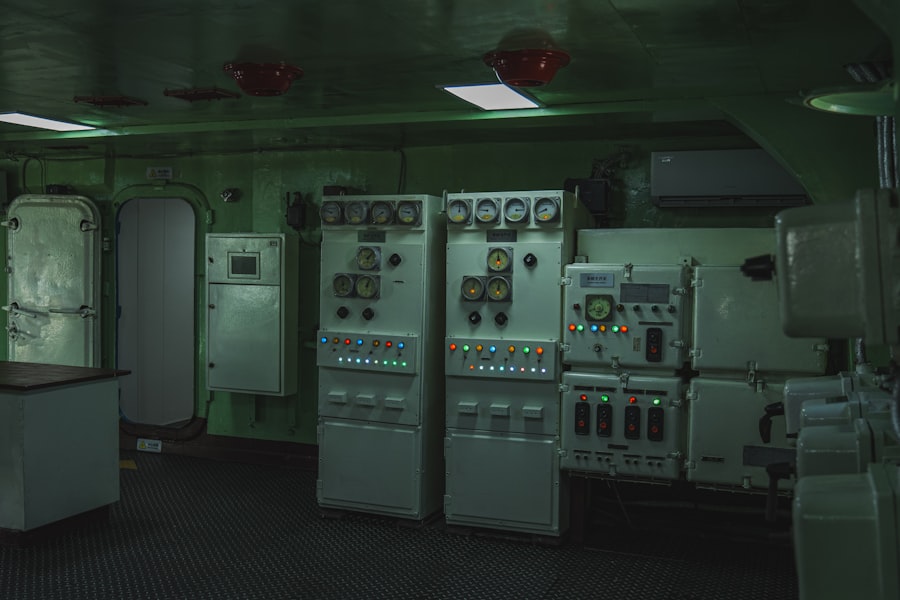
Nuclear command decisions have far-reaching implications for global security, shaping not only national defense strategies but also international relations as a whole. The existence of nuclear weapons serves as both a deterrent and a source of tension among nations. When one country perceives another as a potential threat, it may feel compelled to enhance its own nuclear capabilities, leading to an arms race that destabilizes regional and global security.
Moreover, the potential for miscalculation or accidental launch adds another layer of complexity to global security dynamics. The fear of unintended escalation looms large in international relations, prompting nations to engage in diplomatic efforts aimed at reducing tensions and fostering dialogue. Nuclear command decisions thus play a critical role in shaping not only military strategies but also diplomatic initiatives aimed at promoting peace and stability in an increasingly interconnected world.
The psychological toll of making nuclear command decisions
The psychological toll associated with making nuclear command decisions is significant and often overlooked. Leaders tasked with such responsibilities face immense pressure to make choices that could alter the course of history within moments. The weight of knowing that their decisions could lead to widespread destruction creates an environment fraught with anxiety and uncertainty.
This psychological burden can manifest in various ways, including stress-related health issues or difficulties in personal relationships. Additionally, the moral implications of these decisions can lead to profound internal conflict for leaders. Many grapple with feelings of guilt or remorse when contemplating the use of nuclear weapons, particularly when considering the potential loss of innocent lives.
This internal struggle can have lasting effects on mental health, influencing how leaders approach future decision-making processes. Recognizing and addressing these psychological challenges is essential for ensuring that those in positions of authority are equipped to make sound judgments under pressure.
The legal framework surrounding nuclear command decisions
The legal framework governing nuclear command decisions is complex and multifaceted, encompassing both domestic laws and international treaties. At the national level, countries establish protocols that dictate how nuclear weapons can be authorized for use, often requiring multiple layers of approval to prevent unauthorized launches. These legal safeguards are designed to ensure accountability and prevent impulsive actions that could lead to catastrophic consequences.
On an international scale, treaties such as the Treaty on the Non-Proliferation of Nuclear Weapons (NPT) aim to regulate nuclear arsenals and promote disarmament efforts among nations. These agreements create a legal basis for dialogue and cooperation regarding nuclear weapons while establishing norms around their use. However, compliance with these treaties can be challenging, as geopolitical tensions often complicate efforts to achieve consensus on disarmament initiatives.
Navigating this legal landscape requires careful consideration of both national interests and international obligations.
The role of military advisors in nuclear command decisions
Military advisors play an indispensable role in shaping nuclear command decisions, providing critical insights based on their expertise and experience. These advisors are tasked with analyzing intelligence reports, assessing potential threats, and recommending appropriate courses of action based on established military doctrine. Their input is vital for ensuring that decision-makers have access to accurate information when contemplating responses to emerging crises.
Furthermore, military advisors serve as a bridge between political leaders and operational forces, translating strategic objectives into actionable plans. Their ability to communicate effectively with both civilian leadership and military personnel is essential for maintaining coherence in decision-making processes. By fostering collaboration among various stakeholders, military advisors contribute significantly to informed nuclear command decisions that prioritize national security while minimizing risks.
The potential consequences of nuclear command decisions
The potential consequences of nuclear command decisions are staggering, encompassing immediate military outcomes as well as long-term geopolitical ramifications. A single order to deploy nuclear weapons can result in catastrophic loss of life, widespread destruction, and irreversible environmental damage. Beyond the immediate impact on targeted regions, such actions can destabilize entire nations and provoke retaliatory responses from adversaries.
Moreover, the repercussions extend far beyond military considerations; they can reshape global power dynamics and influence international relations for generations to come. Countries may respond by enhancing their own nuclear capabilities or forming new alliances based on perceived threats. The long-term effects on diplomacy, trade relations, and regional stability underscore the need for careful deliberation when making such consequential choices.
The ongoing debate surrounding nuclear command decisions
The ongoing debate surrounding nuclear command decisions reflects deep-seated concerns about security, ethics, and global stability. Advocates for disarmament argue that reliance on nuclear weapons perpetuates a cycle of fear and aggression that undermines peace efforts worldwide. They contend that reducing arsenals would enhance global security by minimizing the risk of accidental launches or miscalculations during crises.
Conversely, proponents of maintaining robust nuclear arsenals argue that deterrence remains essential for national security in an increasingly volatile world. They assert that possessing nuclear capabilities serves as a safeguard against existential threats posed by rogue states or terrorist organizations seeking access to such weapons. This debate highlights fundamental questions about how best to balance security needs with ethical considerations while navigating an ever-evolving geopolitical landscape.
In conclusion, nuclear command decisions represent one of the most complex challenges faced by leaders today. From understanding their weighty implications to navigating legal frameworks and ethical dilemmas, decision-makers must approach these choices with caution and foresight. As global security dynamics continue to evolve, ongoing dialogue about these issues will be essential for fostering peace and stability in an uncertain world.
A related article that delves into the intricacies of military strategy and decision-making processes can be found at