Nuclear deterrence is a military strategy designed to prevent hostile actions by threatening nuclear retaliation. The doctrine gained prominence during the Cold War as the United States and Soviet Union developed extensive nuclear arsenals. The core principle holds that nuclear weapons possession discourages conflict by creating the risk of mutual annihilation.
The psychological impact of these weapons influences state decision-making processes even without their use. Historical events, technological developments, and shifting geopolitical relationships have shaped nuclear deterrence theory and practice. The doctrine creates a form of stability through the balance of nuclear capabilities, though this equilibrium remains fragile.
Nuclear deterrence continues to influence international security dynamics, affecting contemporary discussions on arms control, disarmament, and non-proliferation policies. The concept remains central to understanding modern strategic relationships between nuclear-armed states and broader global security frameworks.
Key Takeaways
- Nuclear deterrence relies on the threat of retaliation to prevent nuclear conflict.
- Mutually Assured Destruction (MAD) was central to Cold War nuclear strategy.
- Effective command, control, and intelligence are crucial for maintaining deterrence.
- Diplomacy and technological advances shape the dynamics of nuclear deterrence.
- Ethical concerns and proliferation challenges complicate the future of nuclear strategy.
The Role of Nuclear Weapons in the Cold War
During the Cold War, nuclear weapons became central to the military strategies of both the United States and the Soviet Union. The arms race that characterized this period was not merely about stockpiling weapons; it was also about demonstrating technological superiority and political resolve. Each superpower sought to develop more advanced delivery systems, including intercontinental ballistic missiles (ICBMs) and submarine-launched ballistic missiles (SLBMs), which could strike targets across vast distances.
This relentless pursuit of nuclear capability was fueled by a deep-seated fear of the other side’s intentions, leading to an environment where trust was scarce and suspicion reigned supreme. The Cuban Missile Crisis of 1962 epitomized the high-stakes nature of nuclear weapons during this era. The world stood on the brink of nuclear war as the United States discovered Soviet missiles stationed in Cuba, just 90 miles from its shores.
This confrontation underscored the potential for catastrophic miscalculations and highlighted the importance of communication and negotiation in averting disaster. The Cold War ultimately demonstrated that while nuclear weapons could deter direct conflict between superpowers, they also created a volatile landscape where any misstep could lead to unprecedented destruction.
The Strategy of Mutually Assured Destruction
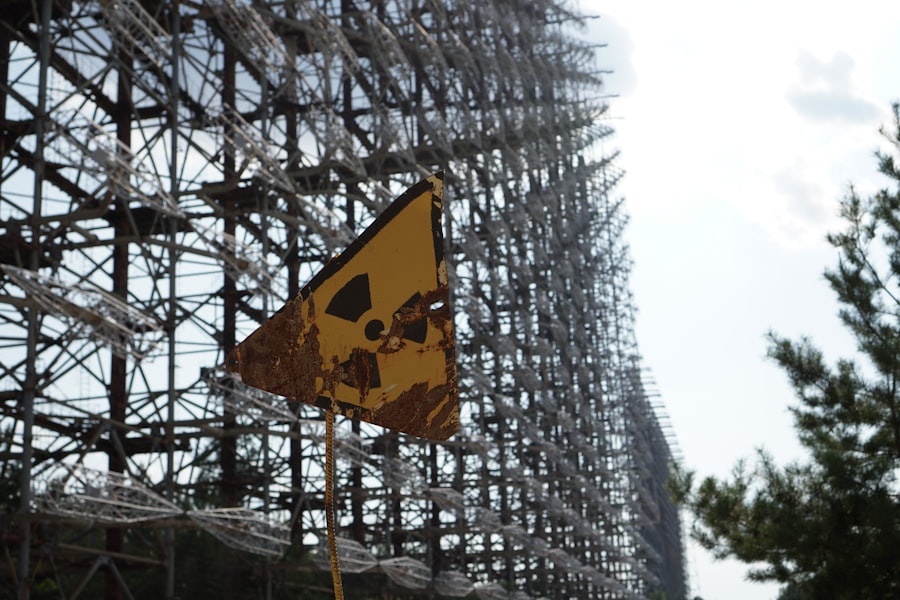
Mutually Assured Destruction (MAD) emerged as a cornerstone of nuclear strategy during the Cold War. This doctrine posited that if two opposing sides possessed enough nuclear weapons to ensure their own destruction in the event of a conflict, neither would initiate an attack for fear of triggering their own demise. MAD relied on the assumption that rational actors would prioritize their survival above all else, leading to a precarious balance where both sides maintained their arsenals as a deterrent against aggression.
The implications of MAD were profound, shaping military planning and international relations for decades. It fostered a sense of stability through fear, as both superpowers recognized that any nuclear exchange would result in catastrophic consequences for all involved. However, this strategy also raised ethical questions about the morality of relying on such destructive capabilities for national security.
Critics argued that MAD perpetuated a cycle of violence and undermined efforts toward disarmament, while proponents contended that it effectively prevented large-scale wars between nuclear-armed states.
The Development of Nuclear Arsenals
The development of nuclear arsenals has been marked by significant advancements in technology and changes in geopolitical landscapes. Initially, only a handful of nations possessed nuclear capabilities, but over time, more countries pursued their own programs, leading to a proliferation of nuclear weapons. The motivations behind these developments varied, ranging from national security concerns to aspirations for regional dominance.
As states sought to enhance their military capabilities, the global community grappled with the implications of an expanding nuclear landscape. In response to these developments, various treaties and agreements have been established to regulate nuclear proliferation and promote disarmament. The Treaty on the Non-Proliferation of Nuclear Weapons (NPT), signed in 1968, aimed to prevent the spread of nuclear weapons while promoting peaceful uses of nuclear energy.
Despite these efforts, challenges remain as new players enter the nuclear arena and existing powers modernize their arsenals. The ongoing evolution of nuclear capabilities raises critical questions about global security and the effectiveness of existing frameworks in managing these risks.
The Importance of Command and Control
| Metric | United States | Soviet Union | Notes |
|---|---|---|---|
| Year of First Nuclear Test | 1945 | 1949 | Start of nuclear arms race |
| Peak Number of Nuclear Warheads | 31,255 (mid-1960s) | 45,000+ (mid-1980s) | Estimates vary; peak arsenals during Cold War |
| ICBMs Deployed (approx.) | 1,000+ | 1,200+ | Intercontinental Ballistic Missiles |
| SLBMs Deployed (approx.) | 600+ | 400+ | Submarine-Launched Ballistic Missiles |
| Strategic Bombers | 300+ | 200+ | Long-range nuclear-capable bombers |
| Mutual Assured Destruction (MAD) | Established in 1960s | Established in 1960s | Doctrine preventing nuclear war |
| Major Treaties |
|
|
Arms control agreements |
| Estimated Annual Nuclear Spending (Cold War peak) | High (billions) | High (billions) | Exact figures classified |
Effective command and control systems are vital for maintaining nuclear deterrence and ensuring that nuclear arsenals are secure from unauthorized use or accidental launch. These systems encompass a range of protocols, technologies, and organizational structures designed to manage nuclear forces and decision-making processes. In an era where tensions can escalate rapidly, robust command and control mechanisms are essential for preventing misunderstandings that could lead to catastrophic outcomes.
The complexity of command and control is further compounded by technological advancements that have transformed communication and information-sharing capabilities.
As nations continue to refine their command and control structures, they must also navigate the delicate balance between maintaining readiness and ensuring stability in an increasingly unpredictable world.
The Role of Diplomacy in Nuclear Deterrence

Diplomacy plays a crucial role in shaping the landscape of nuclear deterrence by fostering dialogue and cooperation among nations. Through diplomatic channels, states can address concerns related to nuclear proliferation, engage in arms control negotiations, and build confidence-building measures that reduce tensions. The importance of diplomacy is underscored by historical instances where negotiations have successfully de-escalated crises and prevented conflicts from spiraling into nuclear confrontations.
One notable example is the Strategic Arms Reduction Treaty (START), which was signed between the United States and Russia in 1991. This landmark agreement aimed to reduce the number of strategic nuclear warheads and delivery systems held by both nations, marking a significant step toward arms control during a period of heightened tensions. Diplomatic efforts like START demonstrate that while deterrence is essential for national security, dialogue remains a critical tool for managing relationships between nuclear-armed states and mitigating risks associated with their arsenals.
The Impact of Technological Advancements
Technological advancements have significantly influenced the dynamics of nuclear deterrence over the years. Innovations in missile technology, surveillance systems, and cyber capabilities have transformed how nations perceive threats and respond to them. For instance, developments in precision-guided munitions have raised questions about the effectiveness of traditional deterrence strategies based on large-scale retaliatory capabilities.
As states invest in advanced technologies, they must also consider how these innovations impact their strategic calculations. Moreover, emerging technologies such as artificial intelligence (AI) pose new challenges for nuclear deterrence. The integration of AI into military decision-making processes raises concerns about unintended consequences and rapid escalation during crises.
As nations grapple with these advancements, they must adapt their deterrence strategies to account for an evolving technological landscape while ensuring that stability is maintained in an increasingly complex security environment.
The Role of Intelligence in Maintaining Nuclear Deterrence
Intelligence plays a pivotal role in maintaining effective nuclear deterrence by providing critical information about potential adversaries’ capabilities and intentions. Accurate intelligence assessments enable states to make informed decisions regarding their own nuclear posture and response strategies. In an era where misinformation can spread rapidly, robust intelligence frameworks are essential for ensuring that leaders have access to reliable data when navigating complex security challenges.
Furthermore, intelligence-sharing among allies can enhance collective security arrangements and strengthen deterrent capabilities. By pooling resources and information, nations can develop a more comprehensive understanding of potential threats and coordinate their responses effectively. However, reliance on intelligence also carries risks; misinterpretations or failures in intelligence assessments can lead to miscalculations that escalate tensions or provoke unnecessary conflicts.
The Challenges of Nuclear Proliferation
Nuclear proliferation remains one of the most pressing challenges facing global security today. As more countries pursue nuclear capabilities, concerns about regional instability and potential conflicts increase. The motivations behind proliferation vary widely; some nations seek nuclear weapons as a means of enhancing their security or asserting regional dominance, while others may pursue them as a deterrent against perceived threats from neighboring states.
Efforts to curb proliferation have met with mixed success. While treaties like the NPT have established frameworks for non-proliferation, enforcement remains a significant challenge due to differing national interests and geopolitical dynamics. Additionally, non-state actors’ interest in acquiring nuclear materials poses an emerging threat that complicates traditional approaches to deterrence.
Addressing these challenges requires a multifaceted strategy that combines diplomatic engagement, robust verification mechanisms, and international cooperation to prevent further proliferation.
The Ethical and Moral Considerations of Nuclear Deterrence
The ethical implications surrounding nuclear deterrence are complex and multifaceted. On one hand, proponents argue that possessing nuclear weapons serves as a necessary evil for maintaining peace and preventing large-scale conflicts between states. They contend that deterrence has successfully prevented major wars since World War II by creating a balance of power that discourages aggression.
Conversely, critics raise profound moral questions about the justification for maintaining such destructive arsenals. The potential for catastrophic loss of life and environmental devastation inherent in any use of nuclear weapons challenges ethical frameworks that prioritize human rights and dignity. Furthermore, reliance on deterrence raises concerns about accountability; if leaders are willing to threaten mass destruction as a means of securing national interests, what does this say about their commitment to peace?
These ethical dilemmas continue to fuel debates about disarmament and the future direction of global security policies.
The Future of Nuclear Deterrence
As global dynamics evolve, so too will the landscape of nuclear deterrence. Emerging powers are likely to reshape traditional paradigms as they seek to assert their influence on the world stage. Additionally, advancements in technology will continue to challenge existing frameworks for deterrence, necessitating adaptations in strategy and policy.
The future will also be shaped by ongoing discussions surrounding disarmament and non-proliferation efforts. While some nations advocate for complete disarmament as a means to eliminate existential threats posed by nuclear weapons, others remain committed to maintaining their arsenals for national security reasons. Striking a balance between these competing interests will be crucial for fostering stability in an increasingly interconnected world.
Ultimately, navigating the complexities of nuclear deterrence requires collaboration among nations committed to preventing conflict while addressing legitimate security concerns. As history has shown, dialogue remains essential for building trust and reducing tensions among states armed with these formidable weapons. The path forward will demand innovative thinking, diplomatic engagement, and a commitment to ethical considerations as nations strive for a safer future free from the specter of nuclear war.
During the Cold War, the concept of nuclear deterrence played a crucial role in shaping international relations and military strategies. The delicate balance of power hinged on the threat of mutually assured destruction, which prevented direct conflict between superpowers. For a deeper understanding of the implications and strategies surrounding nuclear deterrence during this tense period, you can read more in this insightful article on In The War Room.
FAQs
What is nuclear deterrence?
Nuclear deterrence is a military strategy aimed at preventing an enemy from attacking by threatening them with the use of nuclear weapons in retaliation. The idea is to maintain a credible threat of massive retaliation to discourage any nuclear or conventional attack.
How did nuclear deterrence influence the Cold War?
During the Cold War, nuclear deterrence was a central element of the strategic relationship between the United States and the Soviet Union. Both superpowers built large arsenals of nuclear weapons to deter each other from launching a first strike, leading to a balance of power known as mutually assured destruction (MAD).
What is mutually assured destruction (MAD)?
Mutually assured destruction is a doctrine of military strategy in which both sides possess enough nuclear weapons to destroy each other completely. This condition creates a deterrent effect because any nuclear attack would result in the total annihilation of both the attacker and the defender.
What role did nuclear deterrence play in preventing direct conflict during the Cold War?
Nuclear deterrence is credited with preventing direct military conflict between the United States and the Soviet Union during the Cold War. The fear of catastrophic nuclear retaliation made both sides cautious about escalating tensions into full-scale war.
What were some key events related to nuclear deterrence during the Cold War?
Key events include the Cuban Missile Crisis (1962), which brought the world close to nuclear war; the Strategic Arms Limitation Talks (SALT) aimed at controlling nuclear arms; and the development of various nuclear delivery systems such as intercontinental ballistic missiles (ICBMs) and submarine-launched ballistic missiles (SLBMs).
Did nuclear deterrence lead to an arms race during the Cold War?
Yes, nuclear deterrence contributed to an arms race between the United States and the Soviet Union, as each side sought to maintain or achieve nuclear superiority or parity. This competition led to the accumulation of thousands of nuclear warheads and advanced delivery systems.
How did nuclear deterrence affect international relations during the Cold War?
Nuclear deterrence shaped international relations by creating a tense but stable balance of power. It influenced alliances, diplomacy, and military strategies, as countries aligned with either the US or the USSR to benefit from nuclear protection or to counterbalance opposing forces.
What is the legacy of nuclear deterrence after the Cold War?
The legacy of nuclear deterrence includes ongoing nuclear arsenals, continued strategic doctrines based on deterrence, and international efforts to control and reduce nuclear weapons through treaties such as the Non-Proliferation Treaty (NPT) and various arms reduction agreements. It also informs current debates on nuclear policy and global security.