The recent capture of a KW-7 encryption machine represents a significant and alarming development in the ongoing battle for information security. This event, shrouded in a cloak of necessary secrecy, has sent ripples of concern through intelligence agencies and military strategists alike. More than just a piece of hardware, the KW-7 was a linchpin in secure communications, and its compromised state poses a substantial threat, a breach in the digital fortress that has guarded sensitive data.
The KW-7 was, for a considerable period, a cornerstone of secure communications for numerous government and military entities. Its introduction into the arsenal of cryptographic devices marked a significant leap forward in the ability to transmit information with a high degree of confidentiality. Understanding its role requires a brief historical perspective and an appreciation of the technological landscape in which it operated.
Genesis and Purpose of the KW-7
The development of the KW-7 was a direct response to the escalating need for robust encryption following World War II. The lessons learned from code-breaking efforts during that global conflict underscored the critical importance of secure communication channels. Adversaries were becoming increasingly adept at interception, and the ability to protect sensitive military orders, diplomatic cables, and intelligence reports was paramount. The KW-7 was engineered to address this growing vulnerability, offering a sophisticated level of electronic key generation and message encryption that was, at the time, considered virtually unbreakable. Its primary function was to transform plaintext messages into ciphertext, rendering them unintelligible to unauthorized listeners, and to perform the reverse operation for decryption. This process relied on complex electromechanical and early electronic components, creating a formidable barrier against casual or even determined eavesdropping.
Technological Underpinnings of the KW-7
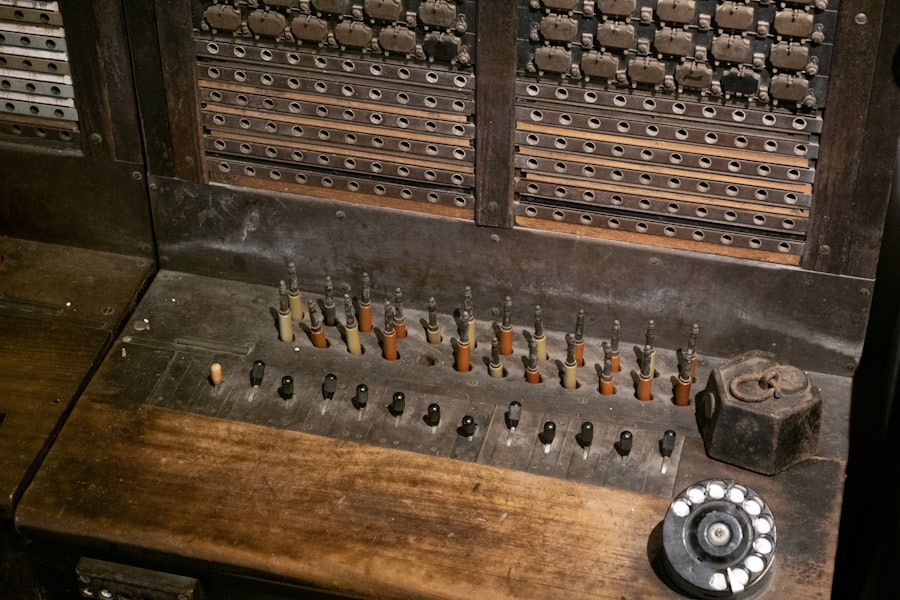
At its core, the KW-7 was a sophisticated electromechanical cipher machine. While it incorporated early electronic elements, it was not a purely digital device in the modern sense. Its operation was characterized by a series of rotors, plugboards, and electronic circuits that generated a continuously changing encryption key. This dynamic key generation was crucial; systems that relied on static keys were far more susceptible to cryptanalysis. The KW-7’s design aimed to create a constantly shifting typographical landscape for any intercepted message, making the tracing of patterns and the subsequent breaking of the code an exceptionally difficult task. The machine operated on a relatively simple principle of substitution and transposition, but the complexity of the key stream, combined with the number of possible settings, made brute-force attacks highly impractical given the computational power available at the time. The accuracy and reliability of its electromechanical components were vital; any minor mechanical anomaly could lead to decryption errors, compromising the integrity of the communication.
Strategic Importance and Deployment
The strategic importance of the KW-7 cannot be overstated. It was deployed across a wide spectrum of sensitive operations, from battlefield communications for tactical units to high-level diplomatic exchanges between nations. Its presence signaled a commitment to maintaining information superiority – the ability to conduct operations and make decisions with knowledge that adversaries did not possess. For military commanders, it meant that orders could be transmitted without fear of compromise, allowing for surprise maneuvers and coordinated attacks. For diplomats, it ensured that delicate negotiations and sensitive policy discussions remained confidential. The widespread adoption of the KW-7 by various allied nations formed a clandestine network, a silent web of secure communication that facilitated international cooperation and intelligence sharing. Its deployment was carefully managed, with strict protocols governing its use, maintenance, and security. This was not a tool to be handled lightly; its improper use or compromise could have far-reaching consequences.
The capture of the KW-7 encryption machine during World War II marked a significant turning point in the Allied efforts to decode enemy communications. For a deeper understanding of the implications of this event, you can read a related article that explores the broader context of cryptography in wartime strategies. This insightful piece can be found at In the War Room, where it delves into the technological advancements and their impact on military operations.
The Compromise: A Calculated Risk Realized
The capture of a KW-7 encryption machine is not a singular event in the abstract; it directly translates into a potential unraveling of communication security. This breach represents the realization of a persistent threat that intelligence agencies constantly work to mitigate. The implications are vast, impacting not only current operations but also potentially historical intelligence.
The Act of Capture: Circumstances and Context
The precise circumstances surrounding the capture of this specific KW-7 machine remain largely classified, as is standard procedure in matters of national security. However, such captures typically occur in a variety of operational contexts. They might involve the seizure of enemy equipment during direct conflict, covert operations aimed at acquiring advanced technology, or even intelligence gathered through human sources. Regardless of the exact method, the outcome is the same: a critical piece of cryptographic hardware has fallen into unauthorized hands. The location and affiliation of the entity that acquired the machine are of paramount concern. If the captor is a state actor with sophisticated cryptanalytic capabilities, the threat is significantly heightened. The machine, once a guardian of secrets, now risks becoming a gateway to them. The seizure is rarely accidental; it often signifies a well-planned objective, a calculated risk taken by an adversary seeking to gain a critical edge.
Immediate Implications for Security
The immediate implications of a captured KW-7 are dire, presenting a clear and present danger to information security. This is akin to a castle’s gate being left ajar, inviting unwelcome guests into its most private chambers. The primary concern is the potential for decryption of past and present communications that utilized this machine. If the machine can be operated and its cryptographic keys somehow extracted or deduced, then a treasure trove of sensitive data could be exposed. This includes classified military plans, intelligence assessments, diplomatic strategies, and personnel information. Such a breach could compromise ongoing operations, endanger sources and agents, and provide adversaries with invaluable insights into strategic thinking and vulnerabilities. The intelligence community operates on a foundation of secrecy, and any erosion of that secrecy can have cascading negative effects, akin to a single domino’s fall toppling an entire chain.
The Shadow of Cryptanalysis
The capture of the KW-7 opens the door to dedicated cryptanalysis efforts. Specialized teams, armed with historical data and advanced techniques, will undoubtedly work tirelessly to extract the secrets held within the machine. This is not merely about hacking into a computer; it’s about understanding the intricate electromechanical and electronic workings of a specific device. The process involves meticulous examination of the hardware, analysis of its operational modes, and, critically, attempts to derive the cryptographic keys. This might involve reverse-engineering the key generation process, or, if the machine has been used, attempting to find patterns in previously intercepted ciphertexts that were encrypted using the captured device. The success of such cryptanalysis would be a monumental intelligence coup for the captor, allowing them to read communications that were believed to be secure for decades, or even more recently.
Unraveling the Past: The Legacy of Decryption
Beyond the immediate operational concerns, the capture of a KW-7 also casts a long shadow over historical intelligence. The ability to decrypt messages that were once considered secure can rewrite our understanding of past events, revealing hidden motives and previously unknown actions.
Re-examining Historical Intelligence
The possibility of re-examining historical intelligence that was encrypted using the KW-7 is a compelling, albeit concerning, prospect. Many pivotal historical moments, from diplomatic crises to military campaigns, relied on secure communication for their execution. If these communications can now be deciphered, it could lead to a profound reinterpretation of these events. Questions that have long puzzled historians and intelligence analysts might finally find their answers. For instance, deciphering communications from a critical period could reveal the true intentions behind certain political maneuvers, the strategic calculations that led to military decisions, or the extent of clandestine operations. This is akin to finding a lost diary that details the inner thoughts and secret actions of key figures, offering an unvarnished account of history.
The Historical Footprint of Vulnerability
Every encryption system, no matter how advanced for its time, carries a historical footprint of potential vulnerability. The KW-7 is no exception. Even if the immediate threat is managed, the fact that this machine was compromised serves as a permanent reminder of the limitations of even the most sophisticated cryptographic tools. It highlights the constant evolutionary arms race between code-makers and code-breakers. Future generations will learn from this incident, understanding that no system is truly invulnerable forever. This knowledge informs the development of future encryption technologies, pushing the boundaries of what is considered secure. The capture of the KW-7 becomes another chapter in the long and complex history of cryptography, a testament to the ongoing struggle to maintain secrecy in a world of increasing surveillance and technological advancement.
Intelligence Reassessment and Historical Revision
The impact of potential decryption on intelligence reassessment and historical revision could be substantial. Previously accepted narratives might be challenged, and new connections between events and actors could be uncovered. This could lead to a significant recalibration of political and military analyses of past conflicts and diplomatic engagements. For example, understanding the true nature of communications during a Cold War crisis could drastically alter our perception of the risks involved and the decision-making processes of the time. The capture of the KW-7 offers the potential to move beyond speculation and arrive at a more concrete understanding of what transpired, based on direct evidence of communication. This is not to say that all historical accounts will be rewritten, but rather that certain aspects might be clarified, challenged, or entirely overturned, leading to a more nuanced and potentially unsettling understanding of the past.
Countermeasures and Future Preparedness
The capture of any critical encryption asset triggers an immediate and intense review of existing security protocols and a proactive approach to future preparedness. The goal is to mitigate the damage already done and to prevent similar incidents from occurring.
Immediate Security Audits and Protocol Review
In the wake of such a significant security breach, immediate and thorough security audits become paramount. Every facet of the communication infrastructure that relied on the KW-7, and potentially other similar systems, will be scrutinized. This includes examining access control, key management procedures, physical security of equipment, and operational protocols. The review process is designed to identify any weaknesses or vulnerabilities that might have contributed to the compromise. This is not a time for superficial checks; a deep dive into every procedural detail is required. The aim is to close any loopholes, like shoring up the weakest points in a dam after a leak has been discovered. This might involve implementing more rigorous authentication methods, enhancing physical security measures for cryptographic equipment, and reinforcing training on secure communication practices.
Transitioning to New Cryptographic Systems
One of the most critical immediate responses to the capture of a KW-7 is the accelerated transition to new, more secure cryptographic systems. This means phasing out the compromised technology entirely and replacing it with next-generation solutions. This transition is a complex logistical and technical undertaking, requiring careful planning and execution to minimize disruption to ongoing operations. The new systems must offer enhanced security features, resistant to known and anticipated cryptanalytic techniques. This might involve moving towards purely digital, algorithm-based encryption that utilizes much larger key spaces and more sophisticated mathematical principles. The goal is to erect a new, stronger barrier against eavesdropping, ensuring that whatever sensitive information is transmitted in the future remains protected. This is a race against time, as adversaries will be eager to exploit any remaining vulnerabilities.
The Evolving Landscape of Cryptography
The field of cryptography is in a perpetual state of evolution, a constant ebb and flow between innovation and adaptation. The capture of the KW-7 serves as a potent reminder of this dynamic. While the KW-7 represented cutting-edge technology in its era, it ultimately succumbed to the relentless progress in cryptanalysis. This incident underscores the need for continuous research and development in cryptographic algorithms and hardware. The focus must remain on anticipatory security, developing systems that are not only secure against today’s threats but also resilient against the projected capabilities of future adversaries. This includes exploring novel approaches such as quantum-resistant cryptography, which aims to safeguard data against the potential threat posed by future quantum computers capable of breaking current encryption methods. The aim is to stay one step ahead, always innovating to maintain the integrity of secure communications.
The capture of the KW-7 encryption machine during World War II played a crucial role in the Allied forces’ efforts to decode enemy communications. This event is detailed in a fascinating article that explores the significance of such technological advancements in warfare. For more insights into the impact of cryptographic tools, you can read the full story here. Understanding these developments not only sheds light on historical events but also highlights the ongoing importance of encryption in modern security.
The Broader Implications and Lessons Learned
| Metric | Details |
|---|---|
| Device Name | KW-7 Encryption Machine |
| Type | Encryption and Decryption Device |
| Capture Date | 1960s (Exact date varies by incident) |
| Captured By | U.S. Intelligence Agencies |
| Purpose | Secure Military Communications |
| Encryption Method | Rotor-based mechanical encryption |
| Significance | Provided insight into Soviet communication security |
| Impact on Cryptanalysis | Enabled decryption of Soviet messages during Cold War |
| Physical Dimensions | Approx. 12 x 10 x 6 inches |
| Weight | Approximately 15 pounds |
The capture of the KW-7 is more than just a tactical setback; it carries broader implications for national security strategy and provides invaluable lessons for the future.
The Constant Arms Race in Information Warfare
The event serves as a stark illustration of the continuous arms race in information warfare. The struggle for information superiority is not a static battle but a dynamic and ever-escalating conflict. Cryptography is a key battlefield in this war, and the capture of a significant encryption tool represents a major kinetic event. Adversaries are constantly seeking to penetrate secure communications, and intelligence agencies are equally dedicated to developing strong defenses. This cycle of offense and defense drives innovation and necessitates constant vigilance. The KW-7’s compromise highlights that even the most robust systems, when subjected to sustained effort and sufficient resources, can eventually be overcome. The lesson is that complacency is the greatest enemy of security.
The Importance of Proactive Security Measures
The KW-7 incident underscores the critical importance of proactive security measures. Waiting for a breach to occur is a reactive posture that is inherently more costly and damaging than anticipating potential threats. Organizations involved in sensitive communications must invest heavily in forward-thinking security strategies. This includes regular vulnerability assessments, penetration testing, and engaging in robust threat intelligence gathering to understand the evolving capabilities of potential adversaries. Rather than merely building walls, the focus must be on designing a resilient ecosystem that can withstand attacks and adapt to new challenges. This proactive approach is akin to regular medical check-ups to prevent serious illness rather than solely relying on treatment after diagnosis.
Ethical Considerations and Intelligence Gathering
Beyond the technical and strategic aspects, the capture of such a device also raises ethical considerations regarding intelligence gathering and the pursuit of information. While the need to secure national interests is paramount, the methods employed and the consequences of their success or failure are subjects of ongoing debate. The information gained from decrypting captured communications can influence foreign policy, shape public discourse, and have profound geopolitical ramifications. Understanding the ethical boundaries and the potential impact of intelligence operations is crucial for maintaining public trust and adhering to international norms. The capture of the KW-7, while a significant intelligence success for the captor, also presents a challenging ethical landscape for responsible actors involved in intelligence.
The capture of the KW-7 encryption machine is a serious development, a chink in the armor of secure communication that demands immediate and sustained attention. It is a reminder that in the complex and often invisible theatre of information warfare, vigilance, innovation, and a commitment to constant adaptation are not merely desirable traits but absolute necessities for survival. The lessons learned from this incident will undoubtedly shape future strategies, pushing the boundaries of cryptographic science and reinforcing the imperative of a proactive and multifaceted approach to national security. The silent struggle for information continues, and the echoes of this compromise will resonate for years to come.
FAQs
What is the KW-7 encryption machine?
The KW-7, also known as the TSEC/KW-7, was a Cold War-era encryption device used by the United States military and intelligence agencies to secure voice and data communications. It was designed to provide secure teleprinter encryption.
When and where was the KW-7 encryption machine captured?
The KW-7 encryption machine was notably captured during the Vietnam War when North Vietnamese forces seized U.S. military equipment, including cryptographic devices. Specific details about the exact time and location vary, but captures occurred during combat operations in Southeast Asia.
Why was capturing the KW-7 encryption machine significant?
Capturing the KW-7 was significant because it potentially allowed adversaries to analyze and attempt to break U.S. encrypted communications. Understanding the machine’s design and encryption methods could compromise secure military communications and intelligence operations.
How did the KW-7 encryption machine work?
The KW-7 used a combination of electronic and mechanical components to encrypt teleprinter signals. It employed a stream cipher mechanism with key tapes to generate pseudo-random encryption keys, ensuring that transmitted messages were secure from interception.
What impact did the capture of the KW-7 have on U.S. cryptographic security?
The capture of the KW-7 prompted the U.S. military and intelligence agencies to review and enhance their cryptographic security measures. It underscored the importance of safeguarding encryption devices and led to the development of more advanced and secure encryption technologies.