Beneath the icy expanse of the Arctic, the deep trenches of the Atlantic, and the vast Pacific, a silent, deadly game of hide-and-seek unfolded for decades. The Soviet Union, locked in a Cold War struggle with the West, poured immense resources into developing the capability to track the elusive shadow of the American nuclear submarine fleet. This was not a quest for mere surveillance; it was a crucial element in maintaining the strategic balance, a constant effort to understand the enemy’s most potent weapon. The success of this endeavor, and indeed its very existence, rested on the shoulders of a select group of scientists, engineers, and strategists who formed the backbone of Soviet submarine tracking technology. Their work, often conducted in secrecy and shrouded in the opaque bureaucracy of the Soviet system, was pivotal in shaping the course of naval warfare and the broader geopolitical landscape. Understanding their contributions is like peering into the engine room of history, revealing the intricate machinery that drove strategic decision-making.
In exploring the key players in the development of Soviet submarine tracking technology, it is essential to consider the broader context of military advancements during the Cold War. A related article that delves into the strategic implications of these technologies can be found at In The War Room. This resource provides valuable insights into the evolution of naval warfare and the technological innovations that shaped the balance of power between superpowers during this critical period.
The Genesis of a Silent Pursuit: Early Developments and Theoretical Foundations
The initial impetus for dedicated Soviet submarine tracking technology did not emerge in a vacuum. It was a direct response to the escalating naval arms race and the growing realization of the nuclear submarine’s disruptive potential.
The Dawn of the Nuclear Age and its Subsurface Implications
The advent of nuclear propulsion liberated submarines from the constraints of snorkeling, allowing them to remain submerged for extended periods and travel vast distances. This represented a paradigm shift in naval strategy. Suddenly, the impenetrable depths became a potential hiding place for America’s burgeoning ballistic missile submarine (SSBN) force, posing an existential threat to the Soviet Union. The need to counter this threat became paramount, initiating a race to develop equally sophisticated detection methods.
The Theoretical Bedrock: Acoustics and Electromagnetism
The primary avenues for tracking submarines revolved around the principles of acoustics and, to a lesser extent, electromagnetism. Soviet scientists delved into the physics of sound propagation in water, seeking ways to exploit its behavior for detection.
The Science of Sonar: Passive and Active Systems
Sonar, the acronym for Sound Navigation and Ranging, became the frontline of Soviet anti-submarine warfare (ASW). This involved two primary approaches:
Passive Sonar: Listening to the Enemy’s Whispers
Passive sonar systems were designed to detect the sounds emitted by submarines, such as engine noise, propeller cavitation, and even the hum of onboard machinery. This required a deep understanding of hydrodynamics and acoustics to distinguish faint submarine sounds from the cacophony of ocean noise. The development of sensitive hydrophones, sophisticated signal processing algorithms, and extensive acoustic libraries of submarine signatures were critical. Key research institutions focused on cataloging and classifying the acoustic profiles of various submarine classes, creating a sonic fingerprint for each.
Active Sonar: Probing the Depths with Echoes
Active sonar systems, on the other hand, emitted a pulse of sound and then listened for the echo returning from a submerged object. This offered greater range and precision but also revealed the position of the emitting platform. The Soviets invested heavily in developing powerful sonar transducers and sophisticated echo analysis techniques to interpret the returning signals and determine the target’s range, bearing, and depth. Understanding the complexities of sound propagation in different water layers, the impact of temperature and salinity, and the acoustic shadowing effects became crucial for effective active sonar deployment.
Electromagnetic Signatures: A Secondary, Yet Studied, Avenue
While acoustics remained the dominant force, the Soviets also explored the possibility of detecting submarines through their electromagnetic emissions.
Radio Frequency Detection and Its Challenges
Submarines, even when submerged, generate various electromagnetic signals from their communication systems, periscopes, and other electronic equipment. Detecting these faint signals from a considerable distance, especially through the attenuating effect of seawater, presented significant technological hurdles. This research often involved developing highly sensitive radio receivers and specialized antennas capable of operating from various platforms, including aircraft and even specialized surface vessels.
The Titans of the Deep: Key Research Institutions and Design Bureaus
The development of such complex technologies demanded the concentrated expertise of specialized institutions. The Soviet Union established a network of research institutes and design bureaus, each contributing a vital piece to the ASW puzzle.
The Aquatic Ears: NII Hydroakustika and its Legacy
The Scientific Research Institute Hydroakustika (NII Hydroakustika), often referred to as simply “Hydroakustika,” stands as a monumental pillar in Soviet ASW efforts. This institution was the nerve center for acoustic research and development.
Pioneering Hydrophone and Transducer Design
Hydroakustika was at the forefront of designing and manufacturing advanced hydrophones and sonar transducers. These were the sensitive “ears” of the Soviet ASW fleet. Their engineers worked to create hydrophones with wider frequency response, lower self-noise, and greater directional sensitivity. The development of powerful and efficient sonar projectors, capable of generating acoustic signals that could travel vast distances, was another critical area of focus.
Signal Processing and Acoustic Analysis
Beyond hardware, Hydroakustika was instrumental in developing sophisticated algorithms for processing and analyzing acoustic data. This involved turning raw acoustic signals into actionable intelligence, identifying targets, and distinguishing them from the background noise of the ocean. Their work laid the groundwork for early forms of machine learning in ASW, enabling systems to learn and recognize acoustic signatures.
The Submarine Savants: Rubin Design Bureau and Others
While Hydroakustika focused on detection, the Rubin Design Bureau played a pivotal role in the design of Soviet submarines, implicitly shaping the acoustic signatures that other bureaus sought to detect and track. However, the broader landscape of submarine design and development also influenced tracking technologies indirectly.
The Shadow Beneath the Waves: Submarine Design as a Target
The very design of Soviet submarines, particularly their hull shapes, propulsion systems, and noise reduction measures, directly impacted the effectiveness of Western tracking efforts and, conversely, informed the design of Soviet tracking systems. While Rubin primarily designed the submarines, the understanding of how they generated sound was a shared knowledge base.
Specialized Design Bureaus for Sensor Integration
Beyond the major players, numerous smaller, specialized design bureaus were responsible for integrating various sensor systems onto different platforms. This included the design of sonar arrays for various ship classes, towed sonar systems, and airborne ASW equipment, ensuring that the “eyes” and “ears” of the Soviet ASW capabilities were effectively deployed.
The Eyes in the Sky and at Sea: Diverse Platforms for Tracking

Effective submarine tracking required a multi-layered approach, utilizing a diverse array of platforms each with its unique strengths and limitations.
The Airborne Eyes: Long-Range Patrol Aircraft
Long-range maritime patrol aircraft (LMPAs) were indispensable assets in the Soviet ASW arsenal. Their ability to cover vast ocean areas provided a crucial first line of defense and intelligence gathering.
The Ilyushin Il-38 “May”: A Workhorse of ASW Patrol
The Ilyushin Il-38, codenamed “May” by NATO, was the Soviet Union’s primary maritime patrol and anti-submarine warfare aircraft. Equipped with powerful radar, magnetic anomaly detectors (MAD), and sonar buoys, it was designed to detect and track submarines over great distances.
Radar Systems: Peering Through the Surface
The radar systems on the Il-38 were designed to detect surface wakes and periscopes, offering a way to locate submarines even when they were shallowly submerged. The effectiveness of these systems was dependent on weather conditions and the sea state.
Sonobuoy Deployment: Dropping Ears into the Water
A key component of the Il-38’s ASW capability was its ability to deploy vast quantities of sonobuoys. These expendable devices, dropped into the water, contained hydrophones that transmitted acoustic data back to the aircraft, creating a wide-ranging acoustic surveillance network. The Soviets developed a variety of sonobuoy types, including passive and active variants, each suited for different detection scenarios.
The Beriev Be-12 “Tchaika”: Amphibious ASW Capabilities
The Beriev Be-12, codenamed “Tchaika” (Seagull), was a unique amphibious maritime patrol aircraft that offered flexibility in deployment, particularly in littoral areas or when operating from remote bases.
Amphibious Operations: Versatility in Deployment
Its ability to operate from water allowed for rapid deployment and recovery in areas where traditional runways were scarce. This made it a valuable asset for tracking submarines in challenging environments.
Integrated ASW Systems
Like the Il-38, the Be-12 was equipped with a suite of ASW sensors, including radar, magnetic anomaly detectors, and the capability to deploy sonobuoys. Its smaller size and lower payload compared to the Il-38 meant it typically had a more limited endurance and sensor suite.
The Surface Fleet: Escorts and Specialized Vessels
Surface ships, particularly destroyers and frigates, formed the backbone of ASW operations at sea, working in conjunction with airborne assets.
Sonar-Equipped Frigates and Destroyers: Hunters of the Hunter
Soviet frigates and destroyers were heavily armed and equipped with a variety of sonar systems. Their primary role was to detect, classify, and neutralize enemy submarines.
Hull-Mounted Sonar: The Ship’s Own Voice
Most of these vessels featured hull-mounted sonar arrays, the primary means of detecting submarines in their immediate vicinity. These systems were constantly being improved to enhance their detection ranges and reduce interference from the ship’s own noise.
Towed Array Sonar: Listening to Distant Signals
As submarines became quieter, the Soviets, like their Western counterparts, invested in towed array sonar systems. These long, flexible cables equipped with numerous hydrophones were towed behind the ship, allowing them to listen to potentially weaker signals from submarines operating at greater distances and deeper depths.
Specialized ASW Vessels: Dedicated Hunters
Beyond the general-purpose warships, the Soviet Union also operated specialized ASW vessels, though perhaps to a lesser extent than dedicated carrier-based ASW aircraft in Western navies.
Icebreakers and Research Vessels: Unassuming Intelligence Gatherers
Some Soviet icebreakers and research vessels, while not ostensibly military, were known to carry advanced acoustic monitoring equipment. Their extended deployments in remote regions, particularly the Arctic, provided valuable data on submarine traffic and acoustic environments.
The development of Soviet submarine tracking technology was significantly influenced by various key players who contributed to its evolution during the Cold War. These individuals and organizations played crucial roles in advancing sonar systems, underwater acoustics, and intelligence-gathering techniques. For a deeper understanding of the historical context and technological advancements in this field, you can explore a related article that delves into the intricacies of military innovations and their impact on naval strategies. This insightful piece can be found here.
The Electronic Sentinels: Advanced Sensors and Detection Techniques
| Key Player | Role | Contribution | Time Period | Notable Technology/Project |
|---|---|---|---|---|
| Vladimir Kotelnikov | Engineer and Scientist | Developed early sonar signal processing techniques | 1950s-1960s | Sonar signal enhancement algorithms |
| Lev Artsimovich | Physicist | Advanced magnetic anomaly detection methods | 1960s-1970s | Magnetic anomaly detectors (MAD) |
| Institute of Oceanology, USSR Academy of Sciences | Research Institution | Conducted ocean acoustic research for submarine detection | 1960s-1980s | Long-range acoustic tracking systems |
| Central Design Bureau Rubin | Design Bureau | Developed submarine hull designs optimized for stealth and tracking | 1970s-1990s | Stealth submarine technologies |
| Vladimir Chelomey | Engineer and Designer | Contributed to missile and tracking system integration on submarines | 1960s-1980s | Integrated missile tracking systems |
The core of any tracking technology lies in the sophistication of its sensors. The Soviets continuously pushed the boundaries of what was technically feasible in this domain.
Beyond Passive Listening: The Evolution of Active Sonar Capabilities
While passive sonar was crucial for stealth, active sonar provided decisive targeting information. The Soviets recognized the need for increasingly powerful and adaptable active sonar systems.
Variable Depth Sonar (VDS): Adapting to the Ocean’s Layers
Variable Depth Sonar (VDS) systems allowed the sonar transducer to be lowered to different depths, beneath the thermocline layer where sound propagation could be significantly distorted or blocked. This enabled the detection of submarines operating in these challenging acoustic environments.
Side-Looking Sonar (SLS): Mapping the Seabed for Submarine Signatures
Side-Looking Sonar (SLS) systems were primarily used for mapping the seabed but could also be employed to detect submarines that had sought refuge on the ocean floor, particularly in shallower waters. These systems generated detailed acoustic images of the seabed, revealing anomalies that could indicate the presence of a submerged vessel.
Magnetic Anomaly Detection (MAD): The Subtle Magnetic Wake
Submarines, being large metallic objects, create a subtle disturbance in the Earth’s magnetic field. Magnetic Anomaly Detectors (MAD) were designed to sense these variations.
Airborne MAD Systems: Complementing Acoustic Surveillance
Primarily employed on maritime patrol aircraft, MAD systems provided a non-acoustic means of detection, particularly effective at identifying submarines that had reduced their acoustic emissions to a minimum. The challenge lay in distinguishing the submarine’s magnetic signature from the Earth’s natural magnetic field variations and the magnetic signatures of geological formations.
Shipboard MAD Systems: Close-in Detection
While less common and with a more limited range than airborne MAD, some Soviet escort vessels may have incorporated limited MAD capabilities for close-in detection of submarines that had evaded acoustic sensors.
The Enigma of Thermal Imaging: A Developing Capability
As sensor technology advanced, the Soviets, like other nations, explored the potential of thermal imaging for submarine detection, particularly for periscopes and snorkeling submarines.
Infrared (IR) Sensors: Detecting Heat Signatures
Infrared sensors detect the heat emitted by objects. Periscopes emerging from the water, or the exhaust plume from a snorkeling submarine, would generate a thermal signature that could be detected by airborne or space-based platforms, especially under specific atmospheric conditions.
Space-Based Surveillance: The Ultimate High Ground
While the precise capabilities of Soviet space-based surveillance systems for submarine tracking remain classified and highly speculative, the inherent strategic importance of such a capability would have undoubtedly driven research in this area. Satellites equipped with advanced electro-optical or radar sensors could potentially monitor vast ocean areas for surface wakes or other indicators of submarine activity.
The Human Element: Operators, Analysts, and Strategic Thinkers
Technology, however advanced, is only as effective as the humans who wield it. The success of Soviet submarine tracking was inextricably linked to the skill and dedication of its personnel.
The Silent Watchers: Sonar Operators and Their Crucial Role
Sonar operators were the frontline analysts, constantly sifting through streams of acoustic data. Their ability to differentiate between the sounds of marine life, ship traffic, and the subtle signatures of a submarine was critical.
Training and Expertise: The Art of Acoustic Interpretation
The training of Soviet sonar operators was rigorous, emphasizing pattern recognition, acoustic phenomenology, and the ability to remain focused for extended periods. This was a demanding profession, requiring immense concentration and a deep understanding of the underwater soundscape.
The Human Ear: A Sophisticated Biological Sensor
Despite the advancements in digital signal processing, the human ear, when trained, remained an incredibly sophisticated biological sensor, capable of detecting nuances in sound that were difficult for early automated systems to replicate.
The Intelligence Analysts: Weaving the Net of Information
Intelligence analysts played a vital role in synthesizing acoustic data with other intelligence sources, such as signals intelligence (SIGINT) and visual reconnaissance, to build a comprehensive picture of Soviet submarine deployments and movements.
Correlation and Cross-Referencing: Building the Bigger Picture
The analysts’ task was to correlate acoustic detections with other intelligence, identifying patterns and confirming the identity of specific submarines. This complex process often involved piecing together fragments of information from various sources to form a coherent narrative.
Strategic Implications: Guiding Naval Operations
The output of these analysts directly informed naval strategy and operational planning. Their assessments of enemy submarine capabilities and deployments were crucial for ensuring the safety of Soviet assets and for planning offensive operations.
The Strategic Visionaries: Planners and Policymakers
Ultimately, the direction and funding for Soviet submarine tracking technology were shaped by strategic thinkers and policymakers. Their understanding of the geopolitical landscape and the perceived threat from American submarines guided the allocation of resources and the prioritization of research and development.
The Cold War Imperative: A Constant Drive for Superiority
The existential nature of the Cold War fueled a relentless drive for technological superiority. The understanding that the ability to track and, if necessary, neutralize enemy submarines was vital for maintaining a strategic deterrent shaped the long-term vision for ASW capabilities.
The Arms Race Dynamics: A Continuous Cycle of Innovation
The Soviet pursuit of submarine tracking technology was not a solitary endeavor. It was part of a dynamic arms race, constantly responding to and anticipating the innovations of its adversaries. This created a continuous cycle of research, development, and deployment, pushing the boundaries of what was possible in the silent world of subsurface warfare. The key players in Soviet submarine tracking technology, from the engineers in their design bureaus to the sonar operators on their vessels, were the unsung heroes of this clandestine battle, their silent efforts echoing through the depths of history.
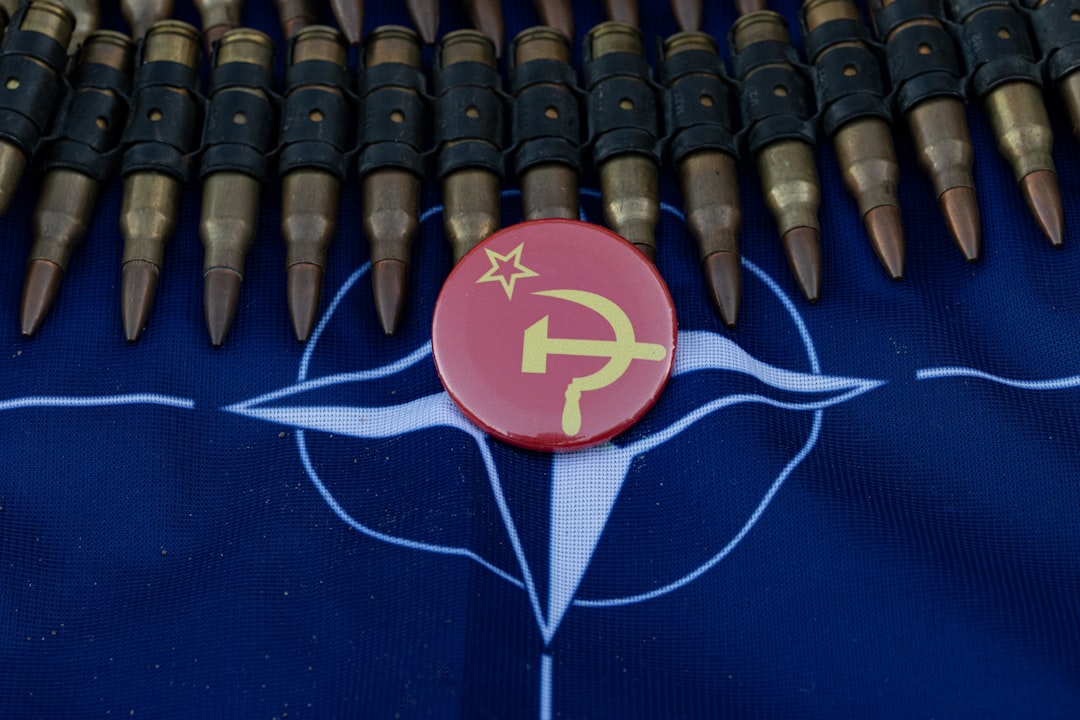
WATCH NOW▶️ Soviet submarine tracking technology
FAQs
Who were the main contributors to Soviet submarine tracking technology?
Key contributors included Soviet naval engineers, scientists from the Ministry of Defense, and specialized research institutes such as the Malakhit Design Bureau and the Krylov State Research Center.
What technologies were central to Soviet submarine tracking advancements?
The Soviets focused on sonar systems, underwater hydrophone arrays, magnetic anomaly detectors, and signal processing techniques to enhance submarine detection and tracking capabilities.
When did the Soviet Union begin developing advanced submarine tracking systems?
Development intensified during the Cold War, particularly from the 1950s through the 1980s, as the Soviet Navy sought to counter Western submarine threats.
How did Soviet submarine tracking technology impact naval strategy?
Improved tracking technology allowed the Soviet Navy to better monitor NATO submarine movements, enhancing their strategic deterrence and anti-submarine warfare effectiveness.
Are there any notable Soviet submarine tracking projects or systems?
Yes, notable projects include the development of the “Zvezda” sonar system and the deployment of the “Baleen” hydrophone arrays, which significantly advanced the Soviet Union’s underwater surveillance capabilities.