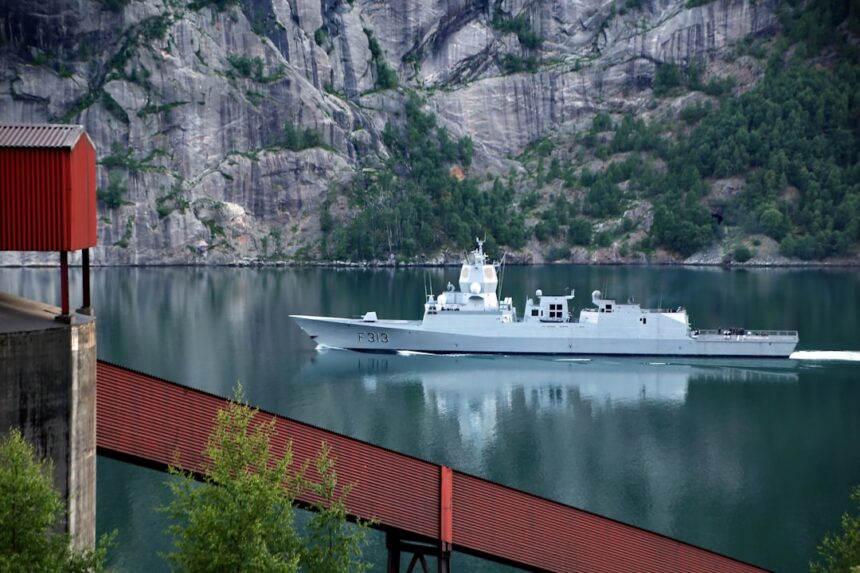
Japan, an island nation with a significant maritime history, maintained considerable naval strength during the early 20th century.
Japan’s naval limitations result from interconnected historical, economic, technological, and institutional factors.
Analyzing these limitations is essential for evaluating Japan’s current maritime strategy and defense requirements. Japan’s naval constraints have implications extending throughout the region, influencing regional stability and diplomatic relations. With escalating tensions in the Asia-Pacific, particularly involving China and North Korea, Japan’s capacity to maintain maritime security and protect its interests has become increasingly important.
This analysis examines the various aspects of Japan’s naval limitations, assessing the factors contributing to its present maritime position and the potential effects on its defense strategy.
Key Takeaways
- Japan’s naval weakness stems from historical, resource, and industrial limitations.
- Technological, tactical, and leadership challenges hindered effective naval operations.
- Cultural and societal factors influenced naval strategy and organizational efficiency.
- International relations and alliances significantly impacted Japan’s maritime capabilities.
- Lessons from past weaknesses inform future strategies for strengthening Japan’s naval defense.
Historical Context of Japanese Naval Power
Japan’s naval history is marked by periods of both remarkable strength and significant decline. In the early 20th century, the Imperial Japanese Navy was considered one of the most formidable maritime forces in the world, playing a crucial role in Japan’s expansionist ambitions during the Russo-Japanese War and World War
The legacy of this era is still felt today, as Japan grapples with the consequences of its past militarism and the subsequent demilitarization imposed by the Allied powers after World War
Following the war, Japan adopted a pacifist constitution that limited its military capabilities and focused on economic recovery. The Self-Defense Forces (SDF) were established primarily for defensive purposes, which inherently constrained Japan’s naval ambitions. This historical context is essential for understanding the current limitations of Japan’s naval power, as the nation has struggled to reconcile its historical legacy with contemporary security needs.
The transition from a militaristic past to a pacifist present has created a complex relationship with naval power that continues to influence Japan’s maritime strategy. Learn about the incredible leadership of Admiral Nimitz during World War II.
Lack of Resources and Industrial Capacity
One of the most pressing challenges facing Japan’s naval capabilities is its lack of resources and industrial capacity.
The nation’s focus on economic growth and social welfare has often come at the expense of military investment, leading to a situation where the Japanese Maritime Self-Defense Force (JMSDF) operates with limited resources compared to its regional counterparts.
Moreover, Japan’s aging population poses a significant challenge to its industrial capacity. As the workforce shrinks, so does the pool of skilled labor necessary for shipbuilding and maintenance. This demographic trend has implications for Japan’s ability to produce advanced naval vessels and sustain its existing fleet.
The reliance on foreign technology and components further complicates matters, as it creates vulnerabilities in supply chains and limits Japan’s autonomy in defense production. Addressing these resource constraints is essential for revitalizing Japan’s naval capabilities and ensuring its maritime security.
Technological and Tactical Limitations
| Metric | Value | Explanation |
|---|---|---|
| Number of Battleships (1941) | 10 | Fewer compared to US Navy’s 15 battleships at the start of WWII |
| Aircraft Carriers | 10 | Less experienced carrier fleet compared to Allied navies |
| Submarine Fleet Size | 63 | Limited effectiveness in disrupting Allied supply lines |
| Naval Aviation Training Hours | ~200 hours per pilot | Lower than US Navy pilots, affecting combat readiness |
| Fuel Reserves (1944) | Less than 50% of required operational levels | Severe fuel shortages limited naval operations |
| Radar Technology | Underdeveloped | Lagged behind Allied navies, reducing detection capabilities |
| Shipbuilding Capacity | Lower than US and UK | Inability to replace losses quickly during the war |
In addition to resource constraints, Japan faces technological and tactical limitations that hinder its naval effectiveness. While Japan has made significant advancements in naval technology, such as developing advanced destroyers and submarines, it still lags behind some of its regional adversaries in certain areas. For instance, China’s rapid military modernization has outpaced Japan’s efforts, leading to concerns about the JMSDF’s ability to counter potential threats effectively.
Tactically, Japan’s naval doctrine has traditionally emphasized defensive operations rather than offensive capabilities. This approach reflects the nation’s pacifist stance but may limit its ability to respond effectively to emerging threats in a dynamic security environment. The JMSDF’s focus on anti-submarine warfare and coastal defense may not be sufficient in scenarios where power projection and expeditionary operations are required.
As regional tensions escalate, Japan must reassess its tactical framework to ensure it can adapt to evolving threats and maintain a credible deterrent posture.
Strategic and Operational Challenges
Japan’s strategic and operational challenges are compounded by its geographical position and regional dynamics. Surrounded by potential adversaries, including China and North Korea, Japan must navigate a complex security environment that requires a multifaceted approach to maritime defense. The proximity of these nations poses significant operational challenges for the JMSDF, which must be prepared to respond rapidly to any threats that may arise.
Furthermore, Japan’s reliance on the United States for security complicates its strategic autonomy. While the U.S.-Japan alliance provides a crucial security umbrella, it also creates dependencies that may limit Japan’s ability to act independently in times of crisis. The need for greater self-reliance in maritime defense has become increasingly apparent as regional tensions rise, prompting discussions about enhancing Japan’s operational capabilities and expanding its role within the alliance framework.
Leadership and Organizational Issues
Leadership and organizational issues within the JMSDF also contribute to Japan’s naval weaknesses. The structure of the SDF has historically been influenced by political considerations, leading to challenges in decision-making processes and resource allocation. The bureaucratic nature of defense institutions can hinder agility and responsiveness in addressing emerging threats.
Moreover, there is often a lack of cohesive strategic vision among military leaders regarding Japan’s maritime objectives. This fragmentation can result in disjointed efforts to enhance naval capabilities and may impede effective collaboration with allied forces. To address these leadership challenges, there is a pressing need for a more unified approach to maritime strategy that aligns with Japan’s national security interests while fostering greater cooperation with international partners.
Cultural and Societal Factors
Cultural and societal factors play a significant role in shaping Japan’s approach to naval power. The legacy of World War II continues to influence public perceptions of military force, leading to a cautious attitude toward expanding military capabilities. This pacifist sentiment is deeply ingrained in Japanese society and often manifests in resistance to increased defense spending or military engagement abroad.
Additionally, there is a prevailing belief that diplomacy should take precedence over military solutions in addressing international conflicts. While this perspective is commendable in many respects, it can lead to an underestimation of the importance of maintaining robust naval capabilities for deterrence purposes. Balancing cultural values with the need for effective maritime defense will require ongoing dialogue within Japanese society about the role of military power in ensuring national security.
Impact of International Relations and Alliances
Japan’s naval weaknesses are also influenced by its international relations and alliances. The U.S.-Japan alliance remains a cornerstone of Japan’s security strategy; however, shifts in global power dynamics have raised questions about the reliability of this partnership. As China continues to assert itself regionally and globally, Japan must navigate a complex web of alliances while ensuring that it can defend its interests independently.
Moreover, Japan’s relationships with other regional players, such as South Korea and Australia, are critical for enhancing collective security efforts in the Asia-Pacific region. Strengthening these partnerships can help mitigate some of the challenges posed by Japan’s naval weaknesses while fostering greater regional stability. Collaborative exercises and joint operations can enhance interoperability among allied forces, ultimately contributing to a more robust maritime defense posture.
Lessons Learned from Japanese Naval Weakness
The examination of Japan’s naval weaknesses offers valuable lessons for both policymakers and military strategists. One key takeaway is the importance of adaptability in response to changing geopolitical realities. As threats evolve, so too must Japan’s maritime strategy; this requires a willingness to reassess existing doctrines and embrace innovative approaches to naval operations.
Additionally, investing in research and development is crucial for maintaining technological superiority in an increasingly competitive environment. By prioritizing advancements in naval technology and fostering collaboration with allied nations, Japan can enhance its capabilities while mitigating vulnerabilities associated with resource constraints.
Future Implications for Japanese Maritime Defense
Looking ahead, Japan must confront several implications stemming from its naval weaknesses. The need for increased investment in maritime capabilities is paramount; this includes not only modernizing existing fleets but also exploring new technologies such as unmanned systems and cyber warfare capabilities. As regional tensions continue to rise, Japan must be prepared to adapt its strategies accordingly.
Furthermore, fostering greater public support for defense initiatives will be essential for overcoming cultural barriers that have historically limited military expansion. Engaging citizens in discussions about national security can help build consensus around the need for enhanced naval capabilities while addressing concerns about militarization.
Conclusion and Recommendations for Addressing Japanese Naval Weakness
In conclusion, addressing Japan’s naval weaknesses requires a multifaceted approach that encompasses historical context, resource allocation, technological advancements, leadership reforms, cultural considerations, and international collaboration. By recognizing the complexities inherent in these challenges, Japan can develop a comprehensive maritime strategy that enhances its defense posture while promoting regional stability. Recommendations for addressing these weaknesses include increasing defense spending to modernize naval capabilities, fostering greater collaboration with allies through joint exercises and information sharing, investing in research and development for advanced technologies, and engaging society in discussions about national security priorities.
By taking proactive steps to strengthen its maritime defense, Japan can navigate an increasingly uncertain geopolitical landscape while safeguarding its national interests for generations to come.
Japan’s naval weakness during World War II has been a topic of extensive analysis, particularly in the context of its strategic decisions and resource allocation. For a deeper understanding of this issue, you can explore the article on naval strategies and their implications in the Pacific theater at In The War Room. This resource provides valuable insights into the challenges faced by the Imperial Japanese Navy and how these factors contributed to their eventual defeat.
WATCH THIS! 🎖️ The Battle of Midway: How Codebreakers Won the Pacific War
FAQs
What were the main factors contributing to Japanese naval weakness?
Japanese naval weakness was primarily due to limited industrial capacity, shortages of raw materials, and technological gaps compared to Western navies. Additionally, strategic miscalculations and the impact of prolonged warfare strained Japan’s naval resources.
How did Japan’s industrial limitations affect its naval strength?
Japan’s industrial base was smaller and less developed than those of major Western powers, limiting its ability to produce large numbers of advanced warships and maintain them effectively. This industrial limitation hindered fleet expansion and modernization efforts.
Did Japan face any technological disadvantages in its navy?
Yes, Japan lagged behind in certain naval technologies, such as radar and advanced aircraft carrier designs, especially during World War II. This technological gap affected the effectiveness of its naval operations.
How did resource shortages impact the Japanese navy?
Japan lacked sufficient domestic sources of critical materials like oil, steel, and rubber, which were essential for shipbuilding and maintenance. Allied blockades and bombing campaigns further restricted access to these resources, weakening the navy’s operational capabilities.
What role did strategic decisions play in Japanese naval weakness?
Strategic decisions, including the focus on battleships over aircraft carriers early on and underestimating the importance of air power, contributed to naval weaknesses. Additionally, Japan’s extended supply lines and overcommitment in multiple theaters stretched naval forces thin.
How did Allied actions contribute to the weakening of the Japanese navy?
Allied naval superiority, effective submarine warfare, and air attacks severely damaged Japanese shipping and naval vessels. The destruction of key ships and disruption of supply lines diminished Japan’s naval strength over time.
Was Japanese naval weakness evident throughout its history or only during specific periods?
While Japan developed a strong navy by the early 20th century, its naval weakness became more pronounced during World War II due to industrial limitations, resource shortages, and technological challenges in the face of Allied advances.