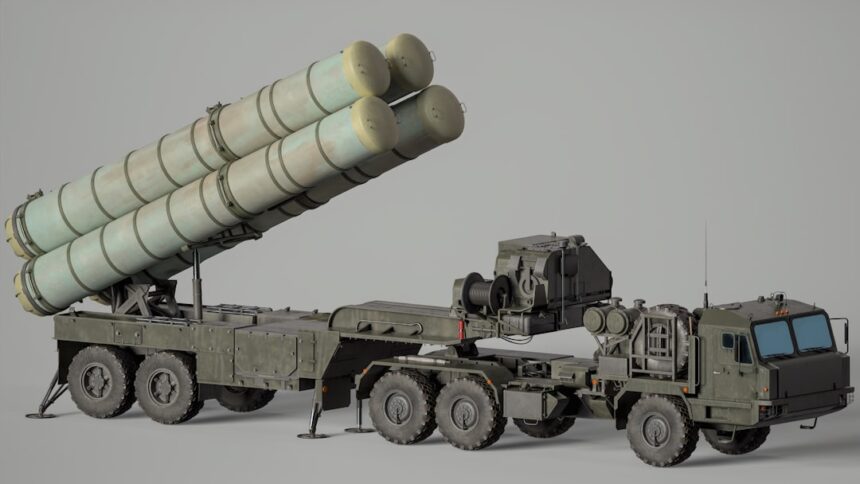
The shadows of conflict lengthened as reports emerged of Iranian missile strikes impacting facilities identified as Israeli hospitals. These events, characterized by their alleged targets and the nature of their payload, triggered immediate concern and condemnation from international bodies and regional observers alike. The unfolding situation presented a complex and deeply troubling escalation, raising questions about established norms of warfare and the specific implications for civilian populations already bearing the brunt of protracted regional tensions.
The initial dissemination of information regarding the strikes arrived through a cascade of official statements, news agency dispatches, and social media updates. These reports, often unverified in their nascent stages, painted a grim picture of explosions and subsequent damage. The precise timing and extent of the strikes were subject to rapid revision as authorities and journalists worked to piece together the events on the ground.
Discrepancies in Reporting
Almost immediately following the first reports, significant discrepancies began to surface regarding the exact nature of the targets and the extent of the damage. Different sources offered varying accounts of the number of missiles launched, their trajectory, and the specific locations struck. This ambiguity, common in the chaotic initial hours of such incidents, fueled further speculation and concern.
Verified Information and Official Confirmations
As the hours progressed, official statements from both Iranian and Israeli authorities began to provide more concrete, albeit often contradictory, information. Military spokespersons from each nation offered their perspectives, detailing missile capabilities, intended targets, and the claimed success or failure of the operations. International observers and investigative bodies were tasked with corroborating these claims, a process that often proved protracted and challenging.
Impact on Medical Infrastructure
The targeting of facilities identified as medical institutions, regardless of the specific intent or outcome, ignited a firestorm of ethical and legal debate. International humanitarian law, particularly the Geneva Conventions, offers strong protections for hospitals and medical personnel in times of armed conflict. The alleged violation of these protections carried profound implications.
International Condemnation and Calls for Restraint
The news of strikes on hospitals, even if disputed, prompted swift and near-universal condemnation from global leaders and humanitarian organizations. Expressions of shock and outrage poured in from the United Nations, the European Union, and numerous individual nations. These condemnations were invariably accompanied by urgent calls for de-escalation and a return to diplomatic channels.
Recent tensions in the Middle East have escalated, particularly with the Iranian missile salvos targeting Israeli hospitals, raising significant humanitarian concerns. For a deeper understanding of the implications of these attacks and the broader geopolitical context, you can read a related article that explores the situation in detail. The article provides insights into the strategic motivations behind these missile strikes and their potential consequences for regional stability. For more information, visit this article.
Iranian Justifications and Stated Objectives
In the aftermath of the alleged strikes, Iran has articulated its rationale and objectives behind such actions. These justifications, presented through official channels and state-affiliated media, often frame the military operations as retaliatory or preemptive measures against perceived threats. The narrative emphasizes a defensive posture, aiming to deter further hostility.
Retaliation for Previous Attacks
A primary justification offered by Iranian officials pertains to alleged Israeli actions that preceded these missile strikes. These often include accusations of targeted assassinations of Iranian figures, sabotage operations against Iranian facilities, and strikes on Iranian interests in the region. The narrative posits that the missile attacks were a proportionate response to these prior provocations, intended to rebalance the scales of deterrence.
####
FAQs
What is the current situation regarding Iranian missile salvos against Israeli hospitals?
As of now, there are no reports or evidence of Iranian missile salvos specifically targeting Israeli hospitals. However, tensions between Iran and Israel have been ongoing, and the situation in the region remains volatile.
Have Iranian missiles targeted any civilian areas in Israel?
There have been reports of Iranian-backed groups launching missiles towards civilian areas in Israel, including cities and towns. These attacks have resulted in civilian casualties and damage to infrastructure.
How has Israel responded to the threat of Iranian missile salvos?
Israel has responded to the threat of Iranian missile salvos by conducting airstrikes on Iranian military targets in Syria and other locations. The Israeli government has also emphasized the need to defend its citizens and has taken measures to protect civilian areas from missile attacks.
What is the international community’s stance on the escalating tensions between Iran and Israel?
The international community has expressed concern over the escalating tensions between Iran and Israel. Many countries have called for de-escalation and a peaceful resolution to the conflict. Efforts to mediate and negotiate a ceasefire have been ongoing.
What are the potential implications of Iranian missile salvos against Israel for the region?
The potential implications of Iranian missile salvos against Israel include further escalation of the conflict, increased civilian casualties, and destabilization of the region. There is also the risk of broader regional conflict and international involvement.