The persistent deployment and evolving capabilities of Iranian drones have emerged as a significant factor influencing global oil markets. While not the sole determinant, these unmanned aerial vehicles, ranging from reconnaissance to attack models, inject a layer of geopolitical risk and supply chain uncertainty that directly translates into price volatility and strategic adjustments within the energy sector. Understanding this impact necessitates a dissection of not only the direct actions but also the broader implications for regional stability, international relations, and market psychology.
The proliferation of Iranian drone technology is intrinsically linked to its regional foreign policy objectives and its strategic positioning in a volatile Middle East. Facing conventional military limitations and international sanctions, Iran has heavily invested in asymmetric warfare capabilities, with drones playing a central role. This has allowed it to project power, support proxies, and exert influence across a wide geographical area, directly impacting regions critical to global oil production and transit.
Iran’s Strategic Objectives and Drone Deployment
- Deterrence and Asymmetric Warfare: Iran’s drone program serves as a key element of its “resistance economy” strategy, aiming to deter conventional military aggression by leveraging cost-effective, deniable assets. The ability to strike at strategic targets without risking manned aircraft or direct attribution provides a significant tactical advantage.
- Regional Proxy Networks: Iranian drones have been demonstrably transferred to, or utilized by, allied groups and proxies in Yemen (Houthi rebels), Syria, Iraq, and Lebanon. These groups, operating under varying degrees of Iranian direction, can then launch attacks that serve Tehran’s broader geopolitical aims, often targeting infrastructure or assets of adversaries.
- Disruption of Oil Infrastructure: The primary mechanism through which Iranian drones impact oil markets is the direct or indirect threat to critical oil infrastructure. This includes production facilities, refineries, storage depots, and critically, the maritime transit routes through which a substantial portion of global oil supply flows, most notably the Strait of Hormuz.
The Strait of Hormuz: A Chokepoint Under Threat
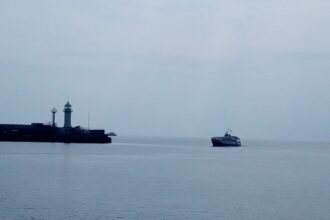
The Strait of Hormuz, a narrow waterway connecting the Persian Gulf to the open ocean, is a vital artery for global energy trade. Approximately 30% of the world’s seaborne oil trade passes through this strait daily. Any disruption, even a perceived one, can send shockwaves through oil prices. Iranian drone capabilities, coupled with its naval presence and missile systems, create a constant threat to shipping in this region.
Maritime Security and Drone Surveillance
- Persistent Surveillance: Iranian drones, including longer-range variants, can conduct persistent surveillance of naval traffic in and around the Strait. This provides real-time intelligence for potential interdiction or attack operations, increasing anxiety for tanker operators and insurers.
- Targeting Capabilities: While the precision and range of some Iranian drone attacks have been debated, their demonstrated ability to reach and damage oil tankers and infrastructure cannot be ignored. The potential for swarm attacks or coordinated strikes adds another layer of complexity and risk.
- Insurance Premiums and Shipping Costs: The heightened risk associated with navigating the Strait of Hormuz directly impacts shipping insurance premiums. Increased insurance costs are an overhead that ultimately gets factored into the price of oil reaching global consumers.
The increasing use of Iranian drones has significant implications for global oil markets, as highlighted in a related article discussing the geopolitical tensions and their effects on energy prices. The article delves into how these unmanned aerial vehicles are not only altering military strategies but also threatening critical oil infrastructure, leading to volatility in supply and prices. For more insights on this topic, you can read the full article at In The War Room.
Direct Impacts on Oil Production and Supply Chains
The most tangible impact of Iranian drone activity on oil markets stems from direct attacks or credible threats against oil-producing assets and the infrastructure that supports their export. These events, regardless of their ultimate success or attribution, trigger immediate market reactions.
Attacks on Saudi Arabian Oil Facilities
- Aramco Attacks (2019): The September 2019 drone and cruise missile attacks on the Abqaiq and Khurais oil processing facilities, operated by Saudi Aramco, represent a watershed moment. These attacks temporarily halved Saudi Arabia’s crude oil output, sending oil prices soaring by nearly 20% in a single trading session. This event underscored the vulnerability of even the most sophisticated oil infrastructure to asymmetric threats.
- Houthi-Claimed Strikes: While often claimed by Houthi rebels, the sophistication and range of some of these attacks have led to widespread suspicion of Iranian involvement in providing the drones, technology, or guidance. These recurring attacks on Saudi infrastructure, including pipelines and export terminals, contribute to ongoing supply concerns.
Threats to Other Regional Producers
- UAE and Qatar: While attacks directly on production facilities in the UAE and Qatar have been less frequent or publicly acknowledged, the general instability in the region, fueled by drone proliferation, creates an atmosphere of uncertainty. The proximity of these nations to potential conflict zones means their oil output is always considered implicitly at risk.
- Iraq: Iraq, an OPEC member with significant oil production, has also experienced attacks on its infrastructure attributed to various militia groups, some with suspected Iranian ties. These incidents, while often smaller in scale, contribute to a perception of endemic instability impacting potential output.
Infrastructure Vulnerabilities and Reparation Timelines
- Damage Assessment and Recovery: The time required to repair damaged oil processing facilities, pipelines, or export terminals can significantly impact global supply. The Abqaiq incident demonstrated how quickly production can be restored with immense effort, but also highlighted the disruption caused.
- Market Reaction to Damage Uncertainty: Even before the full extent of damage is known, news of an attack can initiate a price surge based on speculation and fear of prolonged disruption. The market often prices in a risk premium until clarity emerges.
Indirect Impacts: Market Psychology and Geopolitical Risk Premium
Beyond direct physical impacts, Iranian drone activity contributes significantly to the geopolitical risk premium embedded in global oil prices. This psychological factor, driven by anticipation of future disruptions, impacts investor sentiment and trading behavior.
The “Never-Ending” Risk Premium
- Anticipation of Future Attacks: The recurring nature of drone threats creates a baseline level of anxiety among market participants. Traders and investors factor in the possibility of future attacks when setting prices, even in the absence of immediate incidents.
- Escalation Scenarios: The potential for drone attacks to escalate into larger regional conflicts, involving major oil producers and consumers, amplifies this risk premium. The fear of a broader conflagration that could cripple oil supplies weighs heavily on markets.
Impact on Investment and Long-Term Planning
- Deterring New Investment: The perceived instability and risk of drone attacks can deter investment in new oil exploration and production projects in the Middle East. This could lead to reduced future supply, further exacerbating price volatility in the long run.
- Diversification Efforts: The repeated threat to Middle Eastern oil supplies encourages consuming nations to accelerate efforts to diversify their energy sources and supply routes, a gradual but significant shift that impacts long-term demand dynamics.
Investor Sentiment and Speculative Trading
- Price Volatility: Geopolitical tensions, exacerbated by drone activity, lead to increased price volatility. This environment can attract speculative trading, further amplifying price swings based on news and rumors.
- Risk Aversion: In times of heightened geopolitical risk, investors may become more risk-averse, leading to potential sell-offs in commodities like oil, or a preference for safer assets.
International Responses and Countermeasures

The international community’s response to Iranian drone proliferation and its impact on oil markets is multifaceted, involving diplomatic efforts, sanctions, and military posture adjustments. These actions, in turn, can influence the perception of risk and market stability.
Diplomatic and Sanctions Regimes
- International Condemnation: Many nations have condemned Iran’s drone program and its use in regional conflicts, often linking it to violations of international law and UN Security Council resolutions.
- Sanctions: The imposition and enforcement of sanctions on Iran aim to limit its ability to fund and develop its drone program. However, the effectiveness of these sanctions is debated, as Iran has found ways to circumvent them.
- Nuclear Deal Negotiations: The broader context of Iran’s nuclear program and related diplomatic negotiations inevitably influences perceptions of its regional actions, including its drone activities. Progress or setbacks in these talks can impact oil market sentiment.
Military Presence and Maritime Security Operations
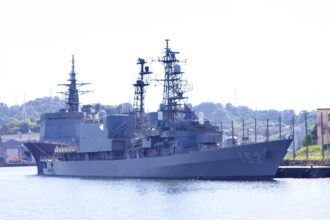
- Naval Patrols and Escorts: International navies, particularly those of the United States and its allies, have increased patrols and escort missions in sensitive waterways like the Strait of Hormuz to deter attacks and protect shipping.
- Intelligence Sharing and Interdiction: Efforts are underway to improve intelligence sharing among regional partners and to interdict weapon shipments, including drones and their components, destined for Iran and its proxies.
- Missile Defense Systems: While designed to counter ballistic missiles, advanced missile defense systems deployed in the region can also offer some protection against drone attacks, though their effectiveness against massed drone assaults is a subject of ongoing development and testing.
Evolving Military Strategies
- Counter-Drone Technologies: There is a growing focus on developing and deploying advanced counter-drone technologies, including electronic warfare, lasers, and interceptor drones, to counter the threat posed by Iranian unmanned systems.
- Deterrence by Denial: The aim of many security operations is to create a “deterrence by denial” environment, where potential attackers believe their strikes will be intercepted or ineffective.
The increasing use of Iranian drones has raised significant concerns about their potential impact on global oil markets, as these unmanned aerial vehicles could disrupt supply chains and create instability in key oil-producing regions. For a deeper understanding of this issue, you can explore a related article that discusses the geopolitical implications of drone warfare on energy security. This analysis highlights how the evolving landscape of military technology may influence oil prices and market dynamics. To read more about this topic, visit this article.
The Future Outlook: Persistent Risk and Market Adaptation
| Metrics | Impact |
|---|---|
| Oil Prices | Increased due to supply disruption |
| Global Oil Production | Decreased as a result of attacks |
| Market Volatility | Increased due to uncertainty |
| Geopolitical Tensions | Escalated in the region |
The impact of Iranian drones on global oil markets is unlikely to diminish in the foreseeable future. The technology continues to evolve, and Iran’s strategic calculus appears to favor its continued use as a tool of asymmetric influence. Market participants, therefore, must adapt to this persistent element of geopolitical risk.
Technological Advancement and Proliferation
- Improved Range and Payload: Iran’s ongoing investment in its drone program suggests a continued focus on improving range, payload capacity, stealth capabilities, and navigational accuracy.
- Export and Transfer: The likelihood of Iran continuing to supply drones and related technology to its proxies remains high, further diffusing the threat and complicating attribution efforts.
- Counter-Countermeasures: As drone technology advances, so too do countermeasures. The ongoing arms race in this domain will likely influence the effectiveness and perceived threat of Iranian drones over time.
Market Resilience and Adaptation Strategies
- Diversification of Supply Routes: The long-term trend towards diversifying oil supply routes away from the Persian Gulf is likely to accelerate, reducing the singular impact of chokepoint threats.
- Strategic Petroleum Reserves: Nations may increasingly rely on strategic petroleum reserves to buffer against short-term supply disruptions caused by geopolitical events.
- Investment in Alternative Energy: The persistent energy security concerns, partly fueled by drone threats, provide further impetus for investment in renewable energy sources and a broader energy transition, which will fundamentally alter global oil market dynamics over the coming decades.
The New Normal for Oil Markets
- Embedded Risk Premium: It is probable that a certain level of geopolitical risk premium, linked to the persistent threat of Iranian drone activity, will become an embedded feature of oil prices.
- Information as a Commodity: Accurate and timely intelligence regarding drone activity and potential threats will become increasingly valuable for oil market participants, influencing trading decisions and price discovery.
- Adaptability and Innovation: The oil industry, governments, and international security organizations will need to remain adaptable and innovative in their strategies to mitigate the impact of drone warfare on global energy security. The ability to respond swiftly and effectively to actual or perceived threats will be paramount.
FAQs
What are Iranian drones?
Iranian drones, also known as unmanned aerial vehicles (UAVs), are aircraft that are operated without a human pilot on board. They are controlled remotely by a human operator or autonomously by onboard computers.
How have Iranian drones impacted global oil markets?
Iranian drones have impacted global oil markets by targeting oil facilities and infrastructure in the Middle East, leading to disruptions in oil production and supply. These attacks have caused fluctuations in oil prices and heightened concerns about the security of oil infrastructure in the region.
What specific incidents have involved Iranian drones and oil facilities?
One notable incident involving Iranian drones and oil facilities occurred in September 2019, when a drone attack targeted Saudi Aramco’s oil processing facilities in Abqaiq and Khurais, disrupting the kingdom’s oil production. Iranian-backed Houthi rebels in Yemen claimed responsibility for the attack.
How has the international community responded to Iranian drone attacks on oil facilities?
The international community has condemned Iranian drone attacks on oil facilities and called for de-escalation in the region. There have been discussions about potential responses, including diplomatic efforts to address regional tensions and concerns about the security of oil infrastructure.
What are the potential future implications of Iranian drones on global oil markets?
The use of Iranian drones in targeting oil facilities has raised concerns about the vulnerability of critical energy infrastructure to such attacks. This has led to increased focus on enhancing security measures and developing technologies to detect and mitigate the threat posed by drones to global oil markets.