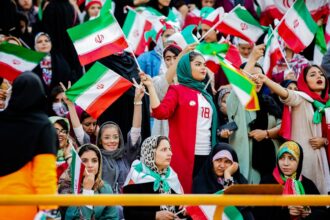
The Iranian Revolution, which culminated in 1979, marked a significant turning point in the history of Iran and the broader Middle East. It was a complex movement that saw the overthrow of the Pahlavi monarchy, led by Shah Mohammad Reza Pahlavi, and the establishment of an Islamic Republic under the leadership of Ayatollah Ruhollah Khomeini. The revolution was fueled by widespread discontent with the Shah’s regime, which was characterized by authoritarianism, political repression, and a Western-oriented modernization agenda that alienated many segments of Iranian society.
The revolution’s success was not merely a result of popular discontent; it was also facilitated by a series of strategic miscalculations by the Shah’s government. As protests grew in size and intensity, the regime’s attempts to suppress dissent only served to galvanize opposition.
By early 1979, the Shah had fled the country, and Khomeini returned from exile to a hero’s welcome. The establishment of the Islamic Republic was marked by a new constitution that enshrined Islamic law and governance, fundamentally altering Iran’s political landscape. This seismic shift not only transformed Iran but also reverberated throughout the region, inspiring various movements and altering geopolitical dynamics.
Key Takeaways
- The Iranian Revolution led to the establishment of the Islamic Republic, fundamentally changing Iran’s political landscape.
- The Iran-Iraq War was a prolonged conflict with significant causes and devastating consequences for both nations.
- The Battle of Khorramshahr marked a critical turning point, showcasing the resilience of the Iranian military.
- Foreign support played a complex role, influencing the dynamics and outcomes of the war.
- Remembering the war through documentaries and lessons is vital for understanding its impact and guiding future policies.
The Rise of the Islamic Republic of Iran
Following the revolution, Iran underwent a radical transformation as the Islamic Republic emerged as a new political entity. The new regime sought to consolidate power and implement its vision of an Islamic state, which included significant changes to social, economic, and political structures. The clerical leadership aimed to replace Western influences with Islamic principles, leading to the implementation of strict laws governing personal conduct, dress codes, and public behavior.
This shift was met with both support and resistance from various segments of society, as many Iranians grappled with the implications of living under a theocratic regime. The consolidation of power by Khomeini and his followers was not without challenges. Various factions within the revolutionary movement began to clash over ideological differences, leading to purges and political repression against those deemed counter-revolutionary.
The new government faced significant opposition from secular groups, ethnic minorities, and former supporters who felt betrayed by the radical changes. Despite these internal conflicts, the Islamic Republic managed to establish itself firmly in power, largely due to its ability to mobilize popular support through nationalist rhetoric and anti-Western sentiment. This period laid the groundwork for Iran’s future policies and its contentious relationship with both domestic and international actors.
The Iran-Iraq War: Causes and Consequences
The Iran-Iraq War, which erupted in 1980 and lasted until 1988, was one of the most devastating conflicts in modern history. The war was rooted in a complex interplay of historical grievances, territorial disputes, and ideological differences between the two nations. Following the Iranian Revolution, Iraq’s leader, Saddam Hussein, viewed the new Islamic Republic as a threat to his regime and sought to exploit Iran’s perceived vulnerability during its post-revolutionary turmoil.
Hussein’s ambitions were further fueled by a desire to assert Iraqi dominance in the region and control vital oil resources. The consequences of the war were catastrophic for both nations. It resulted in immense loss of life, with estimates of military and civilian casualties reaching into the millions.
The conflict also devastated infrastructure and economies on both sides, leading to long-term repercussions that would shape their futures. Additionally, the war had significant geopolitical implications, as it drew in foreign powers and shifted alliances in the region. The United States and other Western nations initially supported Iraq in an effort to contain Iran’s influence, while Iran sought assistance from various sources, including Syria and Libya.
This complex web of alliances would have lasting effects on regional politics.
The Role of the Iranian Military in the War
| Metric | Details |
|---|---|
| Military Branches Involved | Islamic Revolutionary Guard Corps (IRGC), Iranian Army (Artesh), Basij Militia |
| Number of Troops Deployed | Estimated 500,000 personnel at peak involvement |
| Key Roles | Frontline combat, strategic planning, intelligence, logistics, and training allied militias |
| Major Battles Participated | Battle of Khorramshahr, Operation Fath ol-Mobin, Operation Beit ol-Moqaddas |
| Casualties | Approximately 200,000 killed and wounded combined |
| Use of Foreign Advisors | Collaboration with Hezbollah and other allied militias from Lebanon and Iraq |
| Military Equipment | Use of Soviet-era tanks, artillery, and locally produced weapons |
| Impact on War Outcome | Crucial in halting Iraqi advances and regaining lost territory |
The Iranian military played a crucial role during the Iran-Iraq War, navigating a challenging landscape marked by initial setbacks and eventual adaptation. At the onset of the conflict, Iran’s military was in disarray due to purges following the revolution that targeted many high-ranking officers who were loyal to the Shah. This left a vacuum in leadership and expertise that Iraq sought to exploit.
However, as the war progressed, Iran’s military began to reorganize and adapt its strategies in response to Iraq’s advances. The Iranian military’s resilience became evident as it shifted from conventional warfare tactics to more guerrilla-style operations. This adaptation allowed Iranian forces to leverage their knowledge of local terrain and engage in asymmetric warfare against a numerically superior Iraqi army.
The establishment of the Islamic Revolutionary Guard Corps (IRGC) further bolstered Iran’s military capabilities by mobilizing volunteers and fostering a sense of nationalistic fervor among its ranks. The IRGC played a pivotal role not only on the battlefield but also in shaping Iran’s post-war military doctrine.
The Battle of Khorramshahr: A Turning Point in the Conflict
The Battle of Khorramshahr stands out as one of the most significant confrontations during the Iran-Iraq War, marking a turning point in Iran’s military fortunes. In September 1980, Iraqi forces launched an assault on Khorramshahr, a strategically important city located near the border with Iraq. The initial Iraqi offensive was swift and brutal, leading to significant territorial gains within days.
However, Iranian forces mounted a fierce defense that would ultimately become emblematic of their resilience. The battle lasted for several months and became a symbol of national pride for Iranians. Despite suffering heavy casualties and facing overwhelming odds, Iranian forces managed to recapture Khorramshahr in May 1982.
This victory not only boosted morale among Iranian troops but also galvanized public support for the war effort. The battle demonstrated Iran’s ability to withstand external aggression and solidified Khomeini’s narrative of resistance against foreign invaders. It also marked a shift in strategy for Iran as it transitioned from defensive operations to counteroffensives aimed at reclaiming lost territory.
The Impact of Foreign Support on the Iranian Military
Foreign support played a critical role in shaping the dynamics of the Iran-Iraq War, influencing both military strategies and outcomes on the battlefield. While Iraq received substantial backing from various countries, including financial aid and military supplies from Western nations and Arab states, Iran found itself largely isolated due to its revolutionary ideology and anti-Western stance. However, this isolation did not prevent Iran from seeking assistance from unconventional sources.
Iran turned to countries like Syria and Libya for military support while also relying on domestic production capabilities to bolster its arsenal. Additionally, volunteers from various countries joined Iranian forces in solidarity against what they perceived as imperialist aggression. This influx of foreign fighters added a unique dimension to Iran’s military efforts and underscored its ability to forge alliances based on shared ideological goals rather than traditional state-to-state relations.
Ultimately, while foreign support was unevenly distributed between the two nations, it significantly influenced the course of the war.
The Human Cost of the War: Civilian and Military Casualties
The human cost of the Iran-Iraq War was staggering, with millions affected by violence, displacement, and loss. Estimates suggest that between 1 million to 2 million people lost their lives during this protracted conflict, with both military personnel and civilians bearing the brunt of the violence. Cities were reduced to rubble as airstrikes targeted urban centers, leading to widespread destruction and suffering among non-combatants.
Many veterans returned home with physical injuries as well as deep emotional scars from their experiences on the battlefield. Families were torn apart as loved ones were killed or went missing during combat operations.
The societal impact extended beyond immediate casualties; entire communities were disrupted as people fled conflict zones or were forced into refugee status. The legacy of this human cost continues to resonate within Iranian society today.
The Legacy of the Iran-Iraq War in Iranian Society
The legacy of the Iran-Iraq War is deeply embedded in Iranian society and continues to shape national identity and political discourse. The conflict fostered a sense of unity among Iranians who rallied around their nation during times of adversity. Commemoration events honoring martyrs have become integral to Iranian culture, reinforcing narratives of sacrifice and resilience against external threats.
Moreover, the war influenced Iran’s political landscape by solidifying hardline elements within the government that emphasized security concerns over democratic reforms. The experience gained during wartime led to an expansion of military capabilities and an emphasis on self-sufficiency in defense production. This legacy has contributed to Iran’s current posture in regional politics as it seeks to assert its influence while navigating complex relationships with neighboring countries.
The Evolution of the Iranian Military Post-War
In the aftermath of the Iran-Iraq War, Iran underwent significant changes within its military structure and strategy. Recognizing lessons learned from years of conflict, Iranian leaders prioritized modernization efforts aimed at enhancing military capabilities while maintaining ideological commitments rooted in revolutionary principles. This evolution involved investing in domestic arms production and developing advanced technologies to reduce reliance on foreign suppliers.
The establishment of institutions dedicated to research and development further facilitated this transformation. As a result, Iran emerged as a regional power capable of projecting influence through asymmetric warfare tactics such as proxy groups across the Middle East. This shift not only altered regional dynamics but also positioned Iran as a key player in ongoing conflicts involving state actors and non-state militias alike.
The Documentary: A Look at Rare Footage and Interviews
Documentaries exploring the Iran-Iraq War provide invaluable insights into this tumultuous period through rare footage and firsthand accounts from those who lived through it. These visual narratives capture not only the brutality of warfare but also moments of resilience among soldiers and civilians alike. Interviews with veterans offer poignant reflections on their experiences—highlighting themes such as sacrifice, loss, camaraderie, and survival amidst chaos.
Such documentaries serve as essential historical records that preserve collective memory while fostering understanding among younger generations who may not have direct ties to this era. By showcasing diverse perspectives—from military leaders strategizing on battlefields to families coping with loss—these films contribute significantly to ongoing discussions about war’s impact on society.
The Importance of Remembering Iran 1980: Lessons for the Future
Remembering events like those surrounding Iran 1980 is crucial for understanding contemporary challenges faced by nations grappling with conflict today. The lessons learned from this period emphasize not only the human cost associated with prolonged warfare but also highlight how ideological fervor can shape national identity amidst adversity. As global tensions continue to rise across various regions—often echoing historical grievances—it becomes imperative for societies worldwide to reflect upon past conflicts critically.
By acknowledging shared histories marked by suffering while striving toward reconciliation efforts rooted in empathy rather than division—nations can work toward building more peaceful futures free from cycles of violence that have plagued humanity throughout history. In conclusion, examining these multifaceted aspects surrounding events like those witnessed during Iran’s revolution through its subsequent war provides valuable insights into broader themes relevant today—underscoring humanity’s capacity for resilience even amidst profound challenges while reminding us all about our collective responsibility toward fostering peace across borders moving forward into an uncertain future ahead.
For those interested in the complexities of military history, particularly regarding Iran in 1980, a related article that provides further insights is available at this link. This article delves into the geopolitical ramifications of the events during that tumultuous period, offering a broader context to the military strategies and decisions made at the time.
WATCH THIS! The Disaster That Saved Them: How Eagle Claw’s Failure Freed the Hostages
FAQs
What is the focus of the military history documentary “Iran 1980”?
The documentary “Iran 1980” focuses on the military events and historical context surrounding Iran in the year 1980, particularly highlighting the early stages of the Iran-Iraq War and the political and military developments of that period.
Why is the year 1980 significant in Iran’s military history?
The year 1980 is significant because it marks the beginning of the Iran-Iraq War, which started in September 1980 when Iraq invaded Iran. This conflict had a profound impact on the region and shaped Iran’s military and political landscape for years to come.
What type of content can viewers expect in the documentary?
Viewers can expect a detailed examination of military strategies, key battles, political decisions, and personal accounts from soldiers and commanders involved in the conflict. The documentary may also include archival footage, expert interviews, and analysis of the war’s impact on Iran and the broader Middle East.
Who are the primary sources or experts featured in the documentary?
The documentary typically features military historians, veterans of the Iran-Iraq War, political analysts, and sometimes government or military officials who provide firsthand insights and expert commentary on the events of 1980.
How does the documentary contribute to understanding Iran’s military history?
By focusing on a pivotal year in Iran’s military history, the documentary provides context and depth to the causes, progression, and consequences of the Iran-Iraq War. It helps viewers understand the complexities of the conflict and Iran’s military strategies during a critical period.
Is the documentary suitable for viewers without prior knowledge of the Iran-Iraq War?
Yes, most military history documentaries, including “Iran 1980,” are designed to be informative and accessible to a broad audience, providing background information and explanations to help viewers understand the historical context and significance of the events.
Where can one watch the “Iran 1980” military history documentary?
The documentary may be available on various platforms such as history-focused streaming services, educational websites, or television channels specializing in historical content. Availability can vary, so checking online streaming platforms or libraries is recommended.
Does the documentary cover the political context of Iran in 1980 as well?
Yes, understanding the political context is essential to comprehending the military events of 1980. The documentary typically explores the political climate in Iran following the 1979 Islamic Revolution and how it influenced military decisions and the outbreak of war.