The concept of nuclear command bunkers emerged during the Cold War, a period marked by intense geopolitical tension and the looming threat of nuclear warfare. As nations developed their nuclear arsenals, the need for secure facilities to manage these weapons became paramount. The United States and the Soviet Union, in particular, invested heavily in constructing underground bunkers designed to withstand nuclear blasts and provide a safe environment for military leaders to operate during a crisis.
These facilities were not merely shelters; they were strategic command centers equipped with advanced technology to facilitate decision-making in the event of a nuclear conflict. Over the decades, the design and purpose of these bunkers evolved. Initially, they were built with a focus on survival and protection from immediate threats.
However, as the nature of warfare changed and the potential for nuclear engagement became more complex, so too did the requirements for these command centers. By the late 20th century, bunkers had transformed into sophisticated hubs of communication and strategy, reflecting the growing importance of information technology in military operations. The historical trajectory of nuclear command bunkers illustrates not only the evolution of military strategy but also the broader societal anxieties surrounding nuclear weapons.
Key Takeaways
- Nuclear command bunkers have evolved to ensure secure and continuous control over nuclear forces.
- They are strategically located and designed to withstand attacks while facilitating critical decision-making.
- Personnel undergo rigorous training to manage operations under extreme stress and maintain communication.
- Advanced technology and strict security measures are essential for bunker functionality and access control.
- Continuity of government and future innovations remain central to the role of nuclear command bunkers.
The Purpose and Function of Nuclear Command Bunkers
Nuclear command bunkers serve a critical purpose in national defense strategies, acting as secure locations from which military leaders can direct operations during a nuclear crisis. Their primary function is to ensure continuity of command and control over nuclear forces, allowing for rapid decision-making in high-stakes situations. In essence, these bunkers are designed to maintain operational capability even in the face of catastrophic events, ensuring that a nation can respond effectively to threats.
Beyond their role in crisis management, nuclear command bunkers also function as centers for strategic planning and coordination. They house advanced communication systems that enable leaders to connect with various military branches and government officials, facilitating a cohesive response to any potential nuclear engagement. The ability to gather intelligence, assess threats, and communicate with allies is paramount in these facilities, underscoring their importance in maintaining national security.
The Location and Design of Nuclear Command Bunkers
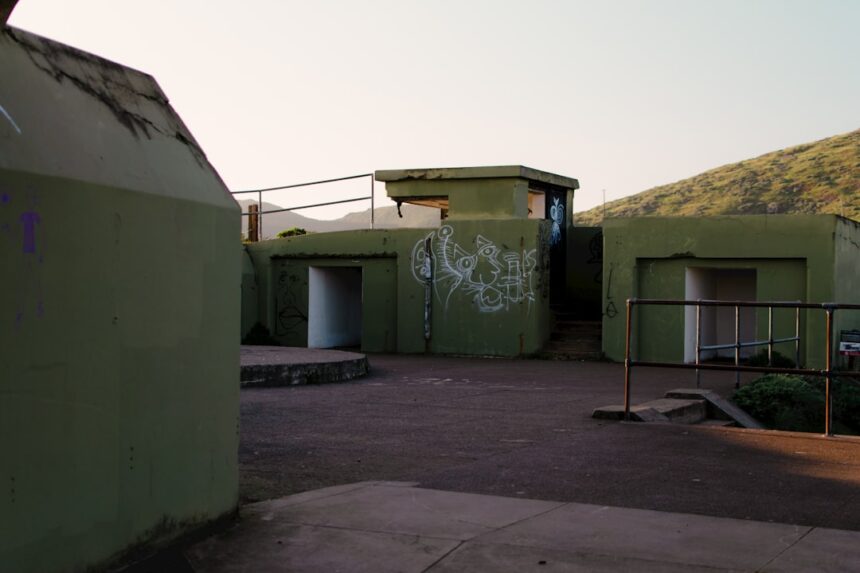
The strategic location of nuclear command bunkers is a crucial aspect of their design. Typically situated underground or within fortified structures, these facilities are often placed in remote areas to minimize the risk of direct attacks. The geographical positioning is carefully considered to ensure that they remain operational even if major urban centers are compromised.
This strategic placement reflects a broader military doctrine that prioritizes survivability and accessibility during crises. In terms of design, nuclear command bunkers are engineered to withstand extreme conditions, including nuclear blasts, chemical attacks, and natural disasters. Thick concrete walls, reinforced doors, and advanced air filtration systems are standard features that contribute to their resilience.
Additionally, the internal layout is meticulously planned to accommodate various functions, from command operations to living quarters for personnel. This thoughtful design ensures that military leaders can operate effectively under pressure while maintaining a degree of comfort and security.
The Role of Personnel in Nuclear Command Bunkers
Personnel play an indispensable role in the operation of nuclear command bunkers. These individuals are often highly trained military officers and support staff who possess specialized knowledge in various fields, including strategy, communications, and logistics. Their expertise is vital for ensuring that the bunker functions smoothly during critical moments when decisions must be made swiftly and accurately.
Moreover, the psychological resilience of personnel is equally important. Working in a high-stakes environment where the potential for catastrophic outcomes looms large can take a toll on mental health. Therefore, personnel undergo rigorous training not only in technical skills but also in stress management and crisis response.
This dual focus on technical proficiency and psychological preparedness is essential for maintaining operational effectiveness in the face of uncertainty.
Communication and Decision-Making in Nuclear Command Bunkers
| Metric | Description | Typical Value | Unit |
|---|---|---|---|
| Operational Readiness | Percentage of time the bunker is fully operational and staffed | 99.9 | % |
| Communication Latency | Time delay in command transmission to nuclear forces | 5 | milliseconds |
| Backup Power Duration | Length of time backup power can sustain operations | 72 | hours |
| Personnel On-Duty | Number of staff members present per shift | 15 | persons |
| Security Breach Attempts | Number of unauthorized access attempts detected annually | 3 | incidents/year |
| System Redundancy | Number of independent systems ensuring command continuity | 4 | systems |
| Environmental Control Stability | Percentage uptime of HVAC and life support systems | 99.7 | % |
| Drill Frequency | Number of emergency readiness drills conducted annually | 12 | drills/year |
Effective communication is the lifeblood of operations within nuclear command bunkers. Given the high-pressure nature of their work, personnel must be able to relay information quickly and accurately to make informed decisions. Advanced communication systems are employed to facilitate real-time updates from various intelligence sources, ensuring that leaders have access to the most current data available.
Decision-making processes within these bunkers are often structured yet flexible. Military leaders must weigh multiple factors—such as threat assessments, potential consequences, and international ramifications—before arriving at a course of action. This complexity necessitates a collaborative approach where input from various experts is valued.
The ability to synthesize diverse perspectives into a coherent strategy is crucial for effective leadership during crises.
Training and Preparedness for Nuclear Command Bunker Operations
Training for personnel assigned to nuclear command bunkers is comprehensive and multifaceted. It encompasses not only technical skills related to operating equipment and managing communications but also simulations that replicate real-world scenarios. These exercises are designed to prepare personnel for the unique challenges they may face during a crisis, allowing them to practice decision-making under pressure.
Preparedness extends beyond individual training; it also involves regular drills that test the functionality of the bunker itself. These drills assess everything from communication systems to emergency protocols, ensuring that all aspects of bunker operations are functioning optimally. By fostering a culture of preparedness, military organizations can enhance their readiness for any potential nuclear engagement.
Security and Access Control in Nuclear Command Bunkers
Security is paramount in nuclear command bunkers, given the sensitive nature of their operations. Access control measures are stringent, with multiple layers of security designed to prevent unauthorized entry.
In addition to physical security measures, cybersecurity is increasingly important as technology evolves. With advanced communication systems comes the risk of cyber threats that could compromise operations or sensitive information. As such, personnel receive training on cybersecurity protocols to safeguard against potential breaches that could jeopardize national security.
The Technology and Equipment Used in Nuclear Command Bunkers
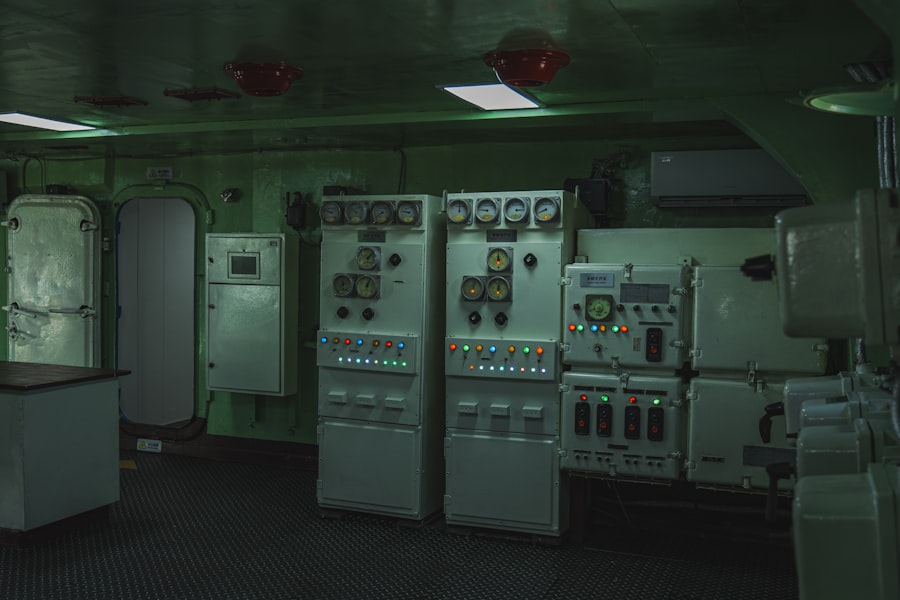
The technology utilized within nuclear command bunkers is cutting-edge and continually evolving to meet modern demands. Advanced communication systems enable real-time data sharing among military leaders, intelligence agencies, and allied nations. These systems are designed to be resilient against disruptions caused by electromagnetic pulses or other forms of attack.
Moreover, situational awareness tools play a critical role in decision-making processes within these facilities. High-tech displays provide visual representations of global events, allowing leaders to assess threats quickly and accurately. The integration of artificial intelligence and machine learning into these systems further enhances their capabilities, enabling more informed decision-making during crises.
The Psychological and Emotional Impact of Working in Nuclear Command Bunkers
The psychological toll on personnel working in nuclear command bunkers cannot be understated. The weight of responsibility associated with managing nuclear weapons can lead to significant stress and anxiety. Personnel must grapple with the knowledge that their decisions could have far-reaching consequences not only for their nation but for humanity as a whole.
To mitigate these effects, military organizations implement support systems aimed at promoting mental well-being among personnel. Counseling services, peer support programs, and stress management training are integral components designed to help individuals cope with the unique challenges they face in this high-stakes environment. Recognizing the emotional impact of their work is essential for maintaining morale and operational effectiveness.
The Importance of Continuity of Government in Nuclear Command Bunker Operations
Continuity of government is a fundamental principle underpinning the operations of nuclear command bunkers. In times of crisis, it is essential that leadership remains intact to ensure effective governance and decision-making. Bunkers are designed not only as military command centers but also as hubs for governmental continuity, allowing key officials to maintain their roles even amidst chaos.
This emphasis on continuity extends beyond immediate crisis response; it also encompasses long-term strategic planning for post-crisis recovery. By ensuring that government functions can continue uninterrupted during emergencies, nations can better navigate the complexities that arise from nuclear threats or other catastrophic events.
The Future of Nuclear Command Bunkers and Strategic Operations
As global dynamics shift and new threats emerge, the future of nuclear command bunkers will likely evolve alongside advancements in technology and changes in military strategy. The increasing reliance on cyber capabilities may necessitate adaptations in how these facilities operate, particularly concerning cybersecurity measures and information sharing protocols. Furthermore, as international relations continue to evolve, there may be a greater emphasis on collaboration among nations regarding nuclear command operations.
Joint exercises and shared technologies could become more common as countries seek to enhance their collective security posture against emerging threats. Ultimately, the future of nuclear command bunkers will reflect not only technological advancements but also the changing landscape of global security challenges.
In the context of nuclear command bunker operations, understanding the strategic implications and historical context is crucial. A related article that delves into these aspects can be found at this link. It provides insights into the evolution of command structures and the importance of secure communication in maintaining national security during times of crisis.
WATCH THIS 🎬 DEAD HAND: The Soviet Doomsday Machine That’s Still Listening
FAQs
What is a nuclear command bunker?
A nuclear command bunker is a fortified underground facility designed to serve as a secure command and control center for military leaders during a nuclear conflict. It is built to withstand nuclear blasts, electromagnetic pulses, and other forms of attack to ensure continuity of command.
What are the primary functions of nuclear command bunker operations?
The primary functions include maintaining secure communication with nuclear forces, monitoring potential threats, issuing launch orders if necessary, and coordinating defense strategies. The bunker ensures that command and control capabilities remain intact during a nuclear crisis.
Who typically operates a nuclear command bunker?
Nuclear command bunkers are operated by specially trained military personnel, including command officers, communication specialists, and security staff. These individuals are responsible for maintaining readiness and executing orders under strict protocols.
How is communication maintained in a nuclear command bunker?
Communication is maintained through hardened, redundant systems such as secure landlines, satellite links, and radio frequencies designed to resist jamming and electromagnetic interference. These systems ensure continuous contact with nuclear forces and other command centers.
What security measures are in place for nuclear command bunkers?
Security measures include physical fortifications like reinforced concrete and blast doors, electronic surveillance, access control systems, and armed guards. Additionally, strict protocols govern access and information handling to prevent unauthorized entry or leaks.
How are nuclear command bunkers supplied and maintained?
Bunkers are equipped with independent power sources, air filtration systems, water supplies, and food storage to support occupants for extended periods. Regular maintenance and drills are conducted to ensure all systems function correctly and personnel remain prepared.
Are nuclear command bunkers used only during wartime?
While primarily designed for use during nuclear conflict or heightened alert, nuclear command bunkers are maintained in a state of readiness at all times. They may also be used for training exercises, system testing, and strategic planning during peacetime.
Where are nuclear command bunkers typically located?
They are usually located underground in secure, remote areas to minimize vulnerability. Locations are often classified for security reasons but are strategically placed to maintain effective command and control over nuclear forces.
How do nuclear command bunkers contribute to national security?
By ensuring that military leadership can survive and operate during a nuclear attack, these bunkers provide a credible deterrent against nuclear aggression. They help maintain strategic stability by guaranteeing a controlled and coordinated response capability.
Can nuclear command bunkers be targeted or destroyed?
While designed to withstand significant attacks, no facility is completely invulnerable. However, their hardened construction and secrecy make them difficult to locate and destroy, thereby enhancing their survivability during conflict.