Accurate underwater detection systems play a crucial role in various sectors, including marine research, environmental monitoring, and national security. These systems are essential for identifying and tracking underwater objects, whether they are natural formations, marine life, or human-made structures. The ability to detect and analyze these elements accurately can lead to significant advancements in understanding marine ecosystems, ensuring maritime safety, and protecting critical infrastructure.
For instance, in the realm of environmental conservation, precise detection systems can help researchers monitor the health of coral reefs and other vital habitats, enabling timely interventions to preserve biodiversity. Moreover, the significance of accurate underwater detection extends to military applications, where the detection of submarines and underwater mines is paramount. In this context, the effectiveness of naval operations hinges on the ability to identify potential threats swiftly and accurately.
As global tensions rise and maritime boundaries become increasingly contested, the demand for reliable detection systems has never been more pressing. The implications of inaccuracies in these systems can be severe, leading to miscalculations that could jeopardize national security or result in environmental disasters. Thus, investing in advanced underwater detection technologies is not merely a matter of technological advancement; it is a necessity for safeguarding both human interests and the delicate balance of marine ecosystems.
Key Takeaways
- Accurate underwater detection systems are crucial for safety and operational efficiency in marine environments.
- Current systems face limitations that can be addressed through advanced technology and improved signal processing.
- Multi-sensor fusion and environmental factor management enhance detection reliability and reduce false alarms.
- Integrating machine learning and AI enables predictive analysis and real-time communication improvements.
- Collaboration with industry experts drives innovation and addresses future challenges in underwater detection.
Understanding the Limitations of Current Underwater Detection Systems
Despite the advancements made in underwater detection technologies, several limitations persist that hinder their effectiveness. One of the primary challenges is the inherent complexity of underwater environments. Factors such as varying water temperatures, salinity levels, and the presence of sediment can significantly affect the performance of sonar and other detection systems.
These environmental variables can lead to signal degradation, making it difficult to obtain clear and accurate readings. Consequently, many current systems struggle to differentiate between genuine targets and background noise, resulting in false positives or missed detections. Additionally, the operational range of many underwater detection systems is often limited.
Traditional sonar systems may only function effectively within a certain distance from the source, which can restrict their utility in vast oceanic expanses. This limitation is particularly problematic for applications requiring long-range surveillance or monitoring of large areas. Furthermore, many existing systems lack the capability to adapt to dynamic underwater conditions, rendering them less effective in rapidly changing environments.
As a result, there is a pressing need for innovative solutions that address these limitations and enhance the overall reliability and accuracy of underwater detection systems.
Utilizing Advanced Technology for Improved Accuracy
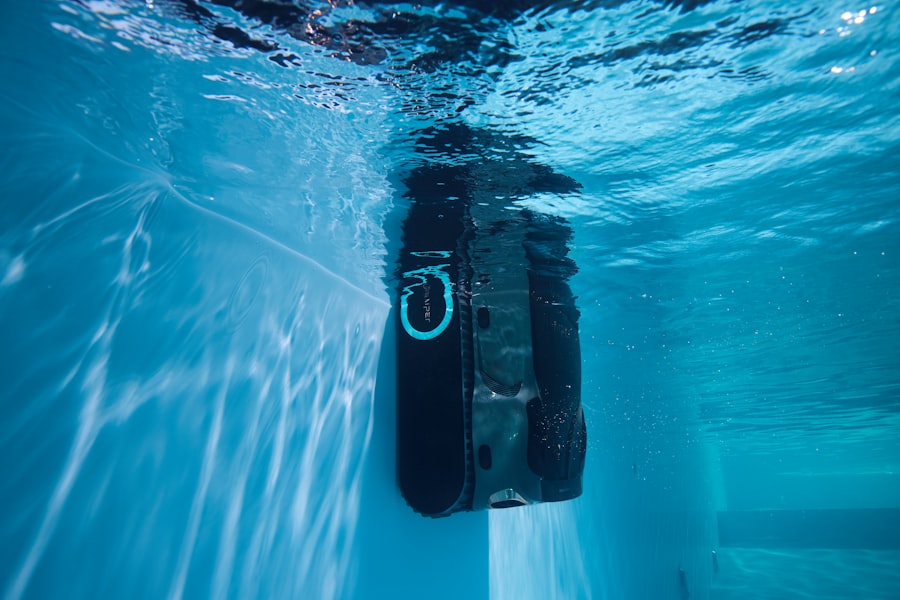
To overcome the limitations of current underwater detection systems, researchers and engineers are increasingly turning to advanced technologies that promise improved accuracy and reliability. One such technology is synthetic aperture sonar (SAS), which utilizes advanced signal processing techniques to create high-resolution images of underwater objects. Unlike traditional sonar systems that rely on single-point measurements, SAS can capture detailed images over larger areas by synthesizing data from multiple passes.
This capability allows for more precise identification of underwater features and enhances the overall effectiveness of detection efforts. In addition to SAS, advancements in acoustic sensors are also contributing to improved accuracy in underwater detection. These sensors are designed to operate across a broader range of frequencies, enabling them to detect a wider variety of objects and marine life.
By employing multi-frequency acoustic systems, researchers can gather more comprehensive data about underwater environments, leading to better-informed decisions regarding marine conservation and resource management. The integration of these advanced technologies into existing detection systems represents a significant step forward in enhancing their accuracy and effectiveness.
Enhancing Signal Processing Algorithms for Better Detection
The development of sophisticated signal processing algorithms is another critical avenue for improving underwater detection systems. These algorithms play a vital role in interpreting the data collected by sonar and other sensors, transforming raw signals into actionable information. By employing advanced techniques such as machine learning and adaptive filtering, researchers can enhance the ability of detection systems to distinguish between relevant signals and background noise.
This improvement is particularly important in cluttered underwater environments where multiple signals may overlap. Moreover, enhanced signal processing algorithms can facilitate real-time data analysis, allowing operators to make informed decisions quickly. For instance, by implementing algorithms that can automatically identify and classify objects based on their acoustic signatures, detection systems can reduce the time required for manual analysis.
This capability not only increases operational efficiency but also minimizes the risk of human error in interpreting complex data sets. As researchers continue to refine these algorithms, the potential for more accurate and reliable underwater detection systems becomes increasingly attainable.
Implementing Multi-Sensor Fusion for Comprehensive Coverage
| Detection System | Accuracy (%) | Detection Range (meters) | False Alarm Rate (%) | Detection Environment |
|---|---|---|---|---|
| Sonar-Based System A | 92 | 1500 | 5 | Coastal Waters |
| Acoustic Sensor Array B | 88 | 1200 | 7 | Open Ocean |
| Magnetic Anomaly Detector C | 85 | 800 | 10 | Harbor Areas |
| Optical Imaging System D | 78 | 500 | 12 | Clear Water |
| Multi-Sensor Fusion System E | 95 | 1600 | 4 | Varied Environments |
The integration of multi-sensor fusion techniques represents a promising approach to achieving comprehensive coverage in underwater detection systems. By combining data from various sensors—such as sonar, cameras, and environmental sensors—operators can obtain a more holistic view of underwater environments. This approach allows for cross-validation of data, enhancing overall accuracy and reducing the likelihood of false alarms.
For example, if sonar detects an object but visual confirmation from an underwater camera is inconclusive, additional data from environmental sensors can provide context that aids in identification. Furthermore, multi-sensor fusion enables the development of more robust detection systems capable of operating effectively in diverse conditions. By leveraging the strengths of different sensor types, operators can adapt their detection strategies based on specific environmental challenges.
This adaptability is particularly valuable in dynamic underwater settings where conditions may change rapidly due to factors such as currents or marine life activity.
Addressing Environmental Factors to Minimize False Alarms
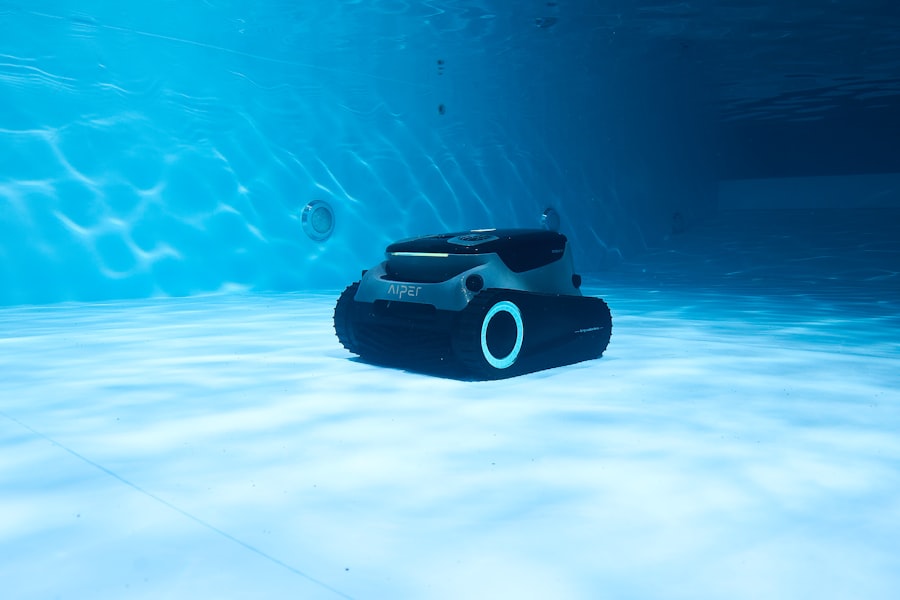
Environmental factors pose significant challenges to underwater detection systems, often leading to false alarms that can undermine their effectiveness. To address this issue, researchers are focusing on developing strategies that account for these variables during the detection process. One approach involves incorporating environmental modeling into detection algorithms, allowing systems to predict how factors such as temperature gradients or sediment layers may affect signal propagation.
By understanding these influences, operators can adjust their detection parameters accordingly, reducing the likelihood of false positives.
By deploying sensors that continuously monitor variables such as water temperature, salinity, and turbidity, operators can gain real-time insights into how these factors may impact detection efforts.
This information can be invaluable for fine-tuning detection strategies and improving overall system performance. As researchers continue to explore innovative ways to mitigate the effects of environmental factors, the reliability of underwater detection systems is expected to improve significantly.
Enhancing Data Collection and Analysis Techniques
The effectiveness of underwater detection systems relies heavily on robust data collection and analysis techniques. To enhance these processes, researchers are exploring new methodologies that prioritize efficiency and accuracy. One promising approach involves utilizing autonomous underwater vehicles (AUVs) equipped with advanced sensors to gather data over large areas systematically.
These vehicles can operate independently or in coordinated swarms, allowing for comprehensive surveys that would be challenging or impossible with traditional methods. In addition to improving data collection methods, advancements in data analysis techniques are also crucial for maximizing the utility of collected information. The application of big data analytics allows researchers to process vast amounts of data quickly and extract meaningful insights from complex datasets.
By employing advanced statistical methods and visualization tools, operators can identify patterns and trends that may not be immediately apparent through manual analysis. This enhanced analytical capability not only improves decision-making but also contributes to a deeper understanding of underwater environments.
Improving Underwater Communication for Real-Time Updates
Effective communication is essential for maximizing the potential of underwater detection systems. However, traditional communication methods often face significant challenges due to the unique properties of water that hinder signal transmission. To address this issue, researchers are exploring innovative communication technologies designed specifically for underwater environments.
One such technology is acoustic communication, which utilizes sound waves to transmit information between submerged devices. By improving underwater communication capabilities, operators can receive real-time updates from detection systems deployed in various locations. This immediacy allows for quicker responses to potential threats or changes in environmental conditions.
Furthermore, advancements in communication protocols enable more efficient data sharing between multiple sensors and platforms, facilitating coordinated efforts in monitoring and response activities. As researchers continue to refine these communication technologies, the potential for enhanced situational awareness in underwater operations becomes increasingly attainable.
Integrating Machine Learning and Artificial Intelligence for Predictive Analysis
The integration of machine learning (ML) and artificial intelligence (AI) into underwater detection systems holds immense potential for predictive analysis and improved decision-making. By training algorithms on historical data from various underwater environments, these technologies can learn to recognize patterns associated with specific objects or phenomena. This capability enables detection systems to anticipate potential threats or changes in marine ecosystems based on real-time data inputs.
Moreover, ML and AI can enhance the efficiency of data processing by automating routine tasks such as object classification or anomaly detection. This automation not only reduces the burden on human operators but also increases the speed at which critical information is analyzed and acted upon. As these technologies continue to evolve, their application within underwater detection systems is expected to lead to more proactive approaches in marine monitoring and threat assessment.
Collaborating with Industry Experts for Innovative Solutions
Collaboration among industry experts is vital for driving innovation in underwater detection systems. By bringing together professionals from diverse fields—such as marine biology, engineering, computer science, and environmental science—researchers can leverage a wealth of knowledge and expertise to develop cutting-edge solutions. Collaborative efforts can lead to breakthroughs in technology design, data analysis techniques, and operational strategies that enhance overall system performance.
Furthermore, partnerships with academic institutions and research organizations can facilitate access to state-of-the-art facilities and resources necessary for testing new technologies in real-world conditions. These collaborations also foster knowledge exchange between academia and industry practitioners, ensuring that emerging trends and best practices are integrated into ongoing development efforts. As interdisciplinary collaboration continues to flourish within the field of underwater detection technology, the potential for innovative solutions becomes increasingly promising.
The Future of Underwater Detection Systems: Challenges and Opportunities
The future of underwater detection systems presents both challenges and opportunities as technology continues to advance at an unprecedented pace. While significant progress has been made in enhancing accuracy and reliability through innovative approaches such as multi-sensor fusion and machine learning integration, several hurdles remain. Environmental variability will continue to pose challenges that require ongoing research and adaptation strategies.
However, these challenges also present opportunities for growth within the field. As demand for effective underwater monitoring increases across various sectors—from environmental conservation efforts to national security—there is ample incentive for continued investment in research and development initiatives aimed at improving detection capabilities. By embracing collaboration among industry experts and leveraging emerging technologies, stakeholders can work together toward creating more effective solutions that address both current limitations and future needs.
In conclusion, accurate underwater detection systems are essential for safeguarding marine ecosystems and ensuring maritime safety across various sectors. While current technologies face limitations due to environmental factors and operational constraints, advancements in signal processing algorithms, multi-sensor fusion techniques, and machine learning integration offer promising pathways toward improved accuracy and reliability. By fostering collaboration among industry experts and embracing innovative solutions, stakeholders can navigate the challenges ahead while seizing opportunities for growth within this critical field.
Recent advancements in underwater detection systems have significantly improved their accuracy, as highlighted in a related article on the topic. For a deeper understanding of the challenges and innovations in this field, you can read more in the article available at this link. These developments are crucial for various applications, including military operations and environmental monitoring, where precise detection capabilities are essential.
WATCH THIS! 🎖️ The Silent Underwater Network That Doomed Every Soviet Submarine
FAQs
What is an underwater detection system?
An underwater detection system is a technology used to identify, locate, and track objects or phenomena beneath the water surface. These systems often use sonar, acoustic sensors, or other underwater sensing technologies.
What factors affect the accuracy of underwater detection systems?
Accuracy can be influenced by water conditions (such as temperature, salinity, and turbidity), the type of sensor used, signal processing techniques, environmental noise, and the distance between the sensor and the target.
How is the accuracy of an underwater detection system measured?
Accuracy is typically measured by the system’s ability to correctly detect and locate objects, often quantified through metrics like detection probability, false alarm rate, range resolution, and positional accuracy.
What types of sensors are commonly used in underwater detection systems?
Common sensors include active and passive sonar, hydrophones, magnetometers, and underwater cameras. Each sensor type has different strengths and limitations affecting detection accuracy.
Can underwater detection systems detect small or stealthy objects?
Detection of small or stealthy objects is challenging and depends on the system’s sensitivity, resolution, and environmental conditions. Advanced signal processing and sensor fusion can improve detection capabilities.
How do environmental conditions impact underwater detection accuracy?
Environmental factors such as water temperature, salinity, pressure, and ambient noise can distort or attenuate signals, reducing detection range and accuracy.
Are underwater detection systems used for military or civilian purposes?
Yes, they are used in both sectors. Militarily, they assist in submarine detection and mine hunting. Civilians use them for marine research, underwater archaeology, and pipeline inspection.
What advancements are improving underwater detection system accuracy?
Recent advancements include improved sensor technology, machine learning algorithms for signal processing, multi-sensor integration, and adaptive systems that adjust to changing environmental conditions.
Is calibration important for maintaining accuracy in underwater detection systems?
Yes, regular calibration ensures sensors provide accurate data by compensating for drift, environmental changes, and hardware degradation.
Can underwater detection systems operate in deep-sea environments?
Many systems are designed for deep-sea operation, but accuracy can vary with depth due to pressure effects and signal attenuation. Specialized equipment is often required for deep-water detection.