The International Maritime Organization (IMO) is a specialized agency of the United Nations responsible for regulating international shipping and promoting maritime safety, security, and environmental protection. Founded in 1948 and headquartered in London, the IMO develops and maintains the regulatory framework governing international maritime operations. The organization comprises over 170 member states and three associate members, providing a forum for international cooperation on maritime matters.
The IMO establishes binding international conventions, codes, and guidelines that set minimum safety, security, and environmental standards for commercial shipping. Key areas of IMO regulation include vessel construction and equipment standards, crew training and certification requirements, pollution prevention measures, and maritime security protocols. The organization works to ensure uniform implementation of international maritime law across member states, facilitating safe and efficient global shipping operations while minimizing environmental impact.
The IMO addresses emerging challenges in the maritime industry, including greenhouse gas emissions reduction, digitalization of shipping processes, and adaptation to new technologies. Through its technical committees and working groups, the organization continuously updates regulations to reflect technological advances and evolving industry practices, supporting the sustainable development of international maritime transport.
Key Takeaways
- The IMO plays a crucial role in promoting safety and sustainability in international maritime operations through regulations and guidelines.
- IMO regulations significantly impact maritime safety standards and environmental protection efforts worldwide.
- Compliance and enforcement mechanisms are essential for the effective implementation of IMO rules.
- Collaboration among international stakeholders is key to overcoming challenges and advancing maritime safety and sustainability goals.
- The IMO continues to address evolving environmental and social issues, ensuring the maritime industry’s responsible future.
The Role of IMO in Ensuring Safety in International Maritime Operations
Safety is a cornerstone of the IMO’s mandate, and the organization has implemented numerous conventions and protocols to enhance maritime safety standards. One of the most significant instruments is the International Convention for the Safety of Life at Sea (SOLAS), which establishes minimum safety standards for ships engaged in international voyages. SOLAS covers various aspects of maritime safety, including ship construction, equipment requirements, and crew training.
By setting these standards, the IMO aims to minimize the risks associated with maritime operations and protect lives at sea. In addition to SOLAS, the IMO has developed other key regulations such as the International Convention on Standards of Training, Certification, and Watchkeeping for Seafarers (STCW). This convention ensures that seafarers are adequately trained and certified to operate vessels safely.
The IMO also conducts regular assessments and audits of member states’ compliance with these safety standards, fostering a culture of accountability within the maritime industry. Through these efforts, the IMO plays an instrumental role in reducing accidents and enhancing overall safety in international maritime operations.
The Role of IMO in Ensuring Sustainability in International Maritime Operations

Sustainability has emerged as a critical focus for the IMO, particularly in light of growing concerns about climate change and environmental degradation. The organization recognizes that the shipping industry must transition towards more sustainable practices to mitigate its impact on the environment. In response, the IMO has set ambitious targets for reducing greenhouse gas emissions from ships, aiming to halve emissions by 2050 compared to 2008 levels.
This commitment reflects a broader understanding that economic growth should not come at the expense of environmental health. To support this transition, the IMO has introduced various initiatives aimed at promoting sustainable shipping practices. These include guidelines for energy efficiency measures and the adoption of alternative fuels.
The organization also encourages member states to invest in research and development of innovative technologies that can enhance sustainability in maritime operations. By fostering collaboration among stakeholders, including governments, industry players, and environmental organizations, the IMO seeks to create a comprehensive framework for sustainable shipping that aligns with global climate goals.
IMO Regulations and Guidelines for Safety and Sustainability
The regulatory framework established by the IMO encompasses a wide range of conventions and guidelines designed to ensure both safety and sustainability in maritime operations. These regulations are not only essential for protecting human life at sea but also play a vital role in safeguarding marine ecosystems. The MARPOL Convention, for instance, addresses pollution from ships and sets limits on discharges of harmful substances into the ocean.
This convention is crucial for preserving marine biodiversity and preventing environmental disasters caused by oil spills or hazardous cargo. In addition to MARPOL, the IMO has developed guidelines for implementing energy efficiency measures on ships through its Energy Efficiency Design Index (EEDI) and Energy Efficiency Operational Indicator (EEOI). These tools help shipowners assess their vessels’ energy performance and identify opportunities for improvement.
By promoting best practices in energy management, the IMO encourages a shift towards more efficient operations that reduce fuel consumption and lower emissions. Collectively, these regulations and guidelines form a robust framework that supports both safety and sustainability in international maritime operations.
The Impact of IMO Regulations on International Maritime Operations
| Metric | Value | Description |
|---|---|---|
| Established | 1948 | Year the IMO was established |
| Member States | 175 | Number of member countries as of 2024 |
| Headquarters | London, United Kingdom | Location of the IMO headquarters |
| Main Focus Areas | Maritime Safety, Security, Environmental Protection | Primary areas of IMO’s regulatory work |
| Key Convention | SOLAS (Safety of Life at Sea) | Most important international maritime treaty |
| Annual Budget | Approx. 50 million USD | Annual operating budget of the IMO |
| Secretary-General | Kitack Lim | Current Secretary-General as of 2024 |
| Number of Conventions | 50+ | Total international maritime conventions adopted |
The impact of IMO regulations on international maritime operations is profound and far-reaching. By establishing standardized safety protocols and environmental guidelines, the IMO has significantly enhanced the overall safety culture within the shipping industry. Compliance with these regulations has led to a marked decrease in maritime accidents, resulting in fewer casualties and less environmental damage.
Shipowners and operators are increasingly recognizing that adherence to IMO standards not only fulfills legal obligations but also enhances their reputation and competitiveness in a global market. Moreover, the implementation of sustainability-focused regulations has prompted a shift in industry practices towards greener technologies and operational efficiencies. As shipping companies strive to meet IMO targets for emissions reduction, they are investing in cleaner fuels, retrofitting existing vessels with energy-efficient technologies, and exploring alternative propulsion systems.
This transition not only benefits the environment but also positions companies favorably as consumers become more environmentally conscious. The ripple effects of these regulations extend beyond individual companies; they contribute to a collective effort towards achieving global sustainability goals.
Compliance and Enforcement of IMO Regulations
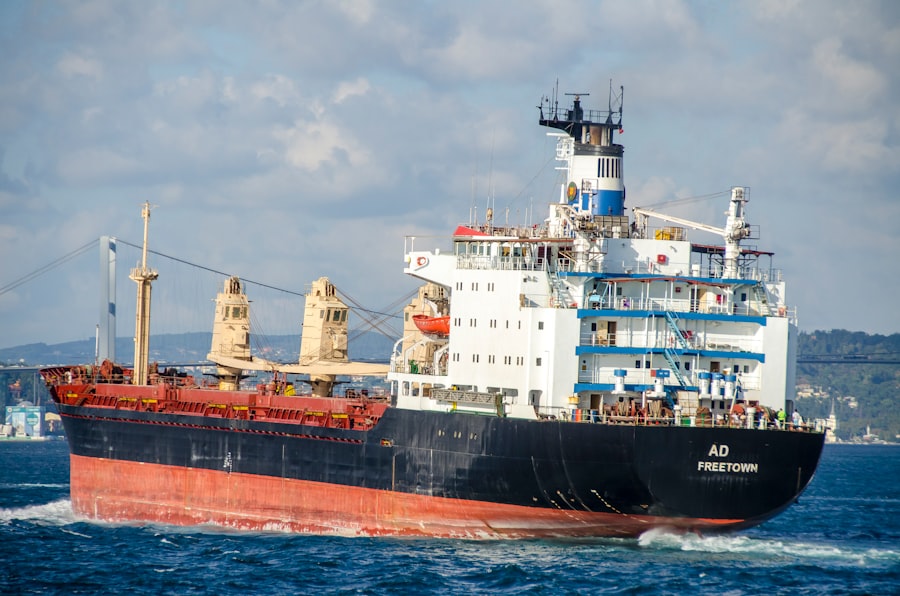
Ensuring compliance with IMO regulations is a critical aspect of maintaining safety and sustainability in international maritime operations. The organization relies on member states to implement its conventions into national law and enforce them effectively. This decentralized approach means that while the IMO sets global standards, it is up to individual countries to monitor compliance among their flagged vessels.
The effectiveness of this system hinges on robust national enforcement mechanisms and cooperation among states. To support compliance efforts, the IMO conducts audits through its Member State Audit Scheme (MSAS), which assesses how well countries adhere to their obligations under various conventions. These audits provide valuable insights into areas where improvements are needed and help identify best practices that can be shared among member states.
Additionally, the IMO encourages capacity-building initiatives to assist developing nations in strengthening their regulatory frameworks and enforcement capabilities. By fostering a culture of compliance and accountability, the IMO aims to ensure that its regulations translate into tangible improvements in safety and sustainability across the maritime sector.
The Future of Safety and Sustainability in International Maritime Operations
Looking ahead, the future of safety and sustainability in international maritime operations is poised for significant transformation. As technological advancements continue to reshape the industry, there is immense potential for innovation to drive improvements in both safety protocols and environmental performance. The rise of digital technologies such as automation, artificial intelligence, and big data analytics presents opportunities for enhancing operational efficiencies while minimizing risks.
Moreover, as global awareness of climate change intensifies, there is an increasing demand for sustainable practices within all sectors, including shipping. The IMO’s commitment to reducing greenhouse gas emissions will likely spur further developments in alternative fuels and energy-efficient technologies. As stakeholders across the maritime industry collaborate to address these challenges, there is potential for creating a more resilient and sustainable shipping sector that meets both economic needs and environmental responsibilities.
Challenges and Opportunities in Implementing IMO Regulations
While the IMO’s efforts to promote safety and sustainability are commendable, challenges remain in implementing its regulations effectively across diverse jurisdictions. One significant hurdle is ensuring uniform compliance among member states with varying levels of resources and regulatory capacity. Developing nations may struggle to meet stringent requirements due to limited infrastructure or financial constraints, leading to disparities in enforcement.
However, these challenges also present opportunities for collaboration and innovation within the maritime community. By sharing best practices and providing technical assistance to countries facing difficulties, stakeholders can work together to strengthen compliance efforts globally. Additionally, advancements in technology can facilitate better monitoring and reporting mechanisms, making it easier for countries to track compliance with IMO regulations.
Embracing these opportunities will be essential for achieving the organization’s goals of safety and sustainability.
Collaboration and Partnerships in Achieving Safety and Sustainability Goals
Collaboration is fundamental to achieving safety and sustainability goals within international maritime operations. The complexity of maritime challenges necessitates partnerships among various stakeholders, including governments, industry players, non-governmental organizations (NGOs), and academic institutions.
The IMO actively promotes collaboration through initiatives such as its Global Industry Alliance (GIA), which brings together stakeholders from across the maritime sector to share knowledge and develop practical solutions for enhancing sustainability. These partnerships foster a sense of shared responsibility among participants while encouraging collective action towards common goals. As collaboration becomes increasingly vital in addressing global challenges, the role of partnerships will continue to grow within the context of international maritime operations.
The Importance of IMO in Addressing Environmental and Social Issues in Maritime Operations
The importance of the IMO extends beyond regulatory frameworks; it plays a crucial role in addressing broader environmental and social issues associated with maritime operations. As shipping activities can significantly impact marine ecosystems and coastal communities, the organization recognizes its responsibility to promote practices that protect both people and nature. Initiatives aimed at reducing marine pollution not only safeguard biodiversity but also support livelihoods dependent on healthy oceans.
Furthermore, social issues such as labor rights within the shipping industry are gaining attention within the context of IMO’s work. The organization advocates for fair treatment of seafarers through conventions like STCW, which sets standards for training and working conditions. By addressing these social dimensions alongside environmental concerns, the IMO contributes to a more holistic approach to sustainability that encompasses both ecological integrity and social equity.
The Continued Efforts of IMO in Promoting Safety and Sustainability in International Maritime Operations
In conclusion, the International Maritime Organization plays an indispensable role in promoting safety and sustainability within international maritime operations. Through its comprehensive regulatory framework, collaborative initiatives, and commitment to continuous improvement, the IMO strives to create a safer shipping environment while addressing pressing environmental challenges. As global trade continues to evolve alongside growing concerns about climate change, the organization’s efforts will be crucial in guiding the maritime industry towards a more sustainable future.
The journey towards enhanced safety and sustainability is ongoing; it requires collective action from all stakeholders involved in maritime operations. By fostering collaboration among nations, industries, and communities, the IMO can continue to drive meaningful change that benefits not only those directly involved in shipping but also society as a whole. As we look ahead, it is clear that the continued efforts of the IMO will be vital in shaping a resilient maritime sector capable of navigating future challenges while safeguarding our oceans for generations to come.
The International Maritime Organization (IMO) plays a crucial role in ensuring the safety and security of international shipping while also protecting the marine environment.
Check it out here: Maritime Policy Insights.
WATCH THIS! 🌊 The Invisible Army That Controls Global Shipping
FAQs
What is the International Maritime Organization (IMO)?
The International Maritime Organization (IMO) is a specialized agency of the United Nations responsible for regulating shipping. It was established in 1948 to promote safe, secure, and efficient shipping on clean oceans.
When was the IMO established?
The IMO was established in 1948 and held its first meeting in 1959. It is headquartered in London, United Kingdom.
What are the main functions of the IMO?
The IMO develops and maintains a comprehensive regulatory framework for shipping, including safety, environmental concerns, legal matters, technical cooperation, and maritime security.
How many member states does the IMO have?
As of 2024, the IMO has 175 member states and three associate members.
What are some key conventions developed by the IMO?
Key IMO conventions include the International Convention for the Safety of Life at Sea (SOLAS), the International Convention for the Prevention of Pollution from Ships (MARPOL), and the International Convention on Standards of Training, Certification, and Watchkeeping for Seafarers (STCW).
How does the IMO contribute to maritime safety?
The IMO sets global standards for ship design, construction, equipment, operation, and crew training to ensure maritime safety and prevent accidents at sea.
What role does the IMO play in environmental protection?
The IMO develops regulations to prevent marine pollution from ships, including oil spills, garbage disposal, and air pollution, aiming to protect the marine environment.
Is the IMO involved in maritime security?
Yes, the IMO addresses maritime security issues such as piracy, armed robbery against ships, and terrorism through conventions like the International Ship and Port Facility Security (ISPS) Code.
How does the IMO enforce its regulations?
The IMO itself does not enforce regulations but provides the framework. Enforcement is carried out by member states through their national maritime authorities and port state control inspections.
Can non-member countries participate in IMO activities?
Non-member countries can attend IMO meetings as observers but do not have voting rights. They may also participate in technical cooperation programs.
How does the IMO support developing countries?
The IMO provides technical assistance, training, and capacity-building programs to help developing countries comply with international maritime regulations.
Where can I find more information about the IMO?
More information is available on the official IMO website at www.imo.org, which provides access to conventions, publications, news, and updates on maritime regulations.