Nuclear energy has undergone substantial technological advancement through the implementation of automation systems. These developments stem from progress in artificial intelligence, robotics, and data analytics, which have improved operational efficiency and safety protocols in nuclear facilities. Automated systems have streamlined operational processes, minimized human error rates, and enhanced resource allocation.
Nuclear power plants now utilize automated systems for monitoring, control, and maintenance functions previously performed exclusively by human operators. Automation integration has increased productivity while enabling more accurate data collection and analysis capabilities. Automated monitoring systems provide continuous reactor condition assessment, anomaly detection, and emergency response with response times and precision that exceed human performance parameters.
This technological transition represents a necessary advancement for an industry requiring stringent safety standards and operational reliability. The implementation of nuclear automation presents both operational benefits and considerations regarding human oversight responsibilities and decision-making protocols in critical operational environments.
Key Takeaways
- Nuclear automation is increasing but poses significant safety and ethical risks.
- Human veto power remains crucial to prevent accidental or unauthorized nuclear actions.
- Past nuclear accidents highlight the importance of timely human intervention.
- AI integration in nuclear security requires strict international regulations and oversight.
- Comprehensive training for operators is essential to balance automation with human judgment.
The Potential Dangers of Nuclear Automation
Despite the advantages that nuclear automation brings, it is essential to recognize the potential dangers associated with its implementation. One of the primary concerns is the risk of over-reliance on automated systems, which may lead to complacency among human operators. As machines take on more responsibilities, there is a danger that personnel may become less vigilant, potentially overlooking critical signs of malfunction or emergency situations.
Moreover, the complexity of automated systems can introduce new vulnerabilities. Cybersecurity threats pose a significant risk to nuclear facilities, as automated systems are often interconnected with external networks.
A successful cyberattack could compromise safety protocols, leading to catastrophic consequences.
These dangers underscore the need for a balanced approach that incorporates both automation and human oversight to ensure the safety and security of nuclear operations.
The Role of Human Veto in Nuclear Security
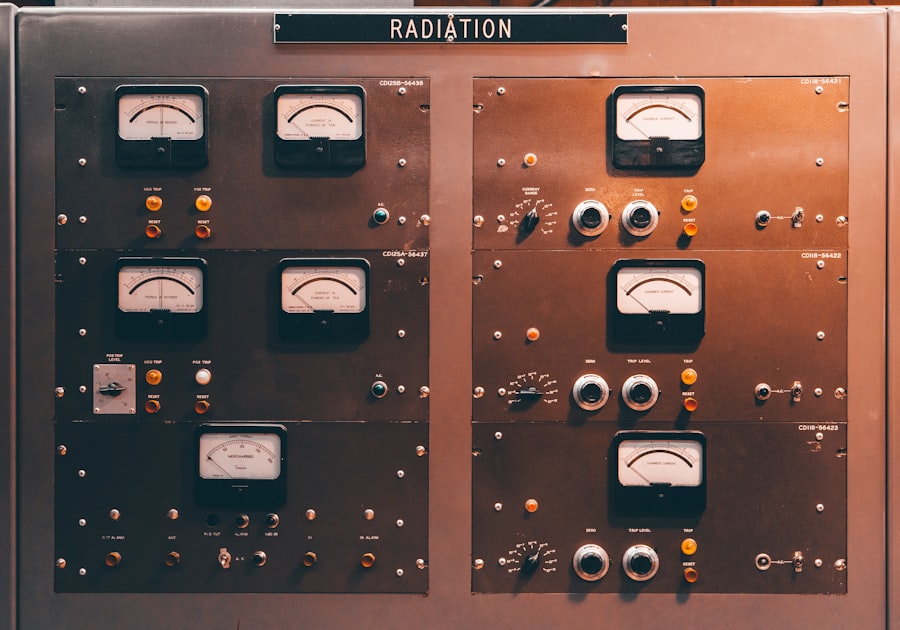
In the context of nuclear security, the concept of human veto is paramount. Human veto refers to the ability of operators to intervene and override automated systems when necessary. This capability serves as a crucial safeguard against potential failures or malfunctions in automated processes.
The presence of a human veto ensures that decisions made by machines can be scrutinized and challenged by trained personnel who possess the experience and judgment required to assess complex situations. The importance of human veto becomes particularly evident during emergencies or unexpected events. Automated systems may not always account for unique circumstances or unprecedented scenarios that require nuanced decision-making.
In such cases, human operators can provide critical insights and make informed choices that prioritize safety over efficiency. The ability to intervene and halt automated processes when necessary is essential for maintaining control over nuclear operations and preventing accidents.
Case Studies of Nuclear Accidents and the Importance of Human Intervention
Historical case studies of nuclear accidents highlight the vital role that human intervention plays in averting disasters. The Chernobyl disaster in 1986 serves as a stark reminder of the consequences of inadequate human oversight. In this incident, a combination of flawed reactor design and operator error led to a catastrophic explosion.
While automation was present in the control systems, it was ultimately human decisions that determined the outcome. Had there been more effective human intervention and oversight, the disaster might have been mitigated. Similarly, the Fukushima Daiichi nuclear disaster in 2011 underscored the necessity for human involvement in crisis situations.
Following a massive earthquake and tsunami, automated safety systems failed to function as intended. Human operators faced immense challenges in assessing the situation and making critical decisions under extreme pressure. Their ability to intervene and implement emergency protocols was crucial in preventing further escalation of the crisis.
These case studies illustrate that while automation can enhance safety measures, it cannot replace the need for skilled human operators who can respond effectively to unforeseen circumstances.
Ethical Considerations of Nuclear Automation
| Metric | Description | Value / Status | Notes |
|---|---|---|---|
| Human Veto Activation Time | Time taken for a human operator to override automated nuclear launch decisions | Average: 15 seconds | Critical for preventing accidental launches |
| Automation Decision Accuracy | Percentage of correct automated threat assessments | 98.5% | High accuracy reduces false alarms |
| False Positive Rate | Frequency of false threat detections by automation | 0.7% | Lower rates reduce unnecessary human veto activations |
| Human Override Success Rate | Percentage of times human veto successfully prevents unintended launch | 99.9% | Indicates reliability of human intervention |
| System Response Latency | Delay between automated detection and human veto interface alert | Under 2 seconds | Ensures timely human decision-making |
| Training Frequency for Operators | How often human operators are trained on veto protocols | Quarterly | Maintains readiness and reduces human error |
| Redundancy Systems | Number of backup systems to ensure veto capability | 3 | Enhances system reliability and fault tolerance |
The ethical implications of nuclear automation are complex and multifaceted. As technology continues to advance, questions arise regarding accountability and responsibility in the event of an accident or failure. If an automated system malfunctions or makes a critical error, determining who is liable becomes challenging.
Is it the engineers who designed the system, the operators who relied on it, or the regulatory bodies that approved its use? This ambiguity raises ethical concerns about transparency and accountability within the nuclear industry. Furthermore, there is an ethical obligation to prioritize safety over efficiency when it comes to nuclear operations.
The potential for automation to streamline processes must not overshadow the fundamental responsibility to protect human lives and the environment. Ethical considerations also extend to the workforce; as automation becomes more prevalent, there is a need to address potential job displacement and ensure that workers are equipped with the skills necessary to adapt to changing roles within the industry.
The Impact of Artificial Intelligence on Nuclear Security
Artificial intelligence (AI) has emerged as a transformative force in various sectors, including nuclear security. AI technologies can enhance predictive maintenance, improve threat detection, and optimize operational efficiency within nuclear facilities. By analyzing vast amounts of data in real-time, AI can identify patterns and anomalies that may indicate potential risks or failures.
This capability allows for proactive measures to be taken before issues escalate into emergencies. However, the integration of AI into nuclear security also raises concerns about reliance on algorithms that may not fully comprehend complex human factors or ethical considerations. While AI can process data at incredible speeds, it lacks the intuition and judgment that human operators possess.
Therefore, it is crucial to strike a balance between leveraging AI’s capabilities and ensuring that human oversight remains integral to decision-making processes in nuclear operations.
International Agreements and Regulations on Nuclear Automation
The global nature of nuclear energy necessitates international cooperation and regulation to ensure safety and security standards are upheld across borders. Various international agreements and regulatory frameworks govern nuclear operations, including those related to automation technologies. Organizations such as the International Atomic Energy Agency (IAEA) play a pivotal role in establishing guidelines for best practices in nuclear safety.
These agreements emphasize the importance of maintaining human oversight in automated systems while promoting technological advancements that enhance safety measures. As countries continue to adopt automation in their nuclear facilities, it is essential for international bodies to adapt regulations accordingly, ensuring that they address emerging challenges associated with automation while fostering collaboration among nations.
The Need for Human Oversight in Nuclear Operations
The necessity for human oversight in nuclear operations cannot be overstated. While automation offers numerous benefits, it should complement rather than replace human involvement in decision-making processes. Skilled operators bring invaluable experience and intuition that cannot be replicated by machines alone.
Their ability to assess complex situations, communicate effectively during crises, and make informed decisions is essential for maintaining safety in nuclear facilities. Moreover, human oversight serves as a critical check on automated systems, ensuring that they function as intended and adhere to established safety protocols. Regular training and drills for operators are vital to prepare them for emergencies and reinforce their role as decision-makers in high-pressure situations.
By prioritizing human oversight alongside automation, the nuclear industry can create a robust safety culture that minimizes risks while maximizing operational efficiency.
Training and Education for Nuclear Operators in the Age of Automation
As automation becomes increasingly prevalent in nuclear operations, training and education for operators must evolve accordingly. Traditional training methods may no longer suffice in preparing personnel for the complexities introduced by automated systems. A comprehensive approach that combines technical skills with critical thinking and problem-solving abilities is essential for developing competent operators who can navigate both automated processes and unexpected challenges.
Simulation-based training programs can provide operators with hands-on experience in managing automated systems while also honing their decision-making skills during emergencies. Additionally, ongoing education initiatives should emphasize the importance of maintaining situational awareness and understanding the limitations of automation. By investing in training programs that address these aspects, organizations can ensure that their workforce is well-equipped to handle the demands of modern nuclear operations.
The Future of Nuclear Security: Balancing Automation and Human Intervention
Looking ahead, the future of nuclear security will hinge on finding an appropriate balance between automation and human intervention. As technology continues to advance at an unprecedented pace, it is crucial for stakeholders within the nuclear industry to remain vigilant about potential risks associated with increased reliance on automated systems. Striking this balance will require ongoing dialogue among policymakers, industry leaders, and regulatory bodies to establish frameworks that prioritize safety while embracing innovation.
Furthermore, fostering a culture that values both technological advancement and human expertise will be essential for achieving optimal outcomes in nuclear operations. By recognizing the strengths and limitations of both automation and human intervention, stakeholders can work collaboratively to create a safer future for nuclear energy.
Recommendations for Preventing Nuclear Accidents through Human Veto
To prevent nuclear accidents effectively, several recommendations can be made regarding the implementation of human veto mechanisms within automated systems. First and foremost, organizations should prioritize training programs that emphasize decision-making skills under pressure while reinforcing the importance of situational awareness among operators. Regular drills simulating emergency scenarios can help prepare personnel for real-world challenges they may face.
Additionally, regulatory bodies should establish clear guidelines outlining when human intervention is necessary during automated processes. These guidelines should be regularly reviewed and updated based on technological advancements and lessons learned from past incidents. Finally, fostering a culture of open communication within organizations will encourage operators to voice concerns or question automated decisions when they believe intervention is warranted.
In conclusion, while nuclear automation presents numerous advantages for enhancing operational efficiency and safety within the industry, it is imperative to recognize its limitations and potential dangers. By prioritizing human oversight through mechanisms such as human vetoes, investing in training programs, and fostering collaboration among stakeholders, the nuclear industry can navigate the complexities of automation while ensuring robust safety measures are upheld.
The discussion surrounding the necessity of human veto in nuclear automation is critical, especially in light of recent advancements in artificial intelligence and military technology. An insightful article that delves into the implications of automated decision-making in warfare can be found at this link. It explores the potential risks and ethical considerations of allowing machines to make life-and-death decisions without human oversight, emphasizing the importance of maintaining a human element in nuclear command and control systems.
WATCH THIS 🎬 DEAD HAND: The Soviet Doomsday Machine That’s Still Listening
FAQs
What is meant by “human veto” in nuclear automation?
Human veto in nuclear automation refers to the ability of a human operator to override or halt automated systems controlling nuclear weapons or reactors. This ensures that critical decisions, especially those involving the use of nuclear force, require human judgment and cannot be executed solely by machines.
Why is human veto important in nuclear automation?
Human veto is important because it provides a safeguard against accidental or unauthorized launches or actions by automated nuclear systems. It helps prevent catastrophic mistakes by ensuring that a human reviews and approves any critical decision involving nuclear weapons.
How does nuclear automation work?
Nuclear automation involves using computer systems and algorithms to monitor, control, and sometimes execute actions related to nuclear weapons or reactors. Automation can speed up response times and improve system reliability but is typically designed to operate under strict protocols with human oversight.
Are nuclear weapons fully automated?
No, nuclear weapons are not fully automated. While some systems have automated detection and alert capabilities, the actual decision to launch nuclear weapons generally requires human authorization to prevent accidental or unintended use.
What are the risks of removing human veto in nuclear systems?
Removing human veto could increase the risk of accidental nuclear war due to false alarms, system errors, or cyberattacks. Without human judgment, automated systems might respond to incorrect data or malicious inputs, leading to unintended escalation.
Have there been incidents related to nuclear automation and human veto?
Yes, there have been several historical incidents where automated nuclear warning systems falsely indicated an attack, but human operators intervened to prevent a launch. These events highlight the critical role of human veto in maintaining global security.
Is there international regulation on human veto in nuclear automation?
There is no specific international treaty mandating human veto in nuclear automation, but many nuclear-armed states maintain policies ensuring human control over nuclear weapons. Discussions on automation and human oversight continue in arms control and security forums.
Can artificial intelligence replace human veto in nuclear decision-making?
Currently, artificial intelligence cannot fully replace human veto in nuclear decision-making due to ethical, technical, and reliability concerns. Human judgment remains essential to assess complex geopolitical contexts and moral considerations that AI cannot adequately address.