Howard Hughes: Uncovering the Manganese Mining Mystery
The name Howard Hughes conjures images of aviation innovation, Hollywood glamour, and a reclusive magnate whose life became a riddle. Yet, behind the more publicized facets of his career lies a lesser-known, complex chapter: his foray into manganese mining in the rugged terrain of Henderson, Nevada. This endeavor, shrouded in a fog of ambition, speculation, and ultimately, disappointment, represents a significant, albeit often overlooked, investment in the American wartime effort and a testament to Hughes’s relentless pursuit of opportunity. Delving into this facet of his life requires peeling back layers of industrial history, economic pressures, and the peculiar allure of one of the 20th century’s most enigmatic figures.
A Metal of War and Industry
To understand Hughes’s interest in manganese, one must first appreciate the metal’s critical role in the mid-20th century. Manganese is not a metal that typically garners public attention, yet its presence is woven into the fabric of modern industrial society, particularly during times of conflict. It is a vital component in the production of steel, acting as a deoxidizer and desulfurizer, enhancing the strength, hardness, and durability of the alloy. Without sufficient manganese, the steel produced would be brittle and unsuitable for the demands of machinery, construction, and, crucially, weaponry.
As the world edged closer to and then plunged into World War II, the demand for steel skyrocketed. Nations on all sides of the conflict scrambled to secure reliable sources of raw materials, and manganese, often referred to as the “silent partner” of steel, became a strategic imperative. The United States, a burgeoning industrial titan, found itself particularly vulnerable. Its domestic manganese production was insufficient to meet the burgeoning wartime needs, and reliance on foreign suppliers, particularly those in politically unstable regions or under enemy control, presented a significant risk. Imports, therefore, became a lifeline, but a precarious one, susceptible to disruption from naval blockades and wartime hostilities.
The Pre-War Dependency and Emerging Concerns
Prior to the war, the U.S. imported the vast majority of its manganese from countries like the Soviet Union, South Africa, and Brazil. This dependency was a persistent concern for military strategists and industrial planners. The advent of Lend-Lease programs and the escalation of global tensions only amplified these anxieties. The possibility of a complete cut-off of manganese supplies loomed large, presenting a clear and present danger to the American war machine. Consequently, there was a strong governmental push to stimulate domestic mining efforts and secure any available domestic reserves, even those that might have been previously considered uneconomical to exploit. This created fertile ground for ambitious entrepreneurs and industrialists who could see the potential for profit and patriotic contribution.
In addition to the captivating cover story on Howard Hughes and his involvement in manganese mining, readers may find interest in a related article that delves deeper into the historical context of mining practices during that era. This article explores the economic implications and environmental challenges faced by the industry, providing a broader understanding of Hughes’ ventures. For more insights, visit the article here: Related Article.
Hughes’s Entry into the Mining Landscape
A Diversification of an Empire
Howard Hughes was not a man who confined his ambitions to a single domain. His empire, built on a foundation of aviation and film, was constantly evolving, seeking new avenues for investment and influence. The wartime scramble for strategic minerals presented a unique opportunity to diversify his holdings and tap into a sector of immense national importance. While the precise genesis of his interest in manganese mining remains somewhat nebulous, it is plausible that he was alerted to the potential by advisors, industry contacts, or even through his own keen observations of the economic barometer. His ventures were rarely passive; they were characterized by aggressive acquisition and a desire to control key aspects of the production chain.
The Henderson Property and the Promise of Ore
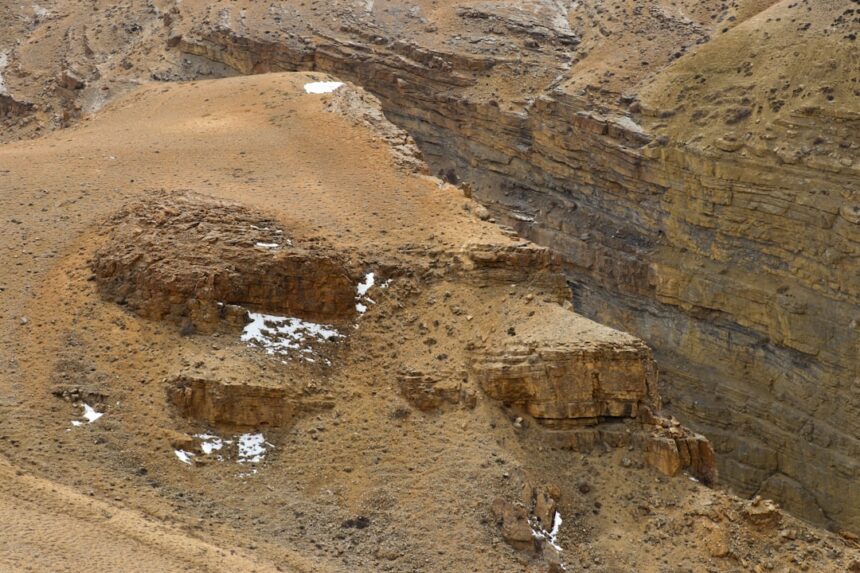
The locus of Hughes’s manganese mining venture centered on a significant property in Henderson, Nevada. This area, nestled in the Mojave Desert, was known for its mineral wealth, and the prospect of manganese deposits was particularly enticing. The terrain itself, harsh and unforgiving, mirrored the challenge of extracting valuable resources from the earth. Hughes’s acquisition of this land was not a whimsical decision; it was a calculated move to secure a potentially vast resource. The promise of rich ore veins, coupled with the patriotic imperative to contribute to the war effort, likely fueled his investment. He envisioned a self-sufficient operation, capable of supplying a critical material to the nation’s defense industries.
The Geological and Economic Realities

The Nature of Desert Deposits
The manganese deposits in the Henderson area, like many desert ore bodies, presented a complex geological puzzle. Extracting them was not simply a matter of digging. The ore often occurred in veins within ancient rock formations, requiring sophisticated exploration techniques to identify and map. The arid climate added its own set of challenges, with water scarcity being a persistent hurdle for mining operations, dust control, and worker habitability. The nature of these deposits meant that extraction would necessitate significant investment in infrastructure, machinery, and engineering expertise.
The Economics of Extraction: A Shifting Landscape
The economic viability of mining any ore is a delicate dance between the cost of extraction and the market price of the extracted commodity. In the case of manganese during World War II, this equation was significantly influenced by government intervention and wartime premiums. The U.S. government was willing to pay a premium for domestically sourced manganese to alleviate import dependency. This created an incentive for even marginal deposits to become economically attractive. However, the long-term economic outlook for such ventures remained uncertain. What was profitable during a wartime surge might become unsustainable once the demand subsided and international markets normalized.
The Construction and Operation of the Mine
Engineering the Desert Extraction
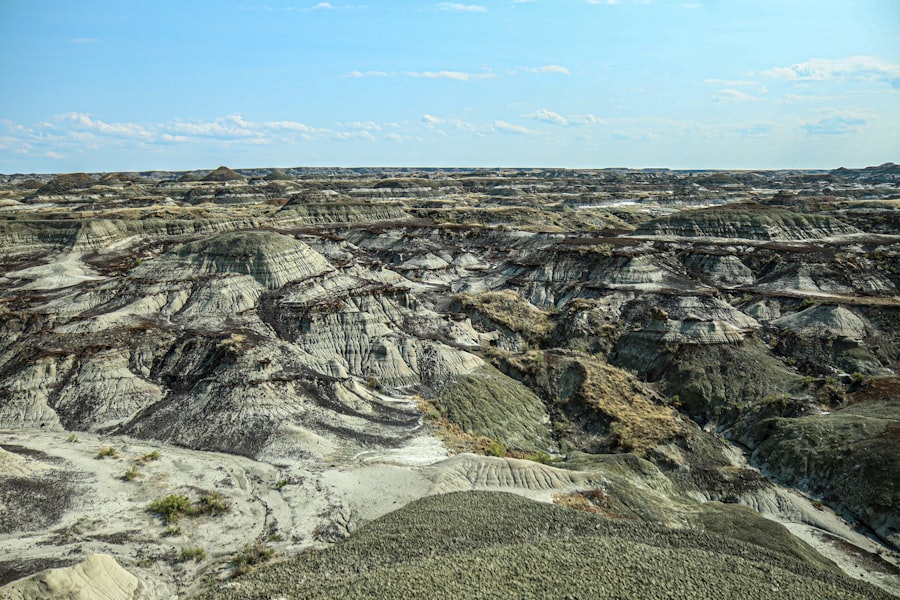
Establishing a manganese mine in the Nevada desert was a monumental undertaking, a testament to Hughes’s characteristic ambition and willingness to pour resources into ambitious projects. The construction phase involved clearing land, building access roads, and erecting the necessary processing facilities. This was not a small-scale operation; it required significant engineering expertise to design and implement systems for ore extraction, crushing, concentration, and transportation. The harsh desert environment posed constant challenges, from extreme temperatures to dust storms, requiring robust and adaptable infrastructure.
Technological Innovations and Workforce Management
Hughes’s approach to his ventures was often characterized by a desire for technological advancement and efficient management. While specific details of the machinery employed at the Henderson mine are scarce, it is reasonable to assume that Hughes sought to leverage the latest mining and processing technologies available at the time. This might have included advanced crushing and grinding equipment, flotation cells for ore concentration, and efficient transportation systems. Equally important was the management of the workforce. Mining operations in remote locations require careful planning and provision for housing, food, and safety for the workers. The success of any mining venture hinges not only on its geological endowment but also on the human capital that extracts and processes the ore.
In exploring the intriguing history of Howard Hughes and his involvement in manganese mining, readers may find it insightful to delve into a related article that discusses the broader implications of mineral resource management in the mid-20th century. This piece highlights how Hughes’ ventures not only shaped the mining industry but also influenced geopolitical dynamics during that era. For a deeper understanding of these themes, you can read more in this related article.
The Unfolding Mystery and Ultimate Outcome
| Metric | Details |
|---|---|
| Subject | Howard Hughes Manganese Mining Cover Story |
| Time Period | 1940s-1950s |
| Location | Various manganese mining sites, including the Pacific Islands |
| Purpose of Cover Story | To conceal Hughes’ true business interests and activities |
| Reported Mining Output | Approximately 10,000 tons annually (claimed) |
| Actual Mining Output | Significantly lower or non-existent (disputed) |
| Associated Companies | Various shell companies and subsidiaries linked to Hughes |
| Public Perception | Believed to be a legitimate mining operation during the period |
| Historical Significance | Example of Hughes’ use of cover stories to mask business dealings |
Unfulfilled Promises and Economic Realities
Despite the significant investment and the strategic importance of manganese, the Howard Hughes mining operation in Henderson ultimately failed to yield the anticipated triumphant returns. The precise reasons for this outcome are multifaceted and contribute to the mystery that surrounds this chapter of his life. While the initial demand for manganese was high, the operational challenges and the inherent economics of extracting what may have been marginal ore deposits proved formidable. The cost of extraction, the efficiency of the processing, and the quality of the ore itself all played a role. As the war progressed, and new discoveries or more efficient recovery methods emerged elsewhere, the economic calculus for the Henderson mine may have shifted unfavorably.
The Lingering Questions and Historical Footnotes
The story of Howard Hughes’s manganese mining venture is a compelling example of how ambition can intersect with reality, sometimes with less-than-spectacular results. It serves as a reminder that even for a titan of industry like Hughes, not every venture could be a resounding success. The mine, once a symbol of strategic investment and industrial aspiration, eventually faded into the historical landscape, leaving behind a trail of unanswered questions. Was the ore deposit less rich than initially believed? Were the operational costs too high? Did the changing tides of war render the operation obsolete? These are the threads of the mystery that remain, woven into the economic and industrial history of Nevada and the broader narrative of Howard Hughes’s extraordinary life. The property itself, once teeming with the promise of extracted wealth, eventually returned to the quiet embrace of the desert, a silent witness to a bold, yet ultimately elusive, quest for a critical wartime commodity.
WATCH NOW ▶️ SHOCKING: How The CIA Stole A Nuclear Submarine
FAQs
Who was Howard Hughes?
Howard Hughes was an American business magnate, investor, aviator, aerospace engineer, film director, and philanthropist known for his contributions to the aviation and entertainment industries.
What is the Howard Hughes manganese mining cover story?
The Howard Hughes manganese mining cover story refers to a narrative or claim that Hughes was involved in manganese mining operations, which some suggest was used as a front or cover for other business or intelligence activities.
Why was manganese mining significant during Howard Hughes’ era?
Manganese is a critical metal used in steel production and other industrial processes. During the mid-20th century, control over manganese resources was strategically important for industrial and military purposes.
Is there evidence that Howard Hughes was directly involved in manganese mining?
There is limited public evidence confirming Howard Hughes’ direct involvement in manganese mining. Some accounts suggest the mining operations were part of broader business ventures or possibly used as a cover story.
What industries was Howard Hughes primarily known for?
Howard Hughes was primarily known for his work in aviation, aerospace, film production, and real estate development, rather than mining.