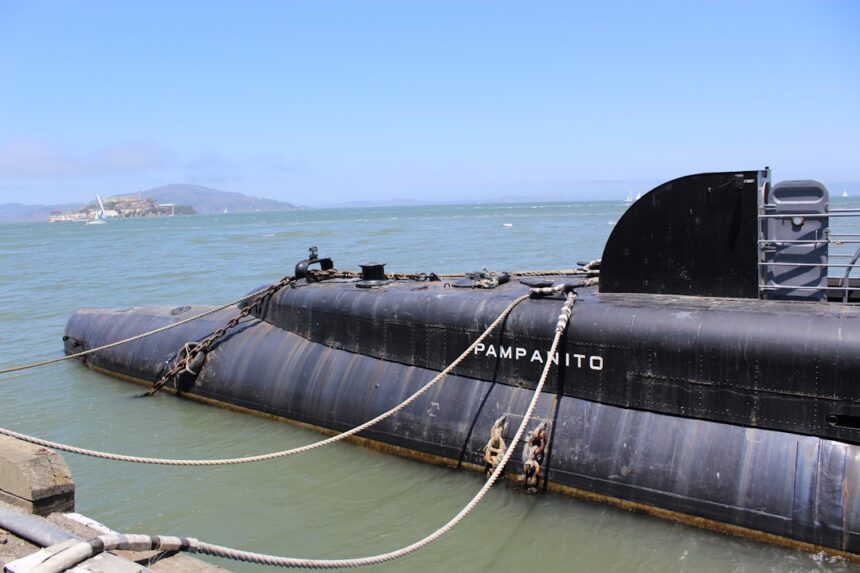
The history of U.S. spy submarines during the Cold War is a narrative woven from secrecy, technological innovation, and a relentless cat-and-mouse game played out in the silent depths of the ocean. These silent sentinels, often operating invisible to the naked eye and even more so to radar, were instrumental in gathering intelligence that shaped the course of global politics and military strategy. Imagine them as the nation’s unseen ears and eyes, listening to the whispers of adversaries and observing their every move from the impenetrable barrier of the sea. This article will delve into the origins, operations, and evolution of these clandestine underwater vehicles, charting their crucial role in the ideological struggle that defined the latter half of the 20th century.
The immediate aftermath of World War II saw a significant shift in global power dynamics. The victors, primarily the United States and the Soviet Union, found themselves on a collision course, setting the stage for the Cold War. Submarines, which had proven their mettle as lethal weapons during the war, began to take on a new and equally vital role: intelligence gathering.
The Legacy of Wartime Submarines and the Emerging Doctrine
During World War II, submarines were primarily instruments of offensive warfare, sinking enemy vessels and disrupting supply lines. Their inherent stealth capabilities, however, were always recognized. The concept of using submarines for reconnaissance and intelligence gathering existed in embryonic form, but the Cold War’s escalating tensions and the opaque nature of the Soviet Union’s developing naval capabilities spurred a more focused development in this area. The need to understand the enemy’s intentions and technological advancements became paramount, and submarines offered a unique platform from which to achieve this.
The U-Boat Threat and the Lessons Learned
The effectiveness of German U-boats in strangling Allied supply lines during the war served as a stark reminder of the submarine’s potential. While the threat evolved from conventional submarines to increasingly sophisticated nuclear-powered vessels, the fundamental challenge remained: how to detect and counter a submerged enemy. This understanding directly influenced the development of U.S. anti-submarine warfare (ASW) capabilities, which in turn spurred the development of stealthier and more advanced U.S. submarines capable of operating with impunity.
The Genesis of the SSN: Specializing Submarine Roles
The concept of the “Fleet Submarine,” designed for a variety of roles including patrols and offensive strikes, began to evolve into more specialized designs. The development of the nuclear-powered submarine, beginning with the USS Nautilus (SSN-571) in 1954, marked a revolutionary leap. Nuclear power allowed submarines to remain submerged for extended periods, significantly increasing their operational range and endurance, making them ideal for clandestine intelligence missions that required prolonged presence in sensitive areas. This gave U.S. submarines a reach they had never possessed before.
The history of U.S. spy submarines during the Cold War is a fascinating topic that highlights the innovative strategies employed in underwater surveillance and intelligence gathering. For a deeper understanding of this subject, you can explore the article available at In the War Room, which delves into the technological advancements and missions of these covert vessels during a time of heightened geopolitical tension.
The Architects of Silence: Designing and Developing Spy Submarines
The creation of specialized spy submarines was not merely an incremental improvement on existing designs; it demanded a paradigm shift in naval architecture and engineering. The core requirement was stealth, the ability to exist without revealing one’s presence. This led to a series of innovations that transformed submarines from mere underwater vessels into sophisticated intelligence-gathering platforms.
The Quest for Acoustic Stealth: Quieter Engines, Smarter Hulls
The primary adversary of a submerged submarine is sound. Every creak, groan, and hum emanating from the vessel can betray its position to enemy sonar. Therefore, a significant portion of research and development was dedicated to reducing acoustic signatures. This involved developing quieter propulsion systems, isolating machinery noise, and designing hulls that minimized water flow noise. The engineers were like stealth artists, meticulously crafting every element to blend into the ocean’s natural symphony.
Advanced Hull Designs and Materials
Early Cold War submarines, while more advanced than their predecessors, still carried acoustic footprints. The push for greater stealth led to the exploration of new hull shapes, often characterized by smoother lines and reduced protrusions, to minimize hydrodynamic noise. Furthermore, the use of advanced, sound-dampening materials began to be incorporated into hull construction, not just to absorb internal noise but also to reflect and diffuse incoming active sonar pings, making the submarine harder to “see.”
Noise Reduction Technologies
Beyond hull design, a plethora of technologies were developed and implemented to reduce internal noise. This included sophisticated vibration isolation mounts for engines and other machinery, the use of specialized coatings on pipes and tanks, and the development of quieter propeller designs. The goal was to make the submarine as silent as a shadow.
Enhanced Sensor Suites: Eyes and Ears in the Deep
A spy submarine is only as good as its intelligence-gathering capabilities. This meant equipping them with advanced acoustic sensors – hydrophones – capable of detecting and classifying a wide range of underwater sounds. Over the decades, these systems became increasingly sophisticated, allowing submarines to identify specific ship types, track their movements, and even analyze their internal operations based on emitted sounds.
Sophisticated Hydrophone Arrays
The development of hull-mounted and towed sonar arrays allowed submarines to achieve wider fields of acoustic detection, essentially creating a bubble of awareness around the vessel. These arrays were designed to receive faint sounds from great distances, amplifying them and processing them for analysis.
Electronic Intelligence (ELINT) Capabilities
Beyond acoustic detection, spy submarines were also equipped to intercept and analyze electronic signals. This included radar emissions, radio communications, and other forms of electromagnetic radiation emanating from enemy vessels, aircraft, and shore installations. This opened up a new dimension of intelligence gathering, allowing for the analysis of enemy dispositions and intentions through their electronic footprints.
The Contribution of the USS Halibut (SSGN-587): A Pioneer of Intelligence Gathering
The USS Halibut, originally designed as a guided missile submarine (SSGN), was dramatically refitted in the 1960s to become a dedicated intelligence-gathering platform. Its large size allowed for the installation of extensive sonar equipment, photographic reconnaissance gear, and facilities for retrieving sensitive materials from the seabed. The Halibut represented a significant step in recognizing the specialized needs of submarine intelligence operations.
Operation and Tactics: The Silent Warriors of the Cold War
The missions undertaken by U.S. spy submarines were often fraught with danger and demanded extreme professionalism and skill from their crews. Operating in hostile waters, close to heavily defended enemy installations, required meticulous planning, precise execution, and an unwavering commitment to secrecy. These submarines were the tip of the spear, venturing where no other vessel dared.
Covert Operations in Enemy Waters
The primary objective of these submarines was to operate in close proximity to Soviet naval bases, shipyards, and training areas. Their missions included tracking Soviet submarine and surface fleet movements, observing the construction and testing of new weapon systems, and gathering intelligence on Soviet naval tactics and operational readiness. Imagine them as deep-sea detectives, meticulously documenting every clue.
Acoustic Surveillance of Soviet Fleets
One of the most critical roles was the continuous acoustic surveillance of Soviet submarine patrols and fleet exercises. By identifying the unique acoustic signatures of Soviet submarines, U.S. intelligence could build a comprehensive understanding of their operational patterns, deployment strategies, and technological capabilities. This information was vital for developing effective countermeasures and anticipating potential threats.
Photography and Visual Reconnaissance
When opportunities arose, spy submarines would also undertake photographic and visual reconnaissance missions. This could involve surfacing discreetly near coastlines to deploy reconnaissance divers or using periscopes to observe and photograph ship movements and port activities. The advent of advanced underwater photography also allowed for the visual inspection of submerged objects.
Shallow Water Operations and Mine Laying
While many missions focused on deep-sea surveillance, some U.S. spy submarines were also adept at operating in shallower waters, closer to shore. These operations could include inserting special forces teams, conducting mine-laying operations in strategic choke points, or performing intelligence gathering directly from enemy coastlines.
The Significance of the “Silent Service”
The U.S. Navy’s submarine force has long been known as the “Silent Service” due to the inherent need for secrecy in their operations. This moniker took on an even greater significance during the Cold War, as the success of spy submarine missions depended entirely on their ability to remain undetected. The crews operated under a veil of absolute discretion, their actions known only to a select few.
Notable Missions and Technological Milestones
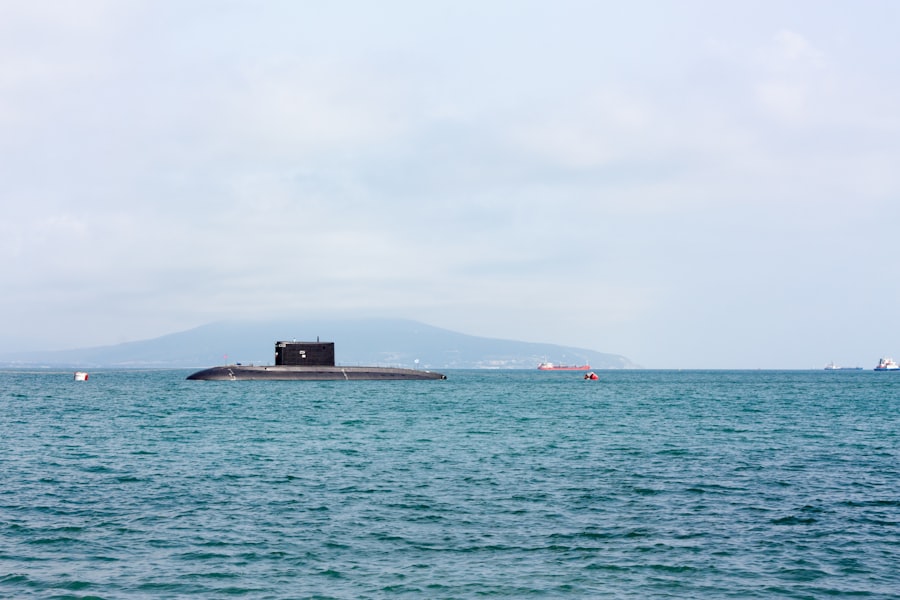
Throughout the Cold War, U.S. spy submarines were involved in a series of classified missions, some of which have since been declassified, offering glimpses into the daring and ingenuity of these operations. These missions, coupled with continuous technological advancements, marked significant milestones in submarine warfare and intelligence gathering.
Project Azorian: Recovering a Soviet Submarine
Perhaps one of the most audacious and widely publicized spy submarine missions was Project Azorian. In the 1970s, the CIA, with the assistance of the submarine USS Glomar Explorer, attempted to recover a sunken Soviet Golf-class submarine, the K-129, from the Pacific Ocean floor. While the recovery was only partially successful, the operation showcased the incredible technological capabilities and the sheer audacity of U.S. intelligence efforts. The Glomar Explorer itself was a testament to innovation, designed to perform incredibly delicate deep-sea salvage operations.
Operations in the Greenland-Iceland-UK Gap (GIUK Gap)
The GIUK Gap, the sea lane between Greenland, Iceland, and the United Kingdom, was a critical chokepoint for Soviet submarine egress from the Arctic to the Atlantic. U.S. spy submarines played a crucial role in monitoring Soviet submarine movements through this gap, providing vital early warning of potential threats to NATO shipping. This constant presence acted as a formidable deterrent.
The Evolution of Nuclear-Powered Attack Submarines (SSNs)
The development of nuclear-powered attack submarines (SSNs) during the Cold War was a gradual process of refinement and specialization. From the early, larger designs, submarines evolved into more agile and quieter platforms. The introduction of faster, more maneuverable, and acoustically superior SSNs, such as those in the Sturgeon and Los Angeles classes, significantly enhanced the U.S. Navy’s ability to conduct sophisticated intelligence gathering and anti-submarine warfare operations.
The Sturgeon-Class Submarines: Workhorses of Espionage
The Sturgeon-class submarines, introduced in the 1960s, became the backbone of the U.S. submarine fleet, including many dedicated to intelligence gathering. Their robust design, increased endurance, and improved sonar capabilities made them ideal for extended patrols in sensitive areas. They were like tireless sentinels, always on duty.
The Los Angeles-Class Submarines: Silencing the Seas
The Los Angeles-class submarines, entering service in the late 1970s, represented another significant leap forward in stealth and acoustic performance. Their advanced quieting techniques and sophisticated sensor systems made them incredibly difficult to detect, further enhancing their effectiveness as spy submarines and anti-submarine warfare platforms.
The history of U.S. spy submarines during the Cold War is a fascinating topic that highlights the innovative strategies employed in underwater espionage. For those interested in exploring this subject further, a related article can provide deeper insights into the technological advancements and missions that defined this era. You can read more about it in this informative piece on espionage tactics at In the War Room. The evolution of these submarines not only shaped military operations but also played a crucial role in the geopolitical landscape of the time.
The Legacy and Transition: From Cold War to Modern Operations
| Submarine Name | Class | Commissioned | Primary Mission | Notable Operations | Significance |
|---|---|---|---|---|---|
| USS Halibut (SSGN-587) | Halibut-class | 1960 | Special operations, intelligence gathering | Operation Ivy Bells (wiretapping Soviet undersea cables) | First submarine specifically designed for covert surveillance |
| USS Parche (SSN-683) | Sturgeon-class | 1974 | Intelligence gathering, undersea cable tapping | Multiple classified missions tapping Soviet communication cables | Most decorated US submarine for Cold War intelligence missions |
| USS Seawolf (SSN-575) | Seawolf-class (1950s) | 1957 | Research and intelligence gathering | Early Cold War surveillance and sonar testing | First US nuclear-powered submarine with advanced sonar |
| USS Nautilus (SSN-571) | Nautilus-class | 1954 | Reconnaissance and intelligence | First nuclear-powered submarine, Arctic missions | Demonstrated nuclear propulsion for extended covert operations |
| USS Grayback (SSG-574) | Grayback-class | 1958 | Missile platform and intelligence gathering | Early cruise missile tests and reconnaissance | Combined missile capability with covert operations |
The end of the Cold War in 1991 did not signal the demise of submarine intelligence gathering. Instead, the capabilities honed during decades of intense rivalry were redirected towards new threats and challenges. The legacy of Cold War spy submarines is one of sustained innovation and a testament to the enduring importance of undersea intelligence.
The Changing Geopolitical Landscape
With the collapse of the Soviet Union, the primary adversary of the Cold War vanished from the immediate scene. However, the world did not become entirely peaceful. New regional conflicts, the proliferation of advanced weaponry, and the rise of non-state actors presented new intelligence requirements. The skills and technologies developed for Cold War submarine espionage proved to be adaptable to these evolving scenarios.
Transition to Post-Cold War Mandates
U.S. intelligence submarines transitioned from their primary focus on Soviet naval activities to other areas, including monitoring the naval capabilities of emerging powers, conducting surveillance in politically sensitive regions, and supporting special operations forces in various theaters. The silent hunters adapted their prey.
Continued Technological Evolution
The pursuit of stealth, sensor sophistication, and operational endurance did not cease with the end of the Cold War. Submarine technology has continued to advance, with modern attack submarines boasting even more sophisticated sonar, quieter propulsion systems, and enhanced electronic warfare capabilities. The lessons learned from the Cold War era laid the foundation for these ongoing improvements. The Cold War was a crucible that forged unparalleled expertise in underwater intelligence.
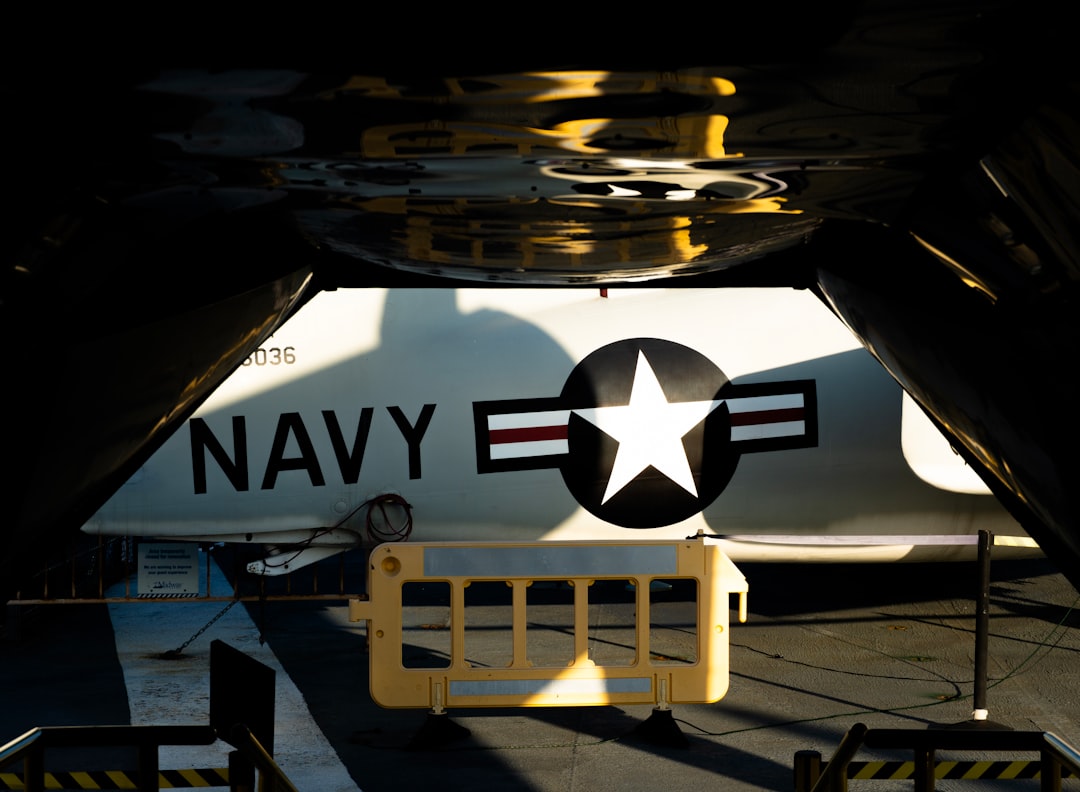
WARNING: The $35,000 Betrayal That Blinded America
FAQs
What role did US spy submarines play during the Cold War?
US spy submarines were crucial for gathering intelligence on Soviet naval activities, tracking missile deployments, and monitoring underwater communications. They helped the US maintain strategic advantages by covertly collecting data in contested waters.
When did the US begin deploying spy submarines in the Cold War?
The US started deploying specialized spy submarines in the early 1950s, shortly after World War II, as tensions with the Soviet Union escalated. These submarines became more advanced throughout the Cold War era.
What were some notable US spy submarines used during the Cold War?
Notable US spy submarines included the USS Halibut (SSGN-587), which was equipped for deep-sea reconnaissance and tapping undersea cables, and the USS Parche (SSN-683), known for its covert intelligence missions.
How did US spy submarines gather intelligence underwater?
They used advanced sonar systems, electronic surveillance equipment, and specialized tools to tap undersea communication cables. These submarines operated stealthily to avoid detection while collecting critical intelligence.
What impact did US spy submarines have on Cold War naval strategy?
US spy submarines significantly enhanced the US Navy’s ability to monitor Soviet activities, contributing to deterrence and strategic planning. Their intelligence helped shape US responses to Soviet threats and maintained a balance of power during the Cold War.