The history of espionage is often portrayed through the lens of clandestine operations on foreign soil, but the shadows of intelligence gathering also stretch deep within the very institutions designed to protect a nation. The United States Navy, a colossal institution with a profound global reach, has, like any significant military branch, harbored its own silent warriors – spies whose actions, while vital, have frequently remained shrouded in secrecy, only to be unearthed by diligent historical research. This article delves into some of these uncovered narratives, pulling back the curtain on the hidden history of US Navy spies.
The Navy, by its very nature, operates at the forefront of international relations, its fleets traversing oceans that are also highways for commerce, diplomacy, and, inevitably, conflict. In such a dynamic environment, understanding an adversary’s naval capabilities, intentions, and technological advancements has always been paramount. This is where intelligence, often gathered through covert means, becomes a critical component of national security, acting as the unseen architects shaping naval strategy.
Early Seeds of Naval Intelligence
Even in the nascent stages of the United States, the need for naval intelligence was apparent. During the Revolutionary War and the War of 1812, rudimentary forms of information gathering were employed. Commanders relied on observations, intercepted communications, and the recruitment of individuals with insights into enemy shipping and defenses. These were not the sophisticated operations of later eras, but they represented the foundational understanding that knowledge of the enemy’s movements and strengths was a battlefield advantage.
- The Role of Merchant Mariners: Often overlooked, skilled merchant mariners possessed invaluable knowledge of coastal defenses, port layouts, and shipping patterns. Some undoubtedly served as willing, or coerced, informants for the nascent American naval forces.
- Intercepted Correspondence: The capture of enemy vessels and mailbags provided early insights into naval plans and troop movements. This was a blunt but effective method of intelligence gathering.
The Dawn of Formal Intelligence Structures
As the US Navy evolved into a global power, particularly in the late 19th and early 20th centuries, the need for a more organized and systematic approach to intelligence became undeniable. The rise of powerful navies in Europe, notably the Imperial German Navy and the Royal Navy, necessitated a dedicated intelligence apparatus. This period saw the slow but steady growth of specialized units and individuals tasked with understanding foreign naval developments.
- The Office of Naval Intelligence (ONI): Established in 1882, ONI marked a significant step towards formalizing naval intelligence. Initially focused on gathering technical information about foreign ships and armaments, its scope gradually broadened. It served as a crucial repository for intelligence, a fact-checking mechanism for strategic decisions.
- The Influence of Technological Advancement: The advent of new technologies like wireless telegraphy and improved naval weaponry presented both opportunities and threats. Intelligence efforts in this era were heavily focused on understanding these advancements and their implications for naval parity.
The intriguing world of espionage within the military is further explored in the article “The Secret History of US Navy Spies,” which delves into the covert operations and intelligence-gathering tactics employed by the Navy throughout history. For those interested in a broader context of military espionage, you might find the related article on the history of intelligence operations in the U.S. military to be quite enlightening. You can read more about it here: The Secret History of US Navy Spies.
Spies in the Age of Dreadnoughts and Codebreaking
The early 20th century, characterized by an escalating arms race and the cataclysm of World War I, dramatically heightened the importance of naval intelligence. The deployment of massive battleships, known as dreadnoughts, and the emergence of complex communication systems underscored the need for spies who could operate in a more technologically advanced and dangerous landscape. This era saw the emergence of espionage as a truly strategic tool, where seemingly small pieces of information could tip the scales of naval power.
The Submarine Threat and Allied Espionage
World War I presented a new and terrifying threat in the form of German U-boats. These submarines, operating from the depths, posed a significant challenge to Allied shipping and naval operations. Gathering intelligence on U-boat deployments, patrol routes, and technological innovations became a high-priority mission.
- The ‘Naval Attaché’ Cover: Naval attachés, ostensibly diplomats, often served as key intelligence gatherers. Their access to official circles and their ability to observe and report on foreign naval activities provided invaluable insights. However, this often blurred the lines between diplomacy and espionage.
- The Role of Civilian Informants: In occupied territories or neutral countries, civilian networks were vital for reporting on German naval movements and construction. These individuals, operating with immense personal risk, provided critical pieces of the intelligence puzzle.
The Birth of Cryptography and Signals Intelligence
The development of encrypted communications by naval powers during this period led to the rise of signals intelligence (SIGINT). Breaking enemy codes became a crucial endeavor, unlocking secrets that were otherwise inaccessible. This was a clandestine battle fought not with bullets, but with intellect and ingenuity, a true war of minds waged in the invisible realm of radio waves.
- Early Codebreaking Efforts: While the famous Bletchley Park codebreakers of World War II often take center stage, pioneering work in breaking naval codes occurred much earlier. Efforts to decipher German naval communications during WWI laid the groundwork for future successes.
- The Discovery of the Zimmermann Telegram: Though not solely a Navy operation, the interception and decipherment of the Zimmermann Telegram in World War I, which revealed a German proposal for Mexico to attack the United States, had significant implications for naval strategy and public opinion, ultimately contributing to the US entry into the war.
The Cold War Crucible: Shadows in the Atlantic and Pacific
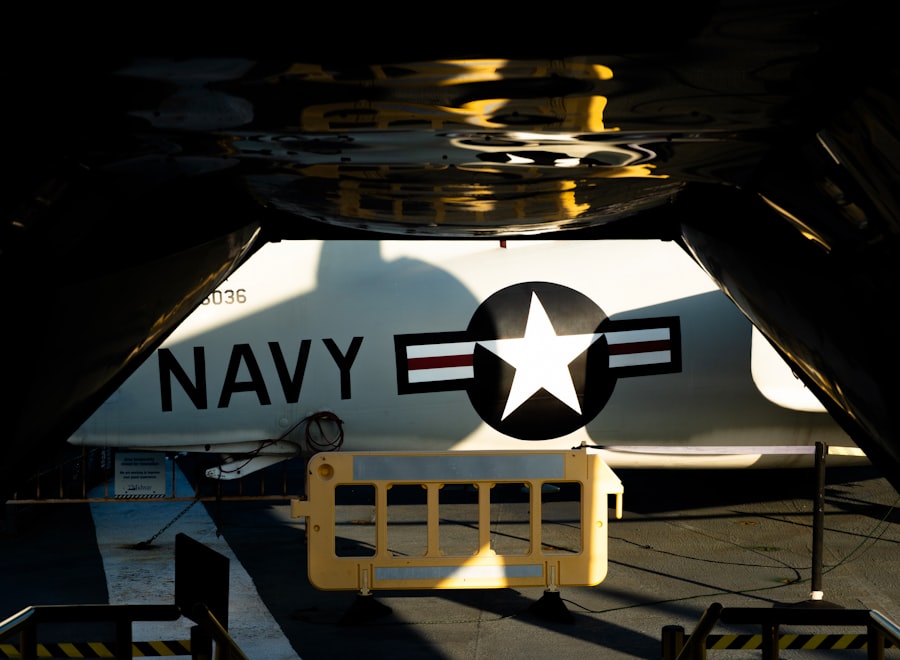
The Cold War, a protracted period of geopolitical tension between the United States and the Soviet Union, cast a long shadow over naval operations and, consequently, naval intelligence. The vastness of the oceans became a silent chessboard, where the movement of submarines, aircraft carriers, and reconnaissance vessels was meticulously tracked and countered. During this era, US Navy spies operated in a climate of heightened suspicion and technological competition, where the stakes were astronomically high.
Submarine Warfare: The Silent Dance of Giants
The development of nuclear-powered submarines by both superpowers created a new and chilling dimension to naval warfare. These submarines, capable of prolonged submerged operations, became the ultimate stealth weapons. The challenge for US Navy intelligence was to locate, track, and understand the capabilities of Soviet submarines, a task akin to finding needles in a continental-sized haystack.
- Acoustic Intelligence: Sound propagates efficiently underwater, making acoustic intelligence a cornerstone of submarine tracking. Navy hydrophones, deployed on submarines, surface vessels, and even seabed arrays, listened for the distinctive sonic signatures of enemy submarines. This was the Navy’s way of “seeing” in the dark depths.
- Human Intelligence (HUMINT) on Soviet Shipyards: Despite the technological focus, human sources remained vital. Agents within Soviet shipyards or naval facilities provided critical information about new submarine designs, construction schedules, and operational deployments. These individuals were the eyes and ears in places where mechanical sensors could not reach.
Overcoming the Iron Curtain: Espionage Against the Soviet Fleet
The Soviet Union, with its vast coastline and extensive naval ambitions, was a primary focus for US Navy intelligence. Spies were tasked with discerning the strength, composition, and strategic intentions of the Soviet fleet. This often involved operating in hostile or tightly controlled environments, where discovery meant severe consequences.
- The ‘Prowler’ Operations: Covert operations, often utilizing specially equipped ships and aircraft, were designed to gather intelligence on Soviet naval exercises and deployments. These missions required a delicate balance of assertiveness and discretion, often pushing the boundaries of international waters and airspace.
- Intelligence from Defectors: The defection of Soviet naval personnel, though rare, provided invaluable, firsthand accounts of Soviet naval doctrine, technology, and operational plans. These individuals were a goldmine of information, offering a direct pipeline into the heart of the adversary’s naval thinking.
Technological Leaps and Covert Operations in the Modern Era
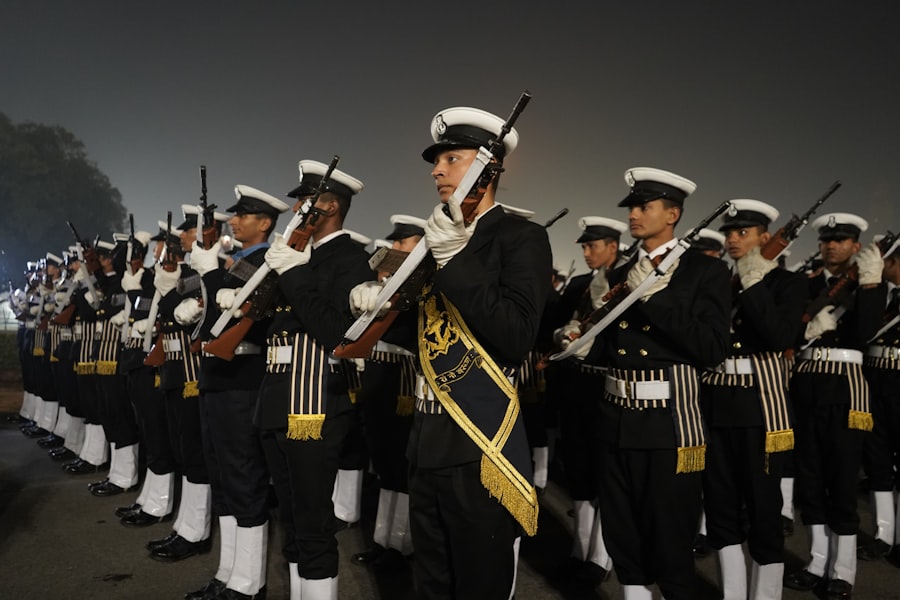
The technological revolution of the late 20th and early 21st centuries has profoundly reshaped the landscape of naval intelligence. While human intelligence remains crucial, the dominance of signals intelligence, imagery intelligence, and cyber warfare has become increasingly apparent. The methods of espionage have evolved, becoming more sophisticated and often more clandestine.
The Electronic Battlefield: Dominance Through Information
Post-Cold War conflicts and the rise of asymmetric threats have placed a greater emphasis on real-time intelligence and rapid decision-making. US Navy spies are now deeply entwined with advanced technological systems, gathering information from satellites, drones, electronic surveillance, and the complex web of digital communications that underpins modern naval operations.
- Signals Intelligence (SIGINT) Refined: Modern SIGINT capabilities allow for the interception and analysis of a vast array of electronic signals, from radar emissions to communication traffic. This enables the Navy to understand enemy electronic order of battle, identify key command and control nodes, and disrupt enemy communications.
- Imagery Intelligence (IMINT) from Orbit: Satellites provide an unparalleled vantage point, offering high-resolution imagery of naval bases, ship construction, and fleet movements. This allows for persistent surveillance and analysis of adversary naval activities, providing a clear picture of what is happening on the surface and in the ports.
The Digital Frontier: Cyber Espionage and Naval Warfare
The advent of cyber warfare has introduced an entirely new dimension to espionage. Naval systems, increasingly reliant on digital networks, are vulnerable to cyberattacks. US Navy intelligence now extends into the digital realm, tasked with both defending its own networks and probing those of potential adversaries.
- Defending Naval Networks: Protecting critical naval infrastructure from cyber threats is a paramount concern. This involves not only defensive measures but also proactive intelligence gathering to identify potential vulnerabilities and attack vectors.
- Offensive Cyber Capabilities: The development of offensive cyber capabilities allows for the disruption of enemy command and control, the exfiltration of sensitive data, and the manipulation of enemy systems. This is a shadowy arm of naval operations, operating in the digital ether.
The intriguing world of espionage within the U.S. Navy is further explored in a related article that delves into the covert operations and intelligence-gathering tactics employed throughout history. This piece sheds light on the often-overlooked contributions of naval spies and their significant impact on military strategy. For those interested in uncovering more about these clandestine activities, you can read the full article at In the War Room.
The Enduring Legacy of the Unseen Operatives
| Metric | Details |
|---|---|
| Number of Known US Navy Spies | Approximately 50 confirmed cases since World War II |
| Most Common Espionage Activities | Signal interception, codebreaking, and intelligence gathering |
| Notable Spy Cases | John Walker spy ring (1968-1985), Ana Montes (1990s-2001) |
| Average Length of Service Before Detection | 5-10 years |
| Primary Adversaries Targeted | USSR/Russia, China, North Korea |
| Impact on US Navy Operations | Compromised communications, loss of classified information, operational delays |
| Counterintelligence Measures | Background checks, surveillance, polygraph tests, compartmentalization of information |
The history of US Navy spies is a testament to the fact that warfare is not solely fought on physical battlefields. It is also a contest of information, a silent struggle waged in the shadows by individuals whose contributions, though often unheralded, have been instrumental in safeguarding national interests. Their stories, as they continue to be uncovered, offer a vital perspective on the evolution of naval power and the enduring importance of intelligence in shaping global security.
The Ethical Quandaries of Espionage
The clandestine nature of espionage inevitably raises ethical questions. The methods employed, the risks taken by operatives, and the justification for covert actions are subjects of ongoing debate. Understanding the full scope of these operations requires acknowledging the moral complexities involved.
- The Balance Between Security and Secrecy: The imperative to maintain secrecy in intelligence operations often clashes with the public’s right to know. This creates a perpetual tension between the need for operational security and the principles of transparency.
- The Personal Toll on Operatives: Intelligence work is often a lonely and dangerous profession, carrying a significant personal toll on the individuals involved. The psychological strain of constant vigilance, the risk of compromise, and the often-unacknowledged sacrifices are part of the hidden cost of national security.
The Future of Naval Espionage
As technology continues to advance at breakneck speed, the methods and targets of naval espionage will undoubtedly continue to evolve. The strategic importance of the oceans, however, remains constant, ensuring that the need for keen eyes and sharp minds to gather intelligence will persist. The future holds new challenges and new frontiers for the unseen operatives of the US Navy.
- Artificial Intelligence and Machine Learning in Intelligence: AI and machine learning are poised to revolutionize intelligence gathering and analysis, enabling faster processing of vast datasets and the identification of complex patterns that human analysts might miss.
- The Arctic and Emerging Naval Competition: As climate change opens new shipping routes and access to resources in the Arctic, this region is becoming a new theater of naval activity and, consequently, a new focus for intelligence gathering. The race to understand and influence naval power in this nascent strategic environment is already underway.
In conclusion, the hidden history of US Navy spies is a rich and complex tapestry, woven with threads of bravery, ingenuity, and sacrifice. These individuals, operating far from the spotlight, have played a crucial role in shaping the course of naval history and ensuring the security of the United States. Their stories, though often buried in declassified documents and hushed whispers, are an integral part of America’s maritime legacy, a silent testament to the power of information in the grand theater of international relations.
FAQs
What is the secret history of US Navy spies?
The secret history of US Navy spies involves covert operations and intelligence gathering conducted by naval personnel to protect national security. These spies have played crucial roles in espionage, sabotage, and reconnaissance missions throughout American history, often operating under deep cover to gather information on foreign adversaries.
When did the US Navy begin using spies?
The US Navy began utilizing spies during the American Revolutionary War, with intelligence efforts becoming more organized during the Civil War and expanding significantly during both World Wars. The establishment of formal naval intelligence units occurred in the early 20th century to coordinate espionage activities.
What types of missions have US Navy spies undertaken?
US Navy spies have undertaken a variety of missions including gathering intelligence on enemy naval capabilities, intercepting communications, conducting sabotage operations, infiltrating enemy organizations, and supporting special operations forces. Their work often involves clandestine surveillance and counterintelligence.
How does the US Navy train its spies?
The US Navy trains its spies through specialized programs within the Naval Intelligence Community, including the Office of Naval Intelligence (ONI) and the Naval Special Warfare community. Training covers espionage techniques, cryptography, surveillance, foreign languages, and survival skills to prepare operatives for covert missions.
Are the activities of US Navy spies publicly acknowledged?
Many activities of US Navy spies remain classified due to their sensitive nature. While some historical operations have been declassified and acknowledged, much of the work conducted by naval intelligence personnel remains secret to protect national security and ongoing operations.