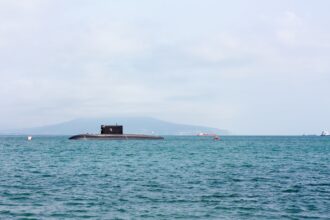
The Guantanamo Naval Base is situated on the southeastern coast of Cuba and has operated since 1898, when it was established during the Spanish-American War as a coaling station for the U.S. Navy.
The strategic position of Guantanamo Bay provided the United States with a key location for military operations in the Caribbean region. The U.S. maintains control over this territory through a lease agreement with Cuba, which remains a source of diplomatic tension between the two countries.
Following the September 11, 2001 terrorist attacks, Guantanamo’s function changed significantly when the U.S. government established a detention facility at the base to hold suspected terrorists. This development transformed the installation from primarily a military outpost into a detention center that became central to the War on Terror.
The facility has generated extensive debate regarding human rights practices, legal procedures, and national security policies, positioning Guantanamo as a significant element in discussions of U.S. foreign policy and military operations.
Key Takeaways
- Guantanamo Naval Base has a complex history tied to U.S. military strategy and international presence.
- The base faces ongoing security threats that impact both military operations and regional stability.
- Legal, ethical, and human rights concerns surrounding detainee treatment have sparked global controversy.
- Guantanamo plays a significant role in the War on Terror, influencing international relations and public opinion.
- Efforts are underway to address security challenges and determine the future direction of the base amid environmental and political considerations.
Current Security Threats
In recent years, Guantanamo Naval Base has faced various security threats that have raised concerns among military and intelligence officials. One of the most pressing issues is the potential for terrorist organizations to target the facility itself. As you consider this, it’s important to recognize that Guantanamo’s notoriety as a detention center for high-profile terrorists makes it a symbolic target for extremist groups seeking to make a statement against U.S.
policies. The base’s isolation does not guarantee immunity from attacks, and military personnel must remain vigilant against evolving threats. Moreover, cyber threats have emerged as a significant concern for Guantanamo’s security infrastructure.
As technology advances, so do the tactics employed by adversaries. You may find it alarming that cyberattacks can compromise sensitive information and disrupt operations at military installations like Guantanamo. The base’s reliance on digital systems for communication and intelligence gathering makes it vulnerable to sophisticated cyber intrusions.
As such, maintaining robust cybersecurity measures is essential to safeguarding both personnel and classified information.
Impact on Military Operations
The presence of Guantanamo Naval Base has had a profound impact on U.S. military operations in the region and beyond. For one, it serves as a critical logistical hub for deploying forces and resources to various missions across Latin America and the Caribbean.
You might appreciate how this strategic location allows for rapid response capabilities in times of crisis, enabling the U.S. military to project power and influence in a volatile region. However, the base’s dual role as a detention facility complicates its operational effectiveness.
The ongoing controversies surrounding the treatment of detainees and legal challenges have diverted attention and resources away from military readiness. You may find it concerning that personnel stationed at Guantanamo often grapple with the moral implications of their duties, which can affect morale and operational efficiency. Balancing the base’s military objectives with its controversial role in detaining individuals accused of terrorism presents ongoing challenges for military leadership.
International Relations
Guantanamo Naval Base has long been a flashpoint in U.S.-Cuba relations, serving as a reminder of historical tensions between the two nations. The continued presence of American troops on Cuban soil is viewed by many as an affront to Cuban sovereignty, fueling anti-American sentiment within the country and among its allies. As you explore this dynamic, you will see how Guantanamo has become emblematic of broader geopolitical struggles in the region.
Additionally, the base’s existence complicates U.S. relations with other countries, particularly those in Latin America and Europe. Many nations have criticized the detention practices at Guantanamo, arguing that they violate international law and human rights standards.
You may find it intriguing that these criticisms can strain diplomatic ties and hinder cooperation on security issues. The base serves as a constant reminder of America’s controversial approach to counterterrorism, impacting its ability to forge alliances and maintain credibility on the global stage.
Legal and Ethical Concerns
| Metric | Details |
|---|---|
| Location | Guantanamo Bay, Cuba |
| Established | 1903 |
| Primary Use | U.S. Naval Base and Detention Camp |
| Security Threat Level | High (due to detainee activities and terrorism concerns) |
| Number of Detainees (peak) | Approximately 680 (2003-2004) |
| Number of Detainees (current) | Less than 40 (as of 2024) |
| Reported Security Incidents | Multiple escape attempts and protests recorded |
| Threat Sources | Extremist detainees, external terrorist groups |
| Countermeasures | High security fencing, surveillance, military patrols |
| International Concerns | Human rights issues, legal status of detainees |
The legal and ethical implications surrounding Guantanamo Naval Base are complex and multifaceted. Since its establishment as a detention facility, it has faced intense scrutiny regarding the treatment of detainees and adherence to international law. You may be aware that many detainees have been held without trial for extended periods, raising questions about due process and human rights violations.
The lack of transparency in legal proceedings has led to widespread criticism from human rights organizations and legal experts alike. Furthermore, ethical dilemmas arise from the use of enhanced interrogation techniques at Guantanamo, which many argue amount to torture. As you consider this issue, it’s essential to recognize that these practices have sparked heated debates within both legal and moral frameworks.
The implications extend beyond individual cases; they challenge fundamental principles of justice and human dignity that underpin democratic societies. You might find it unsettling that these ethical concerns continue to resonate in discussions about national security and counterterrorism strategies.
Environmental Impact
The environmental impact of Guantanamo Naval Base is another critical aspect worth exploring. Situated in a unique ecological zone, the base is home to diverse flora and fauna that could be adversely affected by military activities. You may be surprised to learn that military operations can lead to habitat destruction, pollution, and other environmental degradation issues.
The presence of heavy machinery and munitions testing can disrupt local ecosystems, raising concerns about biodiversity loss. Moreover, the base’s infrastructure poses additional environmental challenges. Waste management practices at Guantanamo have come under scrutiny, particularly regarding hazardous materials generated by military operations.
As you reflect on these issues, consider how environmental stewardship is often overshadowed by security concerns in military contexts. Balancing operational needs with environmental protection is an ongoing challenge for military leadership at Guantanamo.
Role of Guantanamo in the War on Terror
Guantanamo Naval Base has played a pivotal role in shaping U.S. counterterrorism strategies since its inception as a detention facility post-9/11. You might find it fascinating how the base became a central component of America’s efforts to combat terrorism globally.
The detention center was intended to hold individuals deemed threats to national security while gathering intelligence on terrorist networks.
Critics argue that holding detainees without trial undermines the very principles of justice that America seeks to uphold in its fight against terrorism.
You may ponder whether such practices have inadvertently fueled anti-American sentiment and provided propaganda fodder for extremist groups. The ongoing debate about Guantanamo’s role in the War on Terror reflects broader discussions about how best to balance security needs with adherence to democratic values.
Public Opinion and Controversy
Public opinion regarding Guantanamo Naval Base remains deeply divided, reflecting broader societal debates about national security and civil liberties. You may find it striking that while some Americans support the continued operation of the detention facility as a necessary measure against terrorism, others vehemently oppose it due to concerns over human rights violations and legal injustices. This polarization highlights the complexities inherent in addressing security threats while upholding democratic principles.
The controversy surrounding Guantanamo has also been amplified by political discourse, with various administrations taking differing stances on its future. You might recall how President Obama campaigned on closing the facility but faced significant obstacles in doing so during his tenure. The ongoing debate over Guantanamo serves as a litmus test for broader discussions about America’s values and priorities in an increasingly complex world.
Future of Guantanamo Naval Base
As you contemplate the future of Guantanamo Naval Base, several factors come into play that could shape its trajectory in coming years. The evolving landscape of global terrorism necessitates ongoing assessments of security needs and operational effectiveness at military installations like Guantanamo. You may wonder whether shifting geopolitical dynamics will prompt changes in U.S.
policy regarding its presence on Cuban soil. Additionally, domestic political considerations will likely influence decisions about Guantanamo’s future. As public opinion continues to evolve, policymakers may face pressure to address longstanding concerns about human rights and legal accountability associated with the detention facility.
You might find it intriguing that discussions surrounding potential closure or repurposing of Guantanamo are often intertwined with broader debates about national security strategy and America’s role in global affairs.
Efforts to Address Security Threats
In light of ongoing security threats facing Guantanamo Naval Base, efforts are being made to enhance its defenses and operational capabilities. You may be interested to learn that military leadership has implemented various measures aimed at bolstering physical security around the installation while also addressing potential cyber vulnerabilities. These initiatives reflect an understanding that maintaining a secure environment is paramount for both personnel safety and mission success.
Moreover, collaboration with intelligence agencies plays a crucial role in addressing emerging threats at Guantanamo. By sharing information and resources across agencies, military officials can better anticipate potential risks and develop comprehensive strategies for mitigating them. As you consider these efforts, it’s clear that maintaining vigilance against evolving threats is essential for ensuring the continued effectiveness of Guantanamo as a military installation.
Human Rights Issues
The human rights issues surrounding Guantanamo Naval Base remain one of its most contentious aspects. As you explore this topic further, you’ll find that numerous organizations have documented allegations of torture, indefinite detention without trial, and inadequate medical care for detainees held at the facility. These reports have sparked outrage among human rights advocates who argue that such practices violate both domestic laws and international human rights standards.
You may also be struck by how these human rights concerns have led to calls for accountability from various quarters—ranging from legal experts to international bodies like the United Nations. The ongoing debate over detainee treatment at Guantanamo serves as a reminder of the delicate balance between national security imperatives and adherence to fundamental human rights principles. As discussions continue about the future of the base, addressing these human rights issues will be crucial for restoring credibility and trust both domestically and internationally.
In conclusion, Guantanamo Naval Base stands as a complex symbol of America’s military history, national security strategy, and ethical dilemmas surrounding counterterrorism efforts. Its legacy continues to evolve as new challenges emerge on both domestic and international fronts, prompting ongoing debates about its future role in an ever-changing world.
The ongoing discussions surrounding the Guantanamo Naval Base and its implications for national security have been highlighted in various analyses. One such article that delves into the potential threats and strategic importance of the base can be found on In The War Room. For a comprehensive overview, you can read more about it in this article: In The War Room.
WATCH THIS 🎬 The 12-Hour Fuse: How One Man’s Vote Stopped Nuclear War
FAQs
What is the Guantanamo Naval Base?
The Guantanamo Naval Base, also known as Guantanamo Bay Naval Base, is a United States military installation located on the southeastern coast of Cuba. It has been under U.S. control since 1903 and serves as a strategic naval facility.
Why is Guantanamo Naval Base considered a threat?
The Guantanamo Naval Base is often viewed as a geopolitical and security threat by some due to its controversial detention camp, which has been criticized for human rights violations. Additionally, its presence on Cuban soil is a point of tension between the U.S. and Cuba.
What kind of threats are associated with Guantanamo Naval Base?
Threats related to Guantanamo Naval Base include political tensions between the U.S. and Cuba, potential security risks from detainee escapes or attacks, and international criticism over the treatment of prisoners held at the detention facility.
Has Guantanamo Naval Base been involved in any military conflicts?
While the base itself has not been the site of direct military conflict, it has played a role in U.S. military operations, particularly as a detention center for terrorism suspects following the September 11 attacks.
What is the current status of the detention camp at Guantanamo?
As of recent years, the number of detainees at Guantanamo Bay has significantly decreased due to transfers and releases. Efforts to close the detention camp have been ongoing, but it remains operational under U.S. government control.
How does the presence of the base affect U.S.-Cuba relations?
The U.S. presence at Guantanamo Bay is a longstanding point of contention in U.S.-Cuba relations. Cuba views the base as an illegal occupation of its territory, while the U.S. maintains control based on a lease agreement. This issue complicates diplomatic relations between the two countries.
Are there any environmental concerns related to Guantanamo Naval Base?
There have been some environmental concerns regarding the base, including the impact of military activities on local ecosystems and potential contamination. However, detailed public information on environmental issues is limited.
Can the Guantanamo Naval Base be closed or returned to Cuba?
The closure or return of the base to Cuba would require complex negotiations and agreement between the U.S. and Cuban governments. While there have been calls for its closure, especially the detention facility, the base remains under U.S. control as per the lease agreement.