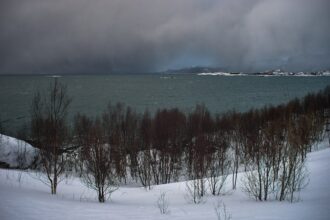
Greenland, the world’s largest island, holds a unique position in the geopolitical landscape, particularly in the context of Arctic affairs. Its vast expanse of ice and remote location have long captured the attention of global powers, especially the United States. As climate change continues to reshape the Arctic environment, Greenland’s strategic importance is magnified, presenting both opportunities and challenges for military and economic interests.
The island’s geographical location makes it a critical point for monitoring and responding to activities in the Arctic, as well as a potential hub for resource extraction and shipping routes that are becoming increasingly accessible due to melting ice. The strategic significance of Greenland is not merely a contemporary phenomenon; it has deep historical roots. The island has been a focal point for military strategy since World War II, serving as a base for operations and intelligence gathering.
Today, as nations vie for influence in the Arctic region, Greenland’s role is more crucial than ever. The U.S. military presence on the island is a testament to its importance in safeguarding national interests and maintaining a balance of power in a rapidly changing geopolitical environment.
Key Takeaways
- Greenland holds critical strategic value for US military and geopolitical interests, especially in the Arctic region.
- The US has maintained a military presence in Greenland since World War II, underscoring its long-term defense priorities.
- Greenland’s location is vital for Arctic security, enabling monitoring and control over emerging northern routes and potential threats.
- Economic and environmental factors, including energy resources and climate change, influence US military and diplomatic strategies in Greenland.
- Future US-Greenland relations will likely focus on balancing security needs with environmental challenges and regional cooperation.
History of US Military Presence in Greenland
The history of U.S. military presence in Greenland dates back to World War II when the United States established bases on the island to counter potential threats from Nazi Germany. The establishment of bases such as Thule Air Base marked the beginning of a long-standing military relationship between the U.S.
and Greenland. This strategic partnership was solidified through the 1951 Defense Agreement between the U.S. and Denmark, which granted the U.
military access to Greenland’s territory for defense purposes. The Cold War further entrenched this relationship, as Greenland became a critical site for monitoring Soviet activities in the Arctic. Over the decades, the U.S.
military presence in Greenland has evolved, adapting to changing geopolitical dynamics and technological advancements. The Thule Air Base has remained a cornerstone of U.S. operations in the Arctic, serving as a key site for missile warning systems and satellite tracking.
The historical context of this military presence underscores not only the strategic importance of Greenland but also the enduring partnership between the U.S. and Denmark, which governs Greenland’s foreign affairs.
Geopolitical Significance of Greenland

Greenland’s geopolitical significance extends beyond its military value; it is also a focal point for international diplomacy and competition among global powers. As Arctic ice continues to melt, new shipping routes are opening up, making Greenland an attractive location for trade and resource exploration. Countries such as Russia, China, and Canada are increasingly interested in asserting their influence in the region, leading to heightened tensions and competition for access to natural resources like oil, gas, and minerals.
The island’s strategic location also positions it as a potential staging ground for military operations and surveillance activities. The Arctic is becoming a theater for geopolitical maneuvering, with nations seeking to secure their interests amid changing environmental conditions. Greenland’s vast territory and proximity to key maritime routes make it an essential player in this evolving landscape, prompting discussions about sovereignty, territorial claims, and international cooperation.
Importance of Greenland for US National Security
For the United States, Greenland’s importance cannot be overstated when considering national security interests. The island serves as a critical outpost for monitoring potential threats from adversaries, particularly in an era where missile technology is advancing rapidly. Thule Air Base plays a vital role in early warning systems that detect missile launches from hostile nations, providing crucial intelligence that informs U.S.
defense strategies. Moreover, Greenland’s geographic position allows for enhanced surveillance capabilities over the Arctic region, where military activities are increasing. As nations expand their presence in the Arctic, the U.S.
must ensure that it maintains a competitive edge in terms of intelligence gathering and military readiness. The strategic value of Greenland thus extends beyond its physical territory; it encompasses the broader implications for U.S. national security in an increasingly multipolar world.
Role of Greenland in Arctic Security
| Metric | Details |
|---|---|
| US Military Bases in Greenland | Thule Air Base |
| Location | Northwest coast of Greenland |
| Primary Function | Early missile warning, space surveillance, and satellite tracking |
| Personnel | Approximately 600 US military and civilian personnel |
| Operational Since | 1951 |
| Strategic Importance | Part of US missile defense and Arctic surveillance network |
| Recent Developments | Upgrades to radar and communication systems to enhance Arctic capabilities |
| Agreements | US-Greenland Defense Cooperation Agreement (ongoing) |
Greenland’s role in Arctic security is multifaceted, encompassing both military and environmental dimensions. As climate change accelerates ice melt, new shipping routes are emerging that could alter global trade patterns and increase maritime traffic through Arctic waters. This shift presents both opportunities and challenges for security in the region, necessitating a coordinated response from nations with vested interests in Arctic stability.
The U.S., along with its allies, recognizes that maintaining security in the Arctic requires collaboration with other Arctic nations, including Denmark, Canada, and Norway. Joint exercises and cooperative agreements are essential for addressing potential conflicts arising from increased human activity in these previously inaccessible areas. Greenland’s strategic location serves as a linchpin for these collaborative efforts, reinforcing its importance not only as a military asset but also as a partner in fostering regional stability.
US Military Bases in Greenland

The primary U.S. military installation in Greenland is Thule Air Base, located in the northern part of the island. Established during World War II and expanded during the Cold War, Thule has evolved into a critical hub for U.S.
military operations in the Arctic. The base supports various missions, including missile warning systems, satellite operations, and scientific research related to climate change.
S.
military capabilities in Greenland. These bases facilitate logistical support and provide essential infrastructure for operations across the Arctic region. The presence of these military installations underscores the commitment of the U.S.
to maintain a robust defense posture in an area that is becoming increasingly contested.
Economic and Energy Importance of Greenland
Beyond its military significance, Greenland possesses substantial economic potential that has garnered attention from both domestic and international stakeholders. The island is rich in natural resources, including rare earth minerals, oil, and gas reserves that remain largely untapped due to environmental concerns and logistical challenges associated with extraction. As global demand for these resources continues to rise, Greenland’s economic importance is likely to grow.
The potential for resource extraction has led to increased interest from foreign investors and governments seeking to capitalize on Greenland’s wealth. However, this interest also raises questions about environmental sustainability and the impact of resource development on local communities. Balancing economic growth with environmental protection will be crucial as Greenland navigates its future in an increasingly resource-driven global economy.
Environmental and Climate Change Considerations
Climate change poses significant challenges for Greenland, impacting not only its environment but also its geopolitical significance. The melting ice caps are reshaping the landscape and altering ecosystems while simultaneously opening up new shipping routes and resource opportunities. This duality presents both risks and rewards for Greenland as it grapples with the consequences of climate change.
The environmental implications of climate change extend beyond local concerns; they have global ramifications as well. Rising sea levels and changing weather patterns can affect coastal communities worldwide, making it imperative for nations to collaborate on addressing these challenges. Greenland’s unique position as an indicator of climate change impacts underscores its importance in international discussions about environmental policy and sustainability.
Challenges and Opportunities for US Military Presence in Greenland
While Greenland offers numerous strategic advantages for U.S. military presence, it also presents challenges that must be navigated carefully. One significant challenge is the delicate balance between military operations and environmental protection.
As climate change accelerates resource exploration and extraction activities, there is growing scrutiny regarding the environmental impact of these endeavors. Additionally, maintaining infrastructure in such a remote location poses logistical challenges that can complicate military operations. Harsh weather conditions and limited accessibility can hinder supply chains and operational readiness.
However, these challenges also present opportunities for innovation in logistics and technology that could enhance U.S. capabilities in the region.
Future Prospects for US-Greenland Relations
The future prospects for U.S.-Greenland relations appear promising yet complex. As global interest in the Arctic intensifies, both parties must navigate their respective interests while fostering cooperation on shared challenges such as climate change and security concerns. Strengthening diplomatic ties will be essential for ensuring that both nations can effectively address emerging issues while promoting stability in the region.
Furthermore, as Greenland seeks greater autonomy and self-determination within its relationship with Denmark and external partners like the U.S., it will be crucial to respect local perspectives and priorities. Engaging with indigenous communities and considering their voices will be vital for building trust and ensuring sustainable development that benefits all stakeholders involved.
The Continued Relevance of Greenland for US Military Strategy
In conclusion, Greenland remains a pivotal player in U.S. military strategy due to its strategic location, historical ties, and emerging geopolitical significance in the Arctic region. As climate change reshapes the landscape of international relations, Greenland’s role will only become more pronounced in discussions surrounding national security, resource management, and environmental sustainability.
The complexities of U.S.-Greenland relations highlight the need for continued engagement and collaboration between both parties as they navigate an evolving geopolitical landscape marked by competition and cooperation alike. Ultimately, Greenland’s relevance to U.S. military strategy will endure as long as global dynamics continue to shift within this critical region of the world.
The strategic importance of Greenland has been underscored by the increasing U.S. military presence in the region, which is aimed at countering potential threats from global powers. For a deeper understanding of the implications of this military buildup, you can read more in the related article on the topic at this link.
WATCH THIS! 🎬 America’s Nuclear City Was a Lie: The Russian Base That Made Iceworm Obsolete
FAQs
What is the current status of the US military presence in Greenland?
The United States maintains a military presence in Greenland primarily through the Thule Air Base, which is a key installation for missile warning and space surveillance. The base is operated by the US Air Force and is strategically important for Arctic defense and early warning systems.
Why does the US have a military presence in Greenland?
The US military presence in Greenland is primarily for strategic defense purposes, including missile detection, space surveillance, and Arctic security. Greenland’s location is critical for monitoring potential missile threats from the polar region and for maintaining a strategic foothold in the Arctic.
Is Greenland a part of the United States?
No, Greenland is an autonomous territory within the Kingdom of Denmark. It is not part of the United States, but the US has a military presence there through agreements with Denmark.
What agreements govern the US military presence in Greenland?
The US military presence in Greenland is governed by agreements between the United States and Denmark. These agreements allow the US to operate military installations such as Thule Air Base while respecting Greenland’s autonomy and Danish sovereignty.
Has the US military presence in Greenland changed recently?
There have been discussions and proposals to expand or enhance the US military presence in Greenland due to increasing geopolitical interest in the Arctic region. However, any changes are subject to negotiations with Denmark and Greenlandic authorities.
How does the US military presence in Greenland impact local communities?
The US military presence provides economic benefits through employment and infrastructure development but also raises concerns about environmental impact and sovereignty among local Greenlandic communities. The relationship is managed through ongoing dialogue between the US, Denmark, and Greenland.
What strategic advantages does Greenland offer to the US military?
Greenland’s geographic location offers strategic advantages for early missile detection, space surveillance, and Arctic operations. Its proximity to the North Pole makes it a critical point for monitoring potential threats and for maintaining a military presence in the increasingly important Arctic region.
Are there any environmental concerns related to the US military presence in Greenland?
Yes, there are environmental concerns related to military activities, including potential impacts on the fragile Arctic ecosystem. Both the US and Danish authorities work to mitigate environmental risks through regulations and environmental assessments.