The Greenland Ice Sheet, a colossal expanse of ice covering approximately 1.7 million square kilometers, plays a pivotal role in the Earth’s climate system. It is the second-largest ice body in the world, surpassed only by Antarctica. As the planet warms, the melting of this vast ice sheet has become a focal point of scientific research and public concern.
The implications of its melt extend far beyond the Arctic region, influencing global sea levels and climate patterns. Understanding the dynamics of the Greenland Ice Sheet is crucial for predicting future environmental changes and preparing for their consequences. In recent decades, the rate of ice loss from Greenland has accelerated alarmingly, raising questions about the stability of this massive ice reservoir.
The melting of the Greenland Ice Sheet is not merely a local phenomenon; it is a harbinger of broader climatic shifts that could have profound effects on ecosystems and human societies worldwide. As scientists delve deeper into the mechanisms driving this melt, they uncover a complex interplay of natural processes and anthropogenic influences that threaten to reshape the planet’s future.
Key Takeaways
- The Greenland Ice Sheet is the second largest ice body in the world and is experiencing accelerated melting due to climate change.
- The primary causes of Greenland Ice Sheet melt include rising temperatures, increased surface melting, and ice discharge into the ocean.
- The melting of the Greenland Ice Sheet is contributing to global sea level rise, with potential impacts on coastal communities and ecosystems worldwide.
- Current trends show that Greenland Ice Sheet melt is increasing in both extent and intensity, with significant implications for future sea level rise.
- Accelerated Greenland Ice Sheet melt could lead to catastrophic consequences, including more frequent and severe flooding events, loss of biodiversity, and displacement of communities.
Causes of Greenland Ice Sheet Melt
The melting of the Greenland Ice Sheet is driven by a combination of natural and human-induced factors. One of the primary contributors is rising global temperatures, which have been linked to increased greenhouse gas emissions from human activities such as burning fossil fuels and deforestation. As temperatures rise, surface melting becomes more pronounced, leading to significant ice loss.
This phenomenon is exacerbated by feedback mechanisms, where melting ice reduces the albedo effect—meaning less sunlight is reflected back into space, further warming the surface. In addition to temperature increases, changes in atmospheric circulation patterns also play a critical role in the ice sheet’s melt dynamics. Warmer air masses can lead to increased precipitation in the form of rain rather than snow, which contributes to surface melting.
Moreover, oceanic influences cannot be overlooked; warmer ocean waters erode the ice sheet’s marine margins, accelerating the retreat of glaciers that flow into the sea. This multifaceted interplay of factors underscores the complexity of the processes driving the melt of the Greenland Ice Sheet.
Impact of Greenland Ice Sheet Melt on Global Sea Level Rise
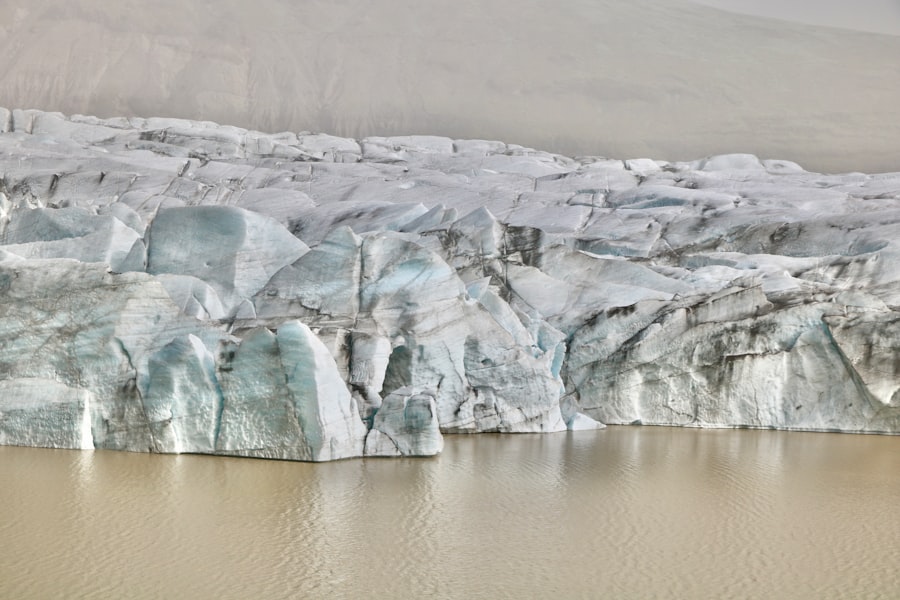
The implications of Greenland’s ice melt extend far beyond its immediate vicinity, significantly contributing to global sea level rise. As the ice sheet loses mass, it releases freshwater into the ocean, which directly raises sea levels. Current estimates suggest that Greenland’s contribution to global sea level rise could be as much as 25% by 2100 if current trends continue.
This increase poses a serious threat to coastal communities worldwide, where millions of people live in low-lying areas vulnerable to flooding. The melting of the Greenland Ice Sheet also has cascading effects on ocean circulation patterns, which can further influence sea levels. Changes in salinity and temperature can disrupt established currents, leading to unpredictable weather patterns and additional regional impacts.
The potential for accelerated sea level rise due to Greenland’s melt highlights the urgent need for comprehensive climate action and adaptation strategies to protect vulnerable populations and ecosystems.
Current Trends in Greenland Ice Sheet Melt
| Year | Ice Sheet Melt (Gt/year) | Sea Level Rise (mm/year) |
|---|---|---|
| 2002-2016 | 269 ± 51 | 0.7 ± 0.2 |
| 2010-2018 | 280 ± 25 | 0.75 ± 0.06 |
| 2018-2020 | 532 ± 54 | 1.5 ± 0.1 |
Recent studies indicate that the rate of ice loss from the Greenland Ice Sheet has reached unprecedented levels in recent years. Satellite observations reveal that between 2000 and 2019, Greenland lost approximately 3,800 billion tons of ice, with an alarming acceleration noted in the last decade. This trend is particularly concerning as it suggests that the ice sheet may be entering a phase of irreversible decline, where natural processes are unable to keep pace with ongoing warming.
Moreover, researchers have observed significant changes in glacier dynamics, with many glaciers retreating at alarming rates. The Jakobshavn Glacier, one of Greenland’s largest and fastest-moving glaciers, has experienced dramatic thinning and retreat over recent years. Such trends not only contribute to immediate ice loss but also signal potential future instability within the ice sheet itself.
As scientists continue to monitor these changes, they emphasize the importance of understanding both current trends and potential future scenarios for effective climate action.
Potential Consequences of Accelerated Greenland Ice Sheet Melt
The accelerated melting of the Greenland Ice Sheet carries with it a host of potential consequences that extend beyond rising sea levels. One significant concern is the impact on global weather patterns. The influx of freshwater from melting ice can disrupt ocean currents and alter atmospheric circulation, leading to more extreme weather events such as hurricanes, droughts, and heavy rainfall in various regions around the world.
Additionally, the loss of ice cover can have dire implications for Arctic ecosystems. Many species rely on stable ice conditions for their habitat and hunting grounds. As these conditions change, species such as polar bears and seals face increasing challenges for survival.
The melting ice also affects indigenous communities that depend on traditional hunting practices and are experiencing shifts in their environment that threaten their way of life.
The Role of Climate Change in Greenland Ice Sheet Melt
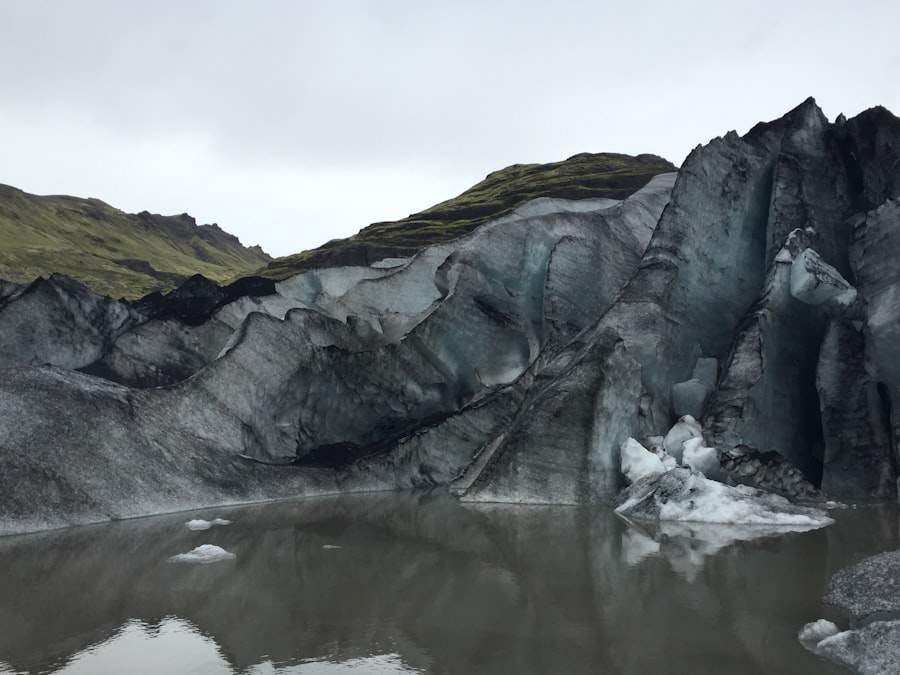
Climate change is undeniably at the heart of the Greenland Ice Sheet’s melt crisis. The increase in global temperatures due to anthropogenic greenhouse gas emissions has created an environment conducive to accelerated ice loss. As temperatures rise, both surface melting and calving events—where chunks of ice break off from glaciers—become more frequent and severe.
Moreover, climate change exacerbates existing vulnerabilities within the ice sheet itself. For instance, warmer air can lead to increased rainfall during summer months, which contributes to surface melt and accelerates glacier retreat.
Efforts to Study and Monitor Greenland Ice Sheet Melt
In response to the urgent need for understanding and addressing Greenland’s ice melt, scientists have ramped up efforts to study and monitor this critical region. Advanced satellite technology plays a crucial role in tracking changes in ice mass and glacier dynamics over time. Instruments such as NASA’s GRACE (Gravity Recovery and Climate Experiment) satellites provide valuable data on changes in gravitational pull caused by shifts in mass distribution due to melting ice.
In addition to satellite observations, ground-based research is essential for gaining insights into local conditions and processes affecting ice melt. Researchers conduct field studies to measure surface temperatures, assess snow accumulation rates, and analyze glacial flow dynamics. Collaborative international efforts have emerged to enhance data collection and share findings across borders, recognizing that understanding Greenland’s ice melt is a global imperative.
Mitigation Strategies for Greenland Ice Sheet Melt
Addressing the challenges posed by Greenland’s ice melt requires a multifaceted approach that encompasses both mitigation and adaptation strategies. On a global scale, reducing greenhouse gas emissions is paramount to slowing climate change and its associated impacts on polar regions. Transitioning to renewable energy sources, enhancing energy efficiency, and promoting sustainable land use practices are critical components of this effort.
At a more localized level, strategies such as improving land management practices can help mitigate some effects of climate change on Greenland itself. Initiatives aimed at preserving natural habitats and promoting sustainable tourism can contribute to both environmental protection and economic resilience for local communities. By integrating scientific research with policy initiatives, stakeholders can work towards solutions that address both immediate concerns and long-term sustainability.
Economic and Environmental Implications of Greenland Ice Sheet Melt
The economic implications of Greenland’s ice melt are profound and multifaceted. Coastal communities around the world face increasing risks from flooding and erosion due to rising sea levels, necessitating costly infrastructure investments for protection and adaptation. Additionally, industries reliant on stable coastal environments—such as fisheries and tourism—may experience disruptions as ecosystems shift in response to changing conditions.
From an environmental perspective, the loss of the Greenland Ice Sheet represents a significant threat to biodiversity both locally and globally. As habitats change or disappear altogether, species face increased competition for resources or may be forced to migrate to new areas—often with uncertain outcomes for their survival. The interconnectedness of these economic and environmental challenges underscores the urgency for comprehensive strategies that address both human needs and ecological integrity.
International Collaboration and Policy Responses to Greenland Ice Sheet Melt
The global nature of climate change necessitates international collaboration in addressing the challenges posed by Greenland’s ice melt. Various organizations and agreements aim to foster cooperation among nations in mitigating climate impacts and sharing knowledge about adaptation strategies. The Paris Agreement serves as a pivotal framework for countries to commit to reducing greenhouse gas emissions collectively.
Initiatives such as the Arctic Council promote dialogue among Arctic nations regarding environmental protection and sustainable development in response to changing conditions. By fostering partnerships across borders, stakeholders can work together towards solutions that benefit both local communities and global society.
The Urgency of Addressing Greenland Ice Sheet Melt
The ongoing melt of the Greenland Ice Sheet represents one of the most pressing challenges facing humanity today. Its implications extend far beyond its icy borders, influencing global sea levels, weather patterns, ecosystems, and economies worldwide. As scientists continue to unravel the complexities surrounding this phenomenon, it becomes increasingly clear that urgent action is required.
Addressing the challenges posed by Greenland’s ice melt demands a concerted effort from individuals, communities, governments, and international organizations alike. By prioritizing climate action through emission reductions, investing in research and monitoring efforts, and fostering collaboration across borders, society can work towards mitigating the impacts of this critical issue. The time for action is now; safeguarding both our planet’s future and vulnerable communities depends on it.
Recent studies have highlighted the alarming risks associated with the melting of the Greenland ice sheet, which could have significant implications for global sea levels. For a deeper understanding of the potential consequences and the ongoing research in this area, you can read more in this related article on the topic. Check it out here: In the War Room.
WATCH THIS! Inside Iceworm: America’s Secret Nuclear City Built Under Greenland
FAQs
What is the Greenland ice sheet?
The Greenland ice sheet is a vast body of ice covering approximately 80% of the surface of Greenland. It is the second largest ice body in the world, after the Antarctic ice sheet.
Why is the Greenland ice sheet melting?
The Greenland ice sheet is melting primarily due to rising global temperatures caused by human-induced climate change. Warmer temperatures lead to increased melting at the surface of the ice sheet and at its base, as well as increased calving of icebergs from the edges of the ice sheet.
What are the potential impacts of Greenland ice sheet melt?
The melting of the Greenland ice sheet has the potential to contribute to global sea level rise, which can lead to coastal flooding, erosion, and the displacement of communities. It can also disrupt ocean currents and weather patterns, impacting ecosystems and economies around the world.
How fast is the Greenland ice sheet melting?
The rate of melting of the Greenland ice sheet has been accelerating in recent decades. Satellite observations show that the ice sheet is losing mass at an increasing rate, with significant implications for global sea level rise.
What is being done to address the melting of the Greenland ice sheet?
Efforts to address the melting of the Greenland ice sheet include international agreements to reduce greenhouse gas emissions, research to better understand the processes driving ice melt, and adaptation measures to help communities prepare for and respond to sea level rise.