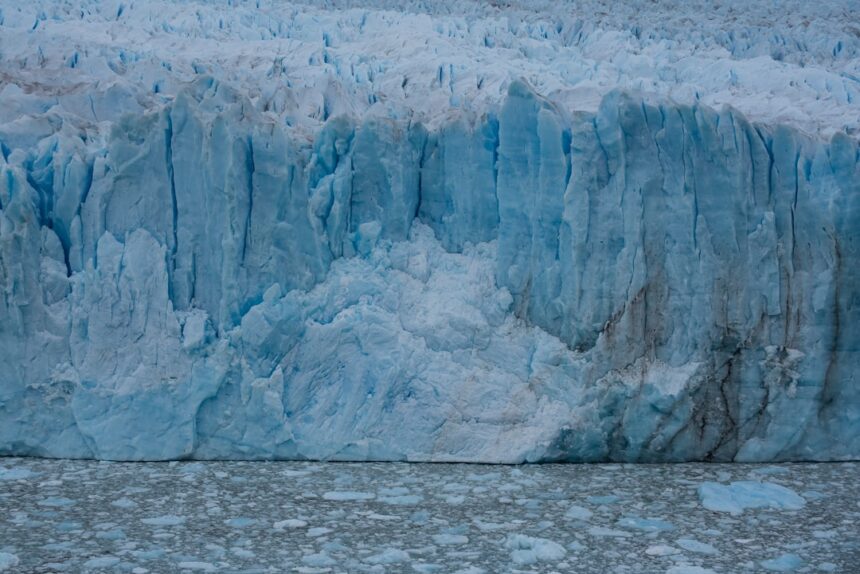
The Greenland Ice Sheet, a colossal expanse of ice covering approximately 1.7 million square kilometers, stands as one of the most significant indicators of climate change on the planet. This vast ice mass, which holds about 10% of the world’s freshwater, plays a crucial role in regulating global sea levels and climate patterns. The ice sheet is not merely a frozen landscape; it is a dynamic system that interacts with atmospheric and oceanic conditions, influencing weather patterns far beyond its icy borders.
The significance of the Greenland Ice Sheet extends beyond its sheer size. It serves as a critical component of Earth’s climate system, reflecting sunlight and helping to maintain cooler temperatures in the Northern Hemisphere.
However, this delicate balance is under threat as global temperatures rise. The ice sheet’s melting has implications not only for Greenland but for the entire planet, making it a focal point in discussions about climate change and environmental sustainability. Understanding the complexities of this ice sheet is essential for grasping the broader implications of climate change and the urgent need for action.
Key Takeaways
- The Greenland Ice Sheet is the second largest ice body in the world, covering about 80% of the surface of Greenland.
- Climate change is causing the Greenland Ice Sheet to melt at an alarming rate, leading to significant impacts on global sea levels.
- The melting of the Greenland Ice Sheet is contributing to rising sea levels, posing a threat to coastal communities and ecosystems worldwide.
- Melting rates of the Greenland Ice Sheet are accelerating, exacerbating the effects of climate change and leading to more frequent extreme weather events.
- Feedback loops, such as the albedo effect and ice-albedo feedback, are amplifying the melting of the Greenland Ice Sheet, further contributing to climate change.
The Impact of Climate Change on the Greenland Ice Sheet
Climate change has emerged as a formidable force reshaping the Greenland Ice Sheet. Rising global temperatures have led to increased surface melting and accelerated ice loss, fundamentally altering the ice sheet’s structure and stability. The warming atmosphere has resulted in higher temperatures during summer months, causing more extensive melting than previously recorded.
This phenomenon is not merely a seasonal fluctuation; it represents a long-term trend that threatens to destabilize one of the planet’s largest reservoirs of freshwater. Moreover, the impact of climate change on the Greenland Ice Sheet is not uniform across its expanse. Different regions experience varying degrees of melting due to local climatic conditions, ocean currents, and topographical features.
For instance, areas along the western coast have shown more pronounced melting compared to the eastern regions. This uneven melting contributes to changes in the ice sheet’s flow dynamics, leading to increased calving events where chunks of ice break off into the ocean. As these processes unfold, they raise critical questions about the future stability of the ice sheet and its role in global sea level rise.
Rising Sea Levels and the Greenland Ice Sheet
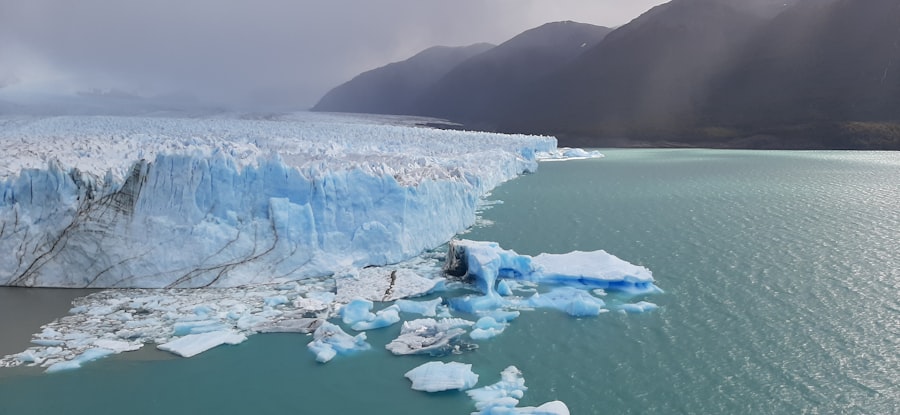
The relationship between the Greenland Ice Sheet and rising sea levels is a pressing concern for coastal communities worldwide. As the ice sheet continues to melt at an alarming rate, it contributes significantly to global sea level rise, which poses a threat to millions of people living in low-lying areas. The melting of the Greenland Ice Sheet alone is responsible for approximately 25% of current sea level rise, a statistic that underscores its importance in the broader context of climate change.
The implications of rising sea levels are profound and multifaceted. Coastal erosion, increased flooding, and saltwater intrusion into freshwater supplies are just a few of the challenges faced by vulnerable communities. Additionally, as sea levels rise, the risk of storm surges during extreme weather events increases, exacerbating the potential for damage to infrastructure and ecosystems.
The interconnectedness of these issues highlights the urgent need for comprehensive strategies to address both climate change and its impacts on sea levels.
Melting Rates and the Acceleration of Climate Change
| Year | Arctic Melting Rate (million square kilometers per year) | Antarctic Melting Rate (million square kilometers per year) |
|---|---|---|
| 2000 | 0.9 | 0.1 |
| 2010 | 1.2 | 0.3 |
| 2020 | 1.6 | 0.5 |
Recent studies have revealed alarming trends regarding the melting rates of the Greenland Ice Sheet. Satellite observations indicate that ice loss has accelerated over recent decades, with estimates suggesting that Greenland is losing around 280 billion tons of ice annually. This rapid melting is not only a consequence of rising temperatures but also a feedback mechanism that further exacerbates climate change.
As more ice melts, less sunlight is reflected back into space, leading to increased absorption of heat by the ocean and atmosphere. The acceleration of melting rates poses significant challenges for climate scientists attempting to predict future scenarios. The complexity of interactions between atmospheric conditions, ocean currents, and ice dynamics makes it difficult to model future changes accurately.
However, what is clear is that if current trends continue, the Greenland Ice Sheet could contribute to several meters of sea level rise over the coming centuries.
The Role of Feedback Loops in Greenland Ice Sheet Melting
Feedback loops play a critical role in understanding the dynamics of melting within the Greenland Ice Sheet. One prominent feedback mechanism involves albedo effect—the reflectivity of Earth’s surface. As ice melts and exposes darker ocean water or land beneath, less sunlight is reflected away from Earth’s surface, leading to further warming and additional melting.
This cycle creates a self-reinforcing loop that accelerates ice loss and contributes to global temperature increases. Another feedback loop involves changes in ocean circulation patterns due to increased freshwater influx from melting ice. The introduction of freshwater can disrupt established ocean currents, which are vital for regulating global climate systems.
Such disruptions can lead to changes in weather patterns far beyond Greenland itself, affecting precipitation rates and temperature distributions across continents. Understanding these feedback loops is essential for developing effective strategies to combat climate change and mitigate its impacts on both local and global scales.
The Potential Consequences of Greenland Ice Sheet Melting
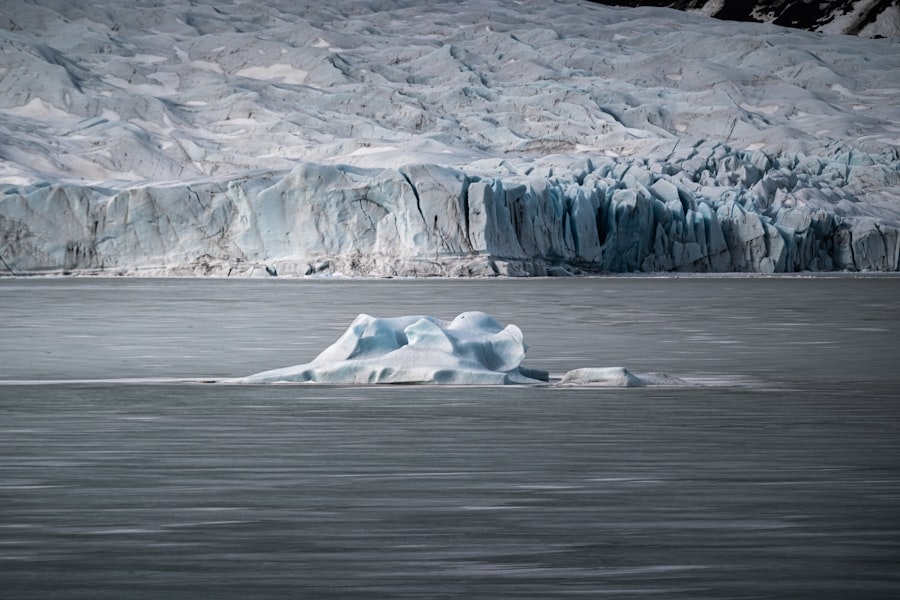
The potential consequences of continued melting of the Greenland Ice Sheet are far-reaching and complex. Beyond contributing to rising sea levels, which threaten coastal communities worldwide, there are implications for global weather patterns and ecosystems. Changes in freshwater distribution can alter ocean currents, leading to shifts in climate zones and potentially exacerbating extreme weather events such as hurricanes and droughts.
Additionally, the melting ice sheet may release trapped greenhouse gases such as methane and carbon dioxide into the atmosphere, further intensifying climate change. These gases are potent contributors to global warming, creating a vicious cycle that could lead to even more rapid changes in climate systems. The cascading effects of these processes highlight the interconnectedness of Earth’s systems and underscore the urgency for comprehensive approaches to address climate change.
Mitigation Efforts and Strategies to Preserve the Greenland Ice Sheet
In light of the pressing challenges posed by climate change and its impact on the Greenland Ice Sheet, various mitigation efforts are being explored to preserve this vital resource. One approach involves reducing greenhouse gas emissions globally through international agreements such as the Paris Agreement. By limiting emissions, countries can work collectively to slow down global warming and its associated impacts on polar ice sheets.
Additionally, research into geoengineering solutions has gained traction as a potential means to combat climate change effects on the Greenland Ice Sheet. Techniques such as solar radiation management or carbon capture and storage aim to directly influence climatic conditions or reduce atmospheric carbon levels. While these strategies hold promise, they also raise ethical questions and uncertainties regarding their long-term effectiveness and potential unintended consequences.
The Economic and Social Implications of Greenland Ice Sheet Melting
The economic implications of melting ice in Greenland extend beyond environmental concerns; they encompass social dimensions as well. Coastal communities facing rising sea levels may experience displacement, loss of livelihoods, and increased costs associated with adaptation measures such as building seawalls or relocating infrastructure. These challenges disproportionately affect marginalized populations who may lack resources to adapt effectively.
Moreover, industries reliant on stable coastal environments—such as fishing and tourism—may face significant disruptions due to changing ecosystems and increased flooding risks. The economic ramifications can ripple through local economies, leading to job losses and reduced opportunities for communities already grappling with climate-related challenges. Addressing these social and economic implications requires comprehensive planning that considers both environmental sustainability and community resilience.
The Role of International Cooperation in Addressing Climate Change and Greenland Ice Sheet Melting
International cooperation is paramount in addressing the multifaceted challenges posed by climate change and its impact on the Greenland Ice Sheet. Climate change knows no borders; therefore, collaborative efforts among nations are essential for effective mitigation strategies. Initiatives such as joint research projects, knowledge sharing, and funding for adaptation measures can enhance understanding and foster innovative solutions.
Furthermore, international agreements play a crucial role in setting targets for emissions reductions and promoting sustainable practices globally. By working together, countries can leverage resources and expertise to tackle shared challenges more effectively. The urgency of addressing climate change necessitates a united front that transcends national interests in favor of collective action for a sustainable future.
The Importance of Scientific Research and Monitoring of the Greenland Ice Sheet
Scientific research and monitoring are vital components in understanding the dynamics of the Greenland Ice Sheet and its response to climate change. Ongoing studies utilizing satellite technology, ground-based observations, and climate modeling provide critical data that inform policymakers about current trends and future projections. This research helps identify areas most at risk from melting and informs strategies for mitigation and adaptation.
Moreover, public awareness campaigns highlighting scientific findings can foster greater understanding among communities about the importance of preserving polar regions like Greenland. Engaging local populations in research efforts can also enhance data collection while promoting stewardship for their environment. Ultimately, continued investment in scientific research is essential for developing effective responses to climate change impacts on the Greenland Ice Sheet.
The Urgency of Addressing Climate Change and Protecting the Greenland Ice Sheet
The urgency surrounding climate change and its impact on the Greenland Ice Sheet cannot be overstated. As this vital resource continues to melt at unprecedented rates, it serves as both a warning sign and a call to action for humanity. The interconnectedness of environmental systems means that changes in one area can have cascading effects globally; thus, addressing these challenges requires immediate attention from individuals, communities, governments, and international organizations alike.
Protecting the Greenland Ice Sheet is not merely an environmental issue; it encompasses social justice, economic stability, and global security concerns. By prioritizing mitigation efforts, fostering international cooperation, investing in scientific research, and raising public awareness about these issues, society can work towards safeguarding this critical resource for future generations. The time for action is now; failure to address these challenges could lead to irreversible consequences for both people and planet alike.
The Greenland ice sheet is a critical component of the Earth’s climate system, and its rapid melting poses significant risks to global sea levels. A related article that delves deeper into the implications of these changes can be found [here](https://www.inthewarroom.com/sample-page/). This article discusses the latest research on the ice sheet’s stability and the potential consequences for coastal communities worldwide.
WATCH THIS! Inside Iceworm: America’s Secret Nuclear City Built Under Greenland
FAQs
What is the Greenland Ice Sheet?
The Greenland Ice Sheet is a vast body of ice covering approximately 80% of the surface of Greenland. It is the second largest ice body in the world, after the Antarctic Ice Sheet.
How is climate change affecting the Greenland Ice Sheet?
Climate change is causing the Greenland Ice Sheet to melt at an accelerated rate. Warmer temperatures are leading to increased melting and runoff, which contributes to rising sea levels.
What are the potential risks associated with the melting of the Greenland Ice Sheet?
The melting of the Greenland Ice Sheet poses significant risks, including sea level rise, changes in ocean circulation patterns, and impacts on global climate systems. It also has the potential to affect local ecosystems and communities.
What are the implications of the Greenland Ice Sheet melting for global sea levels?
The melting of the Greenland Ice Sheet has the potential to contribute significantly to global sea level rise. If the entire ice sheet were to melt, it could raise sea levels by approximately 7 meters (23 feet).
What measures are being taken to study and monitor the Greenland Ice Sheet and its potential impacts?
Scientists are conducting research to better understand the dynamics of the Greenland Ice Sheet and its response to climate change. This includes using satellite observations, field measurements, and computer modeling to monitor changes in the ice sheet and assess potential future impacts.