The pervasive influence of government entities on media landscapes, and the strategic deployment of propaganda, are phenomena that shape public perception and, consequently, the very fabric of societies. This relationship is not always overt, but its tendrils can reach into the news cycle, subtly guiding narratives and influencing public discourse. To understand this complex interplay, one must examine the mechanisms through which governments exert control, the nature of propaganda, and the critical role of media in brokering information.
The concept of governments influencing public opinion is hardly a modern invention. From ancient pronouncements etched in stone to the printing press, rulers have sought to disseminate their messages and legitimize their authority.
The Rise of Mass Media and Strategic Communication
The advent of mass media, beginning with newspapers and radio and later evolving to television and the internet, provided governments with unprecedented tools for communication.
Early Forms of State-Sponsored Messaging
Before the formalization of “propaganda” as a term, rulers understood the power of public spectacle and controlled information. Think of the grand parades and carefully curated accounts of historical events designed to bolster the image of the sovereign. These were early iterations of using communication channels to mold public sentiment, albeit in a less sophisticated manner than today’s methods.
World Wars and the Crystallization of Propaganda
The 20th century, particularly during the World Wars, witnessed a significant escalation in the systematic use of propaganda. Governments recognized the immense power of information, or misinformation, to mobilize populations, demonize enemies, and sustain morale on the home front. The creation of dedicated ministries or departments solely focused on wartime information dissemination became common. This period solidified propaganda as a potent weapon in the arsenal of statecraft, far beyond mere pronouncements.
The Cold War Propaganda Battleground
The ideological struggle between superpowers during the Cold War further amplified the role of propaganda. Each side sought to portray its system as superior and the other as inherently flawed, using every available media channel to this end. This was a global chess match played out on the airwaves and in the pages of newspapers, with public opinion as the ultimate prize.
Information Warfare and Psychological Operations
During the Cold War, propaganda became intertwined with what is now termed “information warfare” and “psychological operations.” The goal was not just to inform but to actively influence the thoughts, emotions, and behaviors of targeted populations, both domestically and in adversary nations.
Cultural Diplomacy and Soft Power
Beyond direct propaganda, governments also employed cultural diplomacy and “soft power” initiatives. This involved promoting their culture, values, and achievements abroad through film, music, art, and educational exchanges, aiming to foster goodwill and a favorable international image. While not always overtly propagandistic, these endeavors often served to construct a positive national narrative that could indirectly support government objectives.
In exploring the intricate relationship between propaganda and government influence on media, a relevant article can be found at In the War Room. This piece delves into how various governments utilize media channels to shape public perception and disseminate information that aligns with their agendas. By analyzing historical and contemporary examples, the article sheds light on the strategies employed to manipulate narratives and the implications for democratic discourse.
Mechanisms of Government Influence on Media
Governments employ a variety of methods, ranging from overt censorship to more subtle forms of persuasion, to shape media narratives and ensure favorable coverage.
Direct Government Control and Ownership
In some nations, the government directly owns and operates significant media outlets, granting them complete control over content and editorial direction.
State-Owned Broadcasters and Newspapers
Many countries maintain state-owned television channels, radio stations, and newspapers. These entities typically serve as the official voice of the government, broadcasting its policies, achievements, and perspectives. The financial and operational independence from government scrutiny is often nominal, making them direct conduits for state messaging.
Restrictions on Independent Media
In authoritarian regimes, independent media outlets are often severely restricted or outright banned. This lack of alternative voices creates a vacuum that state-controlled media rushes to fill, ensuring a monolithic narrative. When any semblance of independent media is allowed, it often operates under the constant threat of closure or legal repercussions, forcing self-censorship.
Indirect Influence and Pressure Tactics
Even in countries with nominally free press, governments can exert considerable indirect influence through various means.
Advertising and Procurement
Government bodies are significant advertisers and, in many cases, major procurers of media services. This economic leverage can be subtly used to reward media outlets that provide favorable coverage and to punish those that are critical. The allocation of lucrative government advertising contracts can, therefore, act as a powerful incentive for compliance.
Access and Information Control
Governments control access to official information, press conferences, and interviews with key officials. By strategically granting or withholding this access, they can influence which stories are covered and how they are framed. Journalists who are perceived as cooperative may receive preferential access, while those who are critical may find themselves sidelined.
Leaks and Off-the-Record Briefings
Government officials may strategically leak information or conduct “off-the-record” briefings to favored journalists. This allows them to shape narratives, sow discord among opposition groups, or influence public opinion without bearing direct responsibility for the information disseminated. This practice can be likened to a chef carefully seasoning a dish; the ingredients are present, but the chef controls their proportions and impact.
Regulatory Frameworks and Legal Threats
Governments can use existing or newly enacted regulations to pressure media organizations. This might include licensing requirements, libel laws, or even broad national security legislation that can be interpreted to silence dissent. The mere threat of legal challenges or regulatory scrutiny can be enough to deter critical reporting.
The Power of Appointments and Personnel
The appointment of individuals to key media regulatory bodies or to leadership positions within state-funded media organizations provides another avenue for government influence.
Influencing Regulatory Bodies
Government appointments to bodies that oversee media regulation, broadcasting licenses, and copyright can significantly impact the media landscape. Individuals with perceived loyalty to the ruling party may be appointed, leading to regulations that favor the government’s agenda.
Shaping Editorial Boards and Management
The appointment of sympathetic individuals to editorial boards or management positions within influential media organizations, even private ones, can subtly shift editorial policies and the overall tone of reporting. This is like planting seeds in a garden, hoping for a predictable crop.
The Nature and Techniques of Propaganda

Propaganda is not simply misinformation; it is a strategic form of communication designed to influence attitudes and behaviors on a mass scale, often appealing to emotions and prejudices rather than intellect.
Key Characteristics of Propaganda
Understanding propaganda requires recognizing its core features, which often include simplification, emotional appeals, and biased presentation.
Simplification and Dichotomies
Propaganda often simplifies complex issues into easily digestible, black-and-white scenarios. It creates clear protagonists and antagonists, leaving little room for nuance or critical analysis. This Manichean worldview is particularly effective in mobilizing support by creating a shared sense of righteous purpose.
Emotional Appeals and Fear-Mongering
Appeals to emotion, particularly fear, anger, and patriotism, are central to propaganda. By tapping into the deep-seated anxieties and desires of the audience, propagandists can bypass rational thought and engender strong, often uncritical, reactions. Fear-mongering, in particular, can be a powerful tool for controlling populations and justifying drastic actions.
Repetition and Saturation
The constant repetition of a message, often across multiple platforms and through various media, is a hallmark of propaganda. This saturation ensures that the desired message becomes lodged in the public consciousness, even if its factual basis is questionable. The sheer volume of the message can lend it an unwarranted air of credibility.
Common Propaganda Techniques
Various techniques are employed to achieve propagandistic aims, often operating below the threshold of conscious recognition.
Bandwagon Effect and Social Proof
Propaganda may suggest that “everyone” is supporting a particular idea or policy, leveraging the psychological tendency of individuals to conform to popular opinion. The bandwagon effect relies on the idea that if everyone else is doing it, it must be the right thing to do.
Name-Calling and Ad Hominem Attacks
This technique involves attacking the character or motives of opponents rather than addressing their arguments. By associating individuals or groups with negative labels or stereotypes, propaganda aims to discredit them and their ideas in the eyes of the audience.
Glittering Generalities and Euphemisms
Propaganda often employs vague, emotionally appealing words and phrases that evoke positive feelings but lack specific meaning. Conversely, euphemisms can be used to obscure the harsh realities of certain policies or actions, softening their impact. For example, “collateral damage” is a euphemism for civilian casualties.
Testimonials and Authority Figures
Using endorsements from respected figures, or even ordinary citizens who appear credible, can lend authority to a propagandistic message. This taps into the tendency to trust individuals who are perceived as knowledgeable or authoritative.
Selective Omission and Distortion
Perhaps the most insidious technique is the selective presentation of information. Propagandists will highlight facts that support their narrative while omitting or distorting facts that contradict it. This creates a skewed reality that serves their agenda.
The Impact of Government Propaganda on Public Opinion
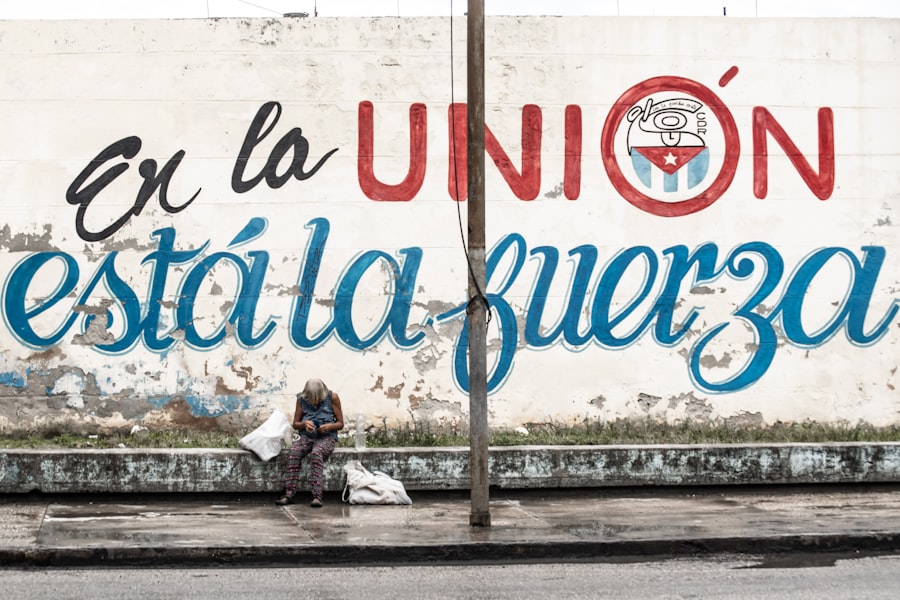
The pervasive nature of government influence and propaganda can have profound and lasting effects on how citizens perceive their government, their society, and the world.
Shaping Perceptions and Beliefs
Propaganda acts as a powerful sculptor of public opinion, molding perceptions and shaping the very beliefs that underpin societal consensus.
Manufacturing Consent and Narrative Control
Governments aim to “manufacture consent” – to create a public that supports policies and actions, even if those policies are not in their best interest. By controlling the narrative, they can frame issues in a way that elicits the desired emotional and intellectual response. This is akin to curating a museum exhibit; only certain artifacts are displayed, and their arrangement dictates the story being told.
Creating Us vs. Them Mentality
Propaganda is adept at fostering an “us versus them” mentality. By demonizing external or internal “enemies,” governments can unite their populations against a common foe, diverting attention from domestic issues and consolidating power. This tribalism can be a potent force in political mobilization.
Erosion of Trust in Independent Sources
When government-controlled media and propaganda saturate the information environment, trust in independent news sources and critical thinking can erode. Citizens may become accustomed to receiving official narratives, making them less likely to question or seek out alternative perspectives.
Psychological and Societal Consequences
The sustained exposure to propaganda can have significant psychological and societal consequences, affecting individual decision-making and collective behavior.
Cognitive Dissonance and Acceptance
Individuals may experience cognitive dissonance when confronted with information that contradicts the prevailing narrative. To alleviate this discomfort, they may unconsciously reject contradictory evidence or seek out information that reinforces their existing beliefs, a phenomenon that propaganda actively exploits.
Political Polarization and Division
Propaganda often exacerbates political polarization by creating deeply entrenched divisions between ideological groups. By demonizing opposing viewpoints and perpetuating stereotypes, it makes compromise and dialogue increasingly difficult, leading to societal fragmentation.
Justification of Authoritarianism and Repression
In more extreme cases, propaganda is used to justify authoritarian rule, human rights abuses, and repression. By portraying dissent as treason and the government as the sole guardian of the nation, propaganda can create an environment where such actions are normalized and accepted by a segment of the population.
The intricate relationship between propaganda and government influence on media has been a subject of extensive analysis, shedding light on how information is shaped to serve political agendas. A related article that delves deeper into this topic can be found at this link, which explores various case studies and historical examples of media manipulation. Understanding these dynamics is crucial for recognizing the impact of state-sponsored narratives on public perception and discourse.
The Role of Media Literacy in Countering Propaganda
| Country | Government Control Level | Press Freedom Index Rank | Percentage of State-Owned Media | Reported Cases of Propaganda (Last Year) | Public Trust in Media (%) |
|---|---|---|---|---|---|
| Country A | High | 150 | 75% | 120 | 35% |
| Country B | Medium | 85 | 40% | 45 | 55% |
| Country C | Low | 20 | 10% | 5 | 80% |
| Country D | High | 160 | 90% | 150 | 30% |
| Country E | Medium | 70 | 35% | 60 | 60% |
In an age of information saturation and sophisticated governmental influence, media literacy emerges as a crucial defense mechanism, empowering individuals to critically engage with the media they consume.
Developing Critical Thinking Skills
Media literacy is not merely about consuming information; it is about the ability to analyze, evaluate, and create media messages.
Identifying Bias and Agendas
A core component of media literacy is the ability to identify bias within media content. This involves recognizing the underlying agendas, motivations, and perspectives that shape the information being presented. It requires asking who produced the message, why, and for whom.
Fact-Checking and Verification
Media-literate individuals are equipped to fact-check claims and verify information from multiple sources. They understand the importance of corroborating information and are wary of relying on single sources, especially those with a clear vested interest.
Understanding the Construction of Media Messages
Media literacy teaches individuals to understand that media messages are constructed. They are not neutral reflections of reality but are created through a process of selection, framing, and editing. Recognizing this construction helps in deconstructing intended meanings and identifying potential manipulation.
Empowering Citizens in the Digital Age
The digital age, with its rapid dissemination of information and the rise of social media, presents both challenges and opportunities for media literacy.
Navigating the Digital Information Ecosystem
The internet offers an unparalleled volume of information, but it also serves as a fertile ground for misinformation and propaganda. Media literacy skills are essential for navigating this complex digital ecosystem, distinguishing credible sources from unreliable ones, and resisting the spread of false narratives.
Recognizing and Resisting Manipulation
By understanding the techniques of propaganda, individuals can become more adept at recognizing when they are being manipulated. This awareness empowers them to resist emotional appeals, challenge simplistic narratives, and seek out a more balanced perspective.
Promoting Responsible Media Consumption and Creation
Ultimately, media literacy aims to foster responsible media consumption and creation. Individuals who are media-literate are more likely to be informed citizens who can engage in constructive discourse and contribute to a healthier media environment. They become active participants rather than passive recipients of information.
The Future of Government Influence and Propaganda
As technology evolves, so too will the methods through which governments attempt to influence public discourse and deploy propaganda. The challenge for citizens and independent media will be to adapt and remain vigilant.
Evolving Technologies and Tactics
The digital landscape is a constantly shifting terrain, and future governmental influence will likely leverage emerging technologies.
Artificial Intelligence and Deepfakes
The rise of artificial intelligence and the proliferation of “deepfake” technology present a significant new challenge. AI can be used to generate highly convincing fake audio and video content, making it increasingly difficult to discern truth from fabrication. This has the potential to revolutionize propaganda, creating seemingly authentic but entirely fabricated narratives.
Algorithmic Manipulation and Echo Chambers
Social media algorithms, designed to maximize engagement, can inadvertently create filter bubbles and echo chambers, reinforcing existing beliefs and limiting exposure to diverse perspectives. Governments can exploit these algorithmic biases to tailor propaganda to specific demographics and further solidify pre-existing divisions.
The Metaverse and Immersive Propaganda
The development of the metaverse and other immersive digital environments opens up new frontiers for propaganda. Imagine experiencing manufactured historical events or political rallies in a virtual space. The immersive nature of such experiences could make them even more persuasive and harder to resist.
The Enduring Importance of Independent Journalism
In the face of these evolving challenges, the role of independent journalism remains paramount as a bulwark against unchecked government influence and propaganda.
Investigative Reporting and Accountability
Independent journalists have the critical role of investigating government actions, holding those in power accountable, and exposing corruption or malfeasance. This watchdog function is essential for a healthy democracy and for informing the public about activities that would otherwise remain hidden.
Diversification of Information Sources
Promoting and supporting a diverse range of media outlets, including local news, non-profit journalism, and international news organizations, is crucial. A plurality of voices ensures that the public has access to a variety of perspectives and helps to prevent any single entity from dominating the information landscape.
Public Support and Media Literacy Initiatives
The continued viability of independent media and the ability of citizens to resist propaganda depend on sustained public support and the widespread implementation of media literacy education. Investing in these areas is an investment in informed citizenry and a robust public sphere. The fight against government influence and propaganda is an ongoing one, requiring constant vigilance, critical engagement, and a commitment to truth.
FAQs
What is propaganda in the context of media?
Propaganda in media refers to the dissemination of information, ideas, or rumors deliberately spread to influence public opinion or promote a particular political cause or point of view. It often involves biased or misleading content designed to shape perceptions and behavior.
How do governments influence media content?
Governments can influence media content through various means such as censorship, ownership or control of media outlets, regulation and licensing, funding or subsidies, and by exerting pressure on journalists and editors. These methods can shape the narrative and limit dissenting viewpoints.
What are common techniques used in propaganda?
Common propaganda techniques include repetition, emotional appeals, selective presentation of facts, demonizing opponents, use of slogans, bandwagon effect, and appealing to patriotism or fear. These techniques aim to manipulate public perception and encourage conformity.
Can propaganda be found in democratic societies?
Yes, propaganda can exist in democratic societies as well. While democratic systems typically support free press and diverse viewpoints, governments and political groups may still use propaganda to influence public opinion, especially during elections, crises, or conflicts.
How can individuals critically evaluate media to identify propaganda?
Individuals can critically evaluate media by checking the credibility of sources, looking for evidence and multiple viewpoints, identifying emotional or biased language, recognizing logical fallacies, and being aware of the context and purpose behind the information presented. Media literacy education also helps in discerning propaganda.