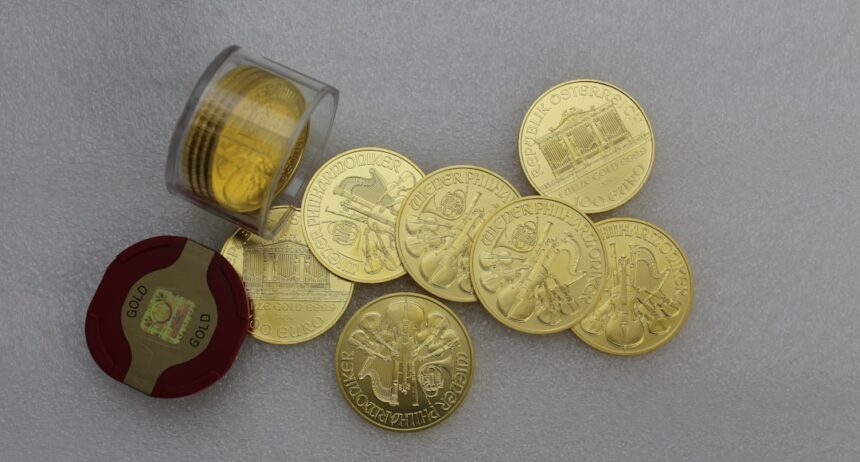
In recent years, Sudan has witnessed a significant surge in gold smuggling, a phenomenon that has become increasingly alarming for both the local and international communities. The country, rich in natural resources, particularly gold, has found itself at the center of a burgeoning black market. This rise can be attributed to a combination of factors, including economic instability, political turmoil, and the allure of quick profits.
As the Sudanese economy grapples with hyperinflation and a lack of foreign investment, many individuals have turned to gold mining and smuggling as a means of survival. The allure of gold, often referred to as a safe haven during times of crisis, has led to an increase in illegal activities surrounding its extraction and trade. The situation has been exacerbated by the lack of effective regulatory frameworks and enforcement mechanisms.
With the government struggling to maintain control over its borders and resources, smugglers have exploited these weaknesses to transport gold out of the country. Reports indicate that vast quantities of gold are being smuggled into neighboring countries and beyond, with Dubai emerging as a primary destination. This illicit trade not only undermines the Sudanese economy but also poses significant challenges for law enforcement agencies attempting to curb these activities.
As the smuggling networks grow more sophisticated, the need for comprehensive strategies to address this issue becomes increasingly urgent.
Key Takeaways
- Gold smuggling from Sudan to Dubai has surged, driven by high demand and weak regulations.
- Dubai serves as a key transit hub, facilitating the flow of illicit gold through complex smuggling networks.
- Corruption and middlemen play significant roles in enabling and sustaining gold smuggling operations.
- Illegal gold mining linked to smuggling causes severe environmental damage and social disruption in Sudan.
- Authorities are increasing efforts to combat smuggling, but legal and ethical challenges persist.
The Role of Dubai as a Major Hub for Gold Smuggling
Dubai has established itself as a global trading hub, particularly in the gold market, making it an attractive destination for smugglers operating out of Sudan. The city’s strategic location, coupled with its well-developed infrastructure and minimal regulatory oversight, has created an environment conducive to illicit trade. Gold from Sudan often finds its way into Dubai’s bustling markets, where it is laundered and sold without much scrutiny.
The ease with which gold can be traded in Dubai has made it a focal point for smugglers looking to capitalize on the high demand for precious metals. Moreover, Dubai’s reputation as a luxury destination further fuels the demand for gold. Wealthy individuals and investors flock to the city, seeking to purchase gold for both personal use and investment purposes.
This insatiable appetite for gold creates a lucrative market for smugglers who can provide it at competitive prices. The lack of stringent regulations surrounding the importation of gold into Dubai allows smugglers to operate with relative impunity, making it a key player in the global gold smuggling network. As long as this demand persists, the flow of smuggled gold from Sudan to Dubai is likely to continue unabated.
The Methods Used for Smuggling Gold from Sudan to Dubai

Smugglers have developed a variety of methods to transport gold from Sudan to Dubai, each more ingenious than the last. One common technique involves concealing gold within legitimate shipments of goods. Smugglers often hide small quantities of gold within containers filled with other products, such as textiles or agricultural goods, making it difficult for authorities to detect.
This method allows them to bypass customs checks while minimizing the risk of interception. Another prevalent method is the use of couriers who carry gold on their person or in their luggage when traveling between Sudan and Dubai. These individuals often take advantage of lax security measures at airports and border crossings, allowing them to transport significant amounts of gold without raising suspicion.
Additionally, some smugglers have resorted to using small aircraft or drones to transport gold directly across borders, further complicating efforts by authorities to track these illicit activities. As technology continues to evolve, so too do the methods employed by smugglers, making it increasingly challenging for law enforcement agencies to keep pace.
The Impact of Gold Smuggling on Sudan’s Economy
| Metric | Value | Impact on Sudan’s Economy |
|---|---|---|
| Annual Gold Production (Metric Tons) | 100 | Significant source of national revenue |
| Estimated Gold Smuggled Annually (Metric Tons) | 30-40 | Loss of government revenue and foreign exchange |
| Percentage of Gold Smuggled | 30-40% | Reduces official export figures and tax income |
| Revenue Lost Due to Smuggling (Approximate) | 1.5 Billion | Limits funding for public services and infrastructure |
| Impact on Currency Stability | Negative | Depletes foreign currency reserves, causing inflation |
| Employment in Formal Gold Sector | 50,000 | Reduced due to informal smuggling activities |
| Government Measures Taken | Increased border controls, licensing reforms | Partial reduction in smuggling, ongoing challenges |
The ramifications of gold smuggling on Sudan’s economy are profound and far-reaching. As vast quantities of gold are siphoned off through illegal channels, the government loses out on significant revenue that could otherwise be used for public services and infrastructure development. This loss is particularly detrimental in a country already grappling with economic challenges, including high unemployment rates and widespread poverty.
The smuggling activities not only deprive the state of tax revenues but also undermine legitimate businesses that operate within the legal framework. Furthermore, the rise of gold smuggling has contributed to a cycle of instability within Sudan. As individuals turn to illegal mining and smuggling as a means of survival, they often become embroiled in violent conflicts over resources and territory.
This not only exacerbates existing tensions but also creates an environment where lawlessness prevails. The long-term consequences of this trend could be dire, as continued economic decline may lead to further social unrest and political instability.
The Role of Corruption in Facilitating Gold Smuggling
Corruption plays a pivotal role in facilitating gold smuggling in Sudan. Many officials tasked with enforcing laws and regulations are often complicit in these illicit activities, either turning a blind eye or actively participating in the smuggling operations themselves. This corruption undermines efforts to combat smuggling and creates an environment where illegal activities can flourish unchecked.
Bribery and collusion between smugglers and corrupt officials have become commonplace, further entrenching the problem within Sudan’s political landscape. The pervasive nature of corruption not only hampers law enforcement efforts but also erodes public trust in government institutions. When citizens perceive that their leaders are engaged in corrupt practices, they are less likely to support legitimate economic initiatives or cooperate with authorities in combating smuggling.
This creates a vicious cycle where corruption begets more corruption, making it increasingly difficult for Sudan to address its economic challenges effectively.
The Legal and Ethical Implications of Gold Smuggling

The legal implications of gold smuggling are significant, both for Sudan and for countries like Dubai that serve as transit points for illicit trade. Smuggling contravenes international laws and regulations governing trade and commerce, leading to potential sanctions and diplomatic repercussions for nations involved in these activities. Additionally, the lack of transparency surrounding the origins of smuggled gold raises ethical concerns regarding human rights abuses and environmental degradation associated with illegal mining practices.
From an ethical standpoint, gold smuggling raises questions about the responsibility of consumers and businesses in ensuring that their purchases do not contribute to human suffering or environmental harm. As awareness grows regarding the origins of precious metals, there is increasing pressure on companies to adopt responsible sourcing practices that prioritize ethical considerations over profit margins. This shift in consumer behavior could play a crucial role in curbing the demand for smuggled gold and promoting more sustainable practices within the industry.
The Efforts of Authorities to Combat Gold Smuggling
In response to the growing threat posed by gold smuggling, authorities in Sudan have begun implementing measures aimed at curbing these illicit activities. Law enforcement agencies have increased surveillance at border crossings and airports, employing advanced technology to detect smuggled goods more effectively. Additionally, there have been calls for greater collaboration between regional governments to address cross-border smuggling networks that operate with relative ease.
Despite these efforts, challenges remain formidable. Corruption within law enforcement agencies often undermines initiatives aimed at combating smuggling, as officials may be reluctant to take action against their own colleagues or may be bribed by smugglers to overlook illegal activities. Furthermore, limited resources and training hinder the effectiveness of enforcement efforts, making it difficult for authorities to keep pace with evolving smuggling tactics.
A comprehensive approach that addresses both enforcement and systemic corruption is essential for any meaningful progress in combating gold smuggling.
The Connection Between Gold Smuggling and Illegal Mining in Sudan
Gold smuggling is intricately linked to illegal mining operations throughout Sudan. As individuals seek alternative means of income amid economic hardship, many have turned to unregulated mining activities that often operate outside the purview of government oversight. These illegal mines frequently lack safety measures and environmental protections, leading to hazardous working conditions for miners and significant ecological damage.
Miners often sell their findings directly to smugglers who then transport the gold out of the country for profit. This relationship perpetuates a cycle where illegal mining fuels smuggling activities while simultaneously contributing to broader issues such as environmental degradation and social unrest within local communities.
The Role of Middlemen in Facilitating Gold Smuggling
Middlemen play a crucial role in facilitating gold smuggling operations between Sudan and Dubai. These intermediaries act as brokers who connect miners with smugglers or buyers in foreign markets, often taking a cut of the profits in exchange for their services. Their involvement adds another layer of complexity to the smuggling network, as they navigate relationships with both miners seeking quick sales and buyers looking for cheaper sources of gold.
The presence of middlemen can exacerbate existing issues within the gold supply chain by creating additional opportunities for exploitation and corruption. Miners may receive significantly lower prices for their gold due to the middlemen’s markup, while smugglers benefit from their ability to source gold quickly without engaging directly with miners themselves. This dynamic perpetuates inequalities within the industry while complicating efforts by authorities to trace the origins of smuggled gold.
The Environmental and Social Impact of Illegal Gold Mining in Sudan
Illegal gold mining has far-reaching environmental consequences that extend beyond mere economic implications. The unregulated extraction processes employed by illegal miners often result in severe ecological damage, including deforestation, soil erosion, and water contamination from toxic chemicals used during mining operations. These environmental impacts not only threaten local ecosystems but also jeopardize the livelihoods of communities that depend on natural resources for their survival.
Socially, illegal mining can lead to increased violence and conflict over resources as different groups vie for control over lucrative mining sites. The influx of individuals seeking work in these areas can strain local infrastructure and services, exacerbating existing tensions within communities already grappling with poverty and instability. As illegal mining continues unchecked, its detrimental effects on both the environment and society will likely persist, further complicating efforts toward sustainable development in Sudan.
The Future of Gold Smuggling and its Impact on Sudan and Dubai
The future of gold smuggling remains uncertain but is likely to evolve alongside changing economic conditions and regulatory landscapes in both Sudan and Dubai. As long as demand for gold persists—driven by global markets—smugglers will continue seeking innovative ways to circumvent laws and regulations governing trade. However, increased awareness regarding ethical sourcing practices may lead consumers and businesses alike to demand greater transparency within supply chains.
For Sudan, addressing the root causes of gold smuggling will require comprehensive reforms aimed at stabilizing its economy while promoting responsible mining practices that prioritize environmental sustainability and social equity. In Dubai, authorities may need to implement stricter regulations surrounding gold imports while enhancing cooperation with international partners to combat illicit trade effectively. Ultimately, tackling the issue of gold smuggling will necessitate a multifaceted approach that addresses not only enforcement but also systemic corruption, economic instability, and social inequalities within affected communities.
Only through concerted efforts can both Sudan and Dubai hope to mitigate the impacts of this pervasive issue while fostering a more sustainable future for their respective economies.
Recent reports have highlighted the alarming trend of gold smuggling from Sudan to Dubai, raising concerns about the implications for both countries’ economies and security. For a deeper understanding of the complexities surrounding this issue, you can read more in the article available on In The War Room. This article delves into the networks involved in the smuggling operations and the impact on global gold markets.
WATCH THIS! The Secret War for Africa’s Gold: How Private Armies Fund Global Conflict
FAQs
What is gold smuggling from Sudan to Dubai?
Gold smuggling from Sudan to Dubai refers to the illegal transportation and trade of gold between Sudan and the United Arab Emirates, bypassing official customs and regulatory controls.
Why is gold smuggling from Sudan to Dubai a concern?
Gold smuggling is a concern because it undermines legal trade, results in loss of government revenue through unpaid taxes and duties, and may be linked to funding illegal activities or conflict.
How is gold typically smuggled from Sudan to Dubai?
Gold is often smuggled through covert means such as hidden compartments in vehicles, false documentation, or by using informal trade routes that avoid official checkpoints.
What are the main reasons for gold smuggling between Sudan and Dubai?
Key reasons include high demand for gold in Dubai’s markets, price differentials, weak regulatory enforcement in some areas, and the desire to evade taxes or sanctions.
What measures are being taken to combat gold smuggling from Sudan to Dubai?
Authorities in both countries have increased customs inspections, enhanced cooperation and intelligence sharing, implemented stricter regulations, and conducted crackdowns on illegal gold trade networks.
How does gold smuggling impact Sudan’s economy?
Gold smuggling deprives Sudan of significant revenue, disrupts the formal mining sector, and can contribute to economic instability by fostering illegal markets.
Is gold smuggling from Sudan to Dubai linked to any international sanctions?
Yes, some gold smuggling activities may be attempts to circumvent international sanctions imposed on Sudan, particularly those related to conflict financing or political restrictions.
What role does Dubai play in the global gold trade?
Dubai is a major global hub for gold trading and refining, attracting gold from various sources worldwide, including both legal and illicit supplies.
Can individuals legally export gold from Sudan to Dubai?
Yes, individuals and companies can legally export gold if they comply with Sudanese export regulations, obtain necessary permits, and declare the gold through official channels.
What are the risks for those involved in gold smuggling?
Risks include legal penalties such as fines and imprisonment, confiscation of goods, damage to reputation, and potential involvement in criminal investigations.