Iceworms, scientifically known as Mesenchytraeus solifugus, are fascinating creatures that inhabit the cold, icy environments of glaciers. These small, segmented worms thrive in the frigid temperatures of glacial ice, where they play a crucial role in the ecosystem. Found primarily in the Pacific Northwest of North America, iceworms are unique in their ability to survive and even flourish in conditions that would be inhospitable to most other forms of life.
Their presence is a testament to the resilience of life in extreme environments, and they serve as an indicator of the health of glacier ecosystems. Glaciers themselves are massive bodies of ice that form over centuries from accumulated snow. They are vital components of the Earth’s climate system, acting as freshwater reservoirs and influencing sea levels.
Glaciers are not just frozen landscapes; they are dynamic systems that support a variety of life forms, including iceworms. The intricate relationship between iceworms and glaciers highlights the delicate balance of these ecosystems, which are increasingly threatened by climate change and human activities. Understanding this relationship is essential for grasping the broader implications of glacier decline and the potential extinction of iceworms.
Key Takeaways
- Iceworms are unique creatures that inhabit glaciers and play a crucial role in glacier ecosystems.
- Iceworms contribute to nutrient cycling and provide a food source for other organisms in glacier ecosystems.
- Glaciers are rapidly declining due to climate change, leading to devastating impacts on iceworm habitats.
- Factors such as temperature rise, ice melt, and human activities are contributing to the decline of iceworm populations.
- Climate change is causing significant habitat loss for iceworms, threatening their survival and the stability of glacier ecosystems.
The Role of Iceworms in Glacier Ecosystems
Iceworms play a pivotal role in the ecosystems of glaciers, contributing to nutrient cycling and serving as a food source for various predators. As they feed on algae and organic matter trapped within the ice, they help break down these materials, facilitating nutrient release into the glacial environment. This process is crucial for maintaining the delicate balance of life within these icy realms.
The presence of iceworms can enhance microbial activity, which in turn supports other organisms that rely on these nutrients for survival. Moreover, iceworms are an integral part of the food web within glacier ecosystems. They serve as prey for birds and other wildlife that inhabit or migrate through these regions.
The loss of iceworms could have cascading effects on the entire ecosystem, disrupting food chains and leading to declines in predator populations. Their unique adaptations to cold environments make them a key species for understanding how life can persist in extreme conditions, and their decline could signal broader ecological changes within glacier habitats.
Understanding the Devastation of Glaciers
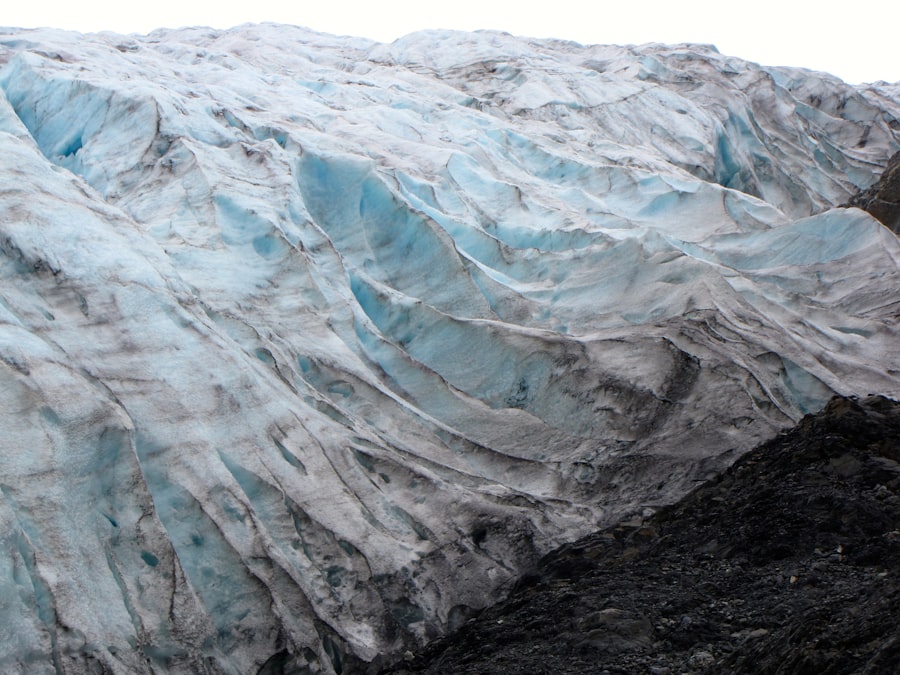
The devastation of glaciers is a pressing concern that has garnered significant attention in recent years. Glaciers around the world are retreating at alarming rates due to rising global temperatures, leading to a host of environmental consequences. This retreat not only affects the physical landscape but also has profound implications for freshwater availability, sea-level rise, and biodiversity.
As glaciers shrink, they lose their ability to store water, which can lead to water shortages for communities that rely on glacial meltwater for drinking and irrigation. The impact of glacier loss extends beyond immediate water supply issues; it also affects local ecosystems and wildlife. As glaciers recede, habitats that depend on cold environments are altered or destroyed, leading to shifts in species distributions and potential extinctions.
The interconnectedness of glacier ecosystems means that the loss of one component can have far-reaching effects on others, making it imperative to understand the full scope of glacier devastation.
Factors Contributing to the Decline of Iceworms
| Factors | Contributions |
|---|---|
| Climate Change | Rising temperatures leading to habitat loss |
| Glacier Retreat | Reduction in ice and snow cover impacting iceworms’ environment |
| Pollution | Contamination of ice and snow affecting iceworms’ survival |
| Human Activities | Disturbance of iceworm habitats through tourism and development |
Several factors contribute to the decline of iceworms, with climate change being the most significant. As global temperatures rise, the habitats that iceworms depend on are becoming increasingly inhospitable. Warmer temperatures can lead to melting glaciers, which not only reduce the available habitat for iceworms but also alter the microclimates within these environments.
This change can disrupt their feeding patterns and reproductive cycles, ultimately threatening their survival. In addition to climate change, pollution poses another significant threat to iceworm populations. Contaminants such as heavy metals and microplastics can accumulate in glacial environments, impacting the health of iceworms and other organisms that inhabit these areas.
As human activities continue to encroach upon pristine glacial regions, the introduction of pollutants can further exacerbate the challenges faced by iceworms, pushing them closer to extinction.
Impact of Climate Change on Iceworm Habitats
Climate change has far-reaching effects on iceworm habitats, primarily through rising temperatures and altered precipitation patterns. As glaciers melt at an accelerated pace, the physical structure of these habitats changes dramatically. Iceworms rely on specific temperature ranges to thrive; even slight increases can lead to stress and mortality.
The melting ice not only reduces their living space but also affects the availability of food sources such as algae. Moreover, climate change can lead to increased glacial runoff during warmer months, which may initially seem beneficial but can disrupt the delicate balance of nutrients within glacial ecosystems. The sudden influx of freshwater can dilute essential nutrients, impacting microbial communities that iceworms depend on for sustenance.
As these changes unfold, iceworms face an uncertain future in a rapidly warming world.
Human Activities and Glacier Destruction
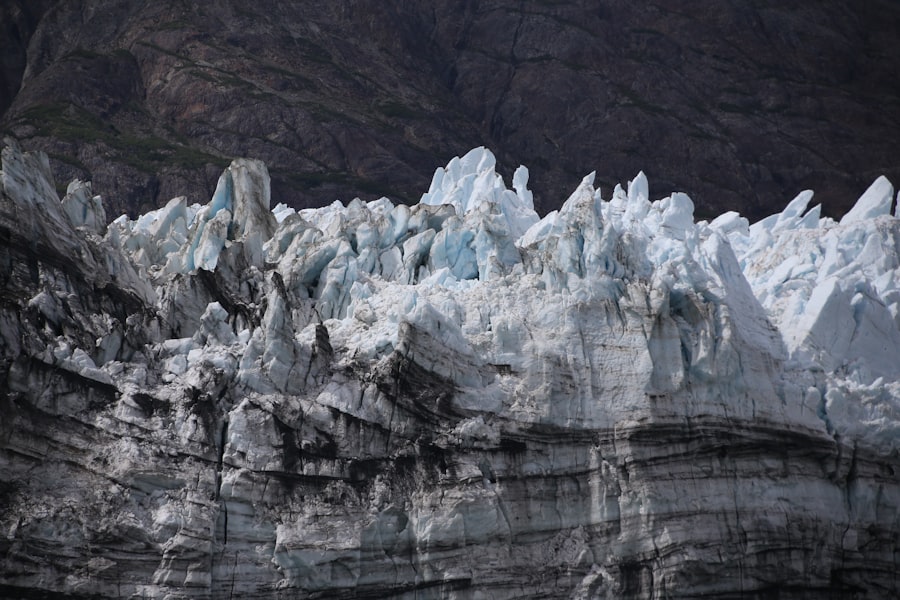
Human activities have played a significant role in accelerating glacier destruction across the globe. Industrialization, urbanization, and deforestation contribute to climate change by increasing greenhouse gas emissions, which in turn drive global warming. Additionally, activities such as mining and tourism can directly impact glacial environments by disturbing delicate ecosystems and introducing pollutants.
The construction of infrastructure in glacial regions often leads to habitat fragmentation and degradation. Roads and buildings can disrupt migration patterns for wildlife and alter local hydrology, further stressing already vulnerable ecosystems. As human populations continue to grow and expand into previously untouched areas, the pressure on glaciers and their associated ecosystems intensifies, making it crucial to address these impacts through sustainable practices.
Consequences of Iceworm Extinction
The extinction of iceworms would have profound consequences for glacier ecosystems and beyond. As a keystone species within these environments, their loss would disrupt nutrient cycling and food webs, leading to declines in other species that rely on them for sustenance. This could result in a cascade of extinctions that would fundamentally alter the structure and function of glacial ecosystems.
Furthermore, the extinction of iceworms could serve as an indicator of broader environmental changes resulting from climate change. Their decline may signal shifts in ecosystem health that could affect human communities reliant on glacial resources. The loss of biodiversity associated with iceworm extinction could undermine ecosystem resilience, making it more difficult for these systems to adapt to ongoing environmental changes.
Efforts to Save Iceworms and Glacier Ecosystems
Efforts to save iceworms and their glacier ecosystems are gaining momentum as awareness of their plight increases. Conservation initiatives focus on protecting glacial habitats from human encroachment and pollution while promoting sustainable practices that mitigate climate change impacts. Research programs aimed at understanding iceworm biology and ecology are essential for developing effective conservation strategies.
Public education campaigns also play a vital role in raising awareness about the importance of glaciers and their inhabitants. By fostering a greater understanding of the interconnectedness between human activities and glacier health, these initiatives aim to inspire action at both individual and community levels.
The Importance of Preserving Glaciers and Iceworms
Preserving glaciers and iceworms is not just about protecting individual species; it is about safeguarding entire ecosystems that provide essential services to humanity. Glaciers act as natural water reservoirs, supplying freshwater to millions of people around the world. They also play a critical role in regulating global climate patterns by reflecting sunlight back into space.
The preservation of iceworms is equally important as they contribute to the overall health of glacial ecosystems. By maintaining biodiversity within these environments, we enhance ecosystem resilience against climate change impacts. Protecting glaciers and their inhabitants is an investment in our planet’s future—one that ensures clean water availability, supports biodiversity, and helps mitigate climate change effects.
Future Outlook for Glacier Ecosystems
The future outlook for glacier ecosystems remains uncertain as climate change continues to pose significant challenges. While some regions may experience temporary stability due to localized climatic conditions, the overall trend indicates continued glacier retreat worldwide. This decline will likely lead to further habitat loss for iceworms and other species dependent on cold environments.
However, there is hope for mitigating some impacts through concerted global efforts aimed at reducing greenhouse gas emissions and promoting sustainable practices. Advances in technology and increased awareness about environmental issues may pave the way for innovative solutions that protect both glaciers and their inhabitants. The future health of glacier ecosystems will depend on humanity’s ability to adapt its behaviors and policies in response to ongoing environmental changes.
The Urgency of Addressing Glacier Devastation and Iceworm Extinction
The urgency of addressing glacier devastation and iceworm extinction cannot be overstated. As climate change accelerates the decline of these vital ecosystems, immediate action is required to protect both glaciers and their unique inhabitants. The interconnectedness between human activities and environmental health underscores the need for collective responsibility in safeguarding our planet’s natural resources.
By prioritizing conservation efforts and fostering sustainable practices, society can work towards preserving glaciers and iceworms for future generations. The survival of these remarkable creatures is not just about maintaining biodiversity; it is about ensuring a stable climate system that supports life on Earth as we know it. The time to act is now—before it is too late for both glaciers and the irreplaceable life forms they harbor.
The recent phenomenon of glaciers retreating has had a significant impact on various ecosystems, including the habitat of iceworms. As glaciers melt, the delicate balance of these environments is disrupted, leading to the decline of iceworm populations. For a deeper understanding of the implications of climate change on glacial ecosystems, you can read more in this related article on the topic at In the War Room.
WATCH THIS! Inside Iceworm: America’s Secret Nuclear City Built Under Greenland
FAQs
What is an iceworm?
An iceworm is a type of worm that lives in glaciers and ice fields. They are typically found in the Pacific Northwest region of North America.
How did the glacier destroy the iceworm?
The glacier destroyed the iceworm habitat by advancing and crushing the ice where the iceworms lived. This caused the iceworm population to decline significantly.
What impact did the destruction of iceworms have on the ecosystem?
The destruction of iceworms had a significant impact on the ecosystem as they play a crucial role in the glacier ecosystem. They help in nutrient cycling and are a food source for other organisms in the glacier environment.
Is the destruction of iceworms a common occurrence?
The destruction of iceworms due to glacier movement is a natural occurrence and has been observed in various glacier environments. However, the extent of the destruction and its impact on the ecosystem can vary.