The Cuban Missile Crisis of October 1962 represents one of the most perilous confrontations of the Cold War era. During this 13-day standoff, the United States and Soviet Union came dangerously close to nuclear conflict after American reconnaissance discovered Soviet ballistic missiles in Cuba, just 90 miles from U.S. territory. This crisis marked a critical juncture in Cold War relations and fundamentally altered the strategic calculations of both superpowers. The confrontation significantly reshaped international relations in the nuclear age. President Kennedy’s administration implemented a naval quarantine of Cuba while pursuing diplomatic channels to resolve the crisis. Meanwhile, Soviet Premier Khrushchev faced the difficult challenge of maintaining Soviet strategic interests and prestige without triggering a catastrophic military conflict. The eventual resolution—Soviet withdrawal of missiles from Cuba in exchange for American pledges not to invade the island and the confidential removal of U.S. Jupiter missiles from Turkey—established important precedents for crisis management between nuclear powers. This resolution created a more stable, though still tense, framework for U.S.-Soviet relations and led to improved communication mechanisms, including the establishment of the Moscow-Washington hotline to prevent future misunderstandings from escalating to nuclear confrontation.
Key Takeaways
- The Cuban Missile Crisis marked a critical escalation in Cold War hostilities between the US and the Soviet Union.
- Soviet military deployment in Cuba was a strategic effort to counterbalance US influence in the Western Hemisphere.
- Cold War tensions deeply affected Cuban society, shaping its culture, politics, and daily life.
- The legacy of Cold War conflicts continues to influence Cuban-American relations and political dynamics today.
- Economic hardships and environmental damage in Cuba were significant consequences of prolonged Cold War pressures.
Soviet Military Presence in Cuba: A Strategic Move in the Cold War
The establishment of a Soviet military presence in Cuba was not merely an act of aggression; it was a calculated strategic maneuver aimed at countering U.S. influence in Latin America. You might consider how this move was emblematic of the broader ideological struggle between communism and capitalism.
By placing nuclear missiles in Cuba, the Soviet Union sought to project its power and deter U.S. intervention in regions it considered vital to its interests. This military presence was also a response to the failed Bay of Pigs invasion in 1961, which had demonstrated the lengths to which the U.S.
would go to undermine communist regimes. As you explore this topic further, you may recognize that the Soviet military presence in Cuba had profound implications for regional security and international relations. It not only escalated tensions between the superpowers but also galvanized anti-American sentiment across Latin America.
The Cuban government, under Fidel Castro, leveraged this support to solidify its position domestically and internationally, portraying itself as a bulwark against imperialism.
The Impact of Cold War Tensions on Cuban Society and Culture
The Cold War had a profound impact on Cuban society and culture, shaping everything from art and literature to education and public life. You may find it intriguing how the ideological battle between communism and capitalism influenced cultural expression on the island. Artists and writers were often caught in a tug-of-war between state censorship and their desire for creative freedom.
The government promoted revolutionary themes in art, encouraging works that celebrated socialism while suppressing dissenting voices that challenged the regime’s narrative. Moreover, as you examine the cultural landscape of Cuba during this period, you might notice how everyday life was affected by Cold War tensions. The government implemented extensive propaganda campaigns aimed at fostering national pride and solidarity against perceived external threats.
Schools became instruments of ideological indoctrination, teaching children about the virtues of socialism while instilling a sense of vigilance against American imperialism. This pervasive atmosphere of suspicion and loyalty shaped not only individual identities but also collective memory, as Cubans navigated their roles within a society defined by conflict.
Cuban Experiences of Living in the Shadow of the Cold War
Living in Cuba during the Cold War meant navigating a complex reality marked by both fear and resilience. You may find it compelling to consider how ordinary Cubans experienced this tumultuous period. The constant threat of U.S. intervention loomed large over daily life, influencing everything from government policies to personal relationships. Many citizens were encouraged to participate in civil defense drills, preparing for potential attacks while fostering a sense of unity against external threats. At the same time, you might reflect on how this environment fostered a unique sense of community among Cubans. The shared experience of living under constant surveillance and political repression created bonds that transcended individual differences.
This solidarity became a defining characteristic of Cuban society during the Cold War, as people found ways to resist oppression while maintaining their cultural identity.
The Legacy of Cold War Tensions on Cuban-American Relations
| Metric | Details |
|---|---|
| Number of Soviet Warheads in Cuba | Approximately 90 nuclear warheads |
| Type of Warheads | Medium-range ballistic missiles (MRBMs) and intermediate-range ballistic missiles (IRBMs) |
| Deployment Year | 1962 |
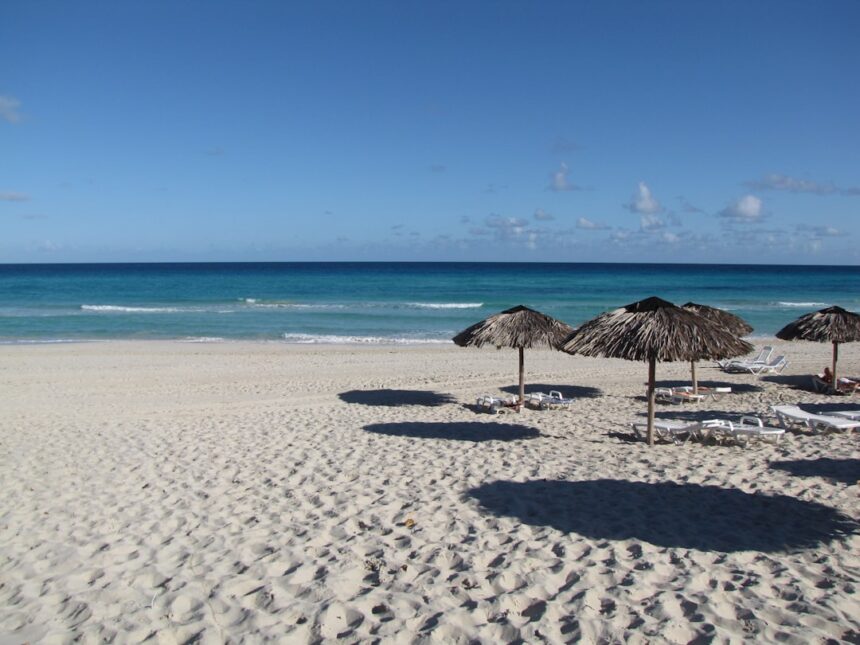
| Location of Deployment | Cuban beaches and missile sites |
| Range of Missiles | Up to 2,200 miles (3,540 km) |
| Significance | Triggered the Cuban Missile Crisis, a major Cold War confrontation |
| Duration of Deployment | Approximately 6 months (October 1962 – June 1963) |
| Outcome | Removal of Soviet missiles from Cuba in exchange for US missile withdrawal from Turkey |
The legacy of Cold War tensions continues to shape Cuban-American relations today, creating a complex interplay of history, politics, and emotion. You may be aware that the animosity between the two nations has deep roots in events like the Cuban Revolution and subsequent U.S. interventions. The embargo imposed by the United States in 1960 remains one of the most significant points of contention, affecting not only diplomatic relations but also economic opportunities for both countries. As you explore this topic further, you might consider how recent developments have attempted to bridge this divide. Efforts toward normalization during the Obama administration signaled a willingness to engage with Cuba on various fronts, from trade to cultural exchange. However, these initiatives faced significant pushback from hardliners on both sides who viewed any rapprochement as a betrayal of their respective ideologies. The ongoing debate over how best to approach Cuba reflects broader questions about identity, sovereignty, and historical memory that continue to resonate in contemporary discussions.
The Economic Fallout of Cold War Tensions on Cuba
The economic consequences of Cold War tensions have been profound and far-reaching for Cuba. You may find it striking how the U.S. embargo severely limited Cuba’s access to essential goods and services, crippling its economy for decades.
This isolation forced the Cuban government to seek alternative trading partners, primarily within the Soviet bloc, which provided some relief but also created dependency on external support that proved unsustainable after the collapse of the USSR. As you delve deeper into this issue, you might recognize that the economic fallout extended beyond mere trade restrictions. The embargo stifled innovation and entrepreneurship within Cuba, leading to widespread shortages and inefficiencies in various sectors.
While some Cubans adapted by developing informal markets or engaging in remittances from family abroad, these coping mechanisms often highlighted stark inequalities within society. The long-term effects of these economic challenges continue to shape Cuba’s development trajectory today.
Environmental Consequences of Cold War Tensions in Cuba
The environmental consequences of Cold War tensions in Cuba are often overlooked but are nonetheless significant. You may be surprised to learn that military activities during this period had lasting impacts on Cuba’s natural landscape. The establishment of military bases and missile sites led to deforestation and habitat destruction as land was repurposed for strategic purposes.
Additionally, chemical runoff from military operations posed risks to local ecosystems and public health. As you consider these environmental issues further, you might reflect on how they intersect with broader themes of sustainability and resilience within Cuban society. Despite facing numerous challenges, Cubans have demonstrated remarkable adaptability in preserving their natural resources and promoting sustainable practices.
Community-led initiatives aimed at reforestation and conservation efforts highlight a growing awareness of environmental stewardship that transcends political boundaries.
The Role of Cuba in Cold War Proxy Conflicts
Cuba’s involvement in Cold War proxy conflicts is another critical aspect of its historical narrative that deserves attention. You may find it fascinating how Fidel Castro’s government actively supported revolutionary movements across Latin America and Africa as part of its commitment to spreading socialism. This engagement not only positioned Cuba as a key player in global geopolitics but also underscored its determination to challenge U.S.
hegemony. As you explore this topic further, you might consider how these interventions shaped perceptions of Cuba both domestically and internationally. While some viewed Castro as a champion of anti-imperialism, others criticized his government’s authoritarian tendencies and human rights abuses.
This duality reflects the complexities inherent in revolutionary movements and highlights how ideology can both unite and divide societies.
Cold War Tensions and the Cuban Revolution
The Cuban Revolution itself was deeply intertwined with Cold War tensions, as you may recognize when examining its origins and outcomes. The overthrow of dictator Fulgencio Batista in 1959 was not merely a nationalistic uprising; it was also a response to U.S.-backed oppression that had fueled resentment among ordinary Cubans. As Fidel Castro rose to power, he positioned himself as a leader who would defy American imperialism while promoting social justice through socialist reforms.
As you delve deeper into this historical context, you might find it compelling how the revolution’s success inspired similar movements across Latin America and beyond. However, it also drew fierce opposition from the United States, which viewed Castro’s regime as a direct threat to its interests in the region. This antagonism set the stage for decades of conflict characterized by espionage, propaganda campaigns, and military interventions that would shape both nations’ trajectories.
The Enduring Influence of Cold War Tensions on Cuban Politics
The enduring influence of Cold War tensions on Cuban politics is evident even today as you observe how historical legacies continue to shape governance on the island. The one-party system established by Castro remains firmly entrenched, with dissent suppressed under the guise of national security. You may find it interesting how this political structure has evolved over time while still reflecting core principles rooted in revolutionary ideology.
Moreover, as you analyze contemporary political dynamics in Cuba, you might recognize that generational shifts are beginning to challenge traditional narratives. Younger Cubans who did not experience the revolution firsthand are increasingly questioning state authority and advocating for greater freedoms. This generational divide highlights ongoing tensions between maintaining revolutionary ideals and adapting to changing social realities within an increasingly interconnected world.
Reconciling the Legacy of Cold War Tensions in Contemporary Cuba
Reconciling the legacy of Cold War tensions presents both challenges and opportunities for contemporary Cuba as it navigates its path forward. You may find it compelling how discussions around normalization with the United States have reignited debates about national identity and sovereignty among Cubans at home and abroad. As economic reforms take root alongside calls for greater political openness, questions about what it means to be Cuban in today’s world are more relevant than ever.
As you reflect on these complexities, you might consider how reconciliation efforts could pave the way for healing historical wounds while fostering collaboration between nations once divided by ideology. Engaging with shared histories can create avenues for dialogue that transcend political differences, allowing both Cubans and Americans to envision a future built on mutual respect rather than animosity. Ultimately, navigating this legacy requires acknowledging past grievances while embracing opportunities for growth and understanding in an ever-evolving global landscape.
The presence of Soviet warheads in Cuba during the Cold War significantly heightened tensions between the United States and the Soviet Union, leading to a critical standoff that nearly escalated into nuclear conflict. For a deeper understanding of the geopolitical implications and the historical context surrounding this event, you can read more in the article available at this link.
WATCH THIS 🎬 The 12-Hour Fuse: How One Man’s Vote Stopped Nuclear War
FAQs
What were Soviet warheads doing in Cuba?
During the Cuban Missile Crisis in 1962, the Soviet Union deployed nuclear warheads and ballistic missiles in Cuba as a strategic deterrent against the United States. This was part of a secret military buildup aimed at countering U.S. missiles stationed in Turkey and Italy.
Where in Cuba were the Soviet warheads located?
The Soviet warheads and missile sites were primarily located in various secret installations across Cuba, including areas near beaches and remote regions to conceal their presence. These sites were heavily guarded and camouflaged to avoid detection by U.S. reconnaissance.
Why were Soviet warheads placed near Cuban beaches?
Placing warheads near beaches allowed for easier transportation and deployment via Soviet ships arriving from the Atlantic. Coastal areas provided strategic access points for unloading military equipment and establishing missile bases quickly.
What was the international response to the discovery of Soviet warheads in Cuba?
The discovery of Soviet nuclear missiles in Cuba led to the Cuban Missile Crisis, a 13-day confrontation between the United States and the Soviet Union. The U.S. imposed a naval blockade around Cuba and demanded the removal of the missiles, leading to intense negotiations that ultimately resulted in the Soviet withdrawal of the warheads.
Were any Soviet warheads ever used in Cuba?
No Soviet warheads were ever used or launched from Cuba. The crisis was resolved diplomatically, and the missiles were dismantled and removed under U.S. supervision to avoid nuclear conflict.
How did the presence of Soviet warheads in Cuba impact global politics?
The Cuban Missile Crisis was a pivotal moment in the Cold War, highlighting the dangers of nuclear brinkmanship. It led to improved communication channels between the U.S. and the Soviet Union, including the establishment of the Moscow-Washington hotline, and spurred arms control agreements to reduce the risk of nuclear war.
Are there any remnants of Soviet missile sites on Cuban beaches today?
Some former missile sites and related military installations remain as historical sites or ruins in Cuba. However, most have been dismantled or repurposed since the crisis, and Cuba no longer hosts Soviet nuclear weapons.