Cuba, an island nation with a rich history and a unique geopolitical position, has long relied on its militia as a cornerstone of national defense. The Cuban militia, composed of ordinary citizens trained to defend their homeland, plays a crucial role in maintaining the sovereignty and security of the nation. These defense positions are not merely physical structures; they represent the resilience and determination of the Cuban people to protect their way of life.
As you delve into the intricacies of these defense positions, you will discover how they are strategically designed to counter potential threats and ensure the safety of the nation. The concept of militia defense positions in Cuba is deeply rooted in the country’s revolutionary history. Following the triumph of the Cuban Revolution in 1959, the government recognized the need for a robust defense strategy that involved the participation of its citizens.
This led to the establishment of various militia units, which have since evolved into a formidable force capable of responding to a range of security challenges. Understanding these defense positions is essential for grasping the broader context of Cuba’s national security strategy and the role that ordinary citizens play in safeguarding their homeland.
Key Takeaways
- Cuban militia defense positions are crucial for national security and require strategic fortification.
- Understanding threats and utilizing technology enhance the effectiveness of defense positions.
- Training, preparation, and coordination with the Cuban Armed Forces strengthen militia capabilities.
- Community involvement plays a vital role in supporting and maintaining defense fortifications.
- Addressing challenges with innovative solutions is essential for the future resilience of Cuban militia defense positions.
Importance of Fortifying Defense Positions
Fortifying defense positions is paramount for any nation, and Cuba is no exception. The geographical layout of the island, with its extensive coastline and proximity to other nations, necessitates a strong defensive posture. By reinforcing these positions, Cuba can deter potential aggressors and ensure that its sovereignty remains intact.
The importance of these fortifications extends beyond mere physical barriers; they symbolize national pride and collective responsibility among the Cuban people. Moreover, fortifying defense positions enhances the overall readiness of the militia. When you consider the unpredictable nature of global politics, having well-prepared and fortified positions allows for a swift response to any emerging threats.
This readiness not only protects the nation but also instills confidence among citizens, fostering a sense of unity and purpose. In essence, fortification serves as both a practical measure for defense and a rallying point for national identity.
Understanding the Threats to Cuban Security
To effectively fortify defense positions, it is crucial to understand the various threats that challenge Cuban security. Historically, Cuba has faced external pressures from powerful nations, particularly during the Cold War era. The ongoing tensions with the United States and other regional actors continue to shape the security landscape.
As you explore these threats, you will see how they influence military strategy and the need for robust defense mechanisms. In addition to external threats, internal challenges also pose significant risks to national security. Economic instability, social unrest, and natural disasters can undermine the effectiveness of defense positions if not adequately addressed.
By recognizing these multifaceted threats, you can appreciate the complexity involved in fortifying defense positions and the necessity for a comprehensive approach that encompasses both military readiness and societal resilience.
Strategies for Fortifying Defense Positions
Developing effective strategies for fortifying defense positions requires a multifaceted approach that considers both physical infrastructure and community involvement. One key strategy involves assessing existing positions and identifying vulnerabilities that could be exploited by adversaries. This assessment allows for targeted improvements, whether through enhanced construction techniques or better resource allocation.
Another critical aspect of fortification is community engagement. By involving local populations in the fortification process, you not only strengthen physical defenses but also foster a sense of ownership and responsibility among citizens. This grassroots approach ensures that defense positions are not merely top-down initiatives but rather collaborative efforts that reflect the needs and concerns of those who live in proximity to these sites.
Such strategies create a more resilient defense posture that can adapt to changing circumstances.
Role of Cuban Militia in National Defense
| Position Name | Location | Type of Defense | Number of Militia Personnel | Armament | Strategic Importance |
|---|---|---|---|---|---|
| La Cabaña Fortress | Havana | Fortified Bunker | 150 | Small arms, machine guns | High – Protects Havana Harbor |
| Playa Girón Outpost | Bay of Pigs | Trenches and Foxholes | 200 | Rifles, anti-aircraft guns | High – Coastal defense |
| Santiago Hilltop | Santiago de Cuba | Observation Post | 75 | Sniper rifles, radios | Medium – Early warning |
| Matanzas Riverbank | Matanzas | Camouflaged Trenches | 100 | Light mortars, rifles | Medium – River crossing defense |
| Guantanamo Bay Perimeter | Guantanamo | Perimeter Fencing and Watchtowers | 250 | Heavy machine guns, surveillance equipment | High – Border security |
The Cuban militia serves as a vital component of national defense, embodying the spirit of collective action and civic duty. As you consider their role, it becomes clear that these citizen-soldiers are not just participants in military exercises; they are integral to the very fabric of Cuban society. The militia’s presence reinforces the idea that every citizen has a stake in national security, fostering a culture of vigilance and preparedness.
Furthermore, the militia’s role extends beyond traditional combat scenarios. They are often involved in humanitarian efforts during natural disasters or public health crises, showcasing their versatility and commitment to serving their communities.
By understanding the multifaceted role of the militia, you can appreciate how they contribute to both military readiness and societal cohesion.
Training and Preparation for Fortifying Defense Positions
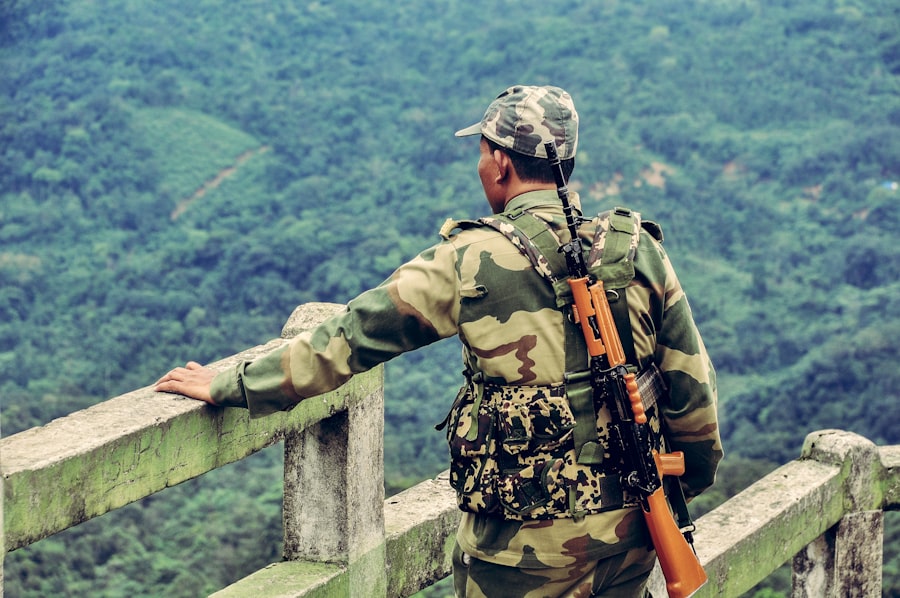
Training is essential for ensuring that militia members are equipped to effectively fortify defense positions. The training regimen encompasses various aspects, including physical fitness, tactical skills, and emergency response protocols. As you explore this training process, you will see how it prepares individuals not only for combat but also for community leadership during crises.
Moreover, preparation involves continuous learning and adaptation to new threats and technologies. Regular drills and simulations help maintain readiness while also fostering camaraderie among militia members. This sense of unity is crucial in building a cohesive force capable of responding swiftly to any challenges that may arise.
By investing in comprehensive training programs, Cuba ensures that its militia remains a formidable defender of national sovereignty.
Utilizing Technology in Defense Position Fortification
In today’s rapidly evolving security landscape, technology plays an increasingly important role in fortifying defense positions. From surveillance systems to advanced communication tools, integrating technology into defense strategies enhances situational awareness and response capabilities. As you examine this integration, you will find that it allows for more effective monitoring of potential threats and facilitates quicker decision-making processes.
Additionally, technology can streamline logistics and resource management within militia units. By utilizing data analytics and modern communication platforms, militia leaders can coordinate efforts more efficiently, ensuring that resources are allocated where they are needed most. This technological integration not only strengthens physical defenses but also modernizes the operational capabilities of the Cuban militia.
Coordination with Cuban Armed Forces
Effective coordination between the militia and the Cuban armed forces is essential for maximizing national defense capabilities. This collaboration ensures that both entities work towards common goals while leveraging their unique strengths. As you explore this relationship, you will see how joint exercises and training programs foster mutual understanding and enhance overall readiness.
Moreover, coordination allows for a more comprehensive approach to security challenges. By sharing intelligence and resources, both the militia and armed forces can respond more effectively to emerging threats. This synergy not only strengthens Cuba’s defensive posture but also reinforces the idea that national security is a collective responsibility shared by all branches of defense.
Community Involvement in Defense Position Fortification
Community involvement is a cornerstone of Cuba’s approach to fortifying defense positions. Engaging local populations in this process fosters a sense of ownership and responsibility towards national security. As you consider this involvement, you will find that it creates a stronger bond between citizens and their militia units, enhancing trust and cooperation.
Furthermore, community engagement can lead to innovative solutions tailored to local needs. By incorporating feedback from residents who live near defense positions, planners can identify specific vulnerabilities and address them effectively. This collaborative approach not only strengthens physical defenses but also cultivates a culture of vigilance where citizens actively participate in safeguarding their communities.
Challenges and Solutions in Fortifying Defense Positions
Despite its many strengths, fortifying defense positions in Cuba is not without challenges. Limited resources can hinder efforts to enhance infrastructure or provide adequate training for militia members. Additionally, external pressures from geopolitical adversaries may complicate strategic planning efforts.
As you explore these challenges, it becomes clear that innovative solutions are necessary to overcome them. One potential solution lies in fostering international partnerships that can provide technical assistance or resources for fortification efforts. By collaborating with friendly nations or organizations, Cuba can access expertise that enhances its defensive capabilities without overextending its own resources.
Additionally, prioritizing community involvement can help mobilize local support and resources, creating a more resilient approach to fortification.
Future Outlook for Cuban Militia Defense Positions
Looking ahead, the future outlook for Cuban militia defense positions appears promising yet complex. As global dynamics continue to shift, Cuba must remain adaptable in its approach to national security. Embracing technological advancements while maintaining strong community ties will be crucial for ensuring effective fortification efforts.
Moreover, as you consider the evolving nature of threats facing Cuba, it becomes evident that ongoing training and preparation will be essential for maintaining readiness among militia members. By fostering a culture of continuous improvement and adaptation, Cuba can ensure that its militia remains a vital force in safeguarding national sovereignty for generations to come. In conclusion, understanding Cuban militia defense positions reveals much about the nation’s commitment to sovereignty and collective responsibility among its citizens.
Through strategic fortification efforts, community involvement, and effective coordination with armed forces, Cuba continues to build a resilient defense posture capable of addressing both current challenges and future uncertainties.
In recent discussions about the strategic importance of Cuban militia defense positions, it is essential to consider the broader context of military preparedness in the region. An insightful article that delves into various aspects of military strategy and defense can be found at this link.
WATCH THIS 🎬 The 12-Hour Fuse: How One Man’s Vote Stopped Nuclear War
FAQs
What are Cuban militia defense positions?
Cuban militia defense positions are strategic locations established by Cuba’s civilian militia forces to protect the country from potential military threats. These positions are typically fortified and designed to support defensive operations.
Who comprises the Cuban militia?
The Cuban militia is primarily made up of civilian volunteers who receive military training to assist the regular armed forces in national defense. They are organized under the Ministry of the Revolutionary Armed Forces (MINFAR).
What is the purpose of these defense positions?
The main purpose of Cuban militia defense positions is to provide a decentralized and resilient defense network that can delay or repel enemy advances, protect key infrastructure, and support regular military units during conflicts.
Where are Cuban militia defense positions typically located?
These positions are often situated in strategic areas such as near borders, around important cities, military installations, and critical infrastructure to maximize their defensive effectiveness.
How are Cuban militia defense positions constructed?
Defense positions are usually constructed using local materials and may include trenches, bunkers, observation posts, and fortified shelters. They are designed to be camouflaged and resistant to artillery and air attacks.
What kind of training do militia members receive for these positions?
Militia members receive training in basic infantry tactics, use of small arms, guerrilla warfare, and defensive fortification techniques to effectively operate and defend these positions.
Are Cuban militia defense positions a recent development?
No, the concept of militia defense positions in Cuba dates back to the early years following the Cuban Revolution, with ongoing updates and maintenance to adapt to changing military needs.
How do Cuban militia defense positions integrate with the regular armed forces?
Militia defense positions are coordinated with the Cuban Revolutionary Armed Forces to ensure unified defense strategies, communication, and support during military operations.
Do Cuban militia defense positions play a role in Cuba’s national security strategy?
Yes, they are a key component of Cuba’s national security strategy, emphasizing popular defense and the mobilization of the population in the event of external aggression.
Are there any international examples similar to Cuban militia defense positions?
Yes, many countries have civilian militia or reserve forces with designated defense positions, such as Switzerland’s militia system or Israel’s Home Front Command, which serve similar purposes in national defense.