The shadow stretched long across the sterile landscape of FBI surveillance operations, its tendrils reaching into the clandestine world of dead drops. This article delves into the intricate dance between intelligence agencies and the hidden methods of communication employed by individuals deemed a threat to national security, specifically focusing on the surveillance of John Walker’s activities. Understanding these operations requires a deep dive into the technical capabilities, strategic planning, and the sheer patience required to intercept the whispers of treason hidden in plain sight.
Before any surveillance can commence, there must be a foundation of suspicion, a spark that ignites the investigative engine. For John Walker, this genesis often stems from a confluence of factors, each a brick laid upon the path towards intense scrutiny. His activities, whether ideological leanings, suspicious associations, or patterns of behavior that deviate from the norm, raise red flags within the intelligence community.
Ideological Affiliations and Radicalization Pathways
The FBI, like many intelligence agencies, maintains a keen eye on individuals whose ideological stances might lead them toward extremist actions. John Walker’s perceived alignment with foreign adversaries or groups hostile to the United States would be a significant factor in initiating interest. This involves careful analysis of his online presence, public statements (if any), and reported conversations or interactions. The intelligence gathered at this stage is not definitive proof of wrongdoing but serves as an initial assessment of potential risk.
Anomalous Financial Transactions and Lifestyle Discrepancies
A sudden influx of unexplained wealth, frequent travel to sensitive regions, or a lifestyle that does not align with declared income can trigger investigations. These financial anomalies can be viewed as direct evidence of external support or a reward for illicit activities. The FBI meticulously maps these financial footprints, searching for patterns that deviate from a lawful existence.
Informant Revelations and Human Intelligence
Sometimes, the first inkling of nefarious activity comes from within. Human intelligence, gathered through confidential informants or concerned citizens, can provide crucial early warnings. These individuals, often acting out of civic duty or personal conviction, become the eyes and ears on the ground, feeding information that can shape the direction of an investigation. The reliability of such sources is paramount, undergoing rigorous vetting to ensure the information’s credibility.
In exploring the intricacies of espionage and surveillance, a related article on the topic of FBI dead drop surveillance can be found at this link: In the War Room. This article delves into the methods used by intelligence agencies, including the infamous case of John Walker, who was involved in espionage activities during the Cold War. It provides insights into how dead drops were utilized for covert communication and the implications of such tactics on national security.
The Choice of the Dead Drop: A Cryptic Communication Channel
The decision to employ a dead drop for clandestine communication is a deliberate one, born from a desire to evade traditional surveillance methods. It represents a calculated risk, trading real-time interaction for a layer of deniability and a reduced exposure to immediate detection. The FBI’s understanding of this tactic is central to their counterintelligence efforts.
Evasion of Digital Surveillance Moths
In an era dominated by digital footprints, the dead drop offers a stark contrast. It bypasses the digital ether, the realm where emails are logged, phone calls are logged, and online activity is meticulously tracked. For those seeking to communicate in the shadows, the dead drop is an analog lifeline, a whisper in a world of shouts. It’s like a message in a bottle tossed into a vast ocean, hoping to be found by the intended recipient without being intercepted by the shore patrol.
The Allure of Plausible Deniability
The very nature of a dead drop provides a buffer between the sender and the receiver. If or when one party is compromised, the other can maintain a degree of plausible deniability. The physical act of depositing and retrieving the item can be separated in time and space, making it difficult to directly link the two individuals. This separation is a key strategic advantage for those operating in the clandestine realm.
Historical Precedents and Espionage Evolution
The use of dead drops is not a modern invention; it is a tactic with deep roots in espionage history. From the simple hiding of messages in hollowed-out rocks to more elaborate buried containers, the principle remains the same: secure transfer of information without direct contact. The FBI’s understanding of these historical patterns informs their current strategies, recognizing that while the technology of communication may evolve, the human impulse for secrecy often relies on time-tested methods.
Implementing Surveillance: The Art of Shadowing the Unseen

Once the decision to surveil John Walker and his dead drop activities is made, the FBI must orchestrate a complex and often protracted operation. This involves a blend of technological prowess and old-fashioned fieldwork, meticulously deployed to unravel the clandestine exchange.
Human Surveillance Teams: The Foot Soldiers of Information Gathering
Human surveillance, often depicted in dramatic fashion in fiction, is a cornerstone of real-world investigations. These teams, composed of highly trained agents, are tasked with physically following suspects, observing their movements, and documenting their interactions. The objective is to be present without being perceived, a ghost in the machine of everyday life.
The Techniques of “Bouncing” and “Displacement”
To maintain an unbroken chain of observation, surveillance teams employ techniques like “bouncing,” where multiple agents take turns following a suspect, and “displacement,” where an agent intentionally allows a suspect to lose them temporarily in a crowded area before re-establishing contact. These maneuvers are designed to minimize the risk of detection and ensure continuous coverage.
Establishing “Street Posts” and “Listening Posts”
Agents will strategically position themselves at “street posts” – vantage points that offer a clear view of a location – and “listening posts” to gather audio intelligence. These positions are chosen with extreme care, considering factors like line of sight, potential escape routes, and the likelihood of being noticed.
Technical Surveillance: The Electronic Eyes and Ears
Beyond human observation, the FBI leverages an arsenal of technical surveillance tools. These tools, often unseen and unheard, can provide critical intelligence and corroborate human observations. The challenge lies in deploying these technologies without tipping off the target.
The Role of Concealed Cameras and Audio Recording Devices
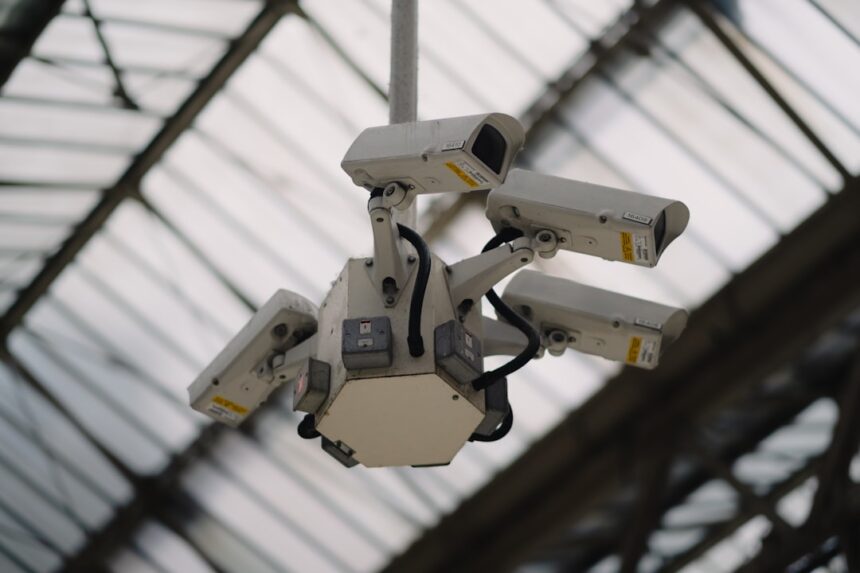
Discreetly placed surveillance cameras, often disguised as ordinary objects, can capture visual evidence of dead drop activity. Similarly, sophisticated audio recording devices, deployed in proximity to suspected exchange points, can capture conversations or other vital sounds. The ethical and legal boundaries for the deployment of such devices are strictly defined and monitored.
Utilizing Signals Intelligence and Network Analysis
While dead drops are analog in nature, the communication leading up to or following them might not be. The FBI would also be engaged in signals intelligence (SIGINT), monitoring electronic communications for any relevant chatter or patterns. Network analysis can then be employed to map connections and identify potential intermediaries. This is akin to observing the ripples on the surface of a pond to understand what lurks beneath.
Developing a Dead Drop Pattern of Life
A critical aspect of surveillance is understanding the “pattern of life” surrounding a suspected dead drop location. This involves observing recurring behaviors, the individuals who frequent the area, and any subtle deviations from the norm. Over time, even the most innocuous location can reveal itself as a nexus of clandestine activity under intense observation.
Intercepting the Exchange: A Surgical Strike on Secrecy

The moment of interception is the culmination of immense planning and patience. It is a precise operation designed to catch the illicit exchange in the act, ensuring that evidence is obtained legally and effectively.
Identifying the Drop Point and Retrieval Zone
The first hurdle is accurately identifying the specific location of the dead drop and the likely areas where the retrieval will occur. This often involves meticulous reconnaissance, analyzing observed behaviors, and triangulating information from human and technical sources.
Pre-Operational Briefings and Contingency Planning
Before any physical action is taken, extensive pre-operational briefings are conducted. These meetings detail the objective, the roles of each team member, potential risks, and escape routes. Contingency plans are developed for a multitude of scenarios, from the suspect attempting to flee to the discovery of the surveillance team.
The Tactical Approach: Stealth and Swiftness
The actual interception requires a delicate balance of stealth and swiftness. Agents must close in on the suspect at the precise moment of the exchange, minimizing the risk of the dropped item being destroyed or moved. The element of surprise is a powerful weapon in this phase.
“Knock and Talk” vs. Direct Apprehension
Depending on the circumstances and the legal framework, law enforcement might opt for a “knock and talk” approach, where officers approach the suspect and attempt to gain their cooperation, or a direct apprehension if immediate action is deemed necessary for safety or evidence preservation.
Securing the Evidence and Chain of Custody
Once the suspect is apprehended, the immediate priority is to secure the evidence from the dead drop and maintain an unbroken chain of custody. This is crucial for the admissibility of the evidence in any subsequent legal proceedings. Every step, from collection to storage, is meticulously documented.
In the intriguing world of espionage, the case of John Walker, a former Navy communications specialist who spied for the Soviet Union, highlights the complexities of dead drop surveillance techniques employed by the FBI. His story reveals the lengths to which intelligence agencies go to monitor and capture spies. For those interested in exploring more about the tactics used in such operations, a related article can be found here, providing deeper insights into the methods and challenges faced by law enforcement in the realm of national security.
Analyzing the Spoils: Unraveling the Narrative of Treason
| Metric | Details |
|---|---|
| Subject | John Walker |
| Operation Type | Dead Drop Surveillance |
| Agency | FBI |
| Surveillance Duration | Several months (exact duration classified) |
| Number of Dead Drops Monitored | Multiple (exact number undisclosed) |
| Primary Location | Washington D.C. area |
| Surveillance Methods | Physical observation, electronic monitoring, photographic evidence |
| Outcome | Arrest and conviction of John Walker for espionage |
The physical interception of a dead drop is only the beginning. The real work of understanding the implications begins with the meticulous analysis of the recovered materials.
Forensic Examination of the Dropped Item
The contents of the dead drop are subjected to rigorous forensic examination. This can range from analyzing documents for fingerprints, DNA, or microscopic trace evidence to dissecting electronic devices for hidden data. The goal is to extract every possible piece of information.
Deciphering Coded Messages and Encrypted Data
If the dead drop contains coded messages or encrypted data, a specialized team of cryptanalysts will be brought in. These experts are trained to break complex ciphers and extract meaning from seemingly unintelligible information. This is the intellectual sharp end of intelligence analysis.
Corroborating with Other Intelligence Streams
The information gleaned from the dead drop is never analyzed in isolation. It is cross-referenced and corroborated with intelligence gathered from other sources, including human informants, signals intelligence, and even open-source information. This holistic approach builds a comprehensive picture of the operation and its significance.
Building the Case: From Suspicion to Prosecution
The ultimate objective of surveillance and interception is to build a prosecutable case. The meticulous documentation, forensic analysis, and corroboration of evidence are all geared towards presenting a compelling narrative of criminal activity to the courts. The FBI’s role extends from the initial spark of suspicion to the final presentation of facts in a courtroom.
The surveillance of John Walker’s dead drop activities, while a specific example, serves as a powerful illustration of the intricate and often unseen work undertaken by intelligence agencies to protect national security. It is a testament to the human capacity for both audacious deception and tireless vigilance, a constant interplay of shadow and light in the pursuit of truth and safety. These operations are not mere technological feats; they are stories of dedication, precision, and the unwavering commitment to safeguarding the fabric of society.

SHOCKING: How the KGB Read Our Nuclear Codes for 18 Years
FAQs
What was John Walker’s role in espionage activities?
John Walker was a former U.S. Navy officer who spied for the Soviet Union from the late 1960s until his arrest in 1985. He provided classified information, including naval communications and encryption codes, to the KGB.
What is a dead drop in the context of espionage?
A dead drop is a covert method used by spies to exchange information or materials without direct contact. Items are left at a secret location for another party to retrieve later, minimizing the risk of detection.
How did the FBI use surveillance in the investigation of John Walker?
The FBI employed various surveillance techniques, including physical observation, electronic monitoring, and tracking of dead drop locations, to gather evidence against John Walker and his accomplices.
What types of surveillance methods are commonly used in dead drop operations?
Common surveillance methods include stakeouts, hidden cameras, electronic eavesdropping, GPS tracking, and monitoring of communication channels to detect and document the exchange of materials at dead drop sites.
What was the outcome of the FBI’s investigation into John Walker’s espionage activities?
John Walker was arrested in 1985, pleaded guilty to espionage charges, and was sentenced to life imprisonment. His case led to increased security measures within the U.S. Navy and intelligence community.