The Thuringian Forest, a verdant expanse of rolling hills and dense woodlands, holds secrets beneath its placid surface. For decades, the existence of the Tambach-Dietharz Nazi Storage Vaults remained a whisper, a rumor passed between those with a keen interest in the darker chapters of history. These subterranean complexes, carved into the very heart of the mountainside, represent a tangible link to the Third Reich’s ambitious and often sinister logistical endeavors. Exploring these vaults is not an act of morbid curiosity but a journey into a buried testament, a stark reminder of a regime that sought to control not just territory, but also the very cultural output of its era and beyond.
The genesis of the Tambach-Dietharz storage vaults is intrinsically linked to the escalating demands of the Nazi war machine and its ideological ambitions. As the Second World War intensified, the concern for the preservation of cultural artifacts, particularly those deemed ideologically sound or valuable to the regime, became a paramount issue. Bombings ravaged cities across Europe, threatening to obliterate a carefully curated vision of German heritage. Simultaneously, the systematic pillaging of art and cultural treasures from occupied territories created a logistical nightmare. The need for secure, out-of-the-way storage facilities became a pressing necessity.
The “Sonderauftrag Linz” and its Provincial Outposts
The primary impetus for the creation of such vast storage facilities can be traced back to the “Sonderauftrag Linz” (Special Commission Linz), spearheaded by Adolf Hitler himself. This ambitious, albeit largely unrealized, project aimed to transform Linz into a grand cultural capital, a testament to his vision of a Greater German Reich. Central to this vision was the acquisition and stockpiling of an immense collection of art, books, musical scores, and other cultural artifacts intended to form the nucleus of this new cultural center. Tambach-Dietharz, along with other similar sites across Germany, served as provincial branches, acting as staging grounds and long-term repositories for these vast quantities of material. The Thuringian Forest, with its geological stability and relative seclusion, offered an ideal canvas for these subterranean endeavors. Imagine the hidden arteries of a slumbering giant, the vaults were designed to be similarly discreet and resilient.
Strategic Secrecy and Wartime Demands
The choice of location was also dictated by strategic considerations. Secrecy was paramount. The Third Reich operated under a veil of misdirection and compartmentalized information, and the storage vaults were no exception. Their existence was largely unknown to the general populace, and even within the Nazi hierarchy, knowledge was distributed on a need-to-know basis. This secrecy served a dual purpose: to protect the stored assets from Allied bombing and espionage, and to obscure the scale of the regime’s looting and its intentions for the collected material. The war effort, a ravenous beast consuming resources, also meant that labor and materials were diverted to these projects, highlighting the importance the regime placed on these cultural hoards.
In exploring the historical significance of Tambach-Dietharz and its Nazi storage vaults, one can gain further insights by reading the related article on the topic. This article delves into the strategic importance of these vaults during World War II and their implications for post-war Germany. For more detailed information, you can visit the article at In the War Room.
Engineering Under Duress: The Construction of the Subterranean Complexes
The construction of the Tambach-Dietharz vaults was a testament to the engineering capabilities of the era, executed under the immense pressures of wartime production and resource scarcity. These were not hastily dug holes but sophisticated, albeit utilitarian, subterranean facilities designed for longevity and security.
Tunneling into the Mountain: Mining Techniques Employed
The excavation of the vaults involved extensive tunneling operations, utilizing established mining techniques. Labor, often drawn from forced labor camps or local workforces, toiled under challenging conditions to carve out the required spaces. The geological makeup of the Thuringian Forest, characterized by hard rock formations, demanded robust machinery and skilled personnel. The process was akin to a meticulous dissection of the mountain, creating interconnected chambers and corridors that would become the silent guardians of stolen history.
Architectural Features: Security and Preservation in Mind
The architectural design of the vaults prioritized security and preservation. Thick concrete walls, reinforced doors, and ventilation systems were incorporated to protect the contents from environmental degradation, fire, and potential intrusion. While the aesthetic was purely functional, the sheer scale and robustness of the construction speak volumes about the resources committed to this endeavor. These were intended to be fortresses of culture, shielded from the ravages of war. The very air within was intended to be a controlled environment, a preserved bubble against the chaos outside.
A Repository of Loot and Legacy: What the Vaults Contained
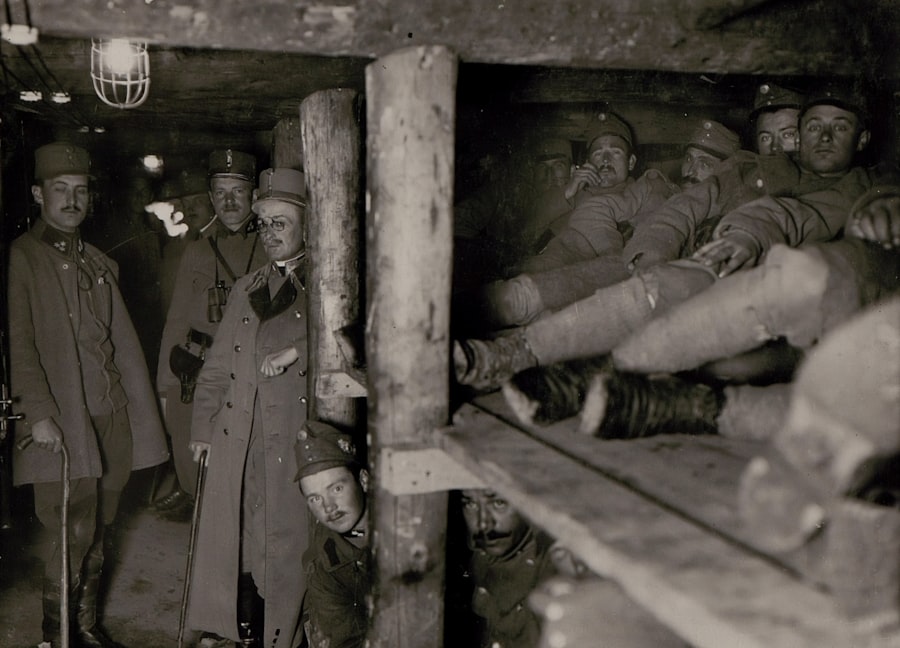
The Tambach-Dietharz vaults were intended to be more than just storage; they were intended to be a curated collection, a physical manifestation of the Nazi regime’s ideological interpretation of art and culture. The contents were a diverse, and often disturbing, melange reflecting the regime’s objectives.
Art and Cultural Treasures: From Masterpieces to “Degenerate” Works
The most sensational aspect of the vaults’ contents was the vast collection of art. This included masterpieces acquired through questionable means from Jewish collectors, confiscated from museums in occupied territories, and commissioned by the regime itself. Works by renowned artists, ranging from Renaissance masters to Impressionists, were reportedly stored here, awaiting their intended placement in future Nazi museums. Conversely, the vaults also served as a holding ground for artworks deemed “degenerate” by the Nazi regime. These works, often modernist or avant-garde, were confiscated, slated for destruction or sale to fund the war effort. The fate of these pieces, a stark contrast in artistic intent, highlights the arbitrary and destructive nature of Nazi cultural policy. Imagine a vast library where both the most cherished classics and the most controversial manifestos are shelved, waiting for a judgment that has long since passed.
Books, Archives, and Ideological Materials
Beyond fine art, the Tambach-Dietharz vaults also housed immense quantities of books, manuscripts, and archival materials. These included rare editions, historical documents, and literature that aligned with Nazi ideology. The regime meticulously collected and categorized works that promoted their worldview, while simultaneously suppressing and destroying those that challenged it. The sheer volume of printed material suggests a comprehensive effort to control the intellectual landscape. It was a formidable undertaking, a physical embodiment of the attempt to rewrite history and thought.
The “Reichsarchiv” and Propaganda Materials
Part of the storage likely included materials designated for the “Reichsarchiv,” the national archive of Nazi Germany. This would have encompassed official documents, photographs, films, and propaganda materials that documented the regime’s rise and its perceived achievements. These items served to legitimize the Nazi narrative and were intended to be preserved for posterity, a carefully constructed historical record designed to serve the regime’s legacy.
Post-War Discovery and the Unfolding Narrative
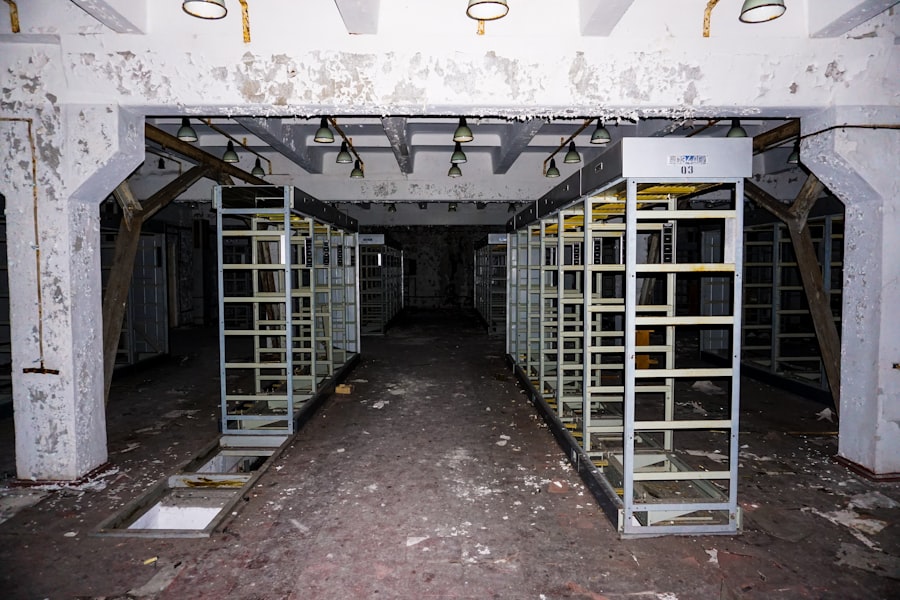
The end of the Second World War brought about the systematic uncovering of these hidden repositories, revealing the scale of the Nazi regime’s clandestine cultural operations. The discovery of the Tambach-Dietharz vaults was a significant moment in the efforts to reclaim and repatriate looted cultural property.
Allied Efforts to Recover Looted Art
Following the Allied victory, dedicated units were established to locate and recover stolen art and cultural artifacts. The Monuments, Fine Arts and Archives (MFAA) program, often referred to as the “Monuments Men,” played a crucial role in this endeavor. Their investigations, piecing together fragments of intelligence and following leads, eventually brought them to sites like Tambach-Dietharz. The task was monumental, akin to sorting through the debris of a colossal shipwreck, sifting for treasures amidst the wreckage.
Challenges of Repatriation and Ongoing Research
The process of repatriating the vast quantities of recovered material was fraught with complexity. Identifying rightful owners, navigating legal complexities, and the sheer logistical challenges of returning items across borders proved to be immense hurdles. Many items remain unaccounted for to this day, their whereabouts a lingering mystery. The Tambach-Dietharz vaults, though partially documented, continue to be a subject of ongoing research for historians, art historians, and provenance researchers seeking to unravel the full extent of their contents and their journey. The journey of these objects is a winding river, with some reaching their source and others lost in the delta of time.
In the small town of Tambach-Dietharz, the discovery of Nazi storage vaults has sparked significant interest among historians and archaeologists alike. These vaults, believed to contain a wealth of artifacts and documents from the Third Reich, offer a unique glimpse into a dark chapter of history. For those looking to delve deeper into the implications of such findings, a related article discusses the broader context of Nazi-era storage sites and their historical significance. You can read more about it in this insightful piece here.
The Tambach-Dietharz Vaults Today: A Memorial and a Warning
| Location | Number of vaults | Capacity | Purpose |
|---|---|---|---|
| Tambach-Dietharz Nazi storage vaults | 7 | Unknown | Storage of valuable items and documents |
Today, the Tambach-Dietharz Nazi Storage Vaults stand not as active repositories, but as silent witnesses to a turbulent past. Their exploration offers a unique opportunity for reflection and education, serving as both a memorial and a somber warning.
Preserving the Memory: Museum and Documentation Efforts
While the vaults themselves may not be fully accessible to the public in their original state, efforts have been made to document their history and preserve the memory of their contents. Local museums and historical societies in the Thuringian region have undertaken extensive research, gathering information, and exhibiting recovered artifacts or relevant documentation. These initiatives aim to ensure that the lessons learned from this dark period are not forgotten. The vaults, in their current state, are like an unread chapter in a vast history book, with efforts underway to transcribe and illuminate its meaning.
A Lesson in the Dangers of Ideological Control
The Tambach-Dietharz vaults serve as a stark reminder of the dangers inherent in any regime that seeks to control culture and history for ideological purposes. The systematic appropriation and manipulation of art and knowledge demonstrate the destructive potential of unchecked power. Visiting or learning about these sites is an act of historical engagement, a commitment to understanding the past in order to safeguard the future. They stand as a tangible monument to the fragility of freedom and the enduring power of human creativity, a power that can be both celebrated and perverted. The echoes of their previous purpose serve as a potent counterpoint to the pursuit of knowledge and expression in the present day.
FAQs
What are the Tambach-Dietharz Nazi storage vaults?
The Tambach-Dietharz Nazi storage vaults are a series of underground tunnels and storage facilities built by the Nazis during World War II. They were used to store important documents, art, and other valuable items.
Where are the Tambach-Dietharz Nazi storage vaults located?
The Tambach-Dietharz Nazi storage vaults are located in the town of Tambach-Dietharz in Thuringia, Germany. The tunnels and storage facilities are situated beneath the town and surrounding area.
What was the purpose of the Tambach-Dietharz Nazi storage vaults?
The purpose of the Tambach-Dietharz Nazi storage vaults was to safeguard important documents, art, and other valuable items from potential destruction during World War II. The Nazis used these underground facilities to protect their assets from bombing raids and other forms of attack.
Are the Tambach-Dietharz Nazi storage vaults open to the public?
Yes, the Tambach-Dietharz Nazi storage vaults have been opened to the public as a historical site and tourist attraction. Visitors can explore the underground tunnels and learn about the history of the storage vaults through guided tours and exhibits.
What is the significance of the Tambach-Dietharz Nazi storage vaults today?
The Tambach-Dietharz Nazi storage vaults serve as a reminder of the impact of World War II and the Nazi regime. They also provide valuable historical insights into the strategies and tactics used by the Nazis to protect their assets during the war.