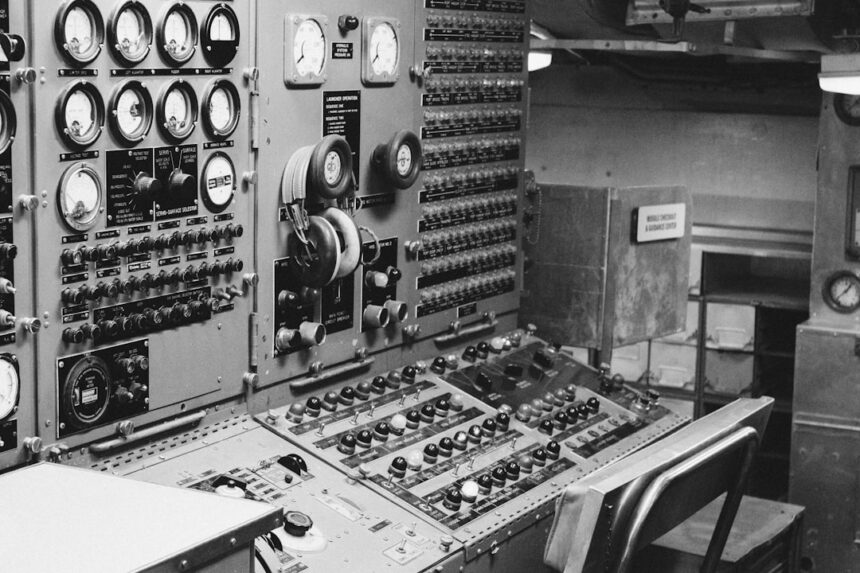
The Soviet submarine Rybachiy rests in the shallow waters off the coast of Kamchatka, a silent testament to a bygone era of superpower naval competition. Once a hunter of the seas, it is now a grounded relic, its colossal hull exposed to the elements, inviting exploration and reflection. This article delves into the history, discovery, and current state of the Rybachiy, providing a factual account for those interested in maritime history, Cold War remnants, and the stark beauty of decaying industrial giants.
The Rybachiy belongs to a class of submarines that were the backbone of the Soviet Union’s underwater fleet during the Cold War. These vessels were designed with a singular purpose: to project Soviet power and challenge American naval dominance. Understanding the Rybachiy necessitates understanding the broader context of its construction and operational deployment.
The Submarine’s Design and Purpose
The submarines of the Rybachiy‘s class were typically diesel-electric, a design choice dictated by the technology and strategic needs of the time. While nuclear submarines offered greater range and endurance, diesel-electric boats were more cost-effective to build and operate, and could still pose a significant threat, especially in confined or coastal waters. Their primary mission profiles included reconnaissance, anti-shipping operations, and potentially, the deployment of ballistic missiles.
The Rybachiy, christened with a name that translates to “Fisherman” or “Fishing Boat,” was likely intended for strategic patrol duties. Its designation would have revealed its role within the Soviet Pacific Fleet, a formidable force tasked with guarding the eastern seaboard of the USSR and projecting influence in the Pacific Ocean. The name itself, perhaps a deliberate piece of naval nomenclature, hinted at its stealthy, elusive nature, much like a seasoned fisherman stalking his prey.
Operational History and Deployment
Detailed operational logs for individual Soviet submarines are often classified or lost to time, making precise accounts of the Rybachiy‘s specific deployments challenging to ascertain. However, its class of submarine was actively engaged in patrols throughout the Cold War. These patrols could involve prolonged submerged operations, employing advanced sonar systems to track enemy vessels, and maintaining a silent, omnipresent watch. Their presence served as a constant deterrent, a submerged sword of Damocles hanging over potential adversaries.
The submarine’s operational life would have been fraught with the inherent dangers of underwater warfare: the psychological toll of prolonged confinement, the risk of accidental collision, mechanical failures in a hostile environment, and the constant threat of detection and attack. The Soviet Navy, like its Western counterparts, demanded immense discipline and resilience from its submariners.
The Fate of a Fallen Titan
The reasons for the Rybachiy‘s eventual demise and grounding are not always clear-cut. Decommissioning often involves scuttling, dismantling, or sometimes, purposeful grounding for various reasons. It is plausible that the Rybachiy was retired from active service and intentionally brought to its final resting place, perhaps as a navigational hazard, a target for exercises, or simply a convenient and cost-effective way to dispose of a retired warship. Some vessels are also lost to accidents, storms, or even sabotage, though specific details for the Rybachiy remain elusive.
The Soviet submarine Rybachiy Kamchatka, known for its strategic significance during the Cold War, has been the subject of various analyses and discussions. For a deeper understanding of its operational history and impact on naval warfare, you can refer to a related article that explores the broader context of Soviet submarine operations. This insightful piece can be found at this link.
Discovery and Accessibility: A Glimpse Through the Waves
The Rybachiy‘s presence in Kamchatka did not remain a secret for long. As Soviet naval and industrial activities waned with the collapse of the USSR, many vessels were left behind, becoming fixtures in coastal landscapes. The Rybachiy became a point of interest for local residents, regional historians, and eventually, intrepid urban explorers and photographers.
Locating the Sunken Giant
The Rybachiy is located in the waters near Kamchatka, a vast peninsula of volcanic activity and rugged coastline. Its precise position is an important detail for those seeking to visit, though its distinctive silhouette would be hard to miss once in proximity. Early reports and subsequent photographic evidence helped to pinpoint its general location, turning a potentially forgotten wreck into a known destination.
The Journey to Rybachiy
Accessing the Rybachiy is not a straightforward endeavor. The remote nature of Kamchatka, coupled with the often challenging coastal conditions, means that reaching the submarine requires careful planning and logistical considerations. This might involve:
Maritime Transport
- Boat or Ship Charter: The most common method of reaching the Rybachiy is by chartering a suitable vessel. Depending on the sea state and the intended proximity to the submarine, this could range from a small fishing boat to a more substantial craft capable of navigating rougher waters.
- Navigational Challenges: The waters around Kamchatka can be unpredictable, with strong currents and frequent fog. Navigators must be experienced in local conditions.
Onshore Access (Limited)
- Coastal Reconnaissance: In some instances, depending on the specific grounding location and the tidal conditions, it might be possible to approach the submarine from the shore. However, this is likely to be less direct and potentially more hazardous than a sea-based approach.
The Allure for Explorers
The difficulty of access only adds to the mystique of the Rybachiy. Its discovery, in a sense, was an unveiling. For those who seek out such relics, the journey itself becomes part of the experience, a prelude to encountering a forgotten piece of history. The visual impact of a massive submarine lying partially submerged, its dark hull contrasting sharply with the surrounding seascape, is a powerful draw.
The Physical Manifestation: A Ghost in the Machine
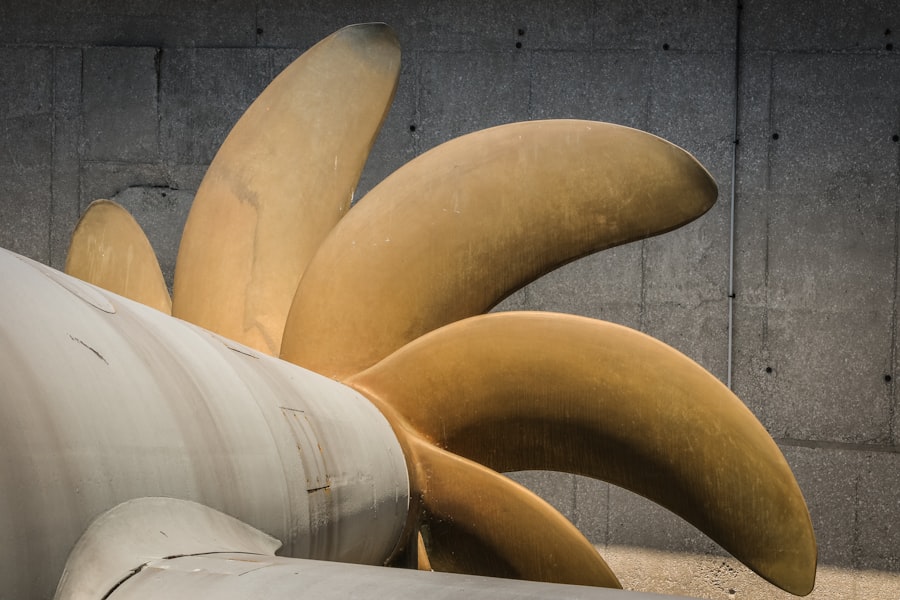
Standing before the Rybachiy is to confront a colossal structure that once moved with silent purpose through the deep. Its current state of dilapidation is a stark reminder of the transient nature of power and the inexorable march of time.
The Exposed Hull: A Monument to Engineering
The submarine’s hull, often encrusted with barnacles and sea growth, tells a story of its time spent submerged and its current exposure. The sheer scale of the vessel is immediately apparent. What was once a sleek, hydrodynamic form is now a hulking, partially broken structure.
Weathering and Corrosion
- Saltwater’s Embrace: The constant exposure to saltwater is the primary agent of decay. Metal components are heavily corroded, and rust streaks descend from every seam and rivet, painting the hull in earthy tones.
- Marine Life: Barnacles, mussels, and algae colonize the submerged portions of the hull, creating a thriving ecosystem that further obscures the original lines of the vessel. This marine drapery transforms the man-made structure into a living reef.
Structural Integrity
- Visible Damage: Depending on the circumstances of its grounding and subsequent years of neglect, the Rybachiy may exhibit visible signs of structural damage, such as hull breaches, twisted metal, or sections that have collapsed.
Interiors: Echoes of a Bygone Era
While much of the interior would have been stripped during its decommissioning or by scavengers over the years, some sections might still offer a glimpse into the cramped and utilitarian existence of Soviet submariners.
Key Compartments and Their Stories
- Control Room: If accessible, the control room would have been the brain of the submarine, filled with dials, gauges, and levers. Evidence of the sophisticated, yet often analog, technology of the Soviet era might still be present.
- Crew Quarters: The living spaces, however spartan, would have been home to the submariners for extended periods. The cramped bunks and communal areas speak to the intense camaraderie and discipline required for life on a submarine.
- Engine Room: The heart of the diesel-electric propulsion system, this area would have been a space of constant noise and activity during operations. Its current state of disuse would be palpably evident.
The Elements at Work: Nature’s Reclamation
The Rybachiy is not merely a static monument; it is a battleground between human engineering and the relentless forces of nature. The sea, wind, and sun are gradually reclaiming what was once an instrument of human will.
The Transience of Technology
- Obsolete Systems: The technology on board, once cutting-edge, is now a relic of a past technological paradigm. The intricate machinery sits silent, a museum piece exposed to the elements.
- Environmental Impact: The wreck, while historically significant, also represents a potential environmental concern, with leaking oils and rusting metals posing a risk to the marine ecosystem.
Preserving the Past: Challenges and Considerations

The Rybachiy‘s current state presents a unique set of challenges for preservation and access. Balancing historical interest with environmental responsibility and the practicalities of its remote location is a complex undertaking.
Conservation Efforts: A Delicate Balancing Act
Unlike land-based historical sites, preserving a submarine wreck in the sea is a monumental task. Any efforts at conservation would be significantly constrained by the submerged environment and the immense cost associated with it.
Challenges in Preservation
- Corrosion Mitigation: halting or significantly slowing down the corrosion process in a saltwater environment is extremely difficult and expensive.
- Structural Stabilization: Ensuring the long-term stability of a decaying hull requires constant monitoring and potential interventions.
- Environmental Remediation: Addressing potential leaks of hazardous materials would be a priority, but also a complex and costly endeavor.
The Ethical Debate: To Preserve or Let Nature Take Its Course?
The existence of the Rybachiy sparks a debate about how to best treat such historical relics. Should efforts be made to preserve it as a museum piece, or should it be allowed to naturally disintegrate, becoming part of the seascape?
Arguments for Preservation
- Historical Documentation: Preserving the Rybachiy provides a tangible link to the Cold War and the Soviet naval past, offering invaluable opportunities for research and education.
- Symbolic Value: It stands as a powerful symbol of a dramatic period in global history and the technological prowess of the Soviet Union.
Arguments for Natural Decay
- Environmental Harmony: Allowing the wreck to decay could be seen as a more natural approach, allowing marine life to fully inhabit and reclaim the structure, eventually transforming it into an artificial reef.
- Cost-Effectiveness: The immense financial burden of preservation might be deemed impractical, especially for a remote wreck.
Future of the Rybachiy: An Uncertain Trajectory
The long-term future of the Rybachiy remains uncertain. Without significant intervention or a clear preservation mandate, it will continue to succumb to the forces of nature. Its eventual disappearance beneath the waves, or its complete disintegration, is a likely scenario. However, its story, captured in photographs and relatos, will endure.
The Soviet submarine Rybachiy Kamchatka has been a subject of interest for many historians and military enthusiasts, particularly regarding its strategic significance during the Cold War. For those looking to delve deeper into the intricacies of Soviet naval operations, an insightful article can be found that explores various aspects of submarine warfare and its impact on global politics. You can read more about this fascinating topic in the article on In The War Room.
The Significance of Rybachiy: A Cold War Relic’s Legacy
| Metric | Details |
|---|---|
| Name | Rybachiy Kamchatka |
| Type | Soviet Diesel-Electric Submarine |
| Class | Foxtrot-class (Project 641) |
| Displacement | 1,950 tons surfaced, 2,475 tons submerged |
| Length | 91.3 meters |
| Beam | 7.5 meters |
| Draft | 6.1 meters |
| Propulsion | 3 diesel engines, 3 electric motors |
| Speed | 16 knots surfaced, 15 knots submerged |
| Range | 20,000 km surfaced at 8 knots |
| Test Depth | 250 meters |
| Armament | 6 torpedo tubes (bow), 4 torpedo tubes (stern), 22 torpedoes total, 1 deck gun |
| Complement | 75 officers and crew |
| Commissioned | 1960s |
| Operational Area | Kamchatka Peninsula, Pacific Ocean |
The Rybachiy is more than just a derelict submarine; it is a tangible piece of history, a silent witness to the geopolitical tensions of the 20th century. Its presence on the shores of Kamchatka offers a unique perspective on the magnitude of the Cold War and the sheer scale of naval endeavors.
A Window into Soviet Naval Power
The existence of the Rybachiy and its brethren highlights the immense resources and technological ambition of the Soviet Union’s military-industrial complex. These submarines were instruments of state policy, designed to exert influence and project power across vast oceans.
Submarine Warfare in the Cold War
- The Silent Service: The Cold War saw an unprecedented arms race in submarine technology. Both sides sought to develop submarines that were faster, quieter, and more lethal, leading to a constant cat-and-mouse game beneath the waves.
- Deterrence and Diplomacy: Submarines played a crucial role in nuclear deterrence, carrying ballistic missiles capable of striking distant targets. Their clandestine patrols were a constant reminder of the potential for catastrophic conflict.
Echoes in the Kamchatkan Landscape
The Rybachiy is now a stark visual metaphor in the rugged Kamchatkan landscape. It serves as a powerful counterpoint to the wild, untamed natural beauty of the region, a man-made titan brought low, a monument to ambition and the passage of time.
The Aesthetics of Decay
- Urban Exploration and Photography: The Rybachiy has become a popular subject for urban explorers and photographers, drawn to the dramatic visual narratives of decay and industrial reclamation. The juxtaposition of a military machine with the natural world offers a compelling aesthetic.
- Historical Tourism: For those interested in maritime history and the Cold War, the Rybachiy represents a unique destination, offering a tangible experience of a bygone era.
Lessons from the Deep: A Reflection for the Future
The story of the Rybachiy serves as a potent reminder of the consequences of conflict, the impermanence of even the most formidable machines, and the enduring power of nature.
The Legacy of the Cold War
- A Fading Threat: While the immediate threat of global nuclear war has receded, the legacy of the Cold War continues to shape geopolitical landscapes and international relations. Studying its remnants, like the Rybachiy, provides valuable context for understanding contemporary challenges.
- Technological Advancement: The intense competition of the Cold War spurred significant advancements in technology, many of which have found applications in civilian life. The Rybachiy‘s existence is a byproduct of this relentless drive for innovation.
The Soviet submarine Rybachiy in Kamchatka, while no longer a vessel of power, remains a potent symbol. It invites us to contemplate the past, to appreciate the engineering marvels that were, and to reflect on the enduring forces of both human ambition and the natural world. As it slowly surrenders to the sea, its story is etched not only in its rusting hull but in the historical memory it represents.
WATCH NOW ▶️ The CIA’s Impossible Mission To Steal A Nuclear Submarine
FAQs
What was the Soviet submarine Rybachiy Kamchatka?
The Soviet submarine Rybachiy Kamchatka was a naval vessel operated by the Soviet Navy, named after the Rybachiy Peninsula in the Kamchatka region. It was part of the Soviet Union’s submarine fleet during the Cold War era.
What type of submarine was Rybachiy Kamchatka?
Rybachiy Kamchatka was typically classified as a diesel-electric or nuclear-powered submarine, depending on the specific class it belonged to. It was designed for various missions including reconnaissance, patrol, and potentially strategic deterrence.
When was the Rybachiy Kamchatka submarine in service?
The submarine served during the Cold War period, with its active years generally spanning from the mid-20th century until the dissolution of the Soviet Union in 1991 or shortly thereafter.
What was the strategic importance of the Rybachiy Kamchatka submarine?
The Rybachiy Kamchatka played a role in Soviet naval strategy by patrolling the northern Pacific Ocean and protecting Soviet maritime interests near the Kamchatka Peninsula, a key area for Soviet naval operations and missile testing.
Are there any notable incidents involving the Rybachiy Kamchatka submarine?
There are no widely publicized incidents specifically involving the Rybachiy Kamchatka submarine. Like many Soviet submarines, detailed operational history remains classified or limited in public records.