The Glomar Explorer, a vessel shrouded in intrigue and historical significance, stands as a testament to human ingenuity and the relentless pursuit of knowledge beneath the ocean’s surface. Originally commissioned by the Central Intelligence Agency (CIA) in the 1970s, this unique ship was designed for a singular purpose: to recover a sunken Soviet submarine from the depths of the Pacific Ocean. However, its story transcends mere espionage; it embodies the intersection of science, technology, and geopolitics during a pivotal era in history.
The Glomar Explorer has since evolved into a symbol of deep-sea exploration, showcasing the capabilities of marine engineering and the mysteries that lie beneath the waves. As an engineering marvel, the Glomar Explorer is not just a vessel but a floating laboratory equipped with advanced technology for deep-sea operations. Its design reflects a blend of military precision and scientific inquiry, making it an iconic figure in both naval history and oceanography.
The ship’s legacy continues to inspire researchers and adventurers alike, as it represents the potential for discovery in one of Earth’s least explored frontiers. The following sections will delve into the rich history, current status, and lasting impact of the Glomar Explorer on various fields, from marine science to Cold War dynamics.
Key Takeaways
- The Glomar Explorer was originally built for a secret Cold War mission to recover a sunken Soviet submarine.
- It features advanced deep-sea technology enabling significant achievements in oceanographic exploration.
- The vessel has contributed to both scientific research and offshore drilling industries.
- Its history reflects a unique intersection of marine science and Cold War espionage.
- Preservation efforts aim to maintain the Glomar Explorer as a historic and educational site for public tours.
History of the Glomar Explorer
The origins of the Glomar Explorer can be traced back to the Cold War era, a time characterized by intense rivalry between the United States and the Soviet Union. In 1968, a Soviet submarine, K-129, sank in the Pacific Ocean under mysterious circumstances. The U.S. government recognized an opportunity to gather intelligence and technological insights by recovering this vessel. Thus, the CIA initiated Project Azorian, which aimed to retrieve the submarine and its contents from a depth of over 16,000 feet. To execute this ambitious plan, they commissioned the construction of the Glomar Explorer. Launched in 1974, the Glomar Explorer was built by Howard Hughes’ Summa Corporation. The ship was equipped with cutting-edge technology, including a unique deep-sea recovery system known as the “claw,” designed to grasp and lift heavy objects from the ocean floor. Despite its covert mission, the project was shrouded in secrecy, leading to speculation and conspiracy theories about its true purpose. The operation culminated in 1974 when the Glomar Explorer successfully retrieved a portion of K-129, although not without complications and challenges that tested the limits of engineering and human resolve.
Current Location and Use of the Glomar Explorer
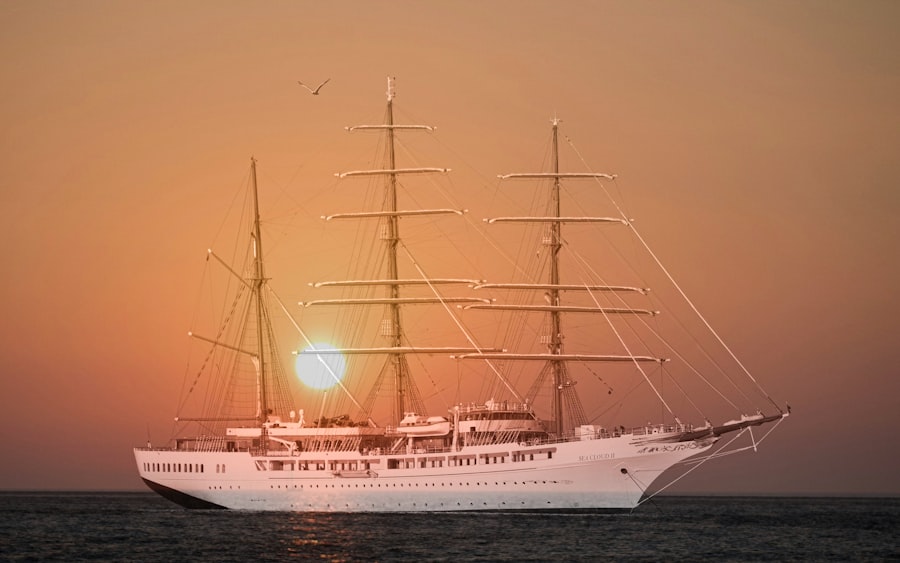
Today, the Glomar Explorer is no longer engaged in its original mission of submarine recovery. After its decommissioning in 1983, the vessel underwent several transformations before finding its current role. It is now docked at a port in California, where it serves as a research platform for various marine science initiatives.
The ship has been repurposed to support oceanographic studies and environmental monitoring, contributing to a better understanding of marine ecosystems. While it may no longer be at the forefront of espionage or deep-sea recovery operations, the Glomar Explorer continues to play a vital role in advancing marine research. Its legacy as a pioneering vessel remains intact as scientists utilize its facilities for studying ocean currents, marine life, and geological formations.
The ship’s unique design and capabilities allow researchers to conduct experiments that would otherwise be challenging or impossible in traditional research vessels.
Features and Specifications of the Glomar Explorer
| Feature | Specification |
|---|---|
| Type | Deep-sea drilling ship |
| Length | 168 meters (551 feet) |
| Beam (Width) | 23 meters (75 feet) |
| Draft | 7.6 meters (25 feet) |
| Displacement | 12,000 tons |
| Propulsion | Diesel-electric engines |
| Maximum Speed | 15 knots |
| Drilling Depth Capability | Up to 6,000 meters (19,685 feet) below sea floor |
| Dynamic Positioning System | Yes, to maintain position during drilling |
| Special Features | Large moon pool for drilling, covert design for CIA operation |
| Year Built | 1968 |
| Purpose | Ocean mining and covert recovery operations |
The Glomar Explorer is distinguished by its remarkable design and engineering features that set it apart from conventional ships. Measuring 618 feet in length and equipped with a beam of 100 feet, it boasts a displacement of approximately 30,000 tons. The vessel’s most notable feature is its deep-sea recovery system, which includes a specialized “claw” capable of grasping objects from great depths.
This innovative technology was instrumental during its original mission and remains a significant aspect of its design. In addition to its recovery capabilities, the Glomar Explorer is outfitted with advanced navigation systems and laboratories that facilitate scientific research. The ship’s hull is reinforced to withstand extreme underwater pressures, ensuring safety during deep-sea operations.
Furthermore, it is equipped with dynamic positioning systems that allow for precise maneuvering in challenging ocean conditions. These features not only highlight the engineering prowess behind the Glomar Explorer but also underscore its adaptability for various marine applications.
The Glomar Explorer’s Role in Deep-Sea Exploration
The Glomar Explorer has played an essential role in advancing deep-sea exploration since its inception. While its initial mission was shrouded in secrecy and focused on intelligence gathering, the vessel’s capabilities have been harnessed for scientific purposes in recent years. As researchers continue to explore the depths of the ocean, the Glomar Explorer serves as a platform for innovative studies that contribute to our understanding of marine environments.
One significant aspect of deep-sea exploration facilitated by the Glomar Explorer is its ability to access previously unreachable areas of the ocean floor. The ship’s advanced technology allows scientists to conduct geological surveys, study hydrothermal vents, and investigate unique ecosystems that thrive in extreme conditions. By providing access to these remote regions, the Glomar Explorer has become an invaluable asset for researchers seeking to uncover the mysteries of our planet’s oceans.
Notable Discoveries and Achievements of the Glomar Explorer
Throughout its operational history, the Glomar Explorer has been associated with several notable discoveries and achievements that have left an indelible mark on marine science. One of its most significant accomplishments was the partial recovery of K-129 during Project Azorian. This operation not only provided valuable insights into Soviet naval technology but also demonstrated the potential for deep-sea recovery missions.
In addition to its intelligence-gathering endeavors, the Glomar Explorer has contributed to various scientific discoveries related to marine biology and geology. Researchers have utilized its facilities to study deep-sea organisms and their adaptations to extreme environments. The ship has also played a role in mapping underwater geological formations, enhancing our understanding of tectonic processes and oceanic features.
These achievements underscore the vessel’s versatility and importance in both historical and contemporary contexts.
The Glomar Explorer’s Impact on Oceanography and Marine Science
The impact of the Glomar Explorer on oceanography and marine science cannot be overstated. Its pioneering design and advanced technology have set new standards for deep-sea exploration vessels, inspiring subsequent generations of researchers and engineers. The ship’s contributions to our understanding of marine ecosystems have paved the way for further studies on biodiversity, climate change, and ocean health.
Moreover, the Glomar Explorer has facilitated international collaboration in marine research. By serving as a platform for scientists from various institutions and countries, it has fostered partnerships that transcend geopolitical boundaries. This collaborative spirit is essential for addressing global challenges related to ocean conservation and sustainable resource management.
As such, the legacy of the Glomar Explorer extends beyond its physical presence; it embodies a commitment to advancing knowledge about our oceans for future generations.
The Glomar Explorer’s Contribution to Offshore Drilling and Mining
In addition to its role in scientific research, the Glomar Explorer has made significant contributions to offshore drilling and mining operations. Its advanced recovery systems have been adapted for use in extracting valuable resources from beneath the ocean floor. This capability has implications for industries seeking to tap into underwater mineral deposits and hydrocarbons.
The vessel’s engineering innovations have influenced offshore drilling practices by demonstrating how advanced technology can enhance safety and efficiency in challenging environments. As demand for energy resources continues to grow, vessels like the Glomar Explorer play a crucial role in ensuring that extraction methods are both effective and environmentally responsible. This dual focus on resource extraction and environmental stewardship reflects broader trends within marine industries as they navigate complex regulatory landscapes.
The Glomar Explorer’s Influence on Cold War History
The Glomar Explorer occupies a unique place in Cold War history as a symbol of espionage and technological competition between superpowers. Its covert mission to recover K-129 exemplified the lengths to which nations would go to gain an advantage over their rivals during this tumultuous period. The operation not only showcased American ingenuity but also highlighted vulnerabilities within Soviet naval capabilities.
The secrecy surrounding Project Azorian fueled speculation and conspiracy theories that persist today. The vessel’s involvement in intelligence operations has become part of popular culture, inspiring books, documentaries, and films that explore themes of espionage and adventure on the high seas. As such, the Glomar Explorer serves as a reminder of how technological advancements can shape geopolitical dynamics while simultaneously igniting public fascination with tales of intrigue.
Preservation Efforts and Future Plans for the Glomar Explorer
As an iconic vessel with historical significance, efforts are underway to preserve the Glomar Explorer for future generations. Various organizations are advocating for its recognition as a cultural landmark that embodies both maritime history and scientific achievement. Preservation initiatives aim to ensure that this remarkable ship remains accessible for educational purposes while honoring its legacy.
Future plans for the Glomar Explorer include potential collaborations with academic institutions and research organizations interested in utilizing its facilities for ongoing marine studies. By repurposing this historic vessel for contemporary research needs, stakeholders hope to continue its legacy as a platform for exploration while fostering public interest in oceanography and environmental conservation.
Visiting the Glomar Explorer: Tours and Public Access Options
For those intrigued by maritime history and scientific exploration, visiting the Glomar Explorer offers a unique opportunity to engage with this remarkable vessel firsthand. While public access may be limited due to its operational status and preservation efforts, there are occasional tours organized by local maritime museums or educational institutions. These tours provide visitors with insights into the ship’s history, engineering features, and contributions to marine science.
Participants can learn about its role in deep-sea exploration while gaining an appreciation for the challenges faced by researchers working in extreme environments. As interest in ocean conservation continues to grow, initiatives aimed at promoting public access to vessels like the Glomar Explorer play an essential role in fostering awareness about our oceans’ importance. In conclusion, the Glomar Explorer stands as a multifaceted symbol of human achievement in both maritime engineering and scientific inquiry.
The Glomar Explorer, a ship shrouded in mystery and intrigue, played a pivotal role in the Cold War era, particularly in the recovery of a sunken Soviet submarine. For those interested in exploring more about the historical significance and operations of this unique vessel, you can read a related article on its impact and legacy at In The War Room. This resource provides a deeper understanding of the ship’s missions and the geopolitical context in which it operated.
WATCH THIS! The CIA’s Secret Mission to Recover a Nuclear Submarine: Project Azorian
FAQs
What was the original purpose of the Glomar Explorer ship?
The Glomar Explorer was originally built in the early 1970s by the CIA and the US Navy to recover a sunken Soviet submarine from the ocean floor during a secret operation called Project Azorian.
Is the Glomar Explorer ship still operational today?
No, the Glomar Explorer is no longer operational. After its initial mission, it was repurposed for deep-sea mining research and later decommissioned.
What made the Glomar Explorer unique compared to other ships?
The Glomar Explorer was unique due to its massive size, advanced deep-sea recovery technology, and a large moon pool that allowed it to lift heavy objects from the ocean floor covertly.
Where was the Glomar Explorer built?
The Glomar Explorer was constructed in the United States by the Sun Shipbuilding & Drydock Company in Chester, Pennsylvania.
What happened to the Glomar Explorer after its secret mission?
After the secret submarine recovery mission, the ship was sold to a mining company and used for deep-sea mining exploration before eventually being retired.
Why is the Glomar Explorer historically significant?
The Glomar Explorer is historically significant because it was part of one of the most ambitious and secretive Cold War operations, showcasing advanced maritime engineering and intelligence capabilities.
Can the public visit the Glomar Explorer today?
No, the Glomar Explorer is not open to the public and is no longer in service, so it cannot be visited.
What does “Glomar” stand for?
“Glomar” is a combination of “Global” and “Marine,” reflecting the ship’s intended global maritime capabilities.