The American Southwest, a region often associated with vast deserts, dramatic canyons, and sun-baked landscapes, is also a significant nexus of energy production and innovation. This geographical expanse, encompassing states like New Mexico, Arizona, Nevada, Utah, and parts of Colorado and California, holds a diverse array of energy resources that have shaped its economy and continue to influence national energy strategies. Its geological makeup, coupled with favorable climatic conditions, presents a rich tapestry of energy provinces, each with its own unique characteristics and potential. Exploring these provinces reveals a complex interplay of natural endowments, technological advancements, and evolving market demands.
The Southwest’s initial foray into large-scale energy production was largely built upon the extraction of fossil fuels. These subterranean riches, accumulated over millions of years, have provided a vital component of the region’s energy portfolio and continue to be a significant economic driver. The geological formations of the Southwest are akin to a carefully layered cake, with distinct strata holding trapped reserves of oil, natural gas, and coal.
The Permian Basin: A Hydrocarbon Powerhouse
The Permian Basin, straddling West Texas and southeastern New Mexico, stands as one of the most prolific oil and gas producing regions in the United States. Its geological history, marked by ancient seas and the subsequent burial and transformation of organic matter, has created a vast reservoir of hydrocarbons.
Formation and Composition of Permian Reservoirs
The Permian Basin is characterized by a complex stratigraphy, with multiple productive zones, including the Delaware and Midland basins. These basins contain a diverse range of rock formations, such as sandstones, limestones, and shales, which act as both source rocks and reservoirs for oil and natural gas. The hydrocarbons are found in various forms, from conventional reservoirs with porous and permeable rock to unconventional shale plays that require sophisticated extraction techniques.
Extraction Technologies and Their Impact
The economic viability of the Permian Basin has been significantly enhanced by advancements in extraction technologies, most notably hydraulic fracturing and horizontal drilling. Hydraulic fracturing, often referred to as “fracking,” involves injecting a high-pressure mixture of water, sand, and chemicals into boreholes to create fissures in the rock, releasing trapped oil and gas. Horizontal drilling allows wells to be drilled vertically for a certain depth and then turn horizontally to access a much larger portion of the underground reservoir. These technologies have unlocked vast previously inaccessible reserves, leading to a surge in production. However, their environmental implications, including water usage, potential for groundwater contamination, and seismic activity, have been subjects of considerable debate and ongoing research.
The San Juan Basin: Natural Gas Dominance
Northwestern New Mexico and southwestern Colorado are home to the San Juan Basin, another significant fossil fuel province, primarily recognized for its abundance of natural gas. This basin’s geological history has resulted in extensive deposits of coalbed methane, conventional natural gas, and some oil.
Coalbed Methane Extraction
The San Juan Basin is a leading producer of coalbed methane (CBM), a form of natural gas trapped within coal seams. The extraction process for CBM typically involves dewatering the coal seams, which reduces the pressure and allows the methane to desorb from the coal and flow to the wellbore. This process requires managing large volumes of produced water, which can be saline and require careful disposal or treatment.
Conventional Gas Reserves
Beyond CBM, the San Juan Basin also holds substantial conventional natural gas reserves in deeper geological formations. These reserves are accessed through traditional drilling methods. The intricate plumbing system of the Earth has deposited natural gas in pockets within porous rock, which can be tapped once located.
Western Coal Fields: A Historical Cornerstone
While less dominant in current energy discussions compared to oil and gas, the Southwest has historically relied on coal for power generation. Certain areas, particularly in New Mexico and Utah, possess significant coal reserves that fueled power plants across the region.
Formation of Southwestern Coal Deposits
The coal deposits in the Southwest are primarily from the Cretaceous and Tertiary periods, formed from the accumulation and compression of ancient vegetation in swampy environments. These deposits are often found in extensive, relatively flat-lying seams, making them accessible for surface mining in some areas.
Transition Away from Coal
In recent years, there has been a significant transition away from coal-fired power generation across the United States, including the Southwest. This shift is driven by environmental concerns regarding greenhouse gas emissions, the depletion of readily accessible reserves in some older mines, and the increasing economic competitiveness of renewable energy sources. Power plants that once burned coal are now being retired or converted to run on natural gas or other fuels, marking a profound evolution in the region’s energy landscape.
The energy landscape of the American Southwest is a dynamic and evolving topic, particularly as states seek to balance renewable energy development with traditional energy sources. For a deeper understanding of the challenges and opportunities facing energy provinces in this region, you can explore the article titled “Energy Transition in the American Southwest” available at this link. This article delves into the various energy initiatives and policies that are shaping the future of energy production and consumption in the Southwest.
Harnessing the Celestial Spark: The Sun’s Bounty in Solar Energy
The American Southwest, bathed in an intensity of sunlight that is among the highest in the nation, is a natural laboratory for harnessing solar energy. The region’s clear skies and abundant sunshine are akin to a vast, untapped reservoir of clean energy, making it a prime location for both utility-scale solar farms and distributed rooftop installations.
Vast Solar Farms: Powering the Grid
The sheer scale of the desert landscapes in the Southwest provides an ideal canvas for the development of large-scale solar photovoltaic (PV) and concentrated solar power (CSP) plants. These installations are capable of generating significant amounts of electricity, feeding directly into the regional grid.
Photovoltaic (PV) Technology
Photovoltaic technology converts sunlight directly into electricity using semiconductor materials. The Southwest’s extensive solar farms are characterized by acres of solar panels, meticulously angled to capture the maximum amount of solar radiation. Their deployment is a testament to the region’s commitment to diversifying its energy sources and reducing its carbon footprint.
Concentrated Solar Power (CSP)
Concentrated Solar Power (CSP) technology utilizes mirrors or lenses to focus sunlight onto a small area, generating heat that drives a turbine to produce electricity. CSP plants often employ thermal storage systems, allowing them to store heat and generate electricity even when the sun is not shining, providing a degree of dispatchability that is particularly valuable for grid stability.
Distributed Solar: Rooftop Revolution
Beyond the large-scale projects, the Southwest is also experiencing a burgeoning distributed solar market. Homeowners, businesses, and municipalities are increasingly installing solar panels on their rooftops, contributing to a decentralized energy generation model.
Net Metering and Incentives
Policies such as net metering, which allows solar owners to receive credit for excess electricity sent back to the grid, and various federal and state incentives have played a crucial role in driving the adoption of rooftop solar. These programs act as powerful catalysts, transforming individual energy consumption into active participation in energy generation.
Impact on Local Grids and Consumer Choice
The proliferation of distributed solar is not only reducing individual energy bills but also influencing the operation of local electricity grids and expanding consumer choice. This shift towards localized power generation challenges traditional utility models and fosters a more resilient and adaptable energy infrastructure.
Riding the Wind’s Momentum: Wind Energy Potential
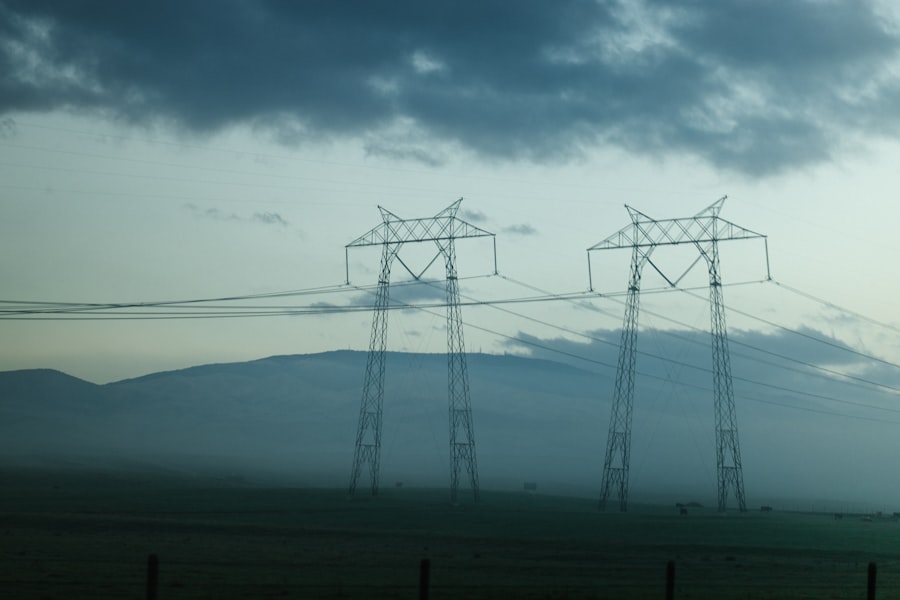
While the desert landscapes might immediately evoke images of sun, the Southwest also possesses significant wind energy resources, particularly in elevated or exposed areas. The consistent and often strong winds that sweep across certain parts of the region offer another vital avenue for clean energy generation.
High-Wind Corridors and Turbine Development
Specific geographical areas within the Southwest are characterized by consistent high-wind corridors, making them ideal locations for wind farm development. These areas are often characterized by undulating terrain or plateau regions that channel and accelerate prevailing winds, creating ideal conditions for wind turbines.
Turbine Technology and Efficiency
Modern wind turbines have become increasingly sophisticated, with larger rotor diameters and advanced aerodynamic designs that maximize their energy capture efficiency. The development of taller towers also allows turbines to access stronger, more consistent winds at higher altitudes.
Environmental Considerations and Siting
The siting of wind farms requires careful consideration of various environmental factors, including potential impacts on avian wildlife, visual aesthetics, and noise levels. Comprehensive environmental impact assessments are crucial to ensure that wind energy development is pursued responsibly and sustainably.
Hybrid Energy Systems: Combining Solar and Wind
The complementary nature of solar and wind energy, where one often picks up when the other wanes, has led to the development of hybrid energy systems. These systems combine solar PV and wind turbines, often with battery storage, to provide a more consistent and reliable power output.
Maximizing Energy Reliability
By integrating different renewable energy sources, hybrid systems can mitigate the intermittency inherent in individual renewable technologies, leading to a more stable and dependable energy supply. This integration is akin to weaving together different threads to create a stronger, more resilient fabric of power generation.
Tapping into the Earth’s Inner Heat: Geothermal Energy Prospects
The geological activity that has shaped the Southwest also presents an underappreciated potential for geothermal energy. This form of energy taps into the Earth’s internal heat, offering a consistent and reliable source of clean power.
Hydrothermal Systems: Accessing Subsurface Heat
Certain areas within the Southwest are characterized by hydrothermal systems, where underground reservoirs of hot water and steam can be accessed through drilling. These natural heat exchangers are a direct manifestation of the planet’s internal energy.
Drilling and Power Generation
Geothermal power plants typically involve drilling wells to access these hot fluids, which are then used to drive turbines and generate electricity. The sustainability of geothermal energy is high, as the Earth’s heat is a continuously replenished resource.
Challenges and Future Potential
Challenges to widespread geothermal development include the high upfront costs of exploration and drilling, as well as the need for specific geological conditions. However, advancements in drilling technology and enhanced geothermal systems (EGS) are expanding the potential for geothermal energy extraction in new regions.
The energy landscape of the American Southwest is continually evolving, with various provinces playing a crucial role in shaping the region’s future. For a deeper understanding of how these energy provinces interact and influence one another, you can explore a related article that delves into the complexities of energy production and sustainability in this area. This insightful piece can be found here, offering valuable perspectives on the challenges and opportunities that lie ahead for the Southwest’s energy sector.
The Evolving Landscape of Energy Storage and Innovation
| Province | Primary Energy Source | Annual Energy Production (TWh) | Major Energy Facilities | Renewable Energy Percentage |
|---|---|---|---|---|
| Colorado Plateau | Coal, Natural Gas | 45 | Four Corners Power Plant, San Juan Generating Station | 12% |
| Sonoran Desert | Solar, Natural Gas | 30 | Solana Generating Station, Agua Caliente Solar Project | 65% |
| Mojave Desert | Solar, Natural Gas | 40 | Ivanpah Solar Power Facility, Mohave Generating Station | 70% |
| Great Basin | Geothermal, Natural Gas | 25 | Steamboat Geothermal Plant, Dixie Valley Geothermal Plant | 55% |
| Chihuahuan Desert | Wind, Solar | 20 | El Paso Wind Farm, Macho Springs Wind Farm | 60% |
As the Southwest increasingly embraces renewable energy sources like solar and wind, the need for effective energy storage solutions becomes paramount. The intermittency of these sources, meaning they are not always available, necessitates technologies that can capture excess energy and release it when demand is high or when generation is low.
Battery Storage: A Growing Necessity
Battery storage systems are rapidly becoming an integral component of the Southwest’s energy infrastructure. These systems, ranging from grid-scale installations to smaller residential units, are crucial for stabilizing the grid and ensuring a reliable power supply.
Lithium-Ion and Beyond
Lithium-ion batteries currently dominate the market, but research and development are progressing on a range of alternative battery chemistries and technologies, such as flow batteries and solid-state batteries, which could offer improved performance, safety, and cost-effectiveness.
Grid-Scale vs. Residential Storage
The deployment of battery storage occurs at various scales, from massive grid-scale facilities that can store hundreds of megawatt-hours of energy to smaller, home-based systems that provide backup power and reduce reliance on the grid.
Hydrogen as an Energy Carrier
Hydrogen is emerging as a promising energy carrier for the Southwest, offering potential solutions for long-duration energy storage and for decarbonizing transportation and industrial sectors. Green hydrogen, produced from renewable electricity through electrolysis, is of particular interest.
Electrolysis and Production Methods
Electrolysis uses electricity to split water molecules into hydrogen and oxygen. When powered by renewable sources like solar and wind, this process is considered a clean method of producing hydrogen.
Applications and Future Development
Hydrogen can be used to store excess renewable energy, powering fuel cells that generate electricity or directly combusted for heat. Its potential applications extend to heavy-duty transportation, industrial processes, and grid stabilization, representing a frontier of energy innovation in the region.
Emerging Technologies and Research Frontiers
The Southwest is also a hub for research and development into a variety of emerging energy technologies. These include advancements in advanced nuclear energy, carbon capture and utilization, and the integration of artificial intelligence into energy management systems. The region’s strong research institutions and its diverse energy landscape create a fertile ground for innovation, pushing the boundaries of what is possible in the pursuit of a sustainable energy future. The exploration of these energy provinces is not merely an academic exercise; it is a continuous journey of discovery and adaptation as the Southwest navigates the complexities of powering its present and shaping its energy future.
FAQs
What are the main energy resources found in the American Southwest?
The American Southwest is rich in various energy resources, including solar power, natural gas, oil, coal, and geothermal energy. The region’s abundant sunshine makes it ideal for solar energy development.
Which states are considered part of the American Southwest energy provinces?
The American Southwest energy provinces typically include states such as Arizona, New Mexico, Nevada, Utah, and parts of California and Texas, all of which have significant energy production activities.
How does solar energy contribute to the energy mix in the American Southwest?
Solar energy is a major contributor to the energy mix in the American Southwest due to the region’s high solar irradiance. Large-scale solar farms and rooftop solar installations are common, making it one of the leading areas for solar power generation in the United States.
What role does natural gas play in the energy production of the American Southwest?
Natural gas is a key energy source in the American Southwest, used for electricity generation, heating, and industrial processes. The region has several natural gas fields and infrastructure supporting its extraction and distribution.
Are there any environmental concerns associated with energy production in the American Southwest?
Yes, energy production in the American Southwest raises environmental concerns such as water usage, habitat disruption, air pollution, and greenhouse gas emissions. Efforts are ongoing to balance energy development with environmental protection, especially in sensitive desert ecosystems.