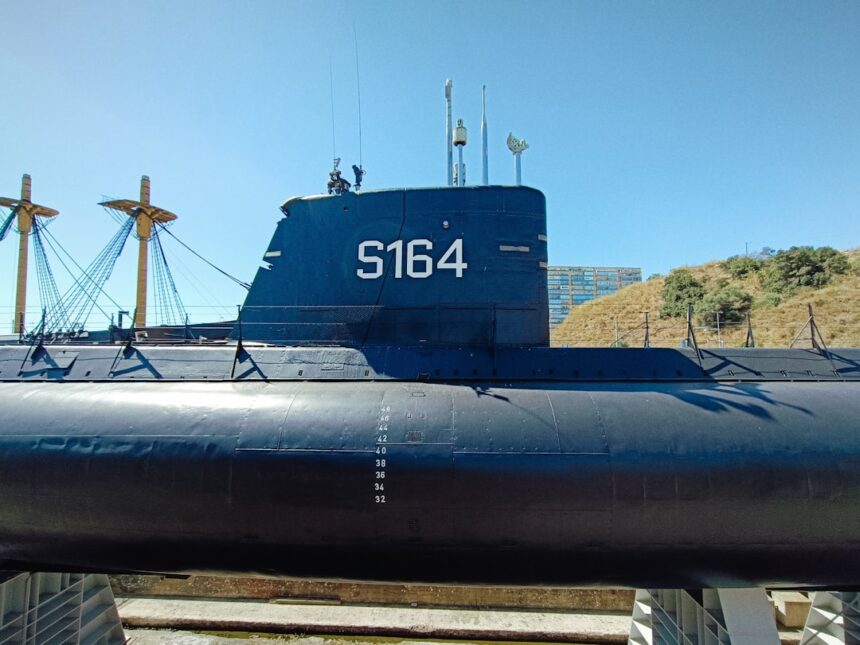
The silent, dark realm beneath the ocean’s surface has long captivated human imagination, a frontier as vast and mysterious as the cosmos. While surface vessels navigate the familiar waters, submarines, like enigmatic sea creatures, have unlocked access to this hidden dimension. For centuries, humanity’s forays into the deep were fleeting, limited by the fragility of early designs and the sheer unforgiving nature of the environment. However, relentless ingenuity and a deep-seated desire to explore have propelled submarine technology from primitive, vulnerable vessels to sophisticated, multi-purpose platforms capable of venturing to the deepest oceanic trenches. This article delves into the significant advancements that have transformed submarine technology, enabling us to probe the ocean’s secrets with unprecedented capability.
The concept of a submerged vessel is remarkably old, appearing in speculative fiction and early mechanical designs long before it was technically feasible. The rudimentary beginnings of submarine technology were driven by a mix of military ambitions and scientific curiosity, each fueling the other’s development.
Early Theoretical Underpinnings
The fundamental principles of buoyancy and pressure, crucial for any submersible, were understood for centuries. Artists like Leonardo da Vinci sketched conceptual designs for underwater craft, envisioning mechanisms for propulsion and air supply. These early ideas, though impractical for the time, laid the intellectual groundwork for future innovations. The challenge was not so much knowing the “what” but the “how” – how to construct something that could withstand immense pressure and sustain its occupants.
The First Tentative Dives
The 17th and 18th centuries witnessed the construction and testing of some of the earliest functional submersibles. Cornelius Drebbel’s vessel, reportedly tested on the Thames in 1620, is often cited as a pioneering example. While details are sparse, it is believed to have been a rudimentary wooden boat covered in greased leather, propelled by oars through watertight sleeves. These early attempts, though fraught with peril and limited in depth and duration, represented a momentous step: demonstrating that human beings could indeed survive and operate beneath the waves, however briefly.
Military Applications Drive Early Innovation
The military imperative to gain an advantage in naval warfare proved a powerful catalyst for submarine development. The ability to attack enemy ships from an unseen vantage point was a compelling prospect. During the American Civil War, the Confederate submarine H.L. Hunley made history, albeit tragically, as the first submarine to sink an enemy vessel. Its success was tempered by its own demise moments later, a stark reminder of the inherent dangers of early submersible operations. These early military submersibles were often little more than diving bells with rudimentary propulsion, prioritizing stealth and the delivery of a single, powerful weapon.
Submarine technology has advanced significantly in recent years, leading to enhanced stealth capabilities and underwater maneuverability. For a deeper understanding of the latest developments in this field, you can read the article titled “The Future of Underwater Warfare: Innovations in Submarine Technology” available at In The War Room. This article explores cutting-edge innovations and their implications for naval strategy and defense.
Material Science and Structural Integrity: The Backbone of Deeper Dives
The ability to descend into the crushing embrace of the deep ocean hinges on the strength and resilience of the submarine’s hull. The relentless pressure at depth acts like a colossal, invisible hand, attempting to crush any vessel not adequately protected. Advances in material science have been paramount in enabling submarines to withstand these formidable forces, allowing them to plumb ever-greater depths.
The Evolution of Hull Materials
Early submersibles relied on materials like wood and early forms of iron. These were inherently limited in their ability to resist the immense pressures encountered even at moderate depths. The advent of steel alloys marked a significant leap forward. Stronger, more ductile, and more resistant to fatigue, steel allowed for the construction of more robust hulls capable of withstanding greater internal and external forces. Subsequent innovations introduced high-strength steels, often with specific alloy compositions optimized for tensile strength and fracture toughness.
The Double Hull Design: A Versatile Solution
Many modern submarines employ a double hull design. The inner pressure hull, typically cylindrical and made of thick, high-strength steel, is the main protective shell that maintains a livable atmosphere for the crew. The outer hull, often thinner and more streamlined, displaces water and houses ballast tanks, sonar domes, and other external equipment. The space between the two hulls can vary, offering advantages in terms of buoyancy control and hydrodynamic efficiency. This layered approach provides both structural integrity and operational flexibility.
Hydrodynamic Shaping: Efficiency and Stealth
Beyond mere strength, the shape of a submarine is critical to its performance. Early designs were often boxy or crudely cylindrical, leading to significant drag and noise. The “teardrop” or “hydrodynamic” hull shape, popularized in the mid-20th century, significantly reduced water resistance, allowing for greater speed and efficiency. This streamlined form minimizes turbulence and the associated acoustic signature, a vital factor for military submarines seeking to remain undetected. Advanced computational fluid dynamics (CFD) simulations are now used to optimize hull designs for specific missions and operational envelopes.
Propulsion Systems: Powering the Silent Hunters and Explorers
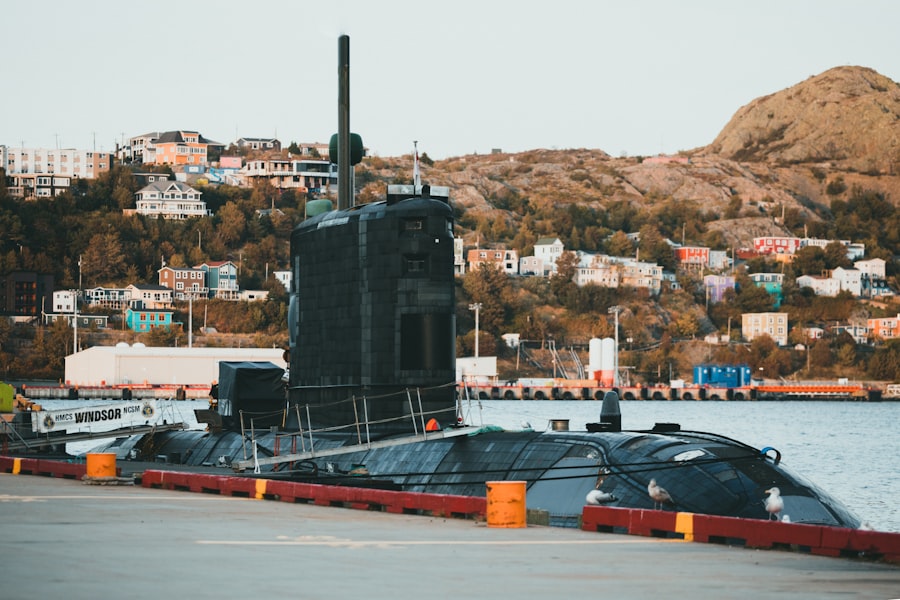
The motive force behind a submarine’s journey through the ocean is as critical as its ability to withstand pressure. Propulsion systems have evolved dramatically, moving from human power to complex nuclear reactors, each phase bringing new capabilities and limitations.
From Oars to Engines: The Early Mechanical Era
The initial attempts at powered submersion relied on hand-cranked propellers or simple steam engines. These were severely limited by the need for air and the exhaust of combustion byproducts, restricting submerged operations to very short durations. The development of the internal combustion engine, while an improvement, still faced the fundamental challenge of air supply.
The Electric Revolution: Enabling Sustained Submersion
The true breakthrough for sustained submerged operations came with the widespread adoption of electric propulsion. Electric motors, powered by large battery banks, allowed submarines to operate silently and for extended periods underwater. The challenge then became battery capacity and recharging. This era saw the development of snorkel systems, enabling diesel-electric submarines to run their engines on the surface or at shallow depths to recharge batteries, but still requiring periodic surfacing.
The Nuclear Power Paradigm Shift
The development of nuclear propulsion in the mid-20th century represented a monumental leap. Nuclear reactors, capable of generating immense power without the need for atmospheric oxygen, liberated submarines from the limitations of air supply and frequent snorkeling. This allowed for virtually unlimited submerged endurance, greatly enhancing operational flexibility and strategic capability. Nuclear submarines can maintain high speeds underwater for weeks or months at a time, transforming underwater warfare and exploration.
Advanced Battery Technologies: A Modern Complement
While nuclear power dominates military submarines, advancements in battery technology, particularly lithium-ion batteries, are offering new possibilities for a new generation of non-nuclear submarines. These batteries offer higher energy density and faster charging rates than traditional lead-acid batteries, allowing for longer submerged operational periods and improved stealth capabilities without the thermal signature of a nuclear reactor. This is opening doors for more eco-friendly and specialized submersibles.
Life Support and Environmental Control: Sustaining the Crew in Isolation
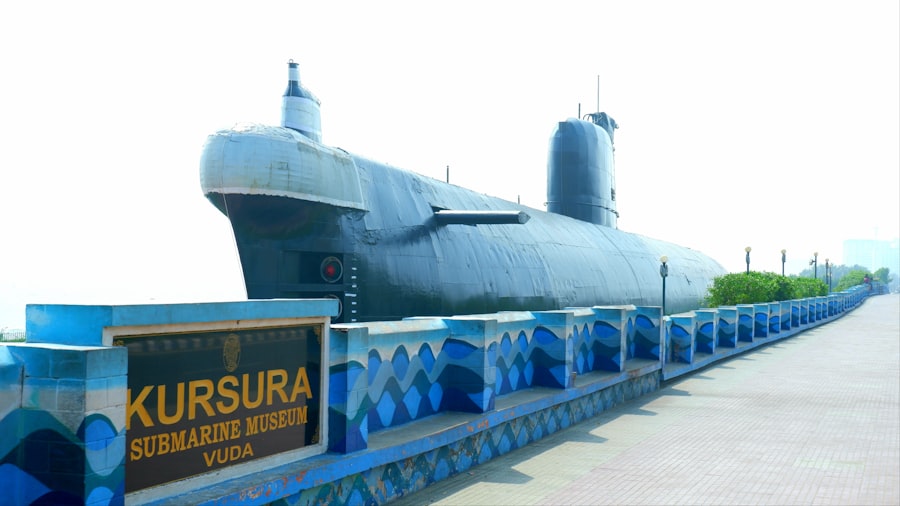
The ocean’s depths are an alien environment for human life. Extreme pressure, lack of breathable air, and complete darkness present formidable challenges. Sophisticated life support and environmental control systems are the unsung heroes that allow crews to survive and function within the confines of a submarine for extended missions.
Air Purity: The Foundation of Survival
The most critical aspect of life support is maintaining a breathable atmosphere. This involves several key processes:
Oxygen Generation
In early submarines, stored compressed air was the primary source of oxygen. Modern nuclear submarines utilize electrolysis of water to generate oxygen, splitting H₂O into hydrogen and oxygen. For non-nuclear submarines, oxygen is often generated through the use of “oxygen candles” – chemical compounds that release oxygen when ignited, or increasingly, via electrolysis systems similar to those in space modules.
Carbon Dioxide Removal
The by-product of human respiration, carbon dioxide (CO₂), is toxic at elevated concentrations. Submarines employ scrubbers, typically using chemical absorbents like lithium hydroxide or amine solutions, to remove CO₂ from the air. The effectiveness and efficiency of these CO₂ removal systems are paramount for maintaining crew health and preventing the buildup of dangerous gases.
Trace Contaminant Control
Beyond oxygen and CO₂, numerous other trace gases and airborne particles can accumulate in the sealed environment of a submarine. Advanced filtration systems, including activated charcoal filters and catalytic converters, are used to remove these contaminants, ensuring the air remains safe and pleasant to breathe. Managing humidity is also crucial to prevent corrosion and maintain crew comfort.
Water Management: A Closed-Loop System
Freshwater is essential for drinking, hygiene, and various operational processes. Submarines typically employ desalinization plants to convert seawater into potable water. Sophisticated water recycling systems also reclaim and purify wastewater from showers, sinks, and toilets, minimizing the need for onboard storage and extending mission endurance.
Habitability and Crew Well-being
Beyond the purely functional aspects of survival, maintaining crew morale and well-being is vital for long deployments. This involves carefully managing internal temperature, providing adequate lighting, and creating functional living spaces. Modern submarines often feature advanced climate control systems, improved crew quarters, and recreational facilities to mitigate the psychological effects of prolonged isolation and confinement.
Submarine technology has seen remarkable advancements in recent years, particularly in areas such as stealth capabilities and autonomous operations. For those interested in exploring this topic further, a related article discusses the latest innovations and their implications for naval warfare. You can read more about these developments in the article found here. As nations continue to invest in their underwater fleets, understanding these technologies becomes increasingly important for both military strategists and enthusiasts alike.
Navigation, Sonar, and Communication: Perceiving and Interacting with the Underwater World
| Metric | Description | Typical Values | Unit |
|---|---|---|---|
| Maximum Operating Depth | Maximum depth at which a submarine can operate safely | 300 – 600 | meters |
| Submerged Speed | Maximum speed of the submarine while underwater | 20 – 35 | knots |
| Surface Speed | Maximum speed of the submarine while on the surface | 10 – 20 | knots |
| Endurance | Maximum time the submarine can operate without resupply | 30 – 90 | days |
| Displacement | Weight of water displaced by the submarine, indicating size | 1,500 – 18,000 | tons |
| Hull Material | Material used for the pressure hull | HY-80 Steel, Titanium Alloy | N/A |
| Propulsion Type | Type of propulsion system used | Nuclear, Diesel-Electric, Air-Independent Propulsion (AIP) | N/A |
| Sonar Range | Effective detection range of onboard sonar systems | 10 – 50 | kilometers |
| Crew Size | Number of personnel required to operate the submarine | 30 – 150 | persons |
| Weapon Systems | Types of weapons equipped on the submarine | Torpeodes, Cruise Missiles, Ballistic Missiles | N/A |
Operating in the deep ocean is akin to navigating a pitch-black, three-dimensional maze. Without reliable means to perceive the environment and communicate, a submarine is effectively blind and deaf. Advances in sensor technology, particularly sonar, and sophisticated navigation systems have transformed how submarines “see” and interact with their surroundings.
The Power of Sonar: The Submarine’s Eyes and Ears
Sonar (Sound Navigation and Ranging) is the primary sensory tool for submarines. It works by emitting sound pulses and analyzing the returning echoes to determine the range, bearing, and characteristics of objects in the water.
Active Sonar
Active sonar involves the submarine emitting its own sound pulses, providing a clear picture of the surroundings. However, this actively reveals the submarine’s presence, making it a double-edged sword, often used only when necessary.
Passive Sonar
Passive sonar involves the submarine listening for ambient sounds in the ocean, including the sounds produced by other vessels, marine life, and environmental noise. Sophisticated algorithms and highly sensitive hydrophones allow submarines to detect and track targets at great distances without betraying their own location. The quietness of a submarine’s own systems is paramount for effective passive sonar operation, leading to continuous efforts in noise reduction.
Advanced Sonar Technologies
Modern sonar systems employ a range of techniques, including phased arrays for improved directional accuracy, synthetic aperture sonar for higher resolution imaging of the seabed, and advanced signal processing to differentiate targets from background noise. The development of AI and machine learning is also enhancing sonar capabilities by enabling more accurate target identification and prediction.
Inertial Navigation Systems (INS): Unwavering Guidance
GPS signals do not penetrate water effectively, making traditional satellite navigation unreliable underwater. Submarines rely heavily on Inertial Navigation Systems (INS). These systems use gyroscopes and accelerometers to track the submarine’s movements, calculating its position, velocity, and orientation based on its initial known position. While INS is highly accurate over short periods, small errors can accumulate over time, necessitating periodic updates from external sources such as acoustic beacons or surface navigation fixes when possible.
Underwater Communication: A Persistent Challenge
Communicating underwater poses significant difficulties due to the nature of radio waves, which are highly attenuated by water.
Acoustic Communication
The most common method of underwater communication is acoustic signaling, essentially underwater sound. This is akin to shouting across a vast, murky hall. The speeds are slow, and the range can be limited, making it unsuitable for rapid data transfer.
Extremely Low Frequency (ELF) and Very Low Frequency (VLF) Radio
For strategic communication with submerged submarines, Extremely Low Frequency (ELF) and Very Low Frequency (VLF) radio waves are used. These frequencies have longer wavelengths and can penetrate seawater to a limited extent. However, the antennas required are massive, often spanning miles, and the data transmission rates are extremely low, suitable only for short, crucial messages.
Emerging Technologies
Research is ongoing into optical communication systems using lasers, which could offer higher bandwidth but are currently limited by water clarity and range. Quantum communication is also an area of future exploration, holding the potential for secure and efficient underwater communication.
Future Frontiers: Autonomous Underwater Vehicles and Deeper Explorations
The evolution of submarine technology is far from complete. The quest to explore the ocean’s remaining mysteries continues, driven by the pursuit of scientific knowledge, resource discovery, and a deeper understanding of our planet’s most expansive frontier. The future promises even more autonomy, greater depth capabilities, and a broader range of applications.
The Rise of Autonomous Underwater Vehicles (AUVs)
Autonomous Underwater Vehicles (AUVs) represent a significant shift towards unmanned exploration. These are pre-programmed or AI-guided vehicles that can operate independently for extended periods, performing tasks such as oceanographic surveying, seabed mapping, and environmental monitoring. AUVs can venture into environments too hazardous or too deep for crewed submarines, acting as the vanguard of exploration. Their ability to collect vast amounts of data in a systematic fashion is revolutionizing marine science.
Manned Submersibles for Extreme Depths
While AUVs excel in their specialized roles, the allure of human presence in the deepest trenches remains. The development of new classes of manned submersibles, constructed from advanced materials like titanium and employing novel life support systems, continues to push the boundaries of human exploration. These vehicles are designed to withstand the immense pressures of the Challenger Deep and other hadal zones, allowing scientists to directly observe and sample these extreme environments.
Integrating Data and Predictive Modeling
The sheer volume of data collected by modern submarines and AUVs is staggering. Future advancements will focus on the sophisticated integration of this data, coupled with powerful analytical tools and predictive modeling. This will enable a more comprehensive understanding of ocean currents, climate change impacts, marine ecosystems, and the identification of valuable resources.
The Ocean as a Biological Frontier
The ocean remains a vast reservoir of undiscovered life. Future submarine technology will be crucial for exploring these hidden biological realms, from deep-sea hydrothermal vents teeming with unique life forms to the vast, dimly lit mesopelagic zones. The ability to conduct in-situ biological research, collect genetic samples, and deploy sensitive monitoring equipment will unlock new insights into evolution, biodiversity, and potentially, new sources of pharmaceuticals and biomaterials.
The journey into the ocean’s depths is an ongoing saga of human curiosity and technological prowess. Each advancement in submarine technology, from the earliest crude contraptions to the sophisticated vessels of today and the autonomous explorers of tomorrow, represents a triumph of human ingenuity in the face of immense natural challenges. As we continue to push the boundaries of what is possible, the silent, dark world beneath the waves will undoubtedly yield even more profound secrets, reshaping our understanding of our planet and our place within it. The exploration of the depths is not merely a scientific endeavor; it is a fundamental human drive to understand the unknown.
FAQs
What is submarine technology?
Submarine technology refers to the engineering, design, and systems used to build and operate submarines—vessels capable of underwater navigation and operation for military, research, or commercial purposes.
How do submarines achieve underwater propulsion?
Submarines typically use nuclear reactors or diesel-electric engines to power electric motors that drive propellers or pump jets, enabling silent and efficient underwater propulsion.
What materials are commonly used in submarine construction?
Submarines are constructed using high-strength steel alloys, titanium, and composite materials to withstand high pressure at depth while maintaining structural integrity and minimizing weight.
How do submarines navigate underwater without GPS?
Submarines use inertial navigation systems (INS), sonar, and sometimes underwater navigation beacons to determine their position and navigate accurately when GPS signals are unavailable underwater.
What safety measures are incorporated in submarine technology?
Safety measures include emergency ballast systems for rapid surfacing, life support systems to maintain breathable air, hull integrity monitoring, escape pods or chambers, and redundant control systems to handle emergencies.