The Sea of Okhotsk, a marginal sea of the western Pacific Ocean, is a body of water renowned for its harsh climate, significant ice coverage, and rich natural resources. Beneath its often-turbulent surface lies a complex geological landscape, home to extensive oil and gas reserves. The extraction of these resources, particularly from deeper formations, necessitates the deployment of highly specialized personnel: saturation divers. Their work, often conducted in conditions that push the limits of human endurance and technological capability, represents a critical component of offshore energy exploration and production. This article delves into the intricate world of saturation diving within the Sea of Okhotsk, examining the scientific principles, operational challenges, and societal significance of this remarkable profession.
Saturation divers in the Sea of Okhotsk face unique challenges due to the extreme conditions and depths they encounter while working on underwater projects. For a deeper understanding of the risks and techniques involved in saturation diving, you can explore a related article that delves into the experiences of divers in this region. Check it out here: Saturation Diving in the Sea of Okhotsk.
The Principle of Saturation: A Delicate Balance
Saturation diving is a technique that enables divers to work at great depths for extended periods without the need for daily decompression. This is achieved by allowing their body tissues to become fully saturated with the inert gases of their breathing mixture.
Understanding Dalton’s Law and Henry’s Law in Saturation Diving
To comprehend the mechanics of saturation diving, one must first grasp the implications of Dalton’s Law of Partial Pressures and Henry’s Law of Gas Solubility.
- Dalton’s Law: This law states that the total pressure exerted by a mixture of non-reacting gases is equal to the sum of the partial pressures of individual gases. In a saturation diving environment, the breathing gas is typically a mixture of helium and oxygen, known as heliox. As depth increases, the ambient pressure rises, and consequently, the partial pressures of the gases within the diver’s lungs and tissues also increase.
- Henry’s Law: This law dictates that the amount of gas dissolved in a liquid is directly proportional to the partial pressure of that gas above the liquid. In the context of diving, as the partial pressure of inert gases (primarily helium) in the breathing mixture increases, more of these gases dissolve into the diver’s blood and subsequently into their tissues.
The Phenomenon of Tissue Saturation
When a diver remains at a constant depth for a sufficient duration, the partial pressures of the inert gases in their tissues eventually equilibrate with the partial pressures of the inert gases in their breathing mixture. This state is known as tissue saturation. Once saturated, the diver can remain at that depth for weeks or even months without incurring additional decompression obligations upon returning to the surface pressure, provided they remain at the same saturation depth. The decompression process, which is the most time-consuming and hazardous part of the operation, is then only performed once at the end of the entire diving campaign. This crucial distinction significantly enhances operational efficiency and safety compared to conventional bounce diving, where each ascent requires lengthy decompression.
The Habitat: A Self-Contained Ecosystem Beneath the Waves
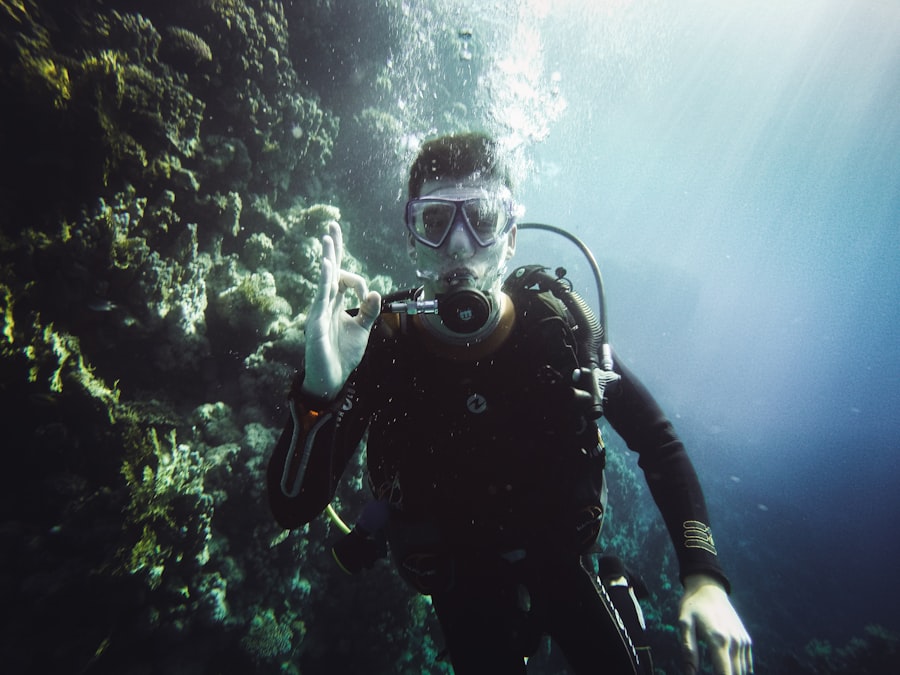
The saturation diving system is a complex integration of technology designed to sustain human life and facilitate work at pressure. At its core are the living chambers, often referred to as the habitat, where divers reside for the duration of their time under pressure.
The Deck Decompression Chamber (DDC)
The DDC is the primary living space for saturation divers on the surface vessel. It is a robust pressure vessel, typically compartmentalized into sleeping areas, a small galley, and sometimes a sanitary facility. The DDC is maintained at the same ambient pressure as the divers’ working depth, which can be hundreds of meters below the surface. This constancy of pressure is paramount to prevent decompression sickness. Inside the DDC, the atmosphere is carefully controlled, with continuous monitoring of oxygen levels, carbon dioxide, temperature, and humidity. Environmental control systems actively scrub carbon dioxide and introduce fresh oxygen to maintain breathable air.
The Transfer Under Pressure (TUP) System
Connecting the DDC to the ocean floor is the Transfer Under Pressure (TUP) system, often comprising a diving bell. The bell, a smaller pressure vessel, acts as an elevator, transporting divers from the DDC to the seabed and back. While inside the bell, divers maintain the same pressure as the DDC. Once at the worksite, the bell is mated to a subsea structure, or divers exit through a hatch into the open sea. The bell is equipped with essential life support systems, including primary and secondary breathing gas supplies, communication systems, and emergency power. It is a temporary extension of the habitat, allowing divers to transit to and from their underwater worksite.
Life at Pressure: The Psychological and Physiological Impact
Living at pressure for extended periods presents unique psychological and physiological challenges. The confined space, limited natural light, and the constant hum of life support systems can contribute to feelings of isolation and claustrophobia. Divers undergo rigorous psychological evaluations before entering saturation to ensure their resilience and suitability for this demanding environment. Physiologically, the high partial pressure of inert gases can lead to minor sensory alterations, such as changes in voice (the “Donald Duck” effect due to helium’s low density), and a subtle slowing of thought processes. Comprehensive medical monitoring is a continuous aspect of saturation diving, addressing any potential health concerns proactively.
The Seaborne Platform: A Floating Base of Operations
The Sea of Okhotsk’s formidable conditions necessitate specialized vessels for saturation diving operations. These vessels serve as the nerve center and logistical hub for the entire project.
Dynamic Positioning: Holding Steady in a Dynamic Environment
Modern saturation diving vessels are equipped with advanced dynamic positioning (DP) systems. These systems utilize a combination of thrusters, global positioning systems (GPS), and motion sensors to maintain the vessel’s precise position over the worksite, even in strong currents, high winds, and significant wave action common in the Sea of Okhotsk. This capability is critical for the safe deployment and recovery of diving bells and the stability required for complex subsea construction and maintenance tasks. The DP system acts as the ship’s anchor, a digital phantom holding the vessel firmly in place. Without it, the delicate dance of subsea operations would be impossible.
Life Support and Emergency Systems: Redundancy as a Lifeline
A deep-sea diving operation is an inherently hazardous undertaking, and redundancy in all critical systems is not merely a preference but a fundamental requirement. Saturation diving vessels are outfitted with multiple, independent life support systems for the DDC and diving bell, including backup breathing gas supplies, emergency power generators, and auxiliary heating and cooling systems. Fire suppression systems, medical facilities with trained personnel, and hyperbaric rescue chambers are also standard. The principle of “fail-safe” is meticulously applied, ensuring that the failure of a single component does not compromise the safety of the divers or the integrity of the operation.
Logistic Challenges in the Sea of Okhotsk
Operating in the Sea of Okhotsk introduces an additional layer of logistical complexity. The often-remote locations, the presence of sea ice for significant portions of the year, and the volatile weather patterns demand meticulous planning and extensive contingency measures. Ice-strengthened vessels and specialized support craft are sometimes required, particularly during the shoulder seasons. The logistics of transporting personnel, equipment, and consumables to these remote sites can be particularly challenging, requiring long transit times and careful coordination.
Saturation divers working in the challenging conditions of the Sea of Okhotsk face numerous risks and technical challenges, making their work both fascinating and perilous. For those interested in exploring the intricacies of this profession, a related article provides valuable insights into the techniques and safety measures employed by these divers. You can read more about their experiences and the unique environment they operate in by visiting this detailed article.
Subsea Operations: The Hands of Man in the Deep
| Metric | Value | Unit | Notes |
|---|---|---|---|
| Maximum Depth | 150 | meters | Typical operational depth for saturation divers in the Sea of Okhotsk |
| Bottom Time | 6-8 | hours | Duration divers spend working at depth during a saturation dive |
| Decompression Time | 24-48 | hours | Time required to safely decompress after saturation diving |
| Water Temperature | 2-5 | °C | Average sea temperature at operational depths in the Sea of Okhotsk |
| Gas Mixture | Heliox | – | Common breathing gas mixture used for saturation diving |
| Number of Divers per Shift | 3-4 | persons | Typical team size for saturation diving operations |
| Typical Dive Duration | 7-14 | days | Length of saturation diving campaign in the Sea of Okhotsk |
Once at the worksite, saturation divers perform a wide array of tasks crucial for the development and maintenance of subsea infrastructure.
Installation and Maintenance of Wellheads and Pipelines
A substantial portion of saturation divers’ work in the Sea of Okhotsk focuses on the installation and maintenance of offshore oil and gas production systems. This includes the connection of subsea flowlines and pipelines, the installation and inspection of wellhead equipment, and the maintenance of manifold systems. These tasks often involve working with heavy tools and complex robotics, sometimes in severely restricted visibility due to sediment or the dark abyss itself. The divers act as skilled artisans, their gloved hands meticulously assembling the intricate puzzle pieces of the subsea energy network.
Inspection, Repair, and Intervention (IRI)
Regular inspection is vital to ensure the structural integrity and operational efficiency of subsea installations. Saturation divers conduct visual and non-destructive testing (NDT) inspections of pipelines, risers, and structural components for cracks, corrosion, and other forms of damage. When issues are identified, divers perform various repair procedures, including welding, bolting, and the replacement of components. These interventions are often time-critical, as any prolonged disruption to production can have significant financial implications. The divers are the eyes and hands that scrutinize the hidden wounds of steel and concrete, patching them before they become fatal.
Emergency Response and Salvage Operations
In the event of an unforeseen incident, such as equipment malfunction or an environmental emergency, saturation divers play a critical role in rapid response and recovery. Their ability to operate at depth for extended periods makes them invaluable for complex salvage operations, the recovery of lost equipment, or the containment of potential environmental hazards. These operations are often conducted under immense pressure, with time being a crucial factor in mitigating risks and potential damage. Their presence in an emergency is a testament to their adaptability and their courage in the face of the unknown.
The Human Element: Training, Dedication, and the Path Ahead
The demanding nature of saturation diving necessitates individuals of exceptional skill, resilience, and unwavering commitment.
Rigorous Training and Certification
Becoming a saturation diver is a long and arduous journey involving extensive training and certification. Candidates typically begin as air divers, accumulating significant experience in various underwater construction and inspection techniques. They then undertake specialized saturation diving courses, covering decompression theory, hyperbaric medicine, life support systems, and advanced underwater welding and cutting. Certifications from recognized bodies such as the International Marine Contractors Association (IMCA) or national regulatory agencies are mandatory, ensuring adherence to stringent safety standards and operational protocols. The training molds them into guardians of the deep, equipped with a unique blend of practical skills and theoretical knowledge.
Psychological Fortitude and Teamwork
Beyond technical proficiency, saturation divers must possess extraordinary psychological fortitude. The isolation, the constant awareness of being in a high-pressure environment, and the demanding nature of the work require immense mental strength and self-discipline. Teamwork is paramount in saturation diving. Divers live and work in close quarters, relying entirely on each other for their safety and well-being. Effective communication, mutual trust, and a shared commitment to safety are the cornerstones of successful saturation diving operations. They are a close-knit family, sharing the solitude and the immense pressures of their chosen profession.
The Future of Deepwater Exploration and Robotics
While saturation diving remains indispensable for many complex subsea tasks, the future of deepwater exploration and intervention is increasingly trending towards a synergistic approach involving advanced robotics and remotely operated vehicles (ROVs). ROVs can perform many inspection, survey, and intervention tasks, reducing diver exposure to hazardous environments. However, for intricate tasks requiring human dexterity, problem-solving capabilities, and immediate tactical decision-making, robots continue to fall short. The future is likely to see saturation divers working in increasingly close collaboration with, and overseeing, advanced robotic systems, pushing the boundaries of what is possible in the Sea of Okhotsk’s depths and beyond. The future may see fewer hands, but the human mind will remain the primary orchestrator of these underwater marvels.
The Sea of Okhotsk, with its profound challenges and abundant resources, stands as a testament to the indomitable spirit of human exploration and technological innovation. The silent, tireless work of saturation divers in this unforgiving environment represents not merely an engineering feat but a profound commitment to unlocking the Earth’s hidden treasures, while simultaneously navigating the delicate balance between progress and safety. Their contributions, often overlooked by those on the surface, are fundamental to powering modern society, a silent symphony playing out in the deep, frigid waters.
WARNING: The $35,000 Betrayal That Blinded America
FAQs
What is a saturation diver?
A saturation diver is a professional diver who lives and works under high-pressure conditions for extended periods, allowing them to perform deep-sea underwater tasks without needing to decompress after each dive.
Why are saturation divers used in the Sea of Okhotsk?
Saturation divers are used in the Sea of Okhotsk primarily for underwater construction, maintenance, and repair of oil and gas infrastructure, as well as scientific research, due to the region’s deep waters and challenging conditions.
What are the typical depths saturation divers work at in the Sea of Okhotsk?
Saturation divers in the Sea of Okhotsk typically work at depths ranging from 50 to over 200 meters, depending on the specific underwater tasks and the location of oil and gas installations.
What safety measures are in place for saturation divers in the Sea of Okhotsk?
Safety measures include the use of specialized diving chambers, continuous monitoring of pressure and gas mixtures, strict decompression protocols, and emergency support systems to protect divers from risks such as decompression sickness and hypothermia.
What challenges do saturation divers face in the Sea of Okhotsk?
Challenges include extreme cold temperatures, strong underwater currents, limited visibility, and the remote location, which require advanced training, specialized equipment, and careful planning to ensure diver safety and mission success.