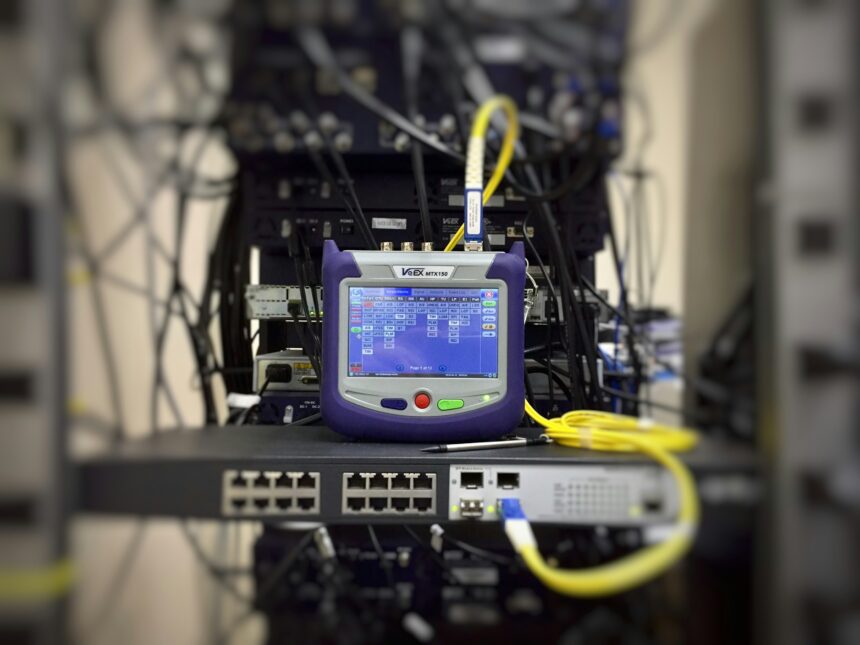
The harsh and remote environment of Antarctica presents a unique set of challenges for scientific research. Extreme temperatures, vast distances, and limited accessibility necessitate robust and reliable infrastructure. In recent years, the deployment of fiber optic cables has emerged as a critical advancement, significantly enhancing the capabilities of Antarctic research stations. These cables, capable of transmitting data at extremely high speeds over long distances, offer a substantial upgrade from traditional copper-based networking, enabling more efficient data collection, real-time collaboration, and the deployment of sophisticated scientific instruments. This exploration delves into the multifaceted benefits that fiber optic technology brings to the pursuit of scientific knowledge in one of Earth’s most extreme frontiers.
Enhanced Data Transmission Capabilities
The core advantage of fiber optic cables lies in their inherent ability to transmit vast amounts of data at exceptionally high speeds. This is a crucial factor for Antarctic research, where sensitive scientific instruments often generate massive datasets.
High Bandwidth for Scientific Data Collection
Antarctic research encompasses a broad spectrum of disciplines, including glaciology, atmospheric science, oceanography, astrophysics, and biology. Each of these fields generates data of varying types and volumes. For instance:
- Glaciology: Ice core drilling operations can produce gigabytes of high-resolution imagery and chemical analysis data. Understanding past climate conditions requires detailed examination of ice layers, which often involves sophisticated imaging techniques.
- Atmospheric Science: Meteorological stations, radar systems, and atmospheric sounding instruments continuously collect data on temperature, pressure, wind speed, humidity, and atmospheric composition. These can include real-time sensor readings, spectral data, and radar reflectivity maps.
- Oceanography: Underwater sensors, buoys, and research vessels collect data on oceanographic parameters such as temperature, salinity, currents, and marine life. The increasing use of autonomous underwater vehicles (AUVs) and remotely operated vehicles (ROVs) further amplifies data generation, requiring high-bandwidth links for their deployment and data retrieval.
- Astrophysics: Observatories like the South Pole Telescope and research conducted at the IceCube Neutrino Observatory generate petabytes of data annually. This includes detailed radio telescope observations of the cosmic microwave background and the detection of high-energy neutrinos from deep space. Processing and analyzing such immense datasets locally often requires significant computational resources, making efficient data transfer to off-continent analysis centers paramount.
Fiber optic cables, with their significantly higher bandwidth compared to copper, can handle these data demands with relative ease. This allows for the continuous streaming of real-time data from these instruments, eliminating the bottlenecks associated with slower transmission methods. Researchers no longer need to wait for physically collected data drives to be transported off the continent, enabling more agile and responsive research projects.
Low Latency for Real-Time Monitoring and Control
Beyond sheer volume, the speed at which data travels is critical for applications requiring immediate feedback. Fiber optics exhibit significantly lower latency than copper, meaning the time it takes for a signal to travel from source to destination is reduced.
- Remote Instrument Operation: Fiber optics enable researchers to remotely control and monitor sensitive instruments in real-time, even if those instruments are located kilometers away from the main research station. This is particularly important for instruments deployed in hazardous or inaccessible areas, such as on remote ice shelves or deep within fjords.
- Feedback Loops for Experiments: Complex scientific experiments often rely on sophisticated feedback mechanisms. For example, controlling the precise temperature of a sample in a cryogenic experiment or adjusting the pointing of a telescope based on atmospheric conditions requires near-instantaneous communication. Fiber optics facilitate these rapid feedback loops, improving the accuracy and efficiency of such experiments.
- Emergency Response and Station Operations: In a remote environment, swift communication is vital for operational efficiency and safety. Fiber optic networks allow for immediate communication between different parts of a large research station, or between a station and external support, ensuring that any issues can be addressed promptly. This includes coordinating logistics, managing power grids, and responding to potential environmental or safety incidents.
The ability to transmit data quickly and with minimal delay is fundamental to modern scientific investigation, and fiber optics provide the necessary infrastructure to achieve this in the challenging Antarctic setting.
In the quest to enhance communication capabilities in remote regions, the implementation of fiber optic cables at Antarctic stations has garnered significant attention. A related article that delves into the advancements and challenges of this technology can be found at In the War Room. This resource provides insights into how fiber optics can improve connectivity in extreme environments, facilitating better research and collaboration among scientists stationed in Antarctica.
Improved Network Reliability and Durability
The Antarctic environment is notoriously unforgiving, posing significant threats to any physical infrastructure. Fiber optic cables, with their inherent properties and the careful engineering involved in their deployment, offer a notable improvement in network reliability and durability.
Resistance to Electromagnetic Interference (EMI)
Traditional copper cables are susceptible to electromagnetic interference (EMI). Electrical currents flowing through nearby power lines, radio transmissions, or even lightning strikes can induce unwanted signals in copper wires, corrupting data and leading to transmission errors. This is a particular concern in research environments where sensitive scientific equipment may be operating or where strong atmospheric phenomena are prevalent.
Fiber optic cables, on the other hand, transmit data using light signals. Light is not affected by electromagnetic fields, making fiber optic networks inherently immune to EMI. This is a critical advantage in Antarctica, where atmospheric electricity can be a factor, and where the presence of various electronic scientific instruments could otherwise create a noisy electromagnetic environment. The immunity to EMI ensures that data integrity is maintained, leading to more accurate and reliable scientific results.
Physical Durability and Environmental Resilience
While fiber optic cables are made of glass or plastic, their installation in Antarctica involves robust protective sheathing and careful trenching or aerial deployment strategies to withstand the extreme conditions.
- Temperature Extremes: The materials used in fiber optic cables and their protective sheathing are designed to remain flexible and resilient at extremely low temperatures, preventing brittleness and cracking that could occur with less specialized materials.
- Ice and Snow Movement: Significant ice movement and accumulation of snow can exert considerable pressure on buried or surface-laid cables. The robust construction of modern fiber optic cables, along with proper installation techniques that account for ice heave and snow load, provides a high degree of resistance to these forces.
- Corrosion Resistance: Exposed metal components in copper cables can be susceptible to corrosion, especially in the presence of salt spray if stations are located near the coast. Fiber optic cables do not have metallic conductors that are vulnerable to this type of degradation, contributing to their longevity.
The inherent resilience of fiber optics to environmental factors, combined with specialized installation techniques, results in a more stable and dependable network infrastructure that can withstand the rigors of the Antarctic continent.
Reduced Maintenance Requirements
A direct consequence of improved reliability and durability is a reduction in maintenance needs. In a remote location like Antarctica, maintenance and repairs are costly, logistically challenging, and can disrupt critical research operations.
- Fewer Downtime Events: The immunity to EMI and the physical resilience of fiber optics lead to fewer instances of network failure or degradation that would require intervention. This translates to extended periods of uninterrupted data collection and communication.
- Easier Troubleshooting: When issues do arise, fiber optic networks can sometimes be easier to troubleshoot from a remote location, leveraging specialized testing equipment designed to assess signal integrity. This reduces the need for immediate on-site visits by specialized technicians.
- Longer Lifespan: With proper installation and protection, fiber optic cables can have a significantly longer operational lifespan than copper cables, further reducing the frequency of replacement and the associated costs and logistical burdens.
The reduced need for frequent intervention frees up valuable resources and personnel at research stations, allowing them to focus on their scientific objectives rather than on maintaining basic infrastructure.
Enabling Advanced Scientific Instruments and Collaboration
The enhanced capabilities provided by fiber optic networks are not merely about improving existing operations; they are also enablers of entirely new scientific possibilities and facilitate more effective collaboration.
Support for High-Resolution Imaging and Sensing Technologies
Many modern scientific instruments rely on generating and transmitting high-resolution data. Fiber optics are essential for these advanced technologies.
- Ground-Penetrating Radar (GPR): GPR systems used in glaciology to map subsurface ice structures produce large volumes of detailed spatial data. High-bandwidth fiber optics are necessary to transmit this information efficiently from the GPR unit to processing centers.
- High-Resolution Cameras and Sensors: Advanced imaging systems used for observing wildlife, geological formations, or atmospheric phenomena often capture images and video at very high resolutions. Fiber optics ensure that this visual data can be streamed and analyzed in near real-time.
- Spectroscopic Analysis: Instruments that perform spectroscopic analysis, such as those used to identify atmospheric gases or the composition of geological samples, generate complex spectral data. Fiber optic cables are crucial for the rapid transfer of these detailed measurements for analysis.
The ability to transmit such data streams seamlessly is fundamental to the effective utilization of these cutting-edge scientific tools.
Real-Time Collaboration and Data Sharing
Antarctic research is inherently a collaborative international effort. Fiber optic networks significantly facilitate this collaboration.
- Virtual Presence and Remote Expertise: Researchers at Antarctic stations can engage in real-time video conferencing and screen sharing with colleagues at institutions worldwide. This allows for immediate consultation on data analysis, troubleshooting of equipment, and the sharing of findings, effectively bringing remote experts to the forefront of research activities.
- Distributed Data Analysis: Large scientific datasets from Antarctica often require distributed computing resources for analysis. Fiber optics enable researchers to upload their data quickly to cloud-based or dedicated analysis clusters located off-continent, where more powerful computing capabilities are available. This accelerates the discovery process.
- International Project Integration: Many Antarctic research projects are international in scope. Fiber optic links ensure that data collected at different stations or by different research teams can be integrated and shared seamlessly, fostering a more cohesive and efficient global research effort. For example, coordinated climate monitoring efforts can benefit immensely from synchronized, high-speed data exchange between stations.
The ease of communication and data sharing fostered by fiber optics breaks down geographical barriers, enabling more efficient and effective scientific collaboration on a global scale.
Facilitating the Deployment of New Technologies
The robust communication infrastructure provided by fiber optics opens doors for the deployment of new and more advanced technologies that were previously impractical in the Antarctic context.
Advanced Robotic and Autonomous Systems
The deployment of robotic and autonomous systems is increasingly important for Antarctic research, allowing for operation in extreme conditions and at locations too dangerous for human presence.
- Autonomous Underwater Vehicles (AUVs) and Remotely Operated Vehicles (ROVs): These vehicles are equipped with sophisticated sensors and cameras. Fiber optic cables, particularly those deployed on research vessels or along the continental shelf, can provide high-bandwidth, low-latency communication channels for real-time control, data streaming, and imagery transmission from these submerged assets. This allows for more complex missions and quicker identification of scientific targets.
- Unmanned Aerial Vehicles (UAVs) for Aerial Surveys: UAVs equipped with high-resolution cameras, lidar, or other sensor packages can conduct detailed aerial surveys of glaciers, ice shelves, and coastal areas. High-bandwidth fiber optic links can facilitate real-time telemetry and data offload, improving the efficiency of data acquisition and mission planning.
- Robotic Field Assistants: As robotics advance, the concept of robotic assistants to aid researchers in field operations becomes more feasible. Fiber optics would be essential for enabling these robots to receive instructions, transmit sensor data, and coordinate their actions with human researchers.
The reliable and high-capacity communication provided by fiber optics is a foundational requirement for the successful operation and integration of these advanced robotic platforms.
Next-Generation Scientific Instrumentation
The development of new generations of scientific instruments is often constrained by communication capabilities. Fiber optics remove some of these constraints.
- High-Performance Computing (HPC) Integration: Research stations are increasingly incorporating on-site HPC clusters for initial data processing and analysis. Fiber optic networks ensure that these clusters can efficiently ingest data from all available instruments and, when necessary, offload processed data to larger external HPC facilities.
- Smart Sensor Networks: The vision of interconnected “smart” sensor networks, where instruments communicate with each other and adapt their operations based on pooled data, is becoming a reality. Fiber optics provide the high-bandwidth, low-latency backbone required to support such distributed and cooperative sensing paradigms.
- Virtual and Augmented Reality (VR/AR) for Data Visualization: Emerging technologies like VR and AR offer new ways to visualize and interact with complex scientific data. High-bandwidth fiber optic links are crucial for streaming the large datasets required for immersive VR/AR experiences, allowing researchers to explore datasets in a more intuitive and insightful manner.
By providing a robust and high-capacity communication infrastructure, fiber optic cables are not just supporting current research but are actively paving the way for future scientific exploration and discovery in Antarctica.
Recent advancements in communication technology have significantly impacted research operations in remote locations, particularly in Antarctica. A fascinating article discusses the implementation of fiber optic cables at Antarctic research stations, enhancing data transmission and connectivity for scientists working in extreme conditions. This development is crucial for facilitating real-time communication and collaboration among researchers. To learn more about this innovative approach, you can read the full article here.
Economic and Logistical Advantages
While the initial investment in fiber optic deployment can be significant, the long-term economic and logistical advantages it offers to Antarctic research stations are substantial.
Reduced Operational Costs
The reliability and durability of fiber optic systems translate into lower operational costs over their lifespan.
- Lower Maintenance and Repair Expenses: As discussed previously, the reduced need for physical intervention and replacement significantly cuts down on costs associated with personnel travel, spare parts, and repair materials.
- Less Frequent Infrastructure Upgrades: Compared to copper networks that may require more frequent upgrades to meet increasing bandwidth demands, fiber optics offer a more future-proof solution, potentially delaying the need for complete overhauls.
- Improved Efficiency of Personnel: Researchers and support staff spend less time troubleshooting network issues, freeing them up to focus on their core scientific and operational responsibilities, thereby optimizing the utilization of valuable human resources.
The economic benefits are particularly significant in Antarctica, where every logistical operation carries a high price tag.
Enhanced Data Security and Integrity
The inherent properties of fiber optics also contribute to enhanced data security and integrity.
- Difficulty of Eavesdropping: Tapping into a fiber optic cable without physically disrupting the light signal and being detected is significantly more difficult than with copper cables, where signals can be picked up electromagnetically. This offers a higher level of inherent security for sensitive scientific data.
- Data Integrity: The immunity to EMI ensures that data is transmitted without corruption from external electromagnetic noise, maintaining the integrity of scientific measurements and observations.
These security and integrity aspects are crucial for protecting valuable research data from accidental loss or malicious interference.
Facilitating Future Expansion and Technological Adoption
A high-capacity fiber optic network acts as a foundation for future growth and the adoption of new technologies.
- Scalability: Fiber optic infrastructure is inherently scalable. As bandwidth demands increase, it is often possible to upgrade the optoelectronic components at either end of the cable without having to replace the physical cable itself, making it a more sustainable and adaptable solution.
- Enabling Remote Operations: The reliable communication provided by fiber optics further enables the trend towards remote monitoring and control of scientific activities, potentially reducing the need for extensive on-site personnel for certain types of operations in the future.
- Attracting and Retaining Talent: Access to modern, high-performance communication infrastructure can also be a factor in attracting and retaining skilled researchers and support staff to Antarctic stations, contributing to the long-term success of scientific endeavors.
The investment in fiber optics is not merely an infrastructure upgrade; it is a strategic enabler of continued scientific advancement and operational efficiency in one of the world’s most critical research environments.
FAQs
What are fiber optic cables?
Fiber optic cables are a type of cable that uses thin strands of glass or plastic to transmit data using light signals. They are known for their high bandwidth and ability to transmit data over long distances.
Why are fiber optic cables important for Antarctic stations?
Fiber optic cables are important for Antarctic stations because they provide reliable and high-speed communication and data transmission capabilities. This is crucial for the exchange of scientific data, communication with the outside world, and maintaining operational efficiency in the harsh Antarctic environment.
How are fiber optic cables used in Antarctic research stations?
Fiber optic cables are used in Antarctic research stations to connect various scientific instruments, computers, and communication systems. They enable the transfer of large amounts of data, such as environmental monitoring data, satellite communications, and internet connectivity.
What are the challenges of using fiber optic cables in Antarctica?
Challenges of using fiber optic cables in Antarctica include extreme weather conditions, such as freezing temperatures and high winds, which can affect the cables’ performance. Additionally, the remote location of Antarctic stations makes maintenance and repair of the cables more difficult.
What are the benefits of using fiber optic cables in Antarctic research stations?
The benefits of using fiber optic cables in Antarctic research stations include high-speed data transmission, reliability, and the ability to support various scientific and communication needs. They also offer greater bandwidth and efficiency compared to traditional copper cables.