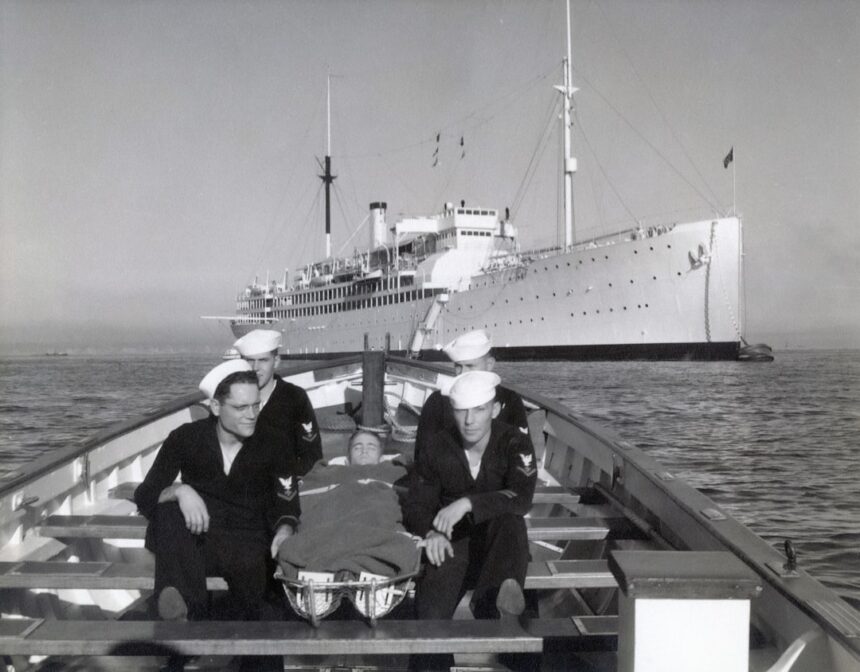
Naval history, a vast ocean of human endeavor, offers a compelling lens through which to understand global conflicts, technological advancements, and the very fabric of international relations. For those seeking a deep immersion into this complex subject, long-form documentaries serve as invaluable vessels, charting courses through centuries of maritime lore. These productions, often meticulously researched and visually rich, eschew the fleeting glimpses often found in shorter formats, instead opting for a comprehensive exploration of key events, influential figures, and the evolution of naval power. This article delves into the world of long-form naval history documentaries, examining their significance, the diverse narratives they present, and the resources available for viewers to embark on their own voyages of discovery.
Long-form documentaries are not merely compilations of historical footage; they are meticulously crafted narratives that aim to educate, inform, and often, to provoke thought. In the realm of naval history, these extended formats are particularly crucial. The sheer scale and complexity of maritime warfare, encompassing intricate strategic planning, the development of diverse vessel types, and the psychological impact of sea battles, demand a substantial canvas. Short documentaries can introduce concepts, but it is the long-form production that can truly unfurl the sails of understanding, allowing viewers to grapple with the nuances of an era or an event.
Providing Context and Depth
Unlike brief overviews, long-form documentaries possess the bandwidth to provide extensive historical context. They can trace the geopolitical currents that led to naval build-ups, explore the social and economic conditions that influenced naval development, and situate individual battles within the broader sweep of human history. This depth is akin to diving below the surface of the ocean; while the waves may tell a story, the true wonders and complexities lie in the depths. Without this contextual scaffolding, historical events can appear isolated and their significance diminished.
Unpacking Complex Strategies and Technologies
Naval warfare is inherently multifaceted. The interplay of technology, strategy, logistics, and human courage creates a dynamic and often brutal tableau. Long-form documentaries can dedicate ample time to dissecting complex naval strategies, such as the development of carrier aviation doctrine or the evolution of submarine warfare. They can also explore the technological leaps that transformed maritime power, from the introduction of gunpowder to the dawn of nuclear propulsion. This allows viewers to appreciate the engineering marvels and the intellectual battles that unfolded on the high seas, moving beyond a simplistic portrayal of cannon fire and broadsides.
Humanizing the Maritime Experience
At the heart of every naval engagement are the individuals who manned the ships. Long-form documentaries excel at bringing these stories to life. Through interviews with veterans, archival letters, and firsthand accounts, they offer a visceral connection to the lived experiences of sailors, officers, and those who supported them. This human dimension is vital for understanding the true cost of conflict and the extraordinary resilience and sacrifice often demanded of those in naval service. These narratives often reveal the quiet courage and the profound personal tolls of life at sea, providing a counterpoint to the grand pronouncements of admirals and politicians.
For those interested in delving deeper into naval history through captivating documentaries, a great resource can be found at In the War Room. This site offers a variety of long-form articles and documentaries that explore significant naval battles, influential ships, and the strategic decisions that shaped maritime warfare. Whether you’re a history enthusiast or simply curious about the naval past, this platform provides a comprehensive look at the events that have defined naval history.
Genres and Themes in Naval History Documentaries
The vastness of naval history translates into a diverse range of themes explored within long-form documentaries. These productions can focus on specific eras, pivotal conflicts, individual ships, or the evolution of naval thought.
World Wars and Their Naval Dimensions
The 20th century, particularly the two World Wars, represents a rich vein for naval history documentaries. These productions often dedicate entire series to the naval aspects of these global conflagrations.
World War I: The Great War at Sea
Documentaries exploring the naval battles of World War I often highlight the clash between pre-dreadnoughts and the emerging dominance of dreadnought technology. The Battle of Jutland, a pivotal but indecisive engagement between the British Grand Fleet and the German High Seas Fleet, frequently features as a central narrative. These films can delve into the flawed tactics, the technological limitations, and the immense losses sustained by both sides. They also explore the impact of naval blockades on civilian populations and the rise of submarine warfare as a devastating new weapon. The silent, unseen threat of the U-boat, lurking beneath the waves, offers a particularly chilling subject for documentary exploration.
World War II: The War of the Oceans
The naval war in World War II was a truly global affair, and documentaries reflect this scope. The Pacific Theatre, with its carrier battles like Midway and Guadalcanal, is a frequent focus, showcasing the shift in naval power towards aircraft carriers. The Atlantic, on the other hand, was a brutal struggle against U-boats, a desperate fight for supply lines that often comes alive in documentaries through harrowing accounts of survival.
The Pacific Theater: Carriers and Island Hopping
Long-form documentaries often dedicate significant attention to the strategic and tactical innovations that defined the Pacific War. The rapid development of carrier command and control, the intricate planning of amphibious assaults, and the sheer scale of naval production by the United States are commonly explored. The human cost of these campaigns, from the beaches of Iwo Jima to the naval engagements in the Coral Sea, is often powerfully conveyed.
The Atlantic Theater: The Battle of the Atlantic
The Battle of the Atlantic was a protracted and vital struggle, and documentaries on this subject often emphasize the grim reality for Allied merchant sailors and the relentless pressure exerted by German U-boats. They explore the development of anti-submarine warfare technologies, the strategic importance of convoys, and the psychological toll on those involved in this life-or-death struggle. The vastness of the Atlantic, a seemingly endless expanse, becomes a character in itself, a formidable adversary to those seeking passage.
Exploration and Discovery
Beyond warfare, naval history is also intrinsically linked to exploration and discovery. Long-form documentaries delve into the epic voyages that charted unknown territories and expanded the known world.
Age of Sail: Navigating the Unknown
The Age of Sail, from the voyages of Columbus to the circumnavigations of Magellan, is a testament to human courage and navigational skill. Documentaries on this era often focus on the challenges of long-distance sea travel before modern technology, the motivations behind these expeditions, and their profound impact on global history and cartography. The fragile wooden ships, mere specks on vast oceans, become symbols of human ambition against overwhelming odds.
The Age of Discovery and its Legacy
These documentaries do not shy away from the complex legacy of the Age of Discovery, exploring its role in colonialism, the establishment of global trade routes, and the unintended consequences of cultural exchange. They can examine the technologies that enabled these voyages, such as advancements in celestial navigation and shipbuilding, and the individuals who dared to venture into the unknown.
Technological Evolution of Naval Power
The development of naval technology is a story of continuous innovation. Long-form documentaries often trace this evolution, highlighting key inventions and their impact on naval strategy and global power dynamics.
From Wooden Ships to Ironclads
The transition from wooden sailing ships to ironclad warships marked a profound shift in naval warfare. Documentaries on this period often explore the impact of the Monitor and the Merrimack, the development of rifled artillery, and the dawn of steam power. This era represents a crucial juncture where tradition met technological disruption.
The Rise of Submarines and Aircraft Carriers
The 20th century saw the emergence of two revolutionary naval platforms: the submarine and the aircraft carrier. Documentaries dedicated to these technologies often detail their conceptualization, their development during wartime, and their lasting impact on naval doctrine. The submarine, a stealthy hunter of the deep, and the aircraft carrier, a floating airbase projecting power across vast distances, each fundamentally altered the nature of naval conflict.
Individual Ships as Historical Narratives
Sometimes, the most compelling way to explore naval history is through the lens of a single vessel. Long-form documentaries can dedicate entire productions to iconic ships, using them as anchors to explore broader historical themes.
Battleships: Icons of Naval Power
The battleship, once the ultimate symbol of naval might, has a rich history worthy of extensive documentary treatment. Films focusing on vessels like the Bismarck, the Yamato, or the Iowa-class battleships can explore their design, their operational history, and their role in major conflicts. These behemoths of steel served not only as weapons of war but also as powerful symbols of national strength and ambition.
Submarines: The Silent Hunters
The secretive world of submarines is another compelling subject. Documentaries can trace the development of these underwater vessels, from their early, often unreliable, iterations to the sophisticated nuclear-powered submarines of today. The strategic importance of submarines in both conventional and nuclear warfare is often a central theme.
Accessing and Engaging with Naval History Documentaries
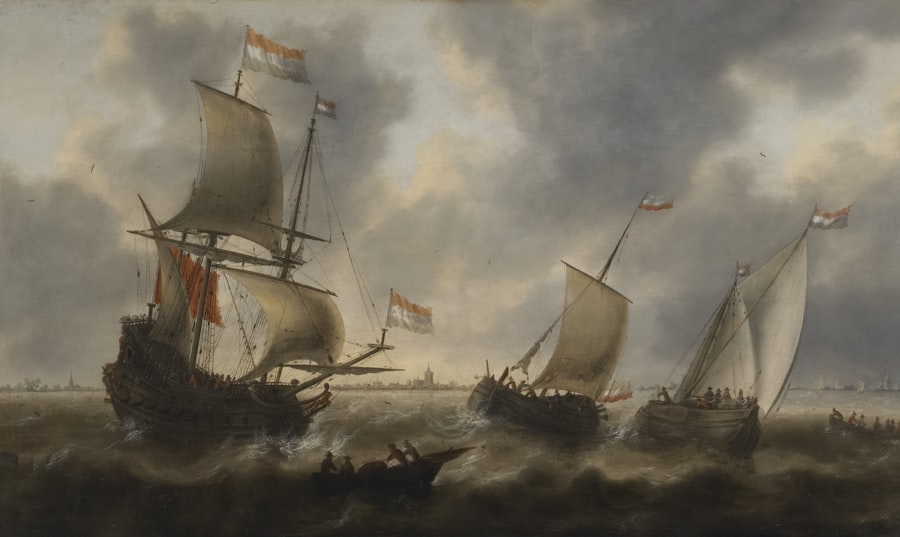
The wealth of long-form naval history documentaries available today means that viewers can embark on numerous voyages of exploration from the comfort of their homes. Understanding where to find these resources and how to engage with them critically is key to maximizing the learning experience.
Streaming Services and Online Platforms
A significant portion of long-form documentaries on naval history can be found on various streaming platforms. Subscriptions to services like Netflix, Amazon Prime Video, or specialized historical documentary channels often provide access to a curated selection of these productions. Additionally, platforms like YouTube host a vast array of historical content, though the length and quality can vary significantly. Independent documentary filmmakers also increasingly utilize their own websites or platforms like Vimeo to distribute their work.
Public Broadcasting and Educational Channels
Public broadcasting networks, such as PBS in the United States or the BBC in the United Kingdom, are often primary sources for high-quality, well-researched historical documentaries. These channels frequently dedicate significant programming to military and naval history. Educational channels also play a vital role in disseminating this knowledge.
Libraries and Archives
For those seeking the most in-depth and often rare historical footage, public and university libraries, as well as national archives, are invaluable resources. Many of these institutions hold extensive collections of historical films and documentaries, some of which may not be readily available through commercial outlets. Researchers and dedicated enthusiasts may find a treasure trove within these repositories.
Critical Viewing and Further Research
When engaging with any historical documentary, a critical eye is essential. While long-form productions strive for accuracy, it is important to remember that they are still interpretations. Viewers should consider the filmmakers’ sources, potential biases, and the overall narrative they are constructing. Supplementing documentary viewing with reading books, academic articles, and primary source materials can provide a more comprehensive and nuanced understanding of the subject matter. Naval history is a subject that rewards deep inquiry, and documentaries serve as excellent springboards for further exploration.
In conclusion, long-form naval history documentaries offer an unparalleled gateway into the fascinating and often dramatic story of humanity’s relationship with the sea. They are not merely entertainment; they are voyages of discovery that illuminate the past, inform the present, and offer profound insights into the enduring power of maritime endeavors. By engaging with these comprehensive narratives, viewers can chart their own courses through the rich and complex waters of naval history.
FAQs
What are naval history documentaries long form?
Naval history documentaries long form are extended-length films or series that explore the history, events, and significance of naval warfare, maritime exploration, and naval technology over time. They typically provide in-depth analysis and detailed storytelling.
Why are long form documentaries important for understanding naval history?
Long form documentaries allow for comprehensive coverage of complex naval events, strategies, and historical contexts. They provide viewers with a deeper understanding of the subject by including expert interviews, archival footage, and detailed narratives that shorter formats may not accommodate.
What topics are commonly covered in naval history documentaries long form?
Common topics include major naval battles, the evolution of naval technology, biographies of significant naval figures, the role of navies in world wars, maritime exploration, and the impact of naval power on global politics and trade.
Where can I watch naval history documentaries long form?
These documentaries can be found on streaming platforms such as Netflix, Amazon Prime Video, and specialized history channels like the History Channel or National Geographic. They are also available through educational websites, DVD collections, and sometimes on YouTube.
Who produces naval history documentaries long form?
Naval history documentaries are produced by a variety of organizations including public broadcasters, independent filmmakers, historical societies, and educational institutions. Notable producers include the BBC, PBS, and the Naval History and Heritage Command.