# American Military Intelligence During the Revolutionary War
The Revolutionary War (1775-1783) established foundational practices for American military intelligence operations. As the thirteen colonies pursued independence from British rule, colonial leaders recognized the strategic value of gathering information about British military movements and tactical plans. General George Washington, commander of the Continental Army, actively developed intelligence collection methods, including the recruitment of spies and informants to monitor British activities and intentions.
Notable intelligence operatives included Nathan Hale, a spy executed by the British in 1776. The Continental Army also established the Culper Ring, a spy network based in New York City that operated under Washington’s direction. This network successfully gathered and transmitted intelligence regarding British troop deployments and military objectives, providing actionable information that influenced American military planning and operations.
Beyond traditional espionage, American forces employed deception operations and strategic misinformation to confuse and mislead British commanders. These multifaceted intelligence approaches—combining human intelligence sources, counterintelligence measures, and psychological operations—demonstrated the practical application of intelligence in military strategy during the Revolutionary War period. The intelligence practices developed during the Revolutionary War established precedents that would shape the evolution of American intelligence operations in subsequent conflicts and influenced the development of formal intelligence institutions in the United States.
Learn about the incredible leadership of Admiral Nimitz during World War II.
Key Takeaways
- American military intelligence originated during the Revolutionary War, laying the foundation for future espionage efforts.
- The Civil War introduced advanced techniques like codebreaking and deception, enhancing battlefield intelligence.
- World War I saw the creation of formal intelligence agencies, marking the start of modern intelligence operations.
- World War II represented the peak of American military intelligence with significant advancements and successes.
- Contemporary intelligence faces new challenges including cyber warfare and evolving geopolitical tensions, driving innovation for the future.
The Civil War: Spies, Codebreaking, and Deception
The Civil War further advanced the role of military intelligence in American history, as both the Union and Confederate forces recognized the strategic advantage that information could provide. Spies became an integral part of military operations, with individuals like Belle Boyd and Rose O’Neal Greenhow playing crucial roles in gathering intelligence for the Confederacy. These women, along with many others, demonstrated that espionage was not confined to men in uniform; it was a domain where anyone could contribute to the war effort.
Their efforts often involved risky maneuvers and clever disguises, showcasing the lengths to which individuals would go to serve their cause. In addition to traditional spying, codebreaking emerged as a vital component of military intelligence during the Civil War. The Union’s use of ciphers and codes allowed them to communicate securely and thwart Confederate attempts at interception.
The establishment of the Union Army’s Signal Corps marked a significant development in military communication and intelligence gathering. This unit utilized visual signals and telegraphy to relay information quickly across vast distances, enhancing coordination among Union forces. The interplay of espionage, codebreaking, and deception during this tumultuous period laid the foundation for more sophisticated intelligence operations in future conflicts.
World War I: The Establishment of Modern Intelligence Agencies
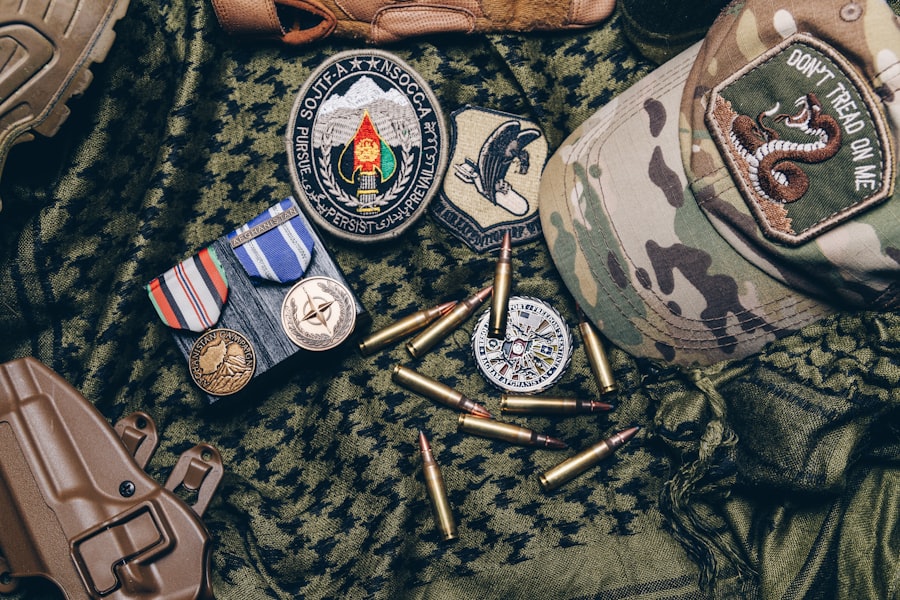
World War I represented a turning point in the evolution of military intelligence, as the scale and complexity of warfare necessitated the establishment of formal intelligence agencies. The United States entered the war in 1917, and with it came a pressing need for organized intelligence efforts. The creation of the Military Intelligence Division (MID) within the War Department marked a significant step toward modernizing American military intelligence.
This division was tasked with collecting, analyzing, and disseminating information about enemy forces, paving the way for more systematic approaches to intelligence gathering. The war also saw advancements in technology that transformed intelligence operations. Aerial reconnaissance became a crucial tool for gathering information about enemy positions and movements.
Pilots flew over enemy lines, capturing photographs that provided invaluable insights into troop deployments and fortifications. Additionally, the use of signals intelligence began to take shape as nations sought to intercept enemy communications. The lessons learned during World War I would inform future intelligence practices, emphasizing the importance of coordination between various branches of military and civilian intelligence agencies.
World War II: The Golden Age of American Military Intelligence
World War II is often regarded as the golden age of American military intelligence, characterized by unprecedented advancements in espionage, codebreaking, and technological innovation. The establishment of the Office of Strategic Services (OSS) in 1942 marked a significant evolution in American intelligence operations. The OSS was tasked with conducting espionage activities abroad and coordinating with Allied forces to gather critical information on enemy operations.
This agency laid the groundwork for what would later become the Central Intelligence Agency (CIA), highlighting the importance of organized intelligence efforts in modern warfare. One of the most notable achievements of American military intelligence during World War II was its success in codebreaking. The efforts at Bletchley Park in England, where Allied cryptanalysts deciphered German communications, were complemented by American contributions through organizations like the Signal Intelligence Service (SIS).
The ability to intercept and decode enemy messages provided Allied forces with a significant advantage on multiple fronts. Additionally, deception operations such as Operation Fortitude played a crucial role in misleading German forces about Allied invasion plans, showcasing the strategic importance of misinformation in warfare.
The Cold War: Espionage and the Intelligence Community
| Year | Event | Significance | Agency/Unit Involved |
|---|---|---|---|
| 1776 | Establishment of the Culper Spy Ring | First organized American military intelligence effort during the Revolutionary War | Culper Spy Ring |
| 1882 | Creation of the Military Intelligence Division (MID) | First formal military intelligence agency in the U.S. Army | Military Intelligence Division (MID) |
| 1942 | Formation of the Office of Strategic Services (OSS) | Precursor to the CIA, coordinated espionage and covert operations in WWII | Office of Strategic Services (OSS) |
| 1947 | Establishment of the Central Intelligence Agency (CIA) | Centralized U.S. intelligence gathering and analysis post-WWII | Central Intelligence Agency (CIA) |
| 1947 | Creation of the National Security Agency (NSA) | Responsible for signals intelligence and cryptography | National Security Agency (NSA) |
| 1981 | Formation of the Defense Intelligence Agency (DIA) | Centralized military intelligence for the Department of Defense | Defense Intelligence Agency (DIA) |
| 2004 | Creation of the U.S. Cyber Command | Focused on cyber warfare and intelligence | U.S. Cyber Command |
The Cold War ushered in an era defined by espionage and the expansion of the American intelligence community. As tensions between the United States and the Soviet Union escalated, both nations engaged in a relentless battle for information and influence. The establishment of agencies such as the CIA and the National Security Agency (NSA) reflected a growing recognition of the need for comprehensive intelligence capabilities.
These organizations were tasked with gathering information on Soviet activities while also conducting covert operations aimed at undermining communist influence worldwide. Espionage during the Cold War took on various forms, from human intelligence (HUMINT) operations involving spies on the ground to signals intelligence (SIGINT) efforts focused on intercepting communications. High-profile cases such as the capture of Soviet spy Aldrich Ames highlighted the risks associated with espionage and counterintelligence efforts.
The Cold War also saw an increase in technological advancements that facilitated intelligence gathering, including satellite reconnaissance and advanced cryptography. As both superpowers sought to outmaneuver each other on the global stage, military intelligence became an essential component of national security strategy.
The Vietnam War: Intelligence Failures and Lessons Learned

The Vietnam War presented significant challenges for American military intelligence, revealing critical failures that would shape future practices. Despite advancements in technology and intelligence capabilities, U.S. forces struggled to effectively gather accurate information about enemy movements and strategies.
The reliance on flawed assumptions and inadequate analysis led to miscalculations that had dire consequences on the battlefield. Operations such as the Tet Offensive caught American forces off guard, highlighting gaps in intelligence assessments. In response to these failures, military leaders recognized the need for reform within the intelligence community.
Lessons learned from Vietnam prompted a reevaluation of how intelligence was gathered, analyzed, and utilized in decision-making processes. The importance of understanding local cultures and dynamics became evident as U.S. forces grappled with an unconventional enemy that employed guerrilla tactics.
This period underscored the necessity for adaptability within military intelligence operations, emphasizing that success depended not only on technology but also on human insight and cultural awareness.
The Gulf War: Technological Advancements in Intelligence Gathering
The Gulf War marked a new era in military intelligence characterized by rapid technological advancements that transformed how information was gathered and utilized on the battlefield. The conflict showcased the effectiveness of precision-guided munitions and advanced surveillance systems that provided real-time data to commanders. Satellite imagery played a crucial role in assessing enemy positions and movements, allowing U.S.
forces to plan operations with unprecedented accuracy. Moreover, the integration of various intelligence disciplines became evident during this conflict. Signals intelligence (SIGINT), imagery intelligence (IMINT), and human intelligence (HUMINT) were combined to create a comprehensive picture of enemy capabilities.
The use of advanced technologies such as drones for reconnaissance further enhanced situational awareness on the ground. As a result, military planners were able to execute operations with remarkable efficiency, demonstrating how technological innovations could reshape traditional approaches to warfare.
The War on Terror: The Evolution of Counterterrorism Intelligence
The events of September 11, 2001, fundamentally altered the landscape of American military intelligence as the nation shifted its focus toward counterterrorism efforts. In response to the growing threat posed by terrorist organizations like al-Qaeda, U.S. intelligence agencies underwent significant transformations to enhance their capabilities in identifying and neutralizing threats.
The establishment of the Department of Homeland Security (DHS) reflected a commitment to integrating intelligence efforts across various agencies to address emerging security challenges. Counterterrorism intelligence emphasized collaboration between domestic and international agencies, recognizing that threats often transcended borders. Intelligence-sharing initiatives became paramount as agencies sought to pool resources and information to prevent future attacks.
Additionally, advancements in data analytics and surveillance technologies allowed for more effective monitoring of potential threats. However, this shift also raised ethical concerns regarding privacy rights and civil liberties, prompting ongoing debates about balancing security needs with individual freedoms.
Cyber Warfare: The Role of Intelligence in the Digital Age
As technology continues to evolve, so too does the nature of warfare—particularly with regard to cyber warfare. In recent years, cyber threats have emerged as a significant concern for national security, prompting military intelligence agencies to adapt their strategies accordingly. Cyber espionage has become a prominent tool for state actors seeking to gather sensitive information or disrupt critical infrastructure.
Intelligence agencies now face challenges related to attribution—determining who is behind cyberattacks—and responding effectively to these threats. The role of military intelligence in cyber warfare extends beyond traditional espionage; it encompasses defensive measures aimed at protecting national interests from cyber intrusions. Agencies like the NSA have taken on expanded responsibilities in monitoring cyber threats while also collaborating with private sector entities to enhance cybersecurity measures.
As cyber warfare continues to evolve, military intelligence must remain agile and innovative in addressing emerging challenges posed by adversaries operating in digital spaces.
Contemporary Challenges: Intelligence in Modern Conflicts and Geopolitical Tensions
In today’s complex geopolitical landscape, American military intelligence faces numerous challenges that require adaptability and foresight. Conflicts are increasingly characterized by hybrid warfare tactics that blend conventional military operations with irregular strategies employed by non-state actors. This complexity necessitates a nuanced understanding of local dynamics and cultural contexts—skills that are often difficult to cultivate within traditional military frameworks.
Moreover, geopolitical tensions have intensified as nations navigate shifting alliances and rivalries on the global stage. Intelligence agencies must contend with an array of threats ranging from state-sponsored cyberattacks to disinformation campaigns aimed at undermining public trust in democratic institutions. As adversaries leverage technology to exploit vulnerabilities within societies, military intelligence must evolve its approaches to counter these multifaceted challenges effectively.
The Future of American Military Intelligence: Trends and Innovations
Looking ahead, American military intelligence is poised for continued evolution driven by emerging trends and innovations. Artificial intelligence (AI) is set to play a transformative role in data analysis and decision-making processes within intelligence agencies. By harnessing machine learning algorithms, analysts can process vast amounts of information more efficiently than ever before—enabling quicker responses to emerging threats.
Additionally, collaboration between government agencies and private sector entities is likely to deepen as both seek innovative solutions to complex security challenges. Public-private partnerships can enhance information sharing while fostering technological advancements that bolster national security efforts. As military intelligence navigates an increasingly interconnected world fraught with uncertainty, its ability to adapt will be paramount in ensuring effective responses to evolving threats while safeguarding democratic values at home and abroad.
In conclusion, American military intelligence has undergone significant transformations throughout its history—from its humble beginnings during the Revolutionary War to its current role in addressing contemporary security challenges. Each conflict has shaped its evolution while highlighting both successes and failures along the way. As it looks toward an uncertain future marked by rapid technological advancements and shifting geopolitical dynamics, American military intelligence must remain vigilant and adaptable—ready to meet whatever challenges lie ahead.
American military intelligence has a rich and complex history that has evolved significantly over the years, particularly during major conflicts such as World War II and the Cold War. For a deeper understanding of the developments and challenges faced by military intelligence throughout these periods, you can explore a related article on this topic at In the War Room. This resource provides valuable insights into the strategies and operations that have shaped the intelligence community within the U.S. military.
WATCH THIS! 🎖️ The Battle of Midway: How Codebreakers Won the Pacific War
FAQs
What is American military intelligence?
American military intelligence refers to the collection, analysis, and dissemination of information related to national security and military operations. It supports decision-making by providing insights about enemy forces, terrain, and other strategic factors.
When did American military intelligence begin?
American military intelligence has its roots in the Revolutionary War, with formal organizations developing during the Civil War. The establishment of dedicated intelligence units evolved significantly during World War I and World War II.
What are some key organizations in American military intelligence history?
Key organizations include the Military Intelligence Division (MID) during World War I, the Office of Strategic Services (OSS) in World War II, and the Defense Intelligence Agency (DIA) established in 1961. The National Security Agency (NSA) and the Central Intelligence Agency (CIA) also play critical roles.
How did World War II impact American military intelligence?
World War II greatly expanded American military intelligence capabilities, including codebreaking efforts like those at Bletchley Park and the development of advanced reconnaissance techniques. The OSS was created to coordinate espionage and covert operations.
What role does technology play in American military intelligence?
Technology has been crucial, from early cryptography and signal interception to modern satellite surveillance, cyber intelligence, and unmanned aerial vehicles (drones). Technological advancements have continually enhanced intelligence gathering and analysis.
How has American military intelligence evolved in the post-Cold War era?
Post-Cold War, American military intelligence has adapted to new threats such as terrorism, cyber warfare, and asymmetric conflicts. Intelligence agencies have increased interagency cooperation and integrated advanced data analytics and real-time information sharing.
What is the importance of American military intelligence today?
Today, American military intelligence is vital for national security, supporting military operations, counterterrorism, and strategic planning. It helps anticipate threats, protect forces, and maintain global military advantages.