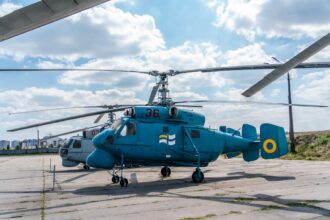
The Russian Arctic Fuel Depot Network represents a critical component of the nation’s energy infrastructure, serving as a vital link in the supply chain for fuel and resources in one of the most challenging environments on Earth. This network is not merely a collection of storage facilities; it is a strategic asset that supports both military and civilian operations in the Arctic region. As Russia seeks to assert its presence in the Arctic, the fuel depot network plays a pivotal role in facilitating exploration, shipping, and resource extraction, all of which are increasingly important as climate change opens new pathways and opportunities in this remote area.
Historically, the development of the Russian Arctic Fuel Depot Network has been driven by a combination of geopolitical interests and economic necessity. The melting ice caps have not only revealed new shipping routes but have also made previously inaccessible natural resources available for extraction. Consequently, the Russian government has invested heavily in expanding its infrastructure to ensure that it can meet the demands of both domestic and international markets.
This network is essential for supporting the operations of the Northern Fleet, as well as for bolstering Russia’s claims to territorial waters and resources in the Arctic.
Key Takeaways
- The Russian Arctic fuel depot network is crucial for supporting increasing maritime and military activities in the region.
- Expansion is necessary due to rising demand and the strategic importance of the Arctic amid global climate and geopolitical changes.
- Environmental regulations and concerns pose significant challenges to developing new fuel infrastructure in the fragile Arctic ecosystem.
- Technological innovations are enabling more resilient and efficient fuel depots suited to harsh Arctic conditions.
- Expansion efforts must balance economic benefits, security interests, international cooperation, and the rights and well-being of indigenous communities.
Current Challenges and Limitations of the Network
Despite its strategic importance, the Russian Arctic Fuel Depot Network faces numerous challenges and limitations that hinder its effectiveness. One of the primary issues is the harsh environmental conditions prevalent in the Arctic region. Extreme cold, ice, and unpredictable weather patterns can severely impact logistics and transportation, making it difficult to maintain and supply fuel depots.
Additionally, many existing facilities are aging and require significant upgrades to meet modern standards and operational demands. Another challenge is the limited accessibility of certain areas within the Arctic. The remoteness of many fuel depots complicates maintenance and resupply efforts, leading to potential shortages or delays in fuel availability.
Furthermore, geopolitical tensions with other nations that have interests in the Arctic can create additional hurdles for expansion and collaboration. The combination of these factors underscores the need for a comprehensive assessment of the current network’s capabilities and limitations to ensure that it can effectively support future operations.
The Need for Expansion: Growing Demand and Strategic Importance
As global interest in the Arctic continues to grow, so too does the demand for fuel and resources in this region. The melting ice has opened up new shipping routes, such as the Northern Sea Route, which significantly reduces travel time between Europe and Asia.
The Russian government recognizes that expanding its fuel depot network is essential not only for economic reasons but also for maintaining its strategic advantage in the Arctic. Moreover, the geopolitical landscape is shifting, with other nations also vying for influence in the Arctic. As countries like China and the United States increase their presence in the region, Russia must bolster its infrastructure to ensure it can respond effectively to any challenges that may arise.
The expansion of the fuel depot network is not merely a matter of meeting current demand; it is also about positioning Russia as a dominant player in Arctic affairs. By enhancing its capabilities, Russia can secure its interests while also providing support for international shipping and resource extraction efforts.
Environmental Concerns and Regulations in the Arctic
The expansion of the Russian Arctic Fuel Depot Network raises significant environmental concerns that cannot be overlooked. The Arctic ecosystem is particularly fragile, and any increase in industrial activity poses risks to wildlife and natural habitats. Oil spills, leaks, and other forms of pollution can have devastating effects on local flora and fauna, making it imperative for Russia to implement stringent environmental regulations as part of any expansion plans.
In response to these concerns, Russia has established various environmental protection laws aimed at safeguarding the Arctic environment. However, enforcement remains a challenge due to the remoteness of many locations and limited resources for monitoring compliance. As such, there is a pressing need for improved regulatory frameworks that not only address environmental protection but also promote sustainable practices within the fuel depot network.
This includes investing in technologies that minimize environmental impact while ensuring operational efficiency.
Technological Advancements in Fuel Depot Infrastructure
| Depot Name | Location | Fuel Capacity (tons) | Operational Since | Primary Use | Accessibility |
|---|---|---|---|---|---|
| Murmansk Fuel Depot | Murmansk, Russia | 50,000 | 1985 | Military and Civilian Vessels | Year-round (Icebreaker support) |
| Franz Josef Land Depot | Franz Josef Land Archipelago | 15,000 | 2010 | Arctic Patrol and Research | Summer months only |
| Novaya Zemlya Depot | Novaya Zemlya | 20,000 | 1995 | Military Operations | Seasonal (Ice conditions dependent) |
| Severomorsk Fuel Depot | Severomorsk | 40,000 | 1970 | Naval Fleet Support | Year-round |
| Pevek Depot | Pevek, Chukotka | 10,000 | 2005 | Arctic Shipping and Exploration | Summer months |
Technological advancements play a crucial role in enhancing the efficiency and safety of fuel depot operations in the Russian Arctic. Innovations in storage technology, such as advanced containment systems and leak detection mechanisms, can significantly reduce the risk of environmental contamination. Additionally, improvements in transportation logistics—such as ice-class vessels designed for Arctic conditions—can facilitate more reliable resupply efforts.
Moreover, automation and digitalization are transforming how fuel depots operate. Remote monitoring systems allow for real-time data collection on inventory levels, environmental conditions, and equipment status, enabling operators to make informed decisions quickly. These technological advancements not only improve operational efficiency but also enhance safety protocols by minimizing human error.
As Russia looks to expand its fuel depot network, embracing these innovations will be essential for ensuring that new facilities are equipped to meet modern challenges.
Potential Locations for New Fuel Depots in the Russian Arctic
Identifying potential locations for new fuel depots within the Russian Arctic involves careful consideration of various factors, including accessibility, environmental impact, and strategic significance. Areas along key shipping routes, such as the Northern Sea Route, present prime opportunities for establishing new facilities that can support increased maritime traffic. Locations like Tiksi and Pevek are already being considered due to their proximity to major shipping lanes and existing infrastructure.
Additionally, regions near resource extraction sites may also benefit from new fuel depots to support ongoing operations. For instance, areas around the Yamal Peninsula are rich in natural gas reserves and could see increased activity as demand rises. Establishing fuel depots in these locations would not only facilitate resource extraction but also enhance logistical capabilities across the region.
However, careful planning is essential to ensure that these new facilities do not adversely affect local ecosystems or communities.
International Collaboration and Diplomacy in Expanding the Network
The expansion of the Russian Arctic Fuel Depot Network cannot occur in isolation; it requires international collaboration and diplomacy to navigate complex geopolitical dynamics. As multiple nations express interest in Arctic resources and shipping routes, fostering cooperative relationships becomes increasingly important. Russia has engaged with other Arctic nations through forums such as the Arctic Council to discuss shared interests and address common challenges.
Collaborative efforts can lead to joint initiatives aimed at improving infrastructure while ensuring environmental protection. For example, partnerships with neighboring countries could facilitate shared investments in technology or research on sustainable practices within fuel depot operations. By working together, nations can enhance their collective capabilities while minimizing potential conflicts over resources or territorial claims.
Economic Implications of Expanding the Fuel Depot Network
The economic implications of expanding the Russian Arctic Fuel Depot Network are significant and multifaceted. On one hand, an expanded network can stimulate local economies by creating jobs related to construction, maintenance, and operation of new facilities. This influx of employment opportunities can benefit communities that have historically faced economic challenges due to their remote locations.
On a broader scale, enhancing fuel depot infrastructure can attract foreign investment and boost trade by facilitating increased shipping activity through Arctic routes. As global demand for energy resources continues to rise, Russia stands to gain economically by positioning itself as a key player in supplying these resources to international markets. However, it is essential that economic growth does not come at the expense of environmental sustainability or social equity within local communities.
Security and Defense Considerations in the Arctic
Security and defense considerations are paramount when discussing the expansion of the Russian Arctic Fuel Depot Network. The Arctic region has become a focal point for military strategy as nations seek to assert their claims over territorial waters and resources. For Russia, maintaining a robust fuel depot network is critical for supporting military operations in this strategically important area.
The presence of well-equipped fuel depots enhances Russia’s ability to project power across its northern borders while ensuring that its military forces are adequately supplied during operations. Additionally, these facilities serve as logistical hubs that can support rapid response capabilities in times of crisis or conflict. As tensions rise among Arctic nations over territorial disputes or resource competition, bolstering security measures around fuel depots will be essential for safeguarding national interests.
Indigenous Peoples and Local Communities: Impact of Expansion
The expansion of the Russian Arctic Fuel Depot Network has profound implications for indigenous peoples and local communities residing in these regions. While economic opportunities may arise from increased industrial activity, there are also concerns about potential disruptions to traditional ways of life. Indigenous communities often rely on subsistence hunting and fishing practices that could be adversely affected by industrial development.
Engaging with local communities is crucial for ensuring that their voices are heard in decision-making processes related to expansion plans. Incorporating traditional ecological knowledge into project planning can help mitigate negative impacts on local ecosystems while fostering a sense of ownership among indigenous peoples over resource management practices. By prioritizing community engagement and collaboration, Russia can work towards achieving a balance between economic development and cultural preservation.
Future Outlook: Opportunities and Challenges in Expanding the Russian Arctic Fuel Depot Network
The future outlook for expanding the Russian Arctic Fuel Depot Network is characterized by both opportunities and challenges. On one hand, there is significant potential for economic growth driven by increased demand for energy resources and shipping routes opening up due to climate change. By investing in modern infrastructure and embracing technological advancements, Russia can position itself as a leader in Arctic affairs while reaping economic benefits.
However, challenges remain that must be addressed proactively. Environmental concerns will continue to be at the forefront of discussions surrounding expansion efforts, necessitating robust regulatory frameworks that prioritize sustainability. Additionally, geopolitical tensions may complicate collaborative efforts with other nations seeking similar goals in the Arctic region.
Ultimately, navigating these complexities will require a multifaceted approach that balances economic interests with environmental stewardship and social responsibility. By fostering dialogue among stakeholders—including government agencies, indigenous communities, environmental organizations, and industry representatives—Russia can work towards creating a resilient fuel depot network that meets both current needs and future challenges in this dynamic region.
The strategic importance of the Russian Arctic fuel depot network has been highlighted in various analyses, particularly in the context of military logistics and environmental concerns. For a deeper understanding of the implications of this network, you can read more in the article available at